Skip to content

Swift action is required for termite activity in any property. Termite treatment methods include liquid treatments, termite baiting, soil treatment, physical or chemical barriers and targeted wood treatment. The most appropriate method depends on the termite species, building construction, infestation location, severity of activity and whether treatment is being carried out before or after construction.
There is no single termite treatment Malaysia property owners should assume is best for every infestation. Subterranean termites, for example, may travel between an underground colony and a building through concealed routes, meaning treatment must address more than the damaged timber that can be seen.
Professional inspection is therefore an important first step. The inspection helps identify active areas, possible entry routes and property conditions before suitable termite control methods are selected.
Why Termite Treatment Matters
Termite treatment matters because active termites can continue feeding on cellulose-containing materials while remaining largely concealed. Timber, paper products and some building components can be affected without obvious surface damage during the early stages.
Subterranean termites typically maintain contact with soil or another moisture source and travel through concealed galleries or mud tubes. Treating only the visible termites may therefore leave the colony and other access routes unaffected.
An effective treatment strategy has two main objectives: control existing termite activity and reduce the likelihood of termites continuing to access the structure.
The treatment required depends on several factors:
- Whether termites are currently active
- The termite species involved
- Where the colony or access routes may be located
- How the building was constructed
- Whether previous termite treatment exists
- Whether important areas can be accessed
Treatment should therefore be based on inspection findings rather than applying the same method to every property.
Liquid Termite Treatments

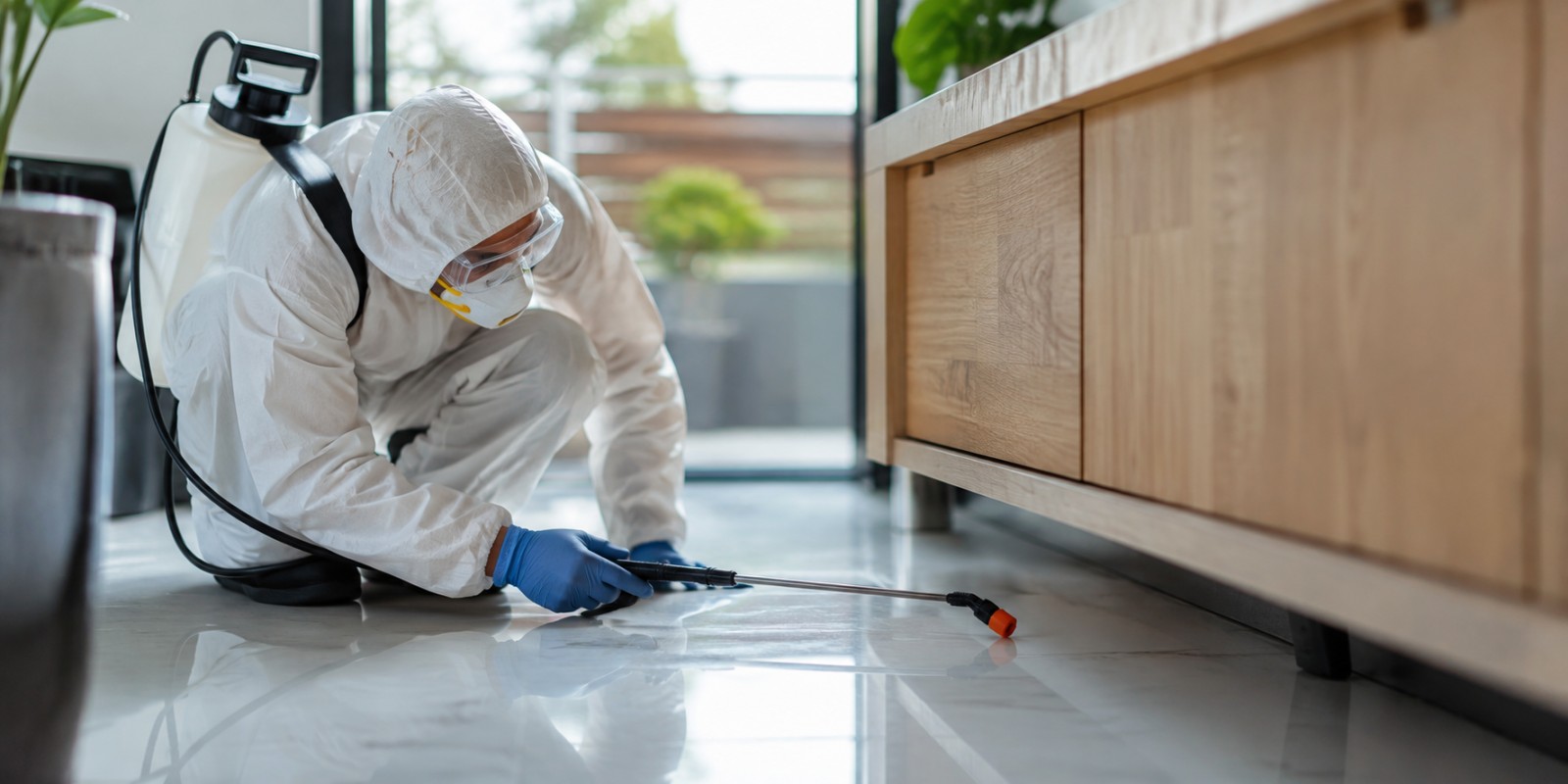
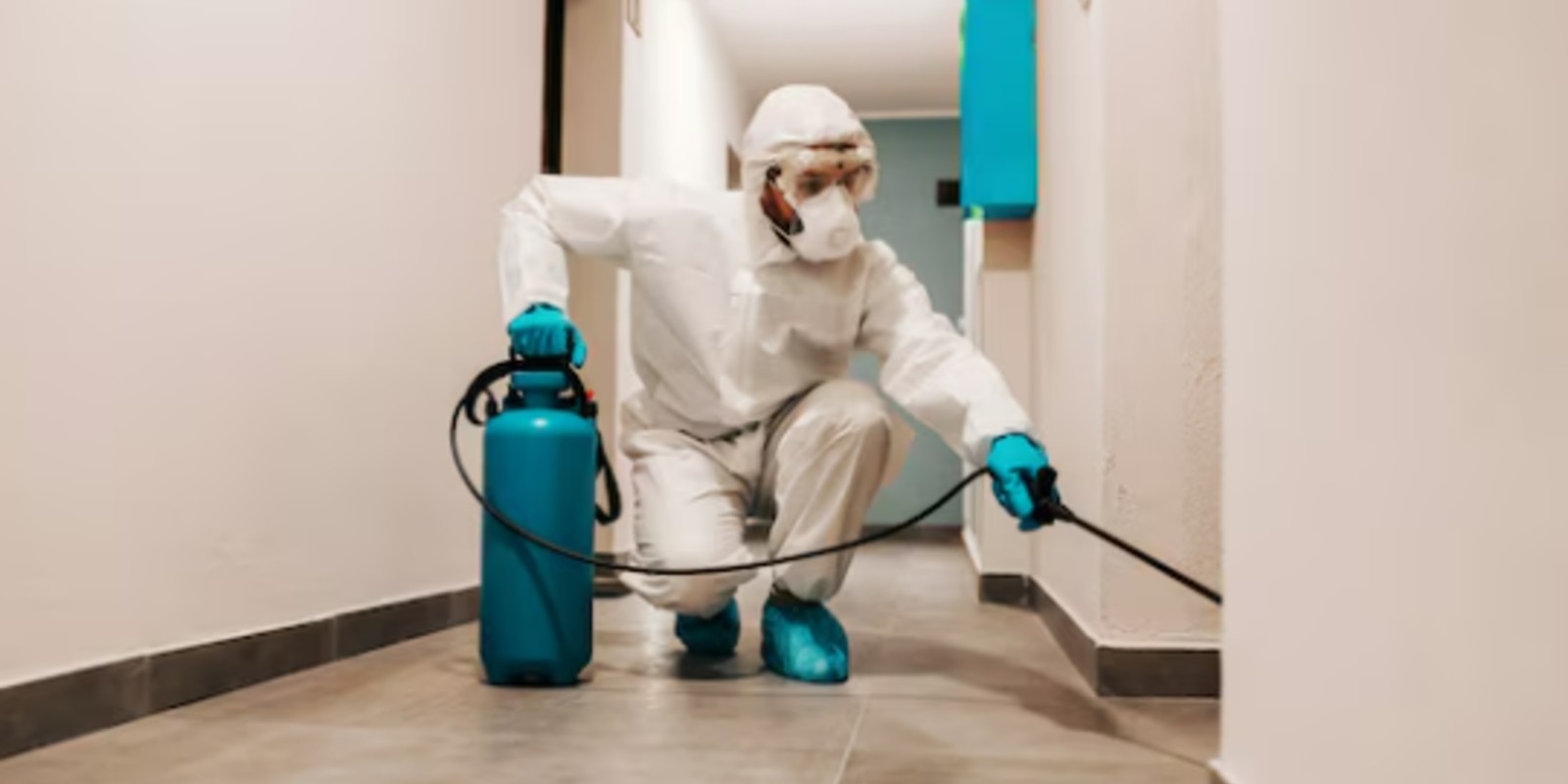
Liquid termite treatment involves applying an appropriate termiticide to locations where termites are travelling or are likely to enter a building. Depending on the product and treatment design, the objective may be to create a treated zone or directly address identified termite activity.
Liquid treatment can be used around foundations, soil and selected structural areas.
For existing buildings, application may require drilling or injecting treatment into specific locations. The exact approach depends on floor construction, soil access and the design of the building.
One advantage of liquid treatment is that it can establish protection across defined areas when application is complete and appropriate.
However, successful treatment depends heavily on coverage. Untreated gaps can provide alternative routes for termites.
Building extensions, drainage systems, pipes and inaccessible structural sections can make complete application more complicated.
How Liquid Termiticides Work
Liquid termiticides work by exposing termites to an active ingredient as they travel through treated areas. The exact effect depends on the formulation used.
Some products act when termites directly encounter the treated zone. Other formulations may allow exposed termites to interact with other members of the colony.
The product should be selected and applied according to its approved use and label requirements.
More chemicals do not necessarily provide better termite control. Correct placement and coverage are more important than unnecessary application.
Property owners should also understand that liquid treatment does not repair termite-damaged timber. Structural repairs may still be necessary after termite activity has been controlled.
Termite Baiting Systems
Termite baiting uses strategically positioned stations to detect and control termite activity. Stations may initially contain material intended to encourage termite feeding before an appropriate termite bait is introduced.
The termites consume the bait and can carry its effects back through the colony.
Termite baiting is different from applying a fast-acting insecticide directly to visible termites. The process is designed to work through termite feeding and social behaviour.
Bait stations require monitoring because termites must first locate and interact with them.
The programme may involve several stages:
- Installing monitoring or bait stations
- Checking stations for termite activity
- Introducing or maintaining appropriate bait
- Monitoring termite feeding
- Continuing inspections after activity declines
Baiting is therefore not normally an immediate one-visit solution.
Advantages and Limitations of Termite Baiting
Termite baiting can be useful where extensive liquid treatment is difficult or where a monitoring-based approach is preferred. It can also provide information about termite activity around a property over time.
The method uses targeted bait placements rather than treating large areas indiscriminately.
However, termites must find and feed on the stations for the programme to work effectively. The speed of control can therefore vary.
Station placement, termite foraging behaviour, soil conditions and surrounding food sources may affect how quickly activity is detected.
Regular inspection is essential. Installing stations without continued monitoring does not provide a complete termite management programme.
Soil Treatment and Chemical Barriers
Termite soil treatment involves treating soil beneath or around a structure to reduce subterranean termite access. It is particularly relevant because subterranean termites commonly travel from colonies in the ground towards buildings.
The treatment creates a managed zone through which termites may have to travel before reaching the structure.
For new construction, soil treatment may be carried out at specific building stages before floors and other structural components make the soil inaccessible.
For existing buildings, post-construction soil treatment can require drilling, trenching or injection.
The treatment design depends on:
- Foundation type
- Soil conditions
- Building perimeter
- Plumbing and service penetrations
- Existing extensions or renovations
A continuous treatment zone is important because untreated sections may provide alternative termite access.
Physical Termite Barriers
Physical termite barriers are building components designed to restrict concealed termite entry or direct termites towards areas where their activity can be detected. They are most commonly incorporated during construction.
Unlike chemical soil treatment, physical barriers do not rely primarily on a pesticide remaining active in the soil.
Barrier materials and systems vary according to construction requirements.
Physical barriers should not be understood as making a building permanently termite-proof. Termites may still access a property through areas not protected by the system or through later modifications.
Renovations, extensions and utility installations can affect the integrity of termite protection.
Routine inspection remains important even when a physical barrier has been installed.
Wood Treatment
Wood treatment applies an appropriate termite-control product directly to timber or other susceptible materials. It may be used to treat specific areas of active infestation or as part of preventive termite management.
Treatment can involve surface application, injection or other methods depending on the timber and product.
Wood treatment can be useful when termite activity is localised and accessible.
However, treating damaged timber alone may not address subterranean termites entering from the soil. The affected wood may be only one feeding location connected to a much larger colony.
For this reason, inspection should determine whether treatment needs to extend beyond the visible timber.
Damaged wood should also be assessed separately for repair. Pest control addresses termite activity, while building repair addresses the strength and condition of the material.
Localised Termite Treatment
Localised termite treatment targets a defined area where active termites have been confirmed. It may involve injection, targeted liquid application or treatment of affected timber.
This approach can be appropriate when activity is genuinely limited and the surrounding area has been inspected.
Its main limitation is the possibility of undiscovered termite activity elsewhere.
Subterranean termites can use several concealed routes into a building. Treating one visible mud tube or damaged cabinet does not confirm that the wider infestation has been controlled.
Localised treatment should therefore be supported by inspection and monitoring rather than being based solely on the first visible sign.
Pre-Construction Termite Treatment
Pre-construction termite treatment is applied while a building is being constructed, before certain areas become inaccessible. Its purpose is to establish termite protection as part of the building process.
Soil treatment may be carried out before slabs are completed or around foundation areas according to the treatment system.
Physical termite barriers can also be incorporated during construction.
The main advantage is access. Areas beneath the building that would later require drilling can be treated while they remain exposed.
However, pre-construction treatment does not remove the need for future termite inspections.
Protection can be affected by later renovations, soil disturbance, plumbing work and building modifications. Termites may also exploit areas outside the original treatment zone.
Post-Construction Termite Treatment
Post-construction termite treatment is carried out after a building has been completed. It may be preventive or used in response to an active infestation.
Existing properties require a different approach because soil and structural areas may already be covered by floors, walls and fixed installations.
Depending on the property, treatment may involve:
- Termite baiting
- Drilling and soil treatment
- Perimeter treatment
- Localised applications
- Wood treatment
- Continued monitoring
The appropriate combination depends on the building and evidence found during inspection.
Post-construction treatment may require more planning because technicians must work around existing finishes, occupants and furniture.
Comparing Common Termite Treatment Methods
Different termite control methods address different aspects of termite activity. The following comparison provides a general overview.
| Method | Main Purpose | Key Consideration |
|---|---|---|
| Liquid termiticide | Treat termite access or active areas | Requires appropriate coverage |
| Termite baiting | Uses termite feeding behaviour to affect colony activity | Requires monitoring and termite interaction |
| Soil treatment | Reduces subterranean termite access through treated soil | Application depends on construction |
| Physical barrier | Restricts or exposes concealed termite entry | Usually installed during construction |
| Wood treatment | Targets accessible timber | May not address underground colony access |
| Localised treatment | Addresses confirmed activity in a specific area | Wider inspection remains necessary |
No method should automatically be considered superior in every situation.
The best treatment is the method or combination of methods that addresses the confirmed termite activity and the construction conditions of the property.
Comparing Effectiveness and Longevity
The effectiveness and longevity of termite treatment depend on treatment type, product, installation quality and environmental conditions. No termite treatment should be assumed to provide permanent protection without inspection.
Soil treatments can remain effective for a period determined by the product and site conditions. Soil disturbance, renovation and environmental factors can affect treated areas.
Baiting systems work differently because they rely on continued monitoring and maintenance rather than a fixed treated barrier.
Physical barriers can remain part of the building structure, but later construction changes may create new termite routes.
Wood treatments primarily protect or treat the materials to which they are applied and should not automatically be considered whole-property protection.
The practical measure of effectiveness is whether termite activity has been controlled and whether continued inspection shows evidence of renewed access.
Which Termite Treatment Works Best?
The best termite treatment is the one matched to the termite species, infestation pattern and property construction. A combination of methods may sometimes be more appropriate than relying on a single treatment.
For example, termite baiting may be useful where colony activity needs to be monitored over time.
Soil treatment may be appropriate where subterranean termites are accessing a structure from the ground and suitable treatment zones can be established.
Localised treatment may complement a broader programme when specific active areas are identified.
The decision should be based on questions such as:
- Where are termites entering?
- Is the activity localised or widespread?
- Can the relevant soil or structural areas be accessed?
- Has the property previously been treated?
- Are renovations likely to affect existing protection?
Inspection provides the information required to answer these questions.
Treatment Alone Does Not Prevent Every Future Infestation
Termite treatment reduces existing activity or creates protection against identified access routes, but property conditions can change. Future construction, moisture problems and soil disturbance may create new risks.
Homeowners and businesses should continue maintaining the building after treatment.
Leaks should be repaired, and timber should not remain unnecessarily exposed to damp soil.
Renovations should also consider existing termite protection before drilling, excavation or structural changes are carried out.
Regular inspections help identify new activity before significant damage develops.
This is particularly important because termites can remain concealed for long periods before visible signs become obvious.
Choosing the Right Treatment

Choosing the right termite treatment begins with identifying the termite and determining how it is interacting with the property. Selecting a method based only on convenience can leave important access routes untreated.
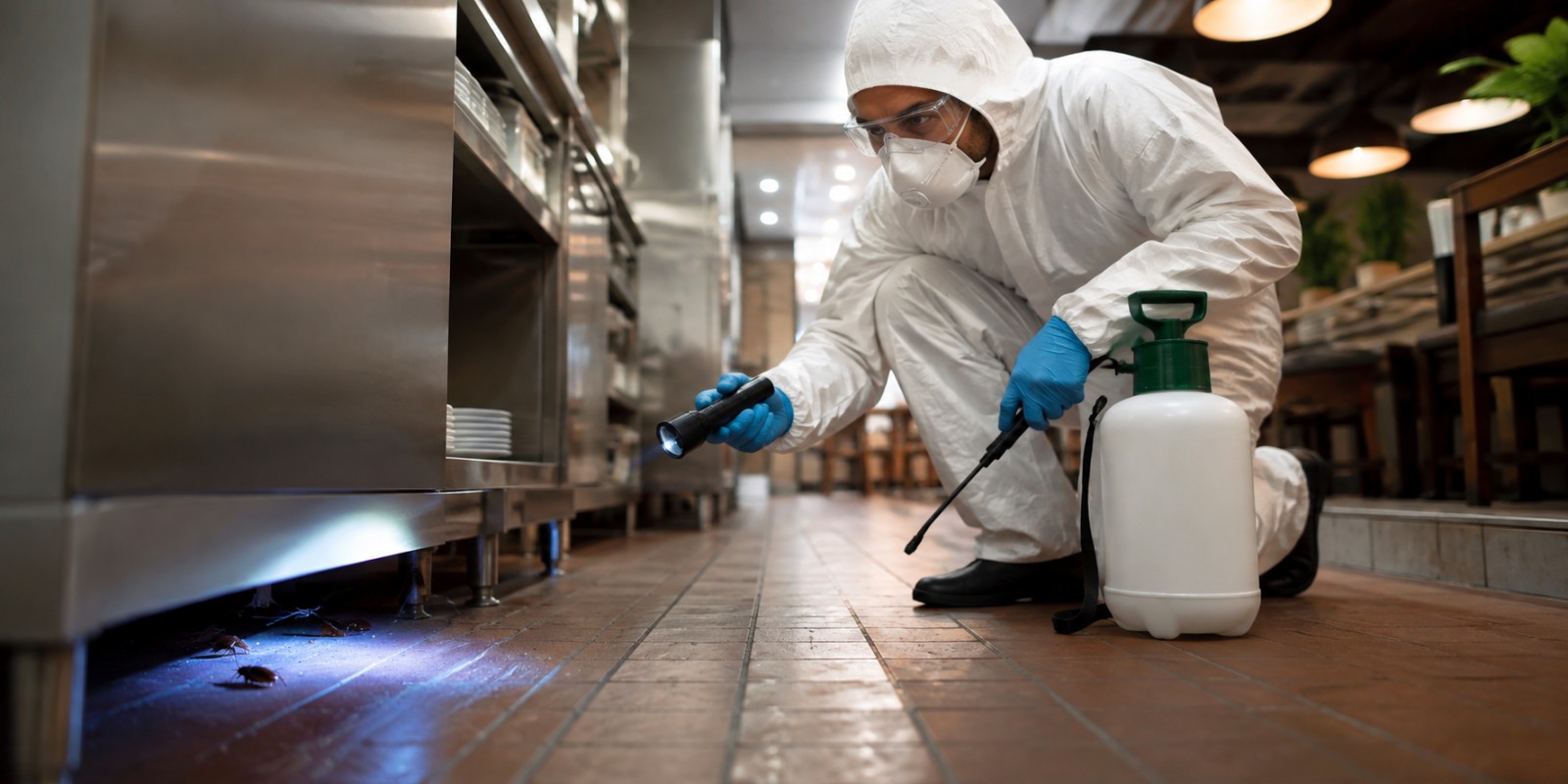
A professional termite inspection should assess active areas, damaged materials, moisture conditions and possible soil access.
Property owners should ask the pest control provider to explain:
- What termite activity has been identified
- Which areas appear affected
- What treatment method is recommended
- Why that method suits the property
- Whether monitoring or follow-up is required
- What preventive measures should be maintained
The provider should also explain any inaccessible areas or limitations that could affect treatment.
Frequently Asked Questions (FAQs)
What is the most effective termite treatment method?
There is no single method that is most effective for every property. The appropriate treatment depends on termite species, building construction, infestation location and whether suitable areas for baiting or soil treatment are available.
Is termite baiting better than liquid treatment?
Neither method is automatically better. Baiting relies on termite feeding and monitoring, while liquid treatments manage termite activity through treated areas. Property conditions determine which approach is more suitable.
How does termite soil treatment work?
Termite soil treatment applies an appropriate termiticide to selected soil areas around or beneath a structure. The treated zone is designed to reduce subterranean termite access to the building.
Can I treat only the damaged wood?
Treating damaged timber may control termites within that specific material, but it may not address a subterranean colony or other concealed entry routes. The surrounding property should be inspected before assuming local treatment is sufficient.
Does termite treatment permanently prevent termites?
No treatment should be considered permanent protection. Building modifications, soil disturbance, moisture and environmental conditions can create new access opportunities, making continued inspection important.
Can an existing house receive soil treatment?
Yes, post-construction soil treatment may be possible, but application can require drilling, trenching or injection depending on the building. A site assessment is required to determine whether the method is practical.
Do termites disappear immediately after treatment?
Not necessarily. Some treatment methods, particularly termite baiting, are designed to work gradually. Monitoring is used to determine whether termite activity is declining and whether additional action is required.
Selecting Treatment Based on Evidence
Termite treatment works best when the method is selected according to confirmed termite activity rather than using the same approach for every property. Liquid treatments, baiting, soil barriers, physical systems and wood treatments each serve different purposes.
The building's construction, termite access routes and infestation extent must also be considered. A visible damaged area may represent only one part of a concealed termite problem.
Professional inspection and continued monitoring help determine whether treatment has controlled the activity and whether additional preventive measures are required.
Have the Termite Activity Assessed Before Selecting a Method
Different termite treatment methods address different infestation conditions, making inspection important before choosing an approach. Property owners who discover mud tubes, damaged timber, discarded wings or other possible termite evidence can book an appointment with ZB I Tech Sdn Bhd to arrange an assessment and determine which termite control method is appropriate for the property.