Skip to content
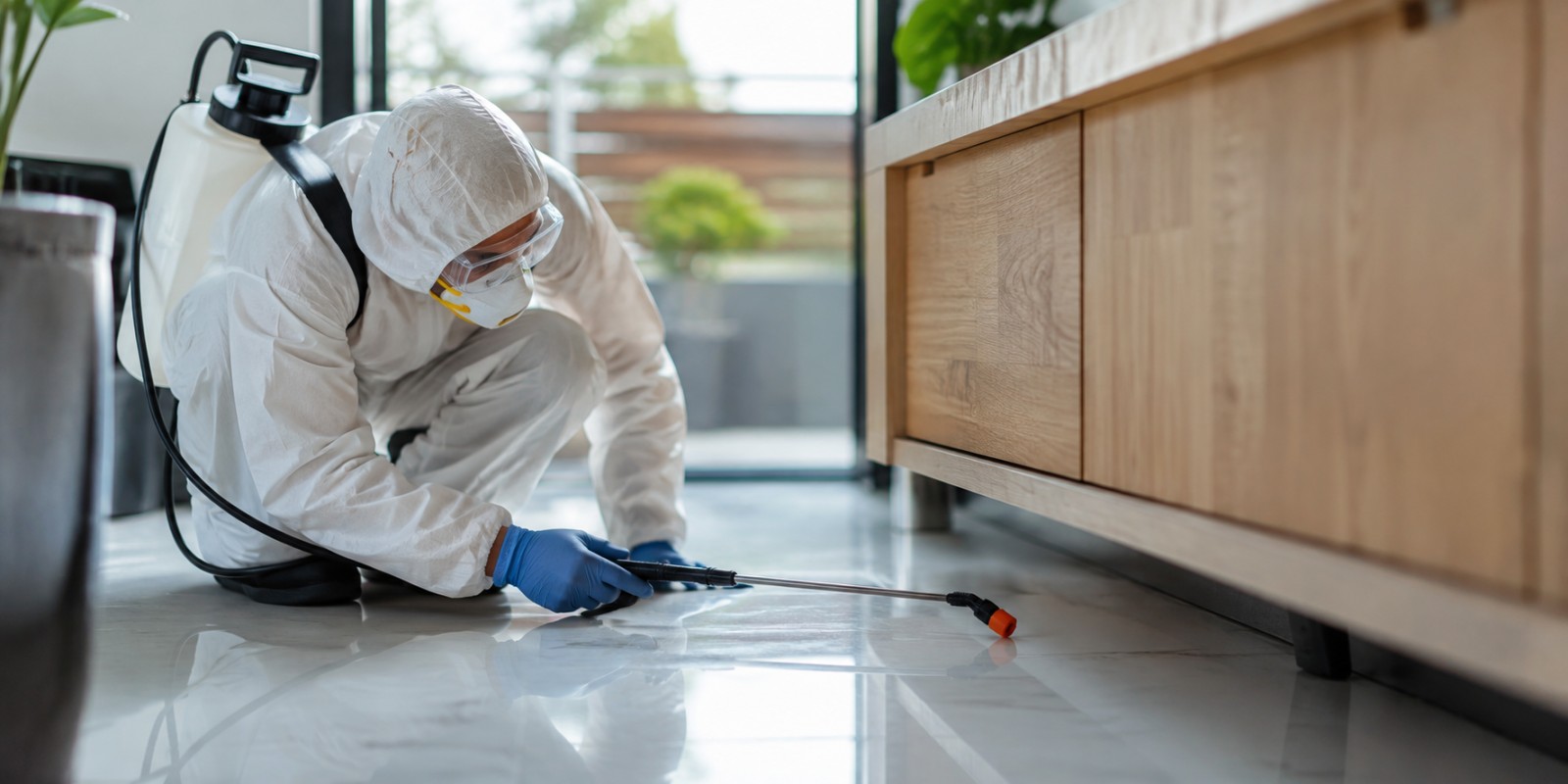
General pest control services typically include pest inspection, identification, targeted treatment, monitoring and preventive measures for common pests found in homes and businesses. The exact service depends on the pests present, the type of property and the conditions contributing to the infestation.
Rather than simply eliminating visible insects or rodents, professional pest management aims to identify where pests are coming from, what is allowing them to survive and which treatment method is appropriate. This may involve chemical treatments, baits, traps, sanitation recommendations, exclusion measures or a combination of approaches.
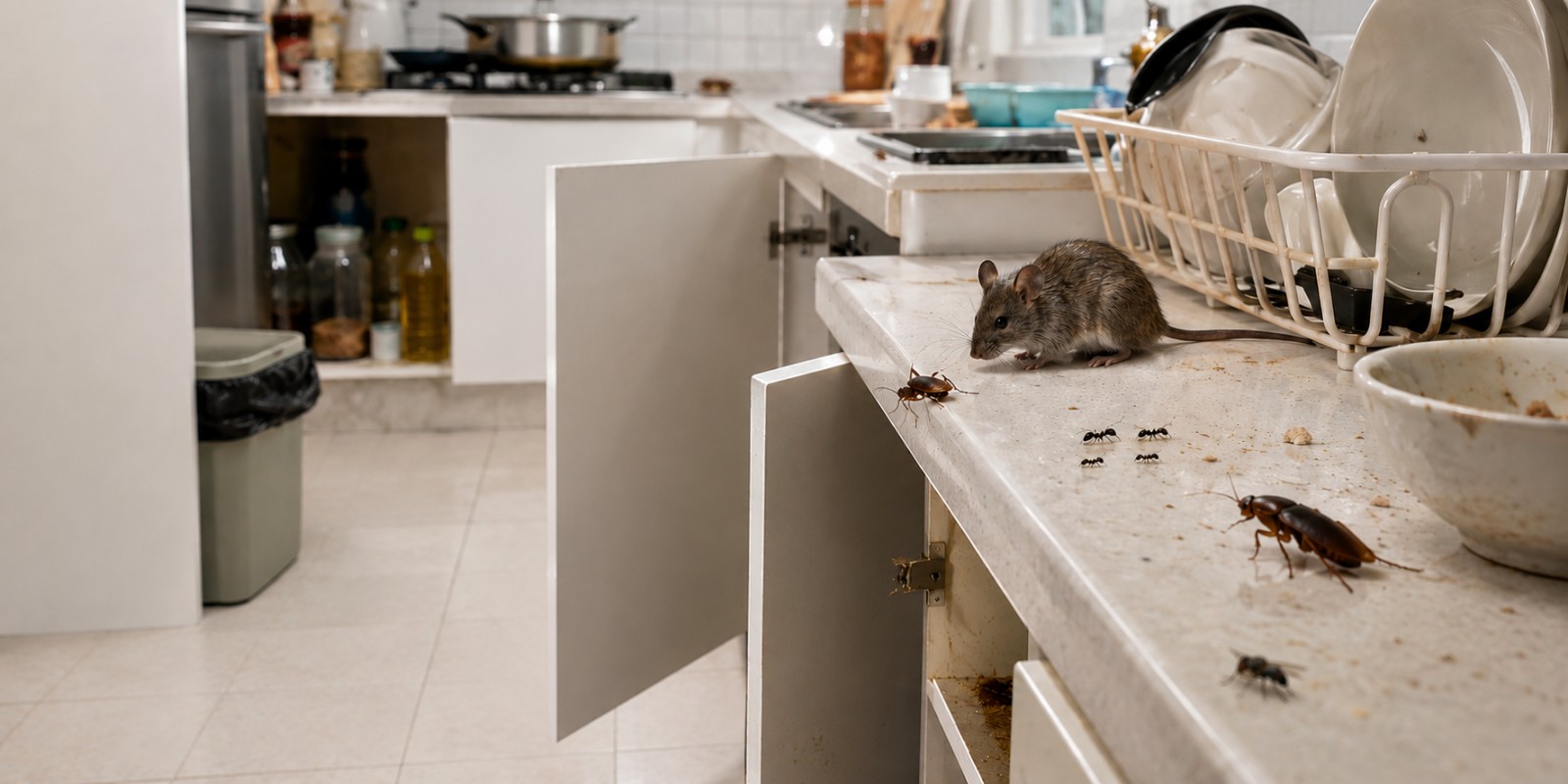
In Malaysia, warm temperatures, humidity, food availability and dense built environments can create suitable conditions for pests such as cockroaches, ants, rats and flies. General pest control treatment can therefore be both reactive and preventive.
Understanding what a service includes helps property owners know what to expect and why inspection, follow-up and prevention can be just as important as the initial treatment.
What General Pest Control Services Cover
General pest control services cover the identification, management, and prevention of common pests affecting occupied properties. They are designed to address both existing activity and the conditions that may contribute to future infestations.
Service coverage varies between pest-control providers.
Common household and commercial pests may include cockroaches, ants, flies and rodents. Certain pests, particularly termites, may require specialised treatment programmes because their biology and the methods used to control them differ significantly.
A typical general service may involve several components:
- Inspection and pest identification.
- Assessment of infestation severity.
- Selection of suitable treatment methods.
- Treatment of relevant harbourage or activity areas.
- Monitoring and follow-up where required.
- Preventive recommendations.
The objective is not necessarily to apply pesticides throughout the entire property.
Professional pest management should focus treatment on areas where evidence indicates it is necessary while also addressing sanitation, structural or environmental factors that support the infestation.
Inspection and Pest Identification

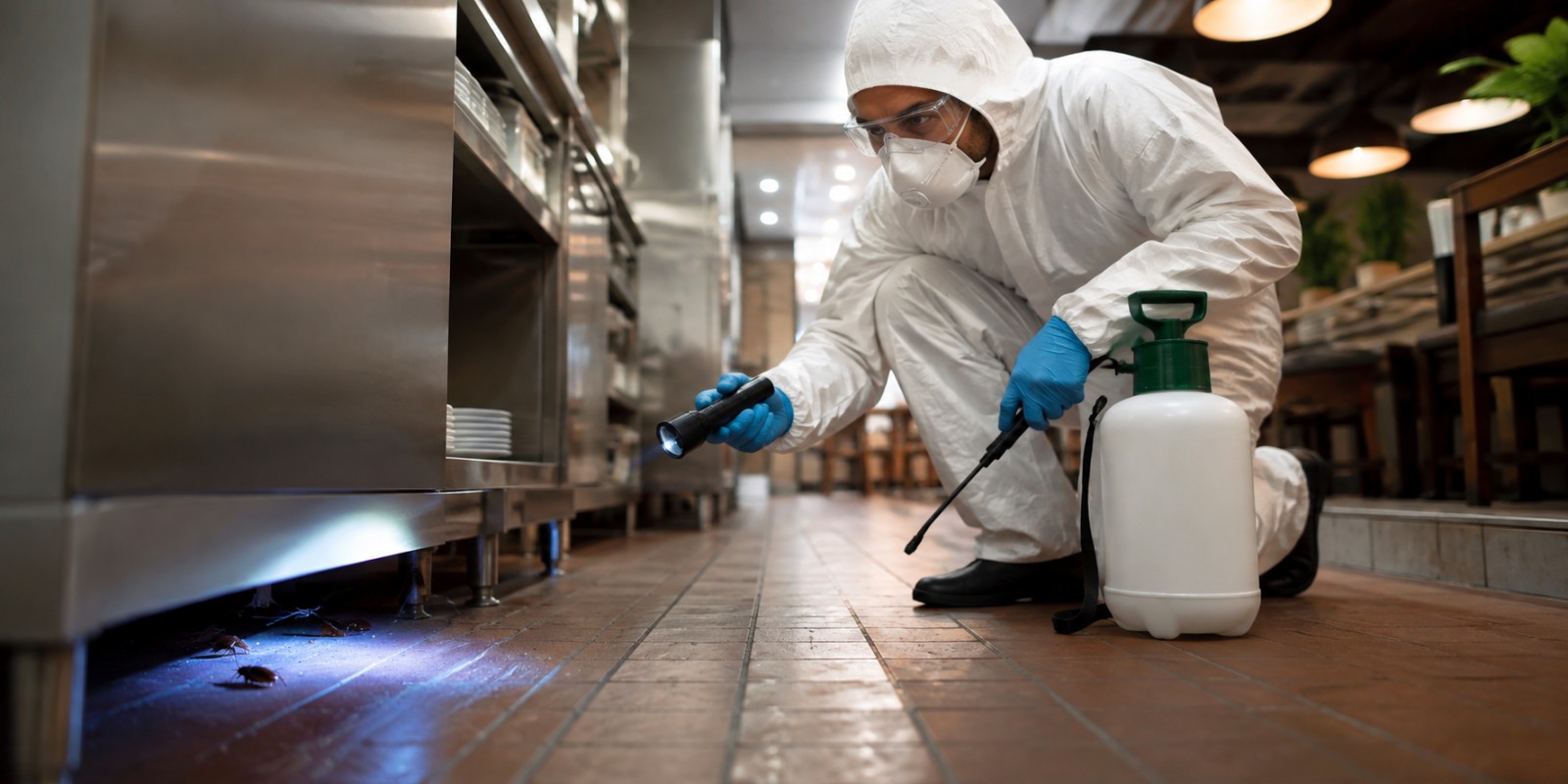
Pest inspection is the process of examining a property for evidence of pests, harbourage, entry routes and environmental conditions that may be supporting activity. It provides the information needed to select an appropriate treatment.
Correct pest identification is particularly important.
Different pests may leave similar signs but require very different control methods.
For example, cockroach droppings and rodent droppings require different interpretation and treatment. Even among cockroaches, German and American cockroaches can have different harbourage patterns.
An inspection may examine locations such as kitchens, bathrooms, storerooms, drains, ceilings, waste areas and the exterior of the building.
Technicians may look for evidence including:
- Live or dead pests.
- Droppings.
- Egg cases or shed skins.
- Gnaw marks.
- Nests and harbourage.
- Structural gaps and access points.
The findings help determine whether activity is isolated or part of a wider infestation.
Without inspection, pest extermination services risk focusing only on the location where a pest happened to be seen rather than the actual source.
Assessing the Level of Infestation
Infestation assessment determines how widespread pest activity appears to be and whether breeding or repeated entry is occurring. The severity of the problem influences treatment and follow-up requirements.
One pest sighting does not always indicate a substantial infestation.
A large cockroach may occasionally enter through a drain, while a rat may enter through an open access point without an established indoor population.
Repeated evidence changes the assessment.
Cockroach nymphs, egg cases and widespread droppings may indicate breeding. Multiple rodent droppings, gnaw marks and movement sounds can suggest established activity.
Technicians may also consider how many areas of the property are affected.
An infestation limited to one location may require a different approach from pest activity occurring across kitchens, storage areas and utility spaces.
Assessing severity allows treatment to be proportionate to the actual problem.
Treatment Methods
General pest control treatment can use chemical, physical and behavioural methods depending on the pest and environment. The appropriate method should be selected after identification and inspection.
Chemical treatments may include suitable insecticides applied to specific pest harbourage or movement areas.
Baiting is another common method.
Cockroach gel bait, ant bait and rodent bait work differently but share the principle of placing treatment where the target pest is likely to encounter it.
Physical control may include traps.
Rodent traps, for example, can form part of a wider management programme when positioned according to identified activity.
Treatment should not be understood as simply applying the strongest available pesticide.
The method needs to match the pest.
A baiting strategy suitable for cockroaches would not address a structural termite infestation, while spraying visible ants may not reach the colony responsible for continuing activity.
Professional pest management therefore combines product selection with knowledge of pest behaviour.
Common Pests Included
General pest control services commonly address frequently encountered pests such as cockroaches, ants, rodents and flies. Exact coverage should always be confirmed with the pest-control provider.
Cockroaches
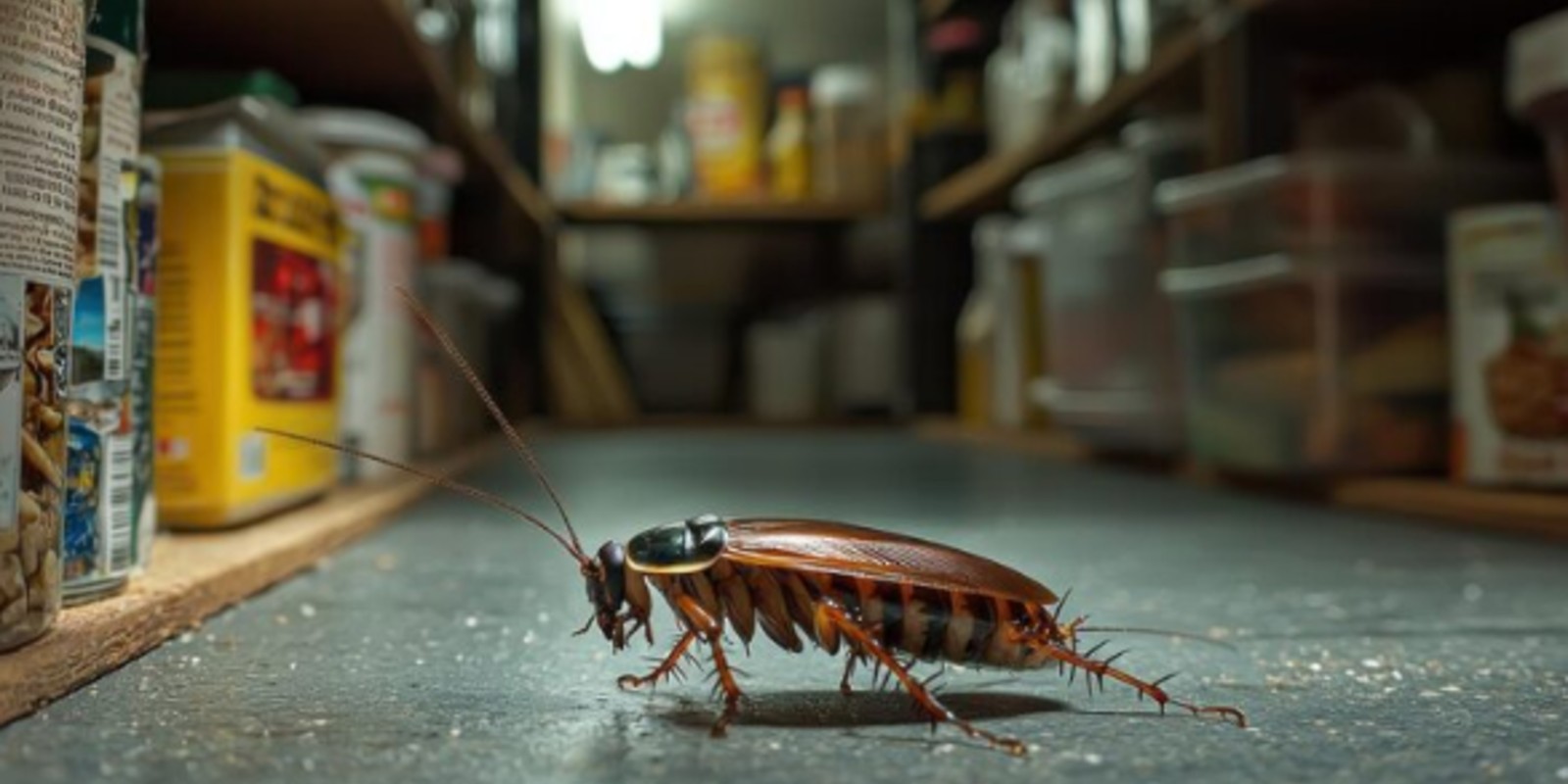
Cockroach control can involve inspection, gel baiting, monitoring, targeted insecticide treatment and sanitation recommendations.
Treatment varies according to the cockroach species and harbourage.
Ants
Ant control focuses on identifying trails, food sources and potential nesting locations.
Baiting or other targeted treatment may be used depending on the species and infestation.
Rats and Other Rodents
Rodent control can include inspection, trapping, baiting, monitoring and recommendations for structural proofing.
Food and waste management are also important because they influence whether rodents continue using the property.
Flies
Fly management often requires identifying breeding material and sanitation conditions.
Treating adult flies without removing breeding sources may result in recurring activity.
Specialised pests may fall outside standard general pest-control coverage.
Termites, for example, normally require a dedicated termite-control approach because treatment can involve soil, structural or colony-management methods.
Follow-Up and Monitoring
Follow-up and monitoring determine whether pest activity is declining after treatment and whether additional action is required. Some infestations cannot be accurately assessed from a single treatment visit.
Pests have different breeding cycles.
Cockroach egg cases may produce nymphs after visible adults have declined. Rodent activity may continue when several animals or multiple entry routes are present.
Monitoring provides evidence.
Sticky traps may help track cockroach activity, while rodent monitoring points can show whether animals remain active in particular locations.
Follow-up can also reveal changes in the infestation.
If pest activity continues in one specific area, additional harbourage or an unresolved entry point may require investigation.
A reduction in sightings alone is useful but should not always be the only measure of success.
Droppings, trap activity, damage and other evidence can provide a more complete picture.
Preventive Measures
Preventive pest services aim to make a property less suitable for pests before another infestation becomes established. Prevention usually focuses on food, water, harbourage and access.
Food should be stored appropriately.
Crumbs, grease and other residues should not be allowed to accumulate in concealed areas.
Waste also requires consistent management.
Moisture is another important factor.
Leaks beneath sinks, standing water and persistently damp areas can support cockroaches and other pests.
Structural maintenance can reduce entry opportunities.
Potential access points around pipes, doors, drains and utility penetrations may require attention when inspection identifies them as pest routes.
Preventive measures support treatment because eliminating pests without changing the conditions that attracted or supported them can result in recurring activity.
Residential Pest Control Services
Residential pest control focuses on common pest problems within homes while considering the way occupants use kitchens, bathrooms, bedrooms, storage spaces and outdoor areas.
Household infestations often begin around resources.
Cockroaches may establish themselves around kitchens, while ants can enter while searching for food.
Rodents may use ceilings, storage spaces or kitchen areas depending on access.
Residential treatment should consider occupants, pets and food preparation when determining how and where pest-control products are used.
Homeowners also play an important role after treatment.
Cleaning, food storage, moisture control and reporting new pest evidence can help prevent recurrence.
A professional service can address active pest populations, but long-term prevention requires maintaining conditions that make the home less attractive and accessible to pests.
Commercial Pest Control Services
Commercial pest control addresses pest risks within businesses where operations, stock, customers, food, waste and deliveries may create changing conditions. The service is usually adapted to the type of business.
Restaurants and food premises may require greater attention to kitchens, drains, waste areas and storage.
Warehouses may require monitoring around loading areas, stock and incoming goods.
Offices can still experience pest activity around pantries, rubbish areas and utility spaces.
Commercial pest management may also include structured documentation of inspections, treatments and pest findings.
Records can help identify recurring patterns.
For example, repeated rodent evidence near the same loading bay may indicate a structural access problem requiring building maintenance rather than simply additional trapping.
Commercial pest control therefore often involves cooperation between pest-control technicians, management, cleaners and maintenance personnel.
Residential vs Commercial General Pest Control
Residential and commercial pest services use many of the same basic principles, but the scale, frequency and operational requirements can differ.
The main distinctions include:
| Factor | Residential Service | Commercial Service |
|---|---|---|
| Environment | Homes and residential properties | Business and operational premises |
| Pest pressure | Depends on household conditions | May be influenced by deliveries, stock and customers |
| Monitoring | Based on household risk | Often more structured |
| Documentation | Usually limited | May require detailed records |
| Treatment planning | Based around residents | Must consider business operations |
| Prevention | Household sanitation and proofing | Coordinated operational pest management |
Neither approach is automatically more complex.
A heavily infested residential property can require extensive treatment, while a well-maintained commercial site may focus mainly on preventive monitoring.
The service should reflect actual pest risk rather than property category alone.
What to Expect From a Service Visit

A professional pest-control service visit should normally involve assessment before treatment, followed by explanation of the findings and any relevant preparation or preventive recommendations.
The process may begin with questions about recent pest activity.
Property occupants can help by explaining where pests were seen, when sightings occurred and whether previous treatment has been attempted.
The technician can then inspect relevant areas.
Once the pest and likely source are identified, an appropriate treatment can be selected.
Depending on the problem, the visit may involve baiting, trapping, targeted insecticide treatment or other methods.
The technician may also identify conditions requiring attention, such as food residue, moisture or structural openings.
After treatment, occupants should follow any preparation, cleaning or monitoring instructions provided.
Established infestations may require follow-up rather than assuming one visit will resolve every stage of pest activity.
Why Pest Control May Require More Than One Visit
Some pest infestations require more than one visit because hidden populations, breeding cycles and unresolved environmental conditions can continue producing activity after initial treatment.
Cockroach infestations are a good example.
Egg cases and concealed nymphs may remain even after many adults have been controlled.
Rodent problems can also require monitoring over time.
Capturing or removing one rat does not necessarily confirm that no others remain.
Follow-up provides an opportunity to compare current activity with the original inspection.
Treatment can then be adjusted if required.
The need for multiple visits should therefore not automatically be interpreted as treatment failure.
The relevant question is whether evidence shows the pest population is declining and whether the underlying sources are being addressed.
The Role of Property Occupants
Property occupants support professional pest management by maintaining sanitation, reporting activity and addressing maintenance conditions identified during inspection. Pest control is more effective when treatment and property management work together.
Residents and employees often notice pest evidence between professional visits.
Recording where activity occurs can help technicians identify patterns.
Occupants can also reduce resources available to pests.
Food management, waste handling and cleaning should continue after treatment.
Maintenance recommendations should not be overlooked.
If rodents repeatedly enter through a damaged doorway, trapping alone will not permanently remove the access route.
Similarly, cockroach treatment can be undermined by persistent leaks or food residue.
Professional pest services control pests, while occupants help maintain an environment that is less supportive of recurrence.
Frequently Asked Questions (FAQs)
What is included in general pest control services?
General pest control services typically include inspection, pest identification, treatment, monitoring and preventive recommendations. Exact coverage depends on the provider and pest involved.
Which pests are usually covered?
Common pests may include cockroaches, ants, flies and rodents. Specialist pests such as termites may require separate treatment programmes.
Does general pest control include an inspection?
Inspection is an important part of professional pest management because it identifies the pest, harbourage and factors supporting the infestation. The exact inspection scope depends on the service.
Is one pest-control visit enough?
It may be sufficient for some limited pest problems, but established infestations can require follow-up. Breeding cycles, hidden harbourage and recurring entry can influence the number of visits required.
Do pest-control services only use chemicals?
No. Pest management can include baiting, trapping, monitoring, exclusion, sanitation recommendations and targeted chemical treatment where appropriate.
Can pest control prevent future infestations?
Preventive measures can reduce the likelihood of infestation but cannot guarantee that pests will never enter. Monitoring, sanitation and structural maintenance remain important.
Should businesses use different pest-control services from homes?
The same basic pest-management principles apply, but commercial services may require more structured monitoring, documentation and coordination with business operations.
Understanding Pest Control as a Complete Service
General pest control services involve considerably more than applying treatment to visible pests. Inspection identifies what pest is present and where it is active, while appropriate treatment addresses the infestation according to its behaviour and location.
Monitoring then helps determine whether pest activity is declining.
Preventive measures address food, moisture, waste, harbourage and structural access that could contribute to another infestation.
Residential and commercial properties may require different service structures, but the underlying principles remain similar: identify the pest, control the active population, reduce supporting conditions and monitor for recurrence.
Viewing pest control as this complete process helps property owners understand why professional pest management may involve inspection, treatment and prevention rather than a single application.
Arrange the Right Pest Control Service for Your Property
When pest activity is recurring, or the source is difficult to identify, an inspection can help determine which pests are present and what type of treatment is appropriate. Homeowners and businesses can book an appointment with ZB I Tech Sdn Bhd to assess the property and determine a suitable general pest control approach.