Skip to content
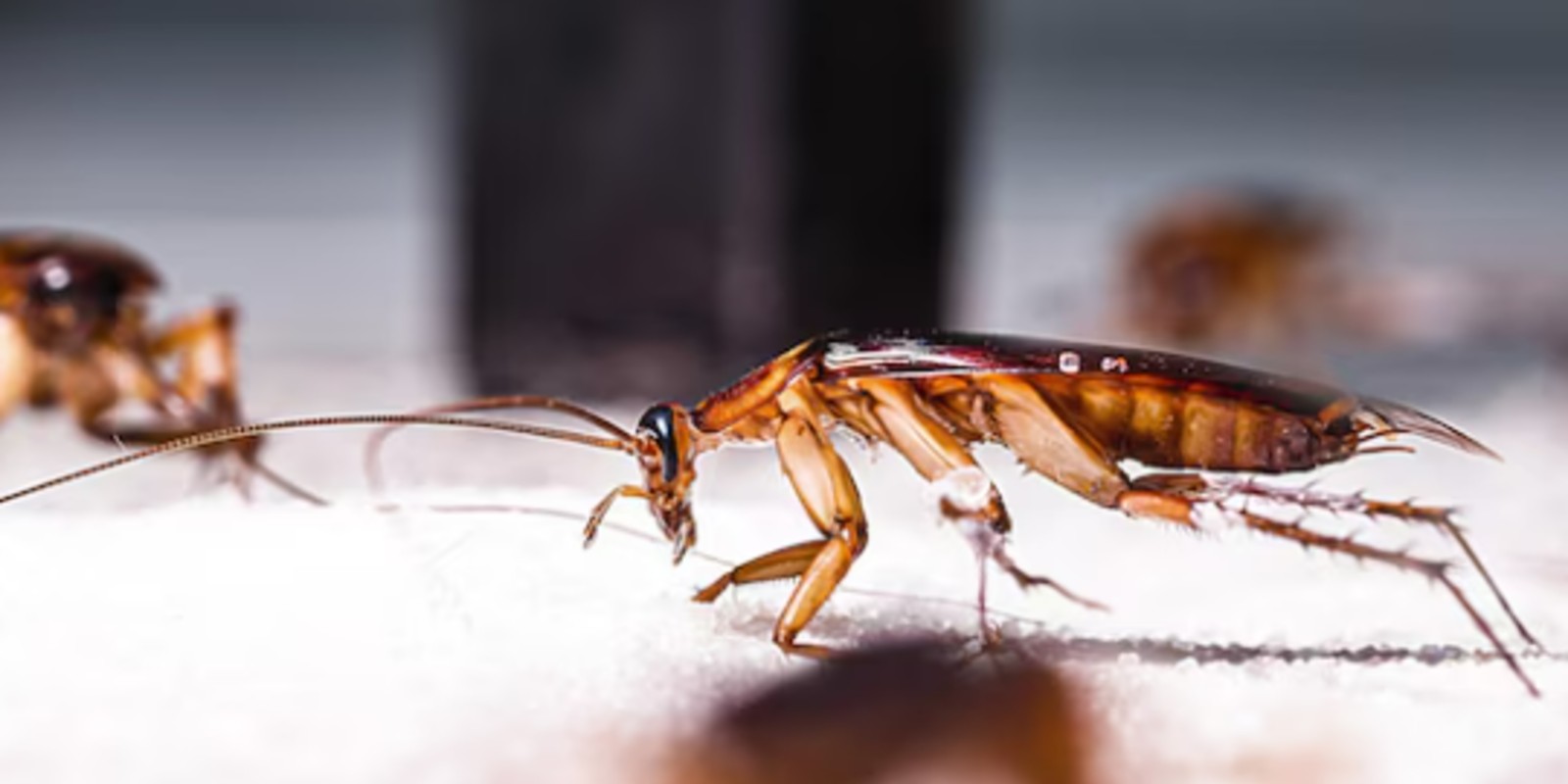
The best cockroach treatment depends on the cockroach species, infestation level, harbourage location and conditions within the property. Effective control usually combines targeted treatment methods such as cockroach gel bait or appropriate insecticide applications with monitoring, sanitation, moisture management and exclusion.
There is no single treatment method that is suitable for every cockroach infestation. A small population of German cockroaches breeding around kitchen equipment requires a different approach from larger cockroaches repeatedly entering through drains or utility areas.
This is why cockroach treatment should begin with identification and inspection rather than immediately applying a product. For homeowners and businesses in Malaysia,understanding where cockroaches are hiding, feeding, breeding and entering allows treatment to focus on the actual source of activity.
How Cockroach Treatment Works
Cockroach treatment works by reducing or eliminating the active population while limiting the resources and harbourage that support continued infestation. Different cockroach treatment methods achieve this in different ways.
Some treatments require cockroaches to consume bait. Others depend on contact with an insecticide-treated area.
Traps may capture individual cockroaches while also providing information about where activity is concentrated. Environmental measures are also necessary such as cleaning food sources, moisture control to prevent access to water, and closing structural openings to limit movement.
An effective solution involves several complementary actions:
- Identifying the cockroach species.
- Locating harbourage and movement routes.
- Applying appropriate targeted treatment.
- Reducing food, moisture and shelter.
- Monitoring activity after treatment.
- Adjusting the strategy if cockroaches remain.
Why Cockroach Identification Matters Before Treatment
Cockroach identification matters because different species can occupy different environments and require treatment to be concentrated in different locations. Treating the wrong area can reduce visible activity without resolving the source.
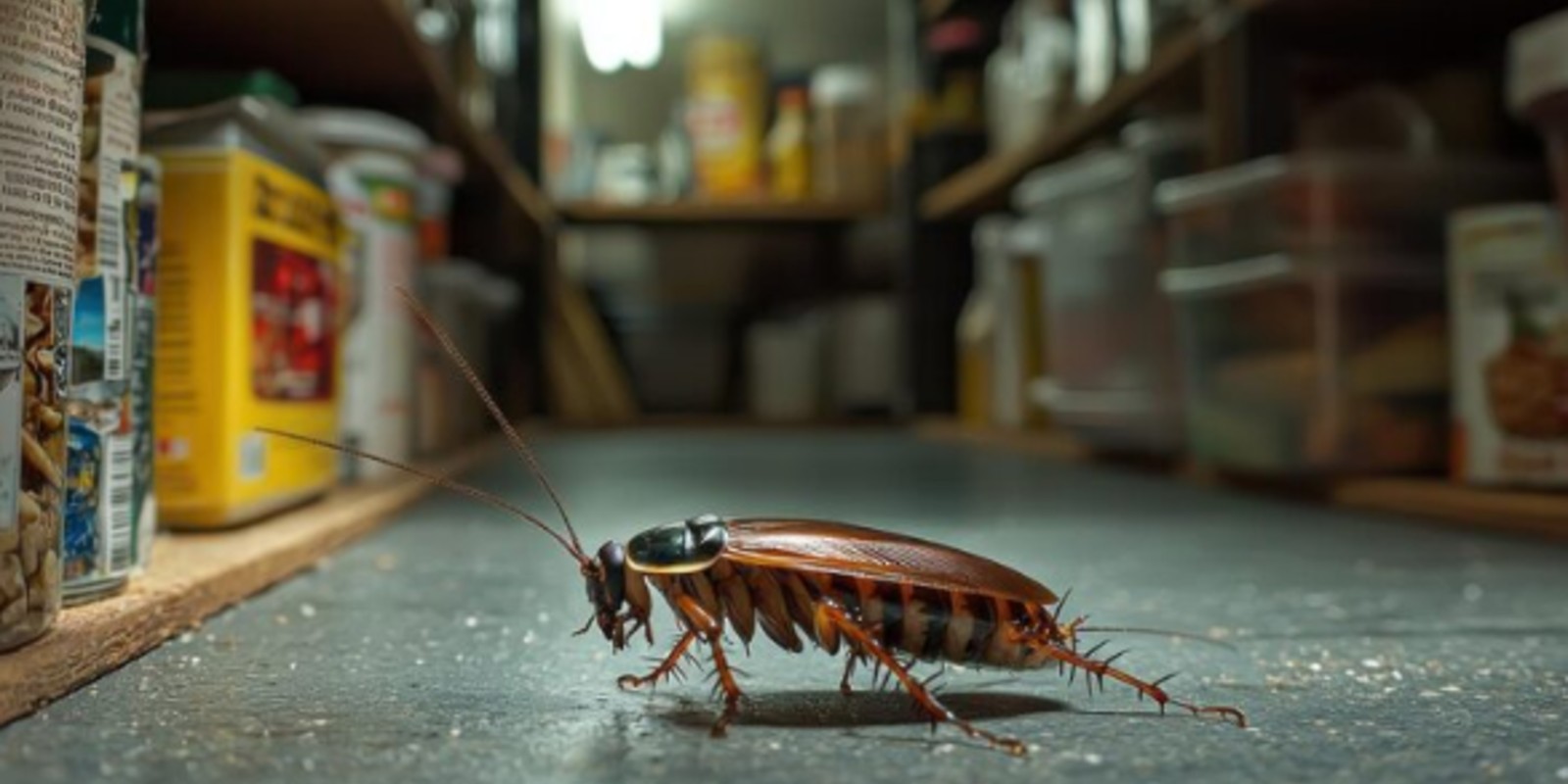
German cockroaches are small and commonly establish indoor breeding populations close to food, warmth and moisture. Kitchens, cabinets and equipment areas can provide suitable harbourage.
American cockroaches are considerably larger and are often associated with drains, utility spaces and other warm, damp environments.
This distinction influences treatment, for example, a German cockroach infestation may require detailed bait placement around concealed indoor harbourage. While larger cockroaches appearing around drains may require investigation of drainage and structural access alongside direct treatment.
Correct identification therefore makes cockroach extermination more targeted.
Gel Baits
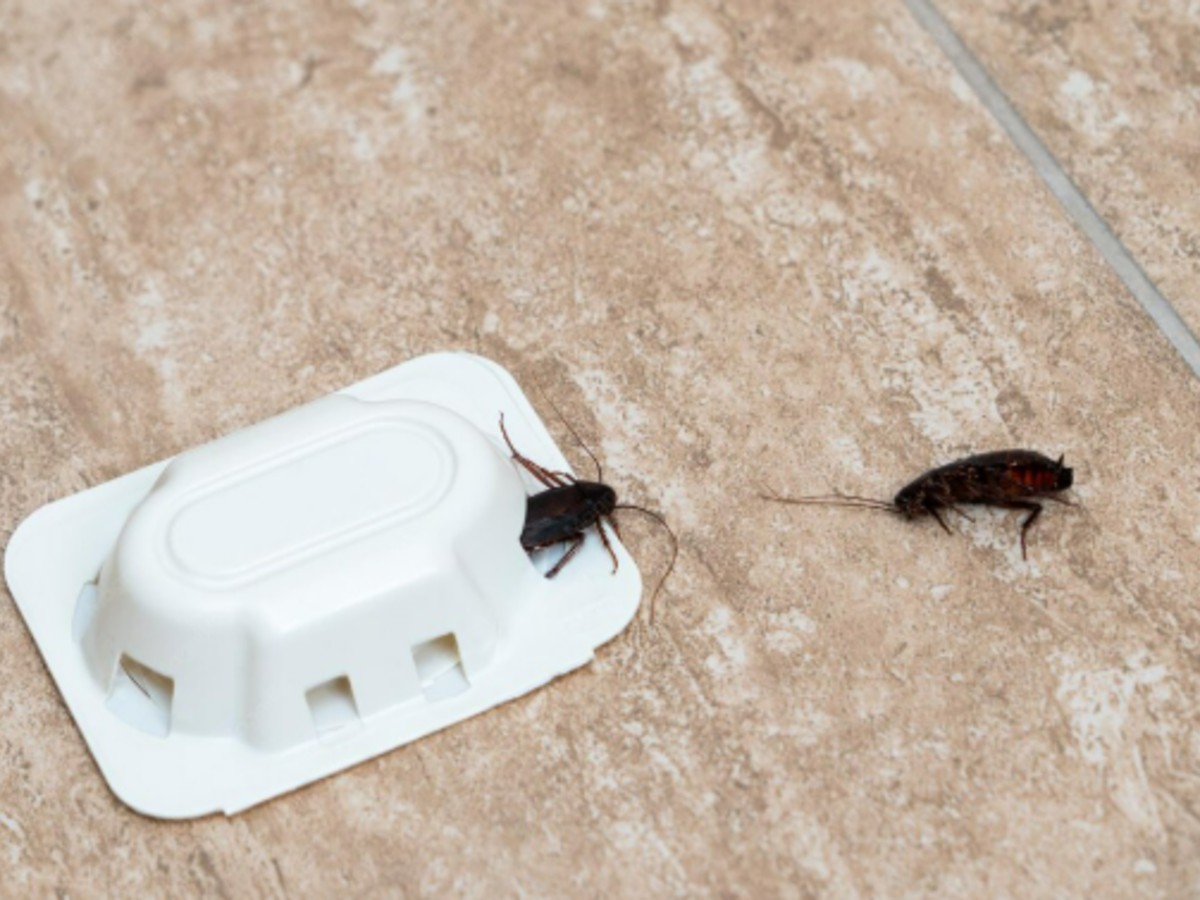
Cockroach gel bait is a targeted treatment designed to attract cockroaches to consume an insecticidal bait. It can be particularly useful when placed around active harbourage and movement areas.
Gel is typically applied in small placements rather than spread broadly across surfaces. The placement is important since bait positioned far from cockroach activity may receive little feeding, while correctly located bait can place the treatment close to where cockroaches naturally move.
Suitable areas may include cracks, cabinet spaces, appliance surroundings and other protected locations, depending on the infestation.
Food competition should also be considered. When crumbs, grease and other food remain readily available, cockroaches have more alternative feeding opportunities. Sanitation therefore supports bait-based treatment.
Gel bait should always be applied according to product requirements and in appropriate locations. Professional treatment can help determine where bait placement is most likely to correspond with active harbourage.
How Cockroach Gel Bait Supports Population Control
Cockroach gel bait supports population control by targeting feeding behaviour rather than relying entirely on direct contact with visible insects. This can make it useful for cockroaches that spend much of their time concealed.
The method does not mean that every cockroach will disappear immediately. Cockroaches need to encounter and feed on the bait, and different life stages may remain present during the treatment period.
Egg cases can also contribute to later activity. New nymphs may emerge even after adult numbers begin declining. This is why monitoring remains important.
If activity persists in one area, bait placement or other treatment measures may need reassessment. Gel bait is best viewed as one component of a control programme rather than a substitute for inspection, cleaning and prevention.
Insecticide Applications
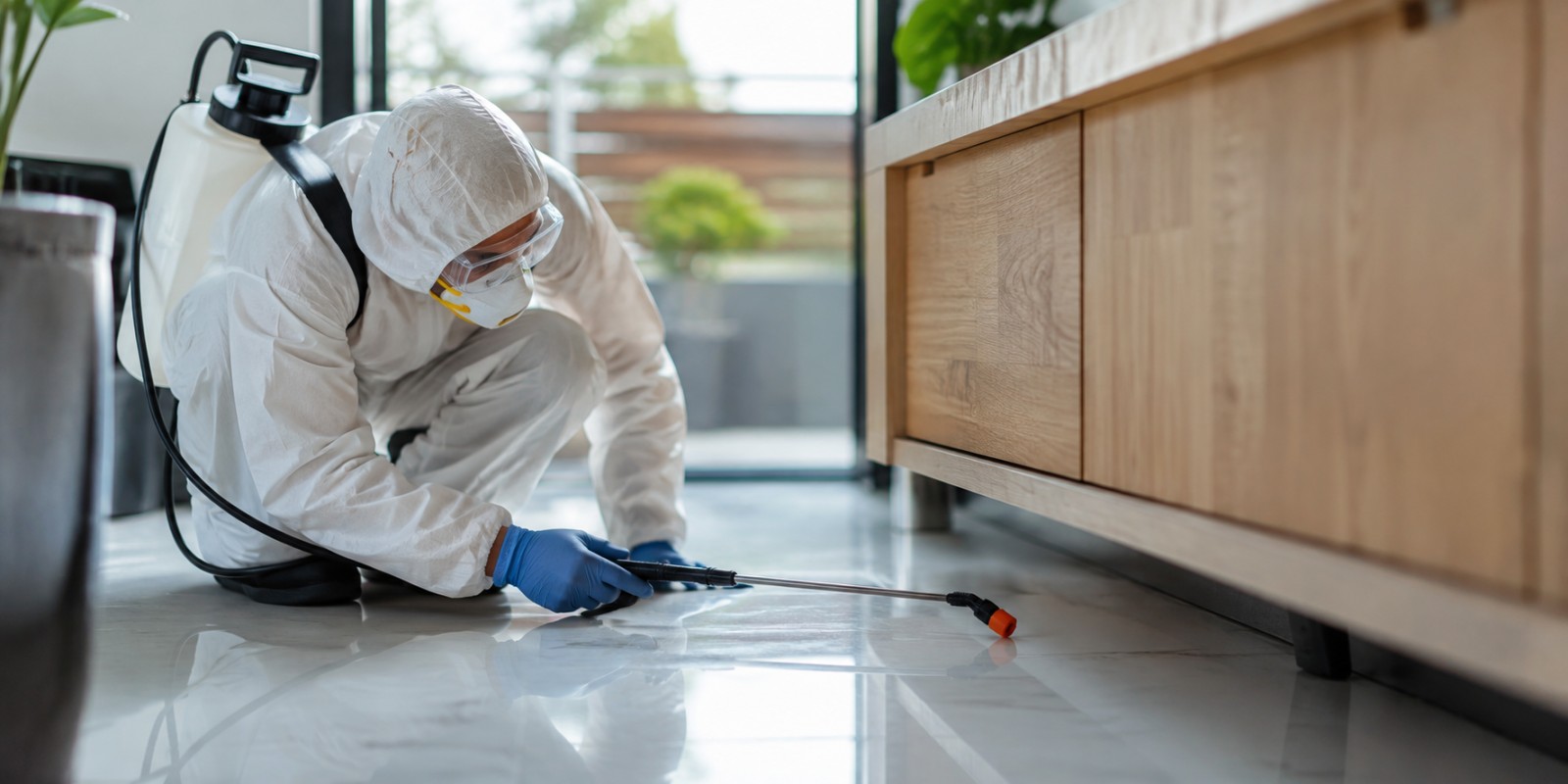
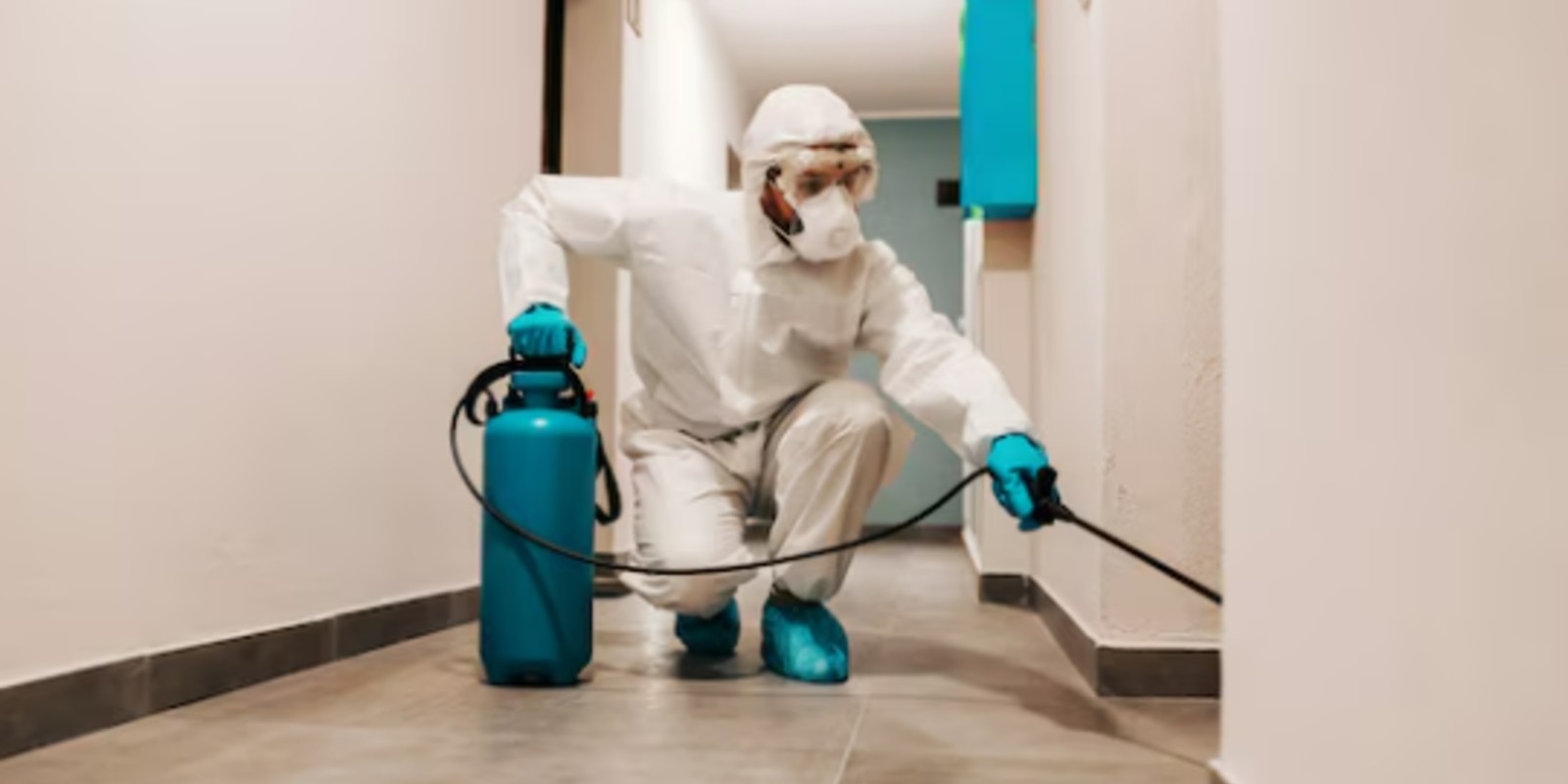
Cockroach insecticide applications can be used to control insects in identified harbourage or movement areas. The specific application method depends on the property, species and treatment strategy.
Some insecticides are intended for direct contact, while others can provide residual activity on appropriately treated surfaces. Professional applications should focus on relevant areas rather than treating every accessible surface indiscriminately.
The effectiveness of an insecticide depends partly on whether cockroaches actually encounter it. A treatment applied to open floor areas may have limited impact if most of the infestation remains concealed around cabinets or equipment.
Insecticides should also be used according to their labels and applicable safety requirements. More chemicals does not automatically mean better cockroach control.
Correct product selection, placement and integration with other measures are more important than simply increasing application.
Why Surface Spraying Alone Can Be Limited
Surface spraying alone can be limited because cockroaches often spend most of their time inside protected harbourage. Killing insects that cross an exposed area does not necessarily reach the main population.
Egg cases can also remain. If developing cockroaches survive the initial treatment, nymphs may later emerge and create the appearance that the infestation has returned.
Repeated spraying without investigation can therefore produce a cycle of temporary reduction followed by renewed sightings. Another concern is treatment compatibility.
Using different pest-control products without understanding how they interact may interfere with the intended strategy. Certain applications near bait placements, for example, may reduce the effectiveness of a baiting programme.
Persistent activity after spraying should therefore lead to reassessment rather than automatically applying more product.
Bait Stations and Monitoring
Bait stations and monitoring devices serve different but complementary roles in cockroach management. Bait stations provide contained insecticidal bait, while monitoring devices help identify where cockroaches are active.
Enclosed bait stations may be appropriate in selected locations depending on the infestation and environment. Placement should reflect cockroach movement rather than convenience alone.
Monitoring devices, such as suitable sticky traps, provide information rather than simply acting as the main treatment. The number and location of captured cockroaches can reveal activity patterns.
For example, several monitoring devices might be placed around a kitchen. If one location consistently captures substantially more cockroaches, that area may be closer to active harbourage.
Monitoring can also show whether treatment is working. Declining captures over time can support other evidence that the population is reducing.
Sanitation and Exclusion
Sanitation and exclusion are essential supporting components of cockroach treatment because they reduce the food, water, shelter and access that allow infestations to persist.
Sanitation should extend beyond visible cleaning. Cockroaches can survive on food residues that accumulate beneath equipment, inside cabinet gaps and around waste areas.
Important sanitation measures include:
- Cleaning grease and food residues.
- Storing food appropriately.
- Managing rubbish consistently.
- Removing unnecessary cardboard.
- Cleaning difficult-to-access food areas.
- Addressing persistent moisture.
Exclusion focuses on cockroach movement. Gaps around pipes, service penetrations and other openings may provide access between different parts of a building.
Drainage-related routes may also require attention depending on the cockroach species. These measures do not directly replace treatment for an established infestation, but they make the environment less supportive of continued activity.
Moisture Management as Part of Treatment
Moisture management helps reduce one of the resources cockroaches require for survival. Kitchens, bathrooms, drains and utility areas can provide water even when the rest of the property is well maintained.
Leaks beneath sinks should be repaired where practical. Persistent condensation and standing water should also be investigated.
Drains deserve particular attention when larger cockroach species repeatedly appear nearby. Moisture management should be combined with inspection rather than assuming every damp area is the infestation source.
A small plumbing leak may support German cockroaches close to kitchen harbourage, while repeated activity around a floor drain may indicate a different route. Reducing unnecessary moisture makes these environments less favourable while supporting other treatment methods.
Integrated Cockroach Management
Integrated cockroach management combines multiple compatible control methods instead of relying on a single treatment. The objective is to address the existing population while changing the environmental conditions that support it.
An integrated solution may combine gel baiting, targeted insecticide treatment, monitoring, sanitation and exclusion. The exact combination depends on the evidence found during inspection. This approach is useful because cockroach infestations rarely involve only one problem.
A kitchen may contain active harbourage behind equipment, food residues beneath appliances and gaps around plumbing. Treating only one factor leaves the others available. Integrated management also provides a framework for follow-up.
Monitoring can determine whether the population is declining and whether the treatment strategy needs adjustment. This evidence-based process is generally more useful than repeatedly applying the same product whenever another cockroach appears.
Comparing Cockroach Treatment Methods
Cockroach treatment methods have different purposes, which means they should be compared according to the infestation rather than treated as interchangeable solutions.
| Method | Primary Purpose | Main Consideration |
|---|---|---|
| Gel bait | Target feeding cockroaches | Requires suitable placement |
| Bait stations | Contained bait delivery | Must be placed near activity |
| Insecticide application | Direct or residual control | Must target relevant areas |
| Monitoring traps | Detect and track activity | Mainly supports assessment |
| Sanitation | Reduce food and harbourage | Requires ongoing maintenance |
| Exclusion | Reduce entry and movement | Depends on identifying access routes |
No method addresses every aspect of an infestation. The best cockroach control therefore often uses several methods for different purposes.
Choosing the Right Approach
Choosing the right cockroach treatment requires considering the species, location, infestation severity and whether breeding is occurring within the property. Treatment should respond to evidence rather than simply the latest sighting.
For limited activity, basic sanitation, monitoring and targeted treatment may be sufficient. More established infestations require greater attention to hidden harbourage.
Repeated nymph sightings, egg cases and widespread droppings can indicate breeding and justify a more structured approach.
The property type also matters. Residential kitchens, restaurants, warehouses and commercial food premises have different operational conditions. Restaurants, for example, may require treatment to be coordinated with food handling, cleaning and operating schedules.
The right approach is therefore the one that addresses the specific infestation safely and systematically.
When Professional Cockroach Treatment Is Appropriate
Professional cockroach treatment is appropriate when the infestation is recurring, widespread, difficult to locate or showing evidence of active breeding. It can also be important in commercial environments where pest activity affects food handling or operations.
Professional assessment can identify the cockroach species and determine where harbourage is concentrated. Treatment can then be selected for those conditions.
Professional assistance should be considered when:
- DIY treatments repeatedly fail.
- Cockroaches appear across several rooms.
- Nymphs and adults are regularly seen.
- Egg cases or widespread droppings are present.
- Activity appears connected to drains or concealed services.
- A restaurant or food-handling facility is affected.
Professional cockroach control still needs cooperation from property occupants. Sanitation, maintenance and waste management remain important even when treatment is carried out professionally.
Monitoring After Cockroach Treatment
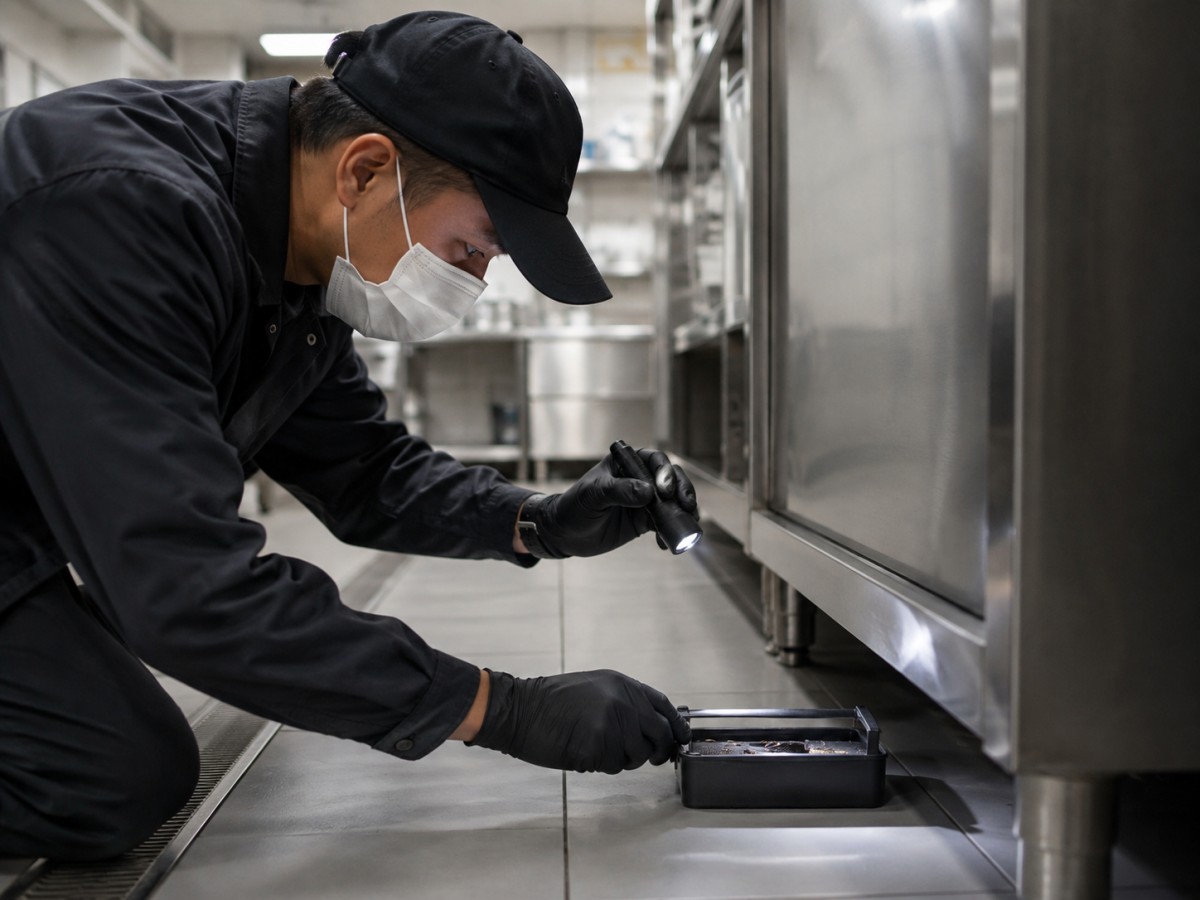
Monitoring after treatment helps determine whether cockroach numbers are actually declining. A few days without sightings do not necessarily confirm that an infestation has been eliminated.
Monitoring devices can provide useful information when placed around previously active areas. Fresh droppings, nymphs and egg cases should also be noted.
The pattern over time is more important than one isolated observation. A substantial decline in evidence can indicate that control measures are working.
Continued activity concentrated in one area may indicate untreated harbourage. Activity appearing in a new location may suggest movement or re-entry.
Monitoring therefore allows the treatment strategy to respond to what is actually happening inside the property.
Frequently Asked Questions
What is the best cockroach treatment?
The best cockroach treatment depends on the species, infestation level and harbourage. Established infestations often require a combination of targeted treatment, sanitation, monitoring and exclusion rather than one product.
Is cockroach gel bait effective?
Gel bait can be effective when appropriately selected and placed close to active cockroach harbourage. Its performance also depends on sanitation and the availability of competing food.
Is spraying better than cockroach bait?
Neither method is universally better. Sprays and baits work differently, and the appropriate choice depends on the infestation and treatment environment.
Why are cockroaches still appearing after treatment?
Hidden cockroaches, egg cases or newly emerged nymphs may remain after initial treatment. New cockroaches can also enter through unresolved structural or drainage routes.
Can cleaning eliminate a cockroach infestation?
Cleaning reduces food and harbourage but may not eliminate cockroaches already breeding in concealed locations. It should support rather than replace appropriate treatment.
How do I know if cockroach treatment is working?
Declining sightings, monitoring captures, droppings and nymph activity over time can indicate that the population is reducing. Monitoring provides a more reliable measure than immediate visual observations alone.
Do I need professional treatment for a few cockroaches?
Not every isolated cockroach requires professional treatment. Repeated sightings, breeding evidence, widespread activity or unsuccessful DIY control are stronger reasons to arrange a professional assessment.
Effective Treatment Starts With the Source
The best cockroach treatment is not determined by which product kills a visible cockroach fastest. Effective control depends on identifying the species, finding harbourage and understanding the conditions that allow the infestation to continue.
Cockroach gel bait, bait stations and insecticide applications can each play a role when used appropriately. Sanitation, moisture management and exclusion address different parts of the problem, while monitoring provides evidence of whether the overall strategy is working.
For established infestations, combining these measures can provide a more complete approach than relying on one treatment repeatedly. Cockroach control should ultimately target both the active population and its environment to reduce the chances of recurring activity.
Select a Treatment Based on the Infestation
Different cockroach species and infestation patterns require different solutions. If your home and business shows signs of infestation, book an appointment with ZB I Tech Sdn Bhd to assess the infestation and determine a suitable cockroach control strategy.