Skip to content
Restaurants are particularly vulnerable because food preparation, water, heat, deliveries and waste can create favourable conditions for cockroach activity. Cockroach control in restaurants needs to be implemented more effectively than treating visible insects to prevent being penalised for health violations.
A complete approach combines inspection, sanitation, waste management, monitoring, targeted treatment and preventive measures to reduce the food, moisture and harbourage that allow cockroaches to survive. Since even premises with established cleaning routines can develop problems when grease accumulates beneath equipment or when cockroaches enter through structural gaps.
In a restaurant, cockroach control should therefore focus on both active infestations and the operating environment. For food premises in Malaysia, a structured restaurant pest management can help identify these hidden conditions and provide a consistent approach to prevention rather than relying on emergency treatment after cockroaches become visible.
Why Restaurants Are Vulnerable to Cockroaches
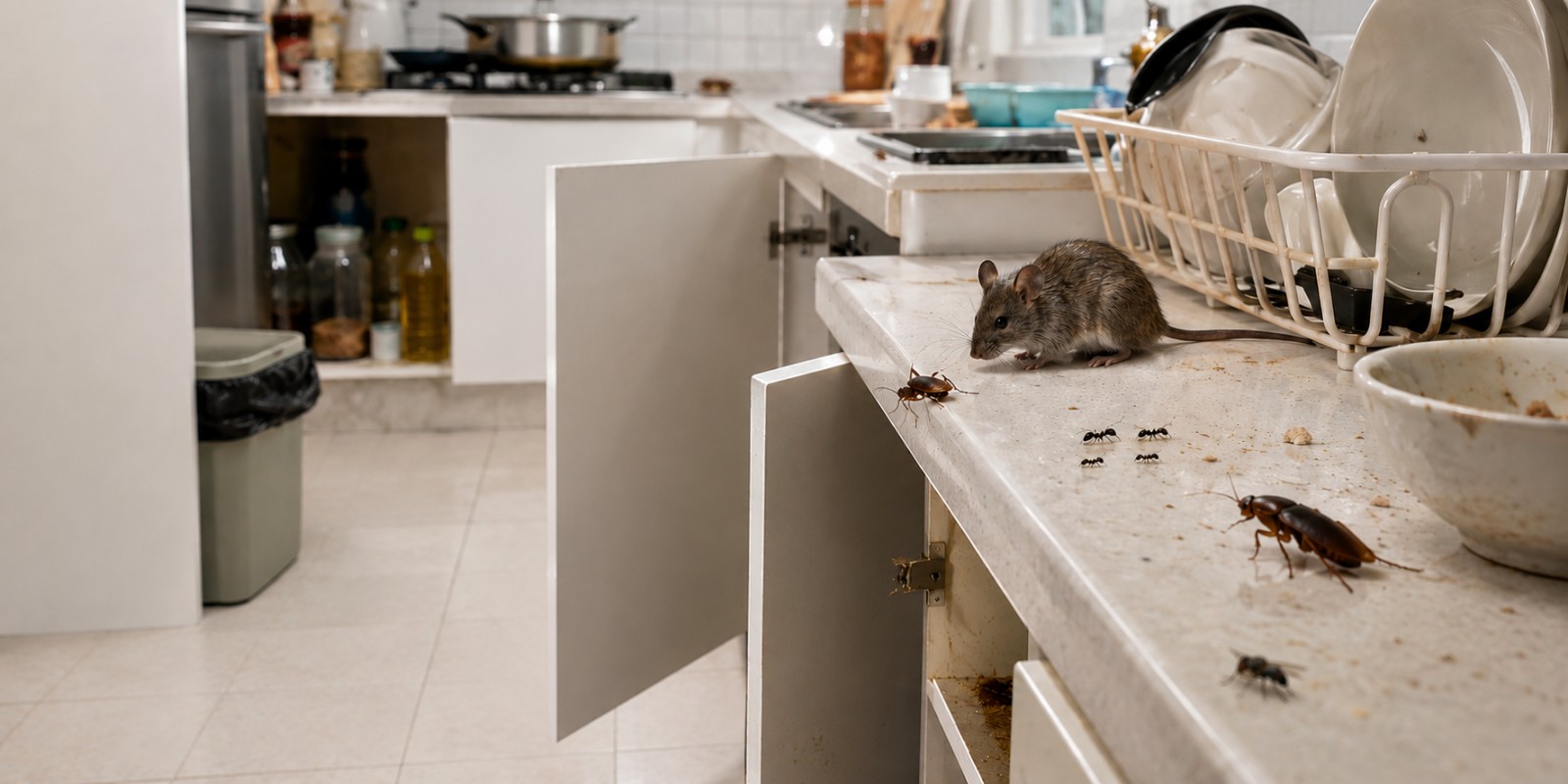
Restaurants need proper cockroach control as they provide many of the resources these pests need: food, water, warmth and protected shelter. These resources can remain available throughout the day even when visible surfaces are cleaned regularly.
Food residues can accumulate beneath cooking equipment, refrigeration units and preparation counters. Moisture can come from sinks, floor drains, leaking plumbing, condensation and wet cleaning areas.
Restaurant operations introduce additional pest risks through deliveries and waste. Cardboard boxes may provide concealed spaces, while rubbish areas can become dependable food sources when residues remain accessible.
Cockroaches do not need large amounts of exposed food to survive. Small amounts of grease, crumbs and organic material can support activity. This means effective food premises pest control must examine areas outside the normal customer view.
Common Cockroach Hiding Places

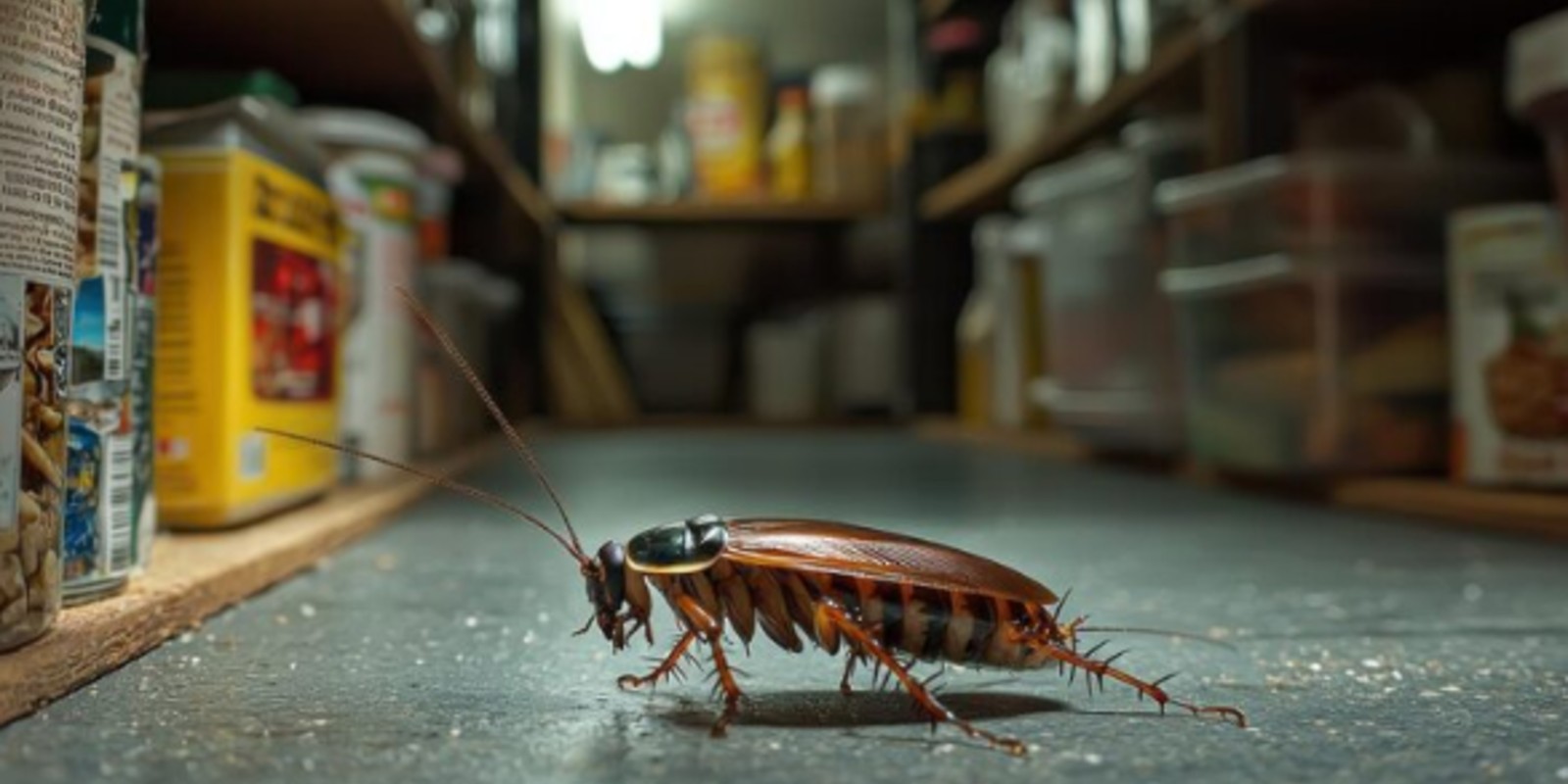
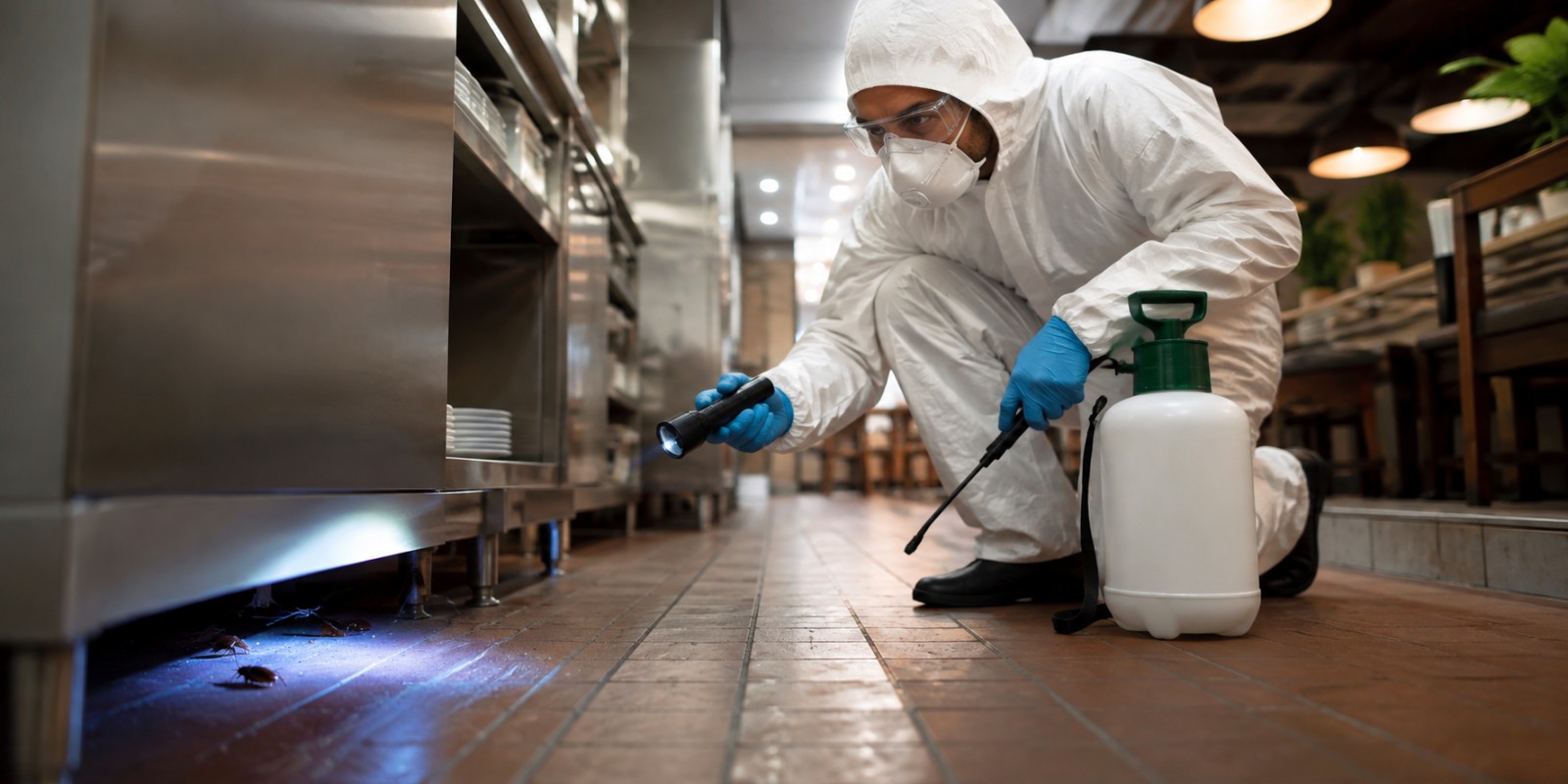
Cockroaches commonly hide in dark, protected spaces close to food, warmth and moisture. Restaurant kitchens can contain numerous harbourage points that are difficult to inspect during ordinary operations.
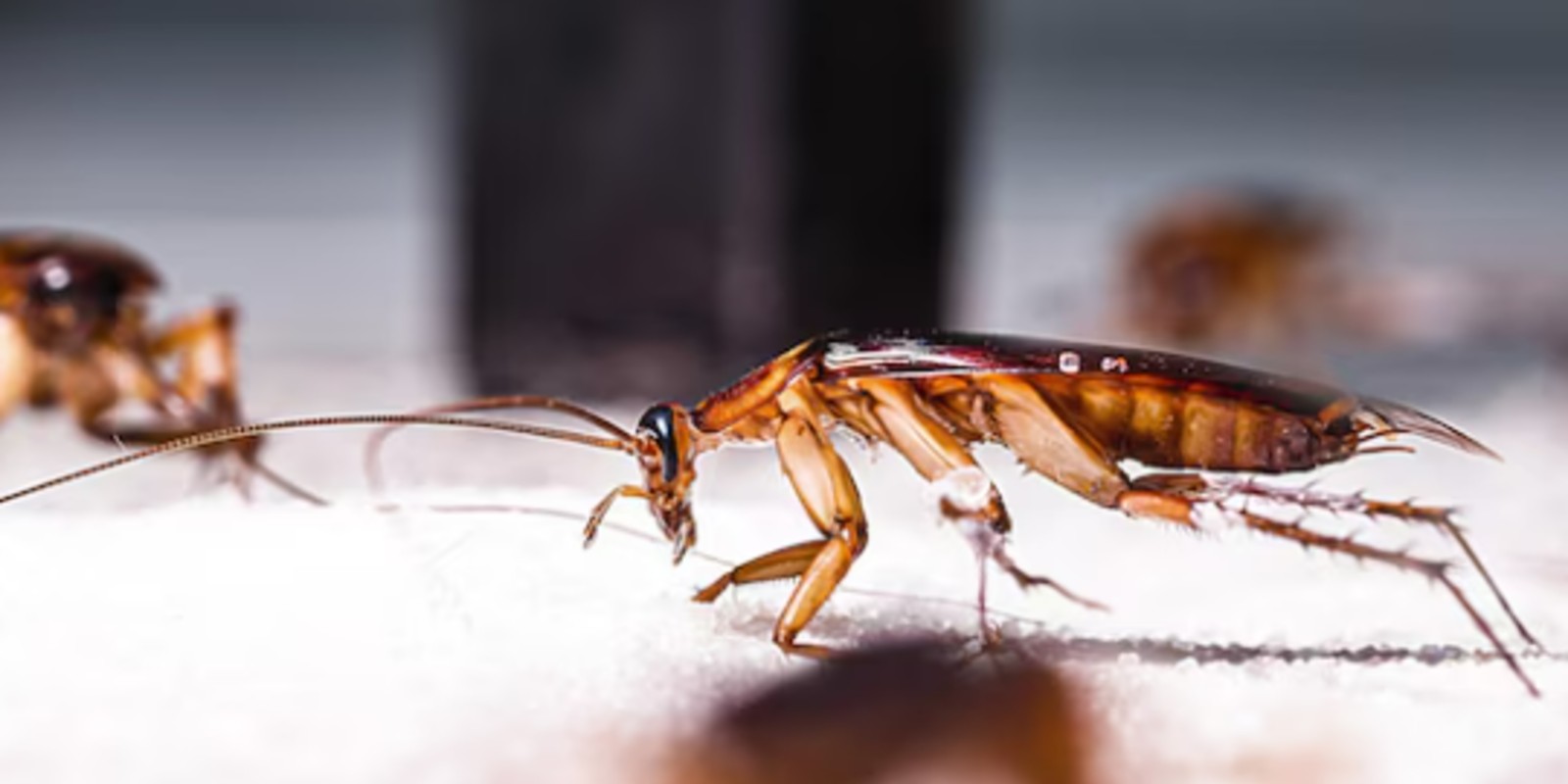
German cockroaches, for example, may establish populations around kitchen equipment and narrow structural gaps. Larger cockroach species may be more closely associated with drains, utility areas or other humid environments.
Important areas to inspect include:
- Behind refrigerators and freezers.
- Beneath cooking and preparation equipment.
- Around sinks and plumbing.
- Inside cabinet gaps and hinges.
- Around floor drains and service openings.
- Near waste and storage areas.
Inspection should also include areas where electrical or plumbing services pass through walls. Repeated sightings in the same location should therefore trigger investigation of the surrounding area rather than treatment of the visible cockroach alone.
Food Hygiene and Waste Management
Food hygiene and waste management reduce the resources that support cockroach populations. These measures are essential parts of cockroach prevention restaurant programmes, but they need to address concealed residues as well as visible cleanliness.
Routine cleaning should extend beneath and behind equipment where practical. Grease and food particles can remain in narrow areas that are not included in normal surface cleaning.
Food ingredients should also be stored appropriately to reduce access. Damaged packaging should be investigated when there is evidence of pest activity.
Waste requires consistent management because cockroaches can feed on small amounts of organic material left around bins. Restaurant staff should consider:
- Whether bins remain properly managed.
- Whether food residue accumulates beneath containers.
- How frequently rubbish is removed.
- Whether waste areas are cleaned after collection.
- Whether food remains accessible overnight.
Good hygiene makes the environment less supportive of cockroaches and can improve the effectiveness of targeted treatments.
Drains and Moisture Management
Drains and persistent moisture can contribute to cockroach activity because some species use damp environments for shelter or movement. Restaurant kitchens often contain multiple water sources that require regular attention.
Floor drains should be maintained appropriately. Repeated sightings around a particular drain can indicate that the surrounding area or connected environment requires inspection.
Plumbing should also be checked for leaks. A slow leak beneath a sink can provide a consistent source of moisture without creating an obvious puddle. Condensation around refrigeration and other equipment may create similar conditions.
Moisture management does not mean keeping a commercial kitchen completely dry, which is unrealistic. The objective is to identify unnecessary or persistent water sources that make harbourage more suitable for cockroaches.
Drainage, cleaning and maintenance teams may therefore need to work together with pest-control personnel when recurring activity is associated with wet areas.
Inspection and Monitoring
Inspection and monitoring help determine where cockroaches are active and whether the population is increasing or declining. This allows commercial cockroach control to focus on evidence rather than assumptions.
A detailed inspection should consider live cockroaches as well as indirect infestation signs. Droppings, egg cases and shed skins can reveal harbourage even when no cockroach is visible during the inspection.
Monitoring devices can also help identify movement patterns. When placed appropriately, sticky monitoring traps can indicate which sections of a kitchen or storage area have greater activity.
| Monitoring Evidence | Possible Meaning |
|---|---|
| Repeated captures near equipment | Harbourage may be nearby |
| Nymphs appearing regularly | Breeding may be occurring |
| Activity around drains | Drainage or utility source may require inspection |
| New activity in storage | Incoming goods or movement may be involved |
| Declining captures after treatment | Population may be reducing |
Monitoring should lead to corrective action when activity is identified. Simply recording cockroaches without addressing the cause does not constitute effective restaurant pest management.
Professional Treatment Methods
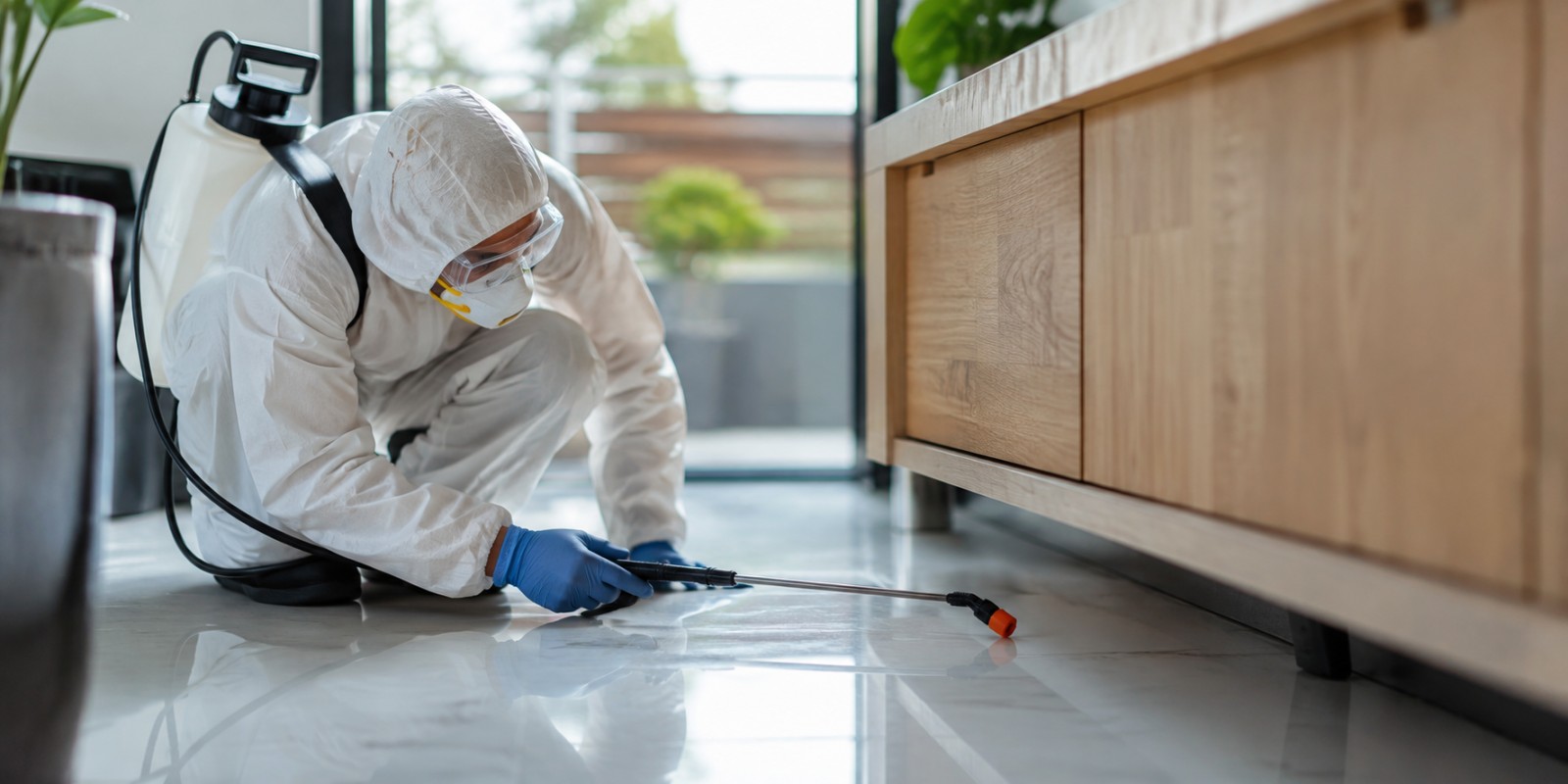
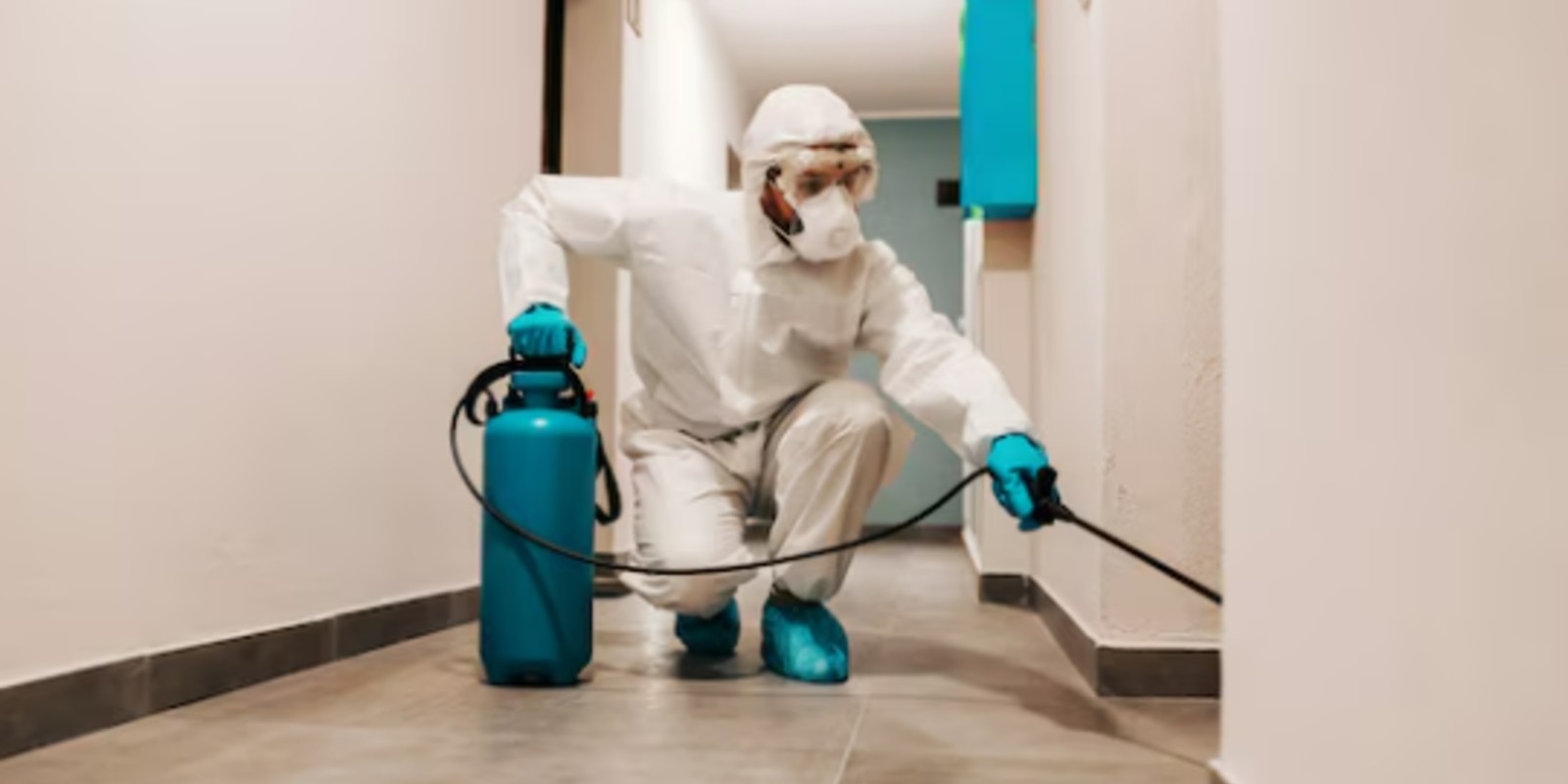
Professional cockroach treatment uses methods selected according to the species, infestation level and restaurant environment. The objective is to target active harbourage while considering food preparation and operational requirements.
Gel Baiting
Cockroach gel bait can be placed in small amounts around suitable harbourage and movement areas. Correct placement is important because cockroaches must encounter and consume the bait.
Sanitation supports baiting by reducing competing food sources.
Targeted Insecticide Applications
Appropriate insecticides may be applied to selected areas according to the treatment strategy and product requirements. Treatment should be targeted rather than applied indiscriminately across food premises.
Monitoring Devices
Monitoring devices can be used before and after treatment to determine where activity remains. They are particularly useful for evaluating whether control measures are reducing the population.
Follow-Up Treatment
Established infestations may require follow-up because hidden cockroaches or newly emerged nymphs can remain after initial treatment. Follow-up inspection allows the treatment strategy to be adjusted according to current activity.
Professional cockroach control should therefore be viewed as a process rather than simply a one-time pesticide application.
Protecting Food Preparation Areas
Food preparation areas require careful pest management because cockroach activity can create contamination concerns around ingredients, utensils, equipment and preparation surfaces.
Pest-control treatments should be planned with the way the kitchen operates in mind. Food and preparation equipment may require protection or other preparation depending on the treatment being used.
Staff should follow the instructions provided for the specific service. Cleaning practices should also complement treatment.
Some areas may require routine sanitation to continue, while specific treated locations may have different post-treatment instructions. Food should be stored in appropriate containers and damaged packaging should not be ignored.
If cockroach evidence appears around food products, the affected materials should be handled according to the restaurant's food-safety procedures. The goal is to manage the infestation without treating pest control as separate from overall kitchen hygiene.
Deliveries and Storage Areas
Deliveries and storage areas can introduce or support cockroach activity because packaging and incoming goods move continuously through restaurant premises. These areas should therefore form part of the cockroach inspection programme.
Cardboard boxes can provide protected folds and spaces. Keeping unnecessary packaging for long periods can also increase potential harbourage.
Incoming goods should be checked when there is evidence of pest contamination. Staff receiving deliveries should know how to report cockroaches, egg cases or suspicious packaging rather than automatically moving affected goods into storage.
Storage areas should remain organised enough to allow reasonable inspection. Products packed tightly against walls or left undisturbed for extended periods can conceal pest evidence.
Stock rotation can support pest prevention by reducing long-term undisturbed harbourage while making unusual damage or contamination easier to notice.
Compliance and Documentation
Pest-control documentation helps restaurants maintain a record of inspections, treatments, monitoring findings and corrective actions. The exact documentation required depends on the business, premises and applicable food-safety or operational requirements.
Useful records can include service dates, pest observations, treatment locations and follow-up recommendations. Monitoring results can also be recorded.
Documentation becomes more valuable when it connects pest activity with corrective action. For example, repeated cockroach captures near a sink may lead to identification of a plumbing leak. The record can then show both the pest evidence and the maintenance response.
Restaurants should avoid treating documentation as paperwork completed only for inspection purposes. Accurate records can reveal recurring patterns that might otherwise be overlooked between different shifts, cleaning teams or pest-control visits.
Staff Responsibilities in Cockroach Prevention

Restaurant staff can support cockroach prevention by identifying and reporting pest evidence during normal operations. Employees frequently observe areas between scheduled professional inspections and may notice changes early.
Staff should know which signs require attention. These include live cockroaches, droppings, egg cases and unusual pest activity around equipment or drains.
Reports should identify the location and approximate time where possible. Employees should also understand their role in sanitation and waste management. Leaving food residue overnight, allowing rubbish to accumulate or storing unnecessary cardboard can undermine other control measures.
A simple reporting process helps ensure that observations reach the appropriate manager or pest-control contact instead of being handled informally and forgotten.
Preventing Repeat Infestations
Preventing repeat infestations requires maintaining the environmental improvements made during treatment. Cockroaches can return when food, moisture, harbourage or entry routes become available again.
Restaurants should continue monitoring previously active locations even after visible activity has stopped. Structural conditions should be reviewed since gaps around plumbing and service penetrations may provide movement routes between different areas.
Waste and storage practices also need consistent attention rather than temporary improvement during an active infestation. A long-term prevention plan should combine several elements:
- Routine pest inspection and monitoring.
- Consistent kitchen sanitation.
- Appropriate food and stock storage.
- Effective waste management.
- Moisture and plumbing maintenance.
- Structural exclusion where practical.
No single measure can guarantee that cockroaches will never enter a restaurant. The objective is to reduce the conditions that allow them to establish and reproduce while detecting new activity early.
When Restaurants Need Professional Cockroach Control
Professional cockroach control is appropriate when activity is recurring, breeding is evident or the infestation extends beyond isolated sightings. Restaurants may also benefit from structured monitoring because food preparation environments can provide continual pest pressure.
Professional assessment should be considered when small cockroaches or nymphs are repeatedly found around kitchen equipment. Repeated DIY spraying without sustained improvement can indicate concealed harbourage that requires more detailed inspection.
A professional services combine species identification, targeted treatment, monitoring and recommendations for sanitation or structural conditions. However, the restaurant still has an important role.
Professional treatment works more effectively when management, kitchen staff, cleaners and maintenance teams address the contributing conditions identified during inspection.
Frequently Asked Questions
Why are cockroaches common in restaurants?
Restaurants provide food, water, warmth and numerous protected spaces. Waste, drains, kitchen equipment and deliveries can also create conditions that support cockroach activity.
Can a clean restaurant still have cockroaches?
Yes. Good hygiene reduces pest resources but cannot eliminate every entry route. Cockroaches can potentially enter through drains, structural openings, neighbouring premises or incoming goods.
Where do cockroaches usually hide in restaurant kitchens?
Common harbourage includes areas behind appliances, beneath equipment, inside cabinet gaps, around sinks, plumbing and drains. The exact locations depend on the cockroach species.
Is spraying enough for restaurant cockroach control?
Spraying visible cockroaches may reduce immediate activity but may not reach hidden harbourage, egg cases or breeding populations. Effective control often combines inspection, targeted treatment, sanitation and monitoring.
How can restaurant staff help prevent cockroaches?
Staff can maintain food and waste controls, report pest evidence promptly, reduce unnecessary cardboard and identify maintenance issues such as leaks or damaged structures.
Why do cockroaches return after professional treatment?
Hidden cockroaches or newly emerged nymphs may remain after initial treatment, while new cockroaches can enter through unresolved routes. Follow-up monitoring helps determine the source of continuing activity.
Should restaurants have routine cockroach monitoring?
Routine monitoring can be valuable because it can identify changes in pest activity before cockroaches become regularly visible. The appropriate programme depends on the premises and pest risk.
Keeping Cockroach Management Part of Daily Food Hygiene
Cockroach control restaurants can effectively depend on integrating pest management with everyday food hygiene, waste handling, storage and property maintenance. Treating visible cockroaches alone does not address the conditions that allow an infestation to develop.
Inspection helps identify harbourage and breeding activity, while monitoring provides evidence of whether treatment is working. Targeted professional treatment can then address active populations without relying solely on broad pesticide application.
Restaurant staff also play an important role. Consistent sanitation, moisture management, waste control and reporting can reduce pest resources between professional visits.
A restaurant pest management programme should therefore continue after visible cockroaches disappear. Maintaining preventive measures makes it easier to identify and respond to new activity before another established infestation develops.
Protect Your Kitchen Before Cockroach Activity Escalates
Repeated cockroach sightings in a restaurant can indicate concealed harbourage that requires a structured inspection and treatment plan. Malaysian restaurant operators can book an appointment with ZB I Tech Sdn Bhd to assess cockroach activity and determine an appropriate cockroach control solution for the premises.