Skip to content
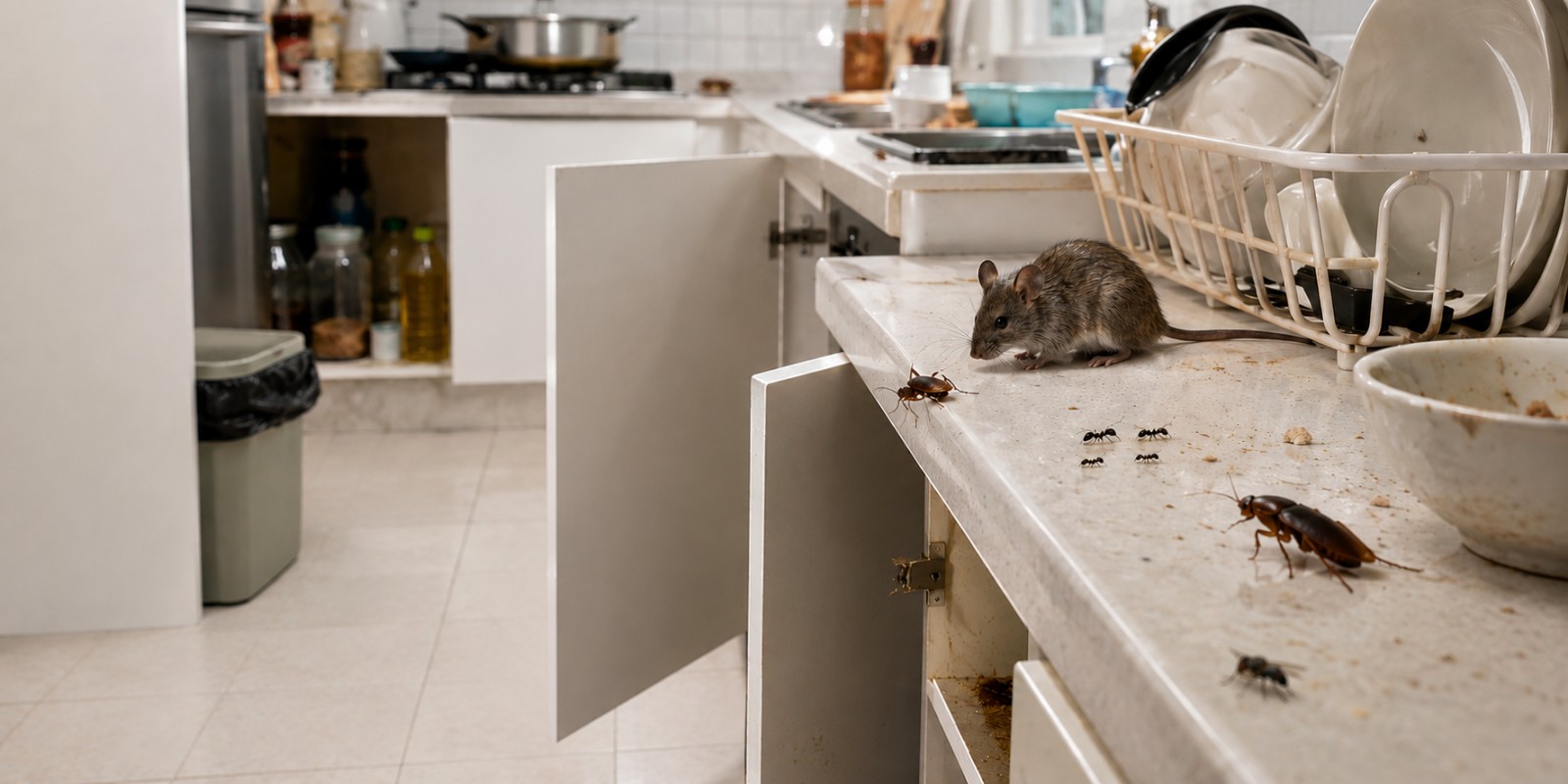
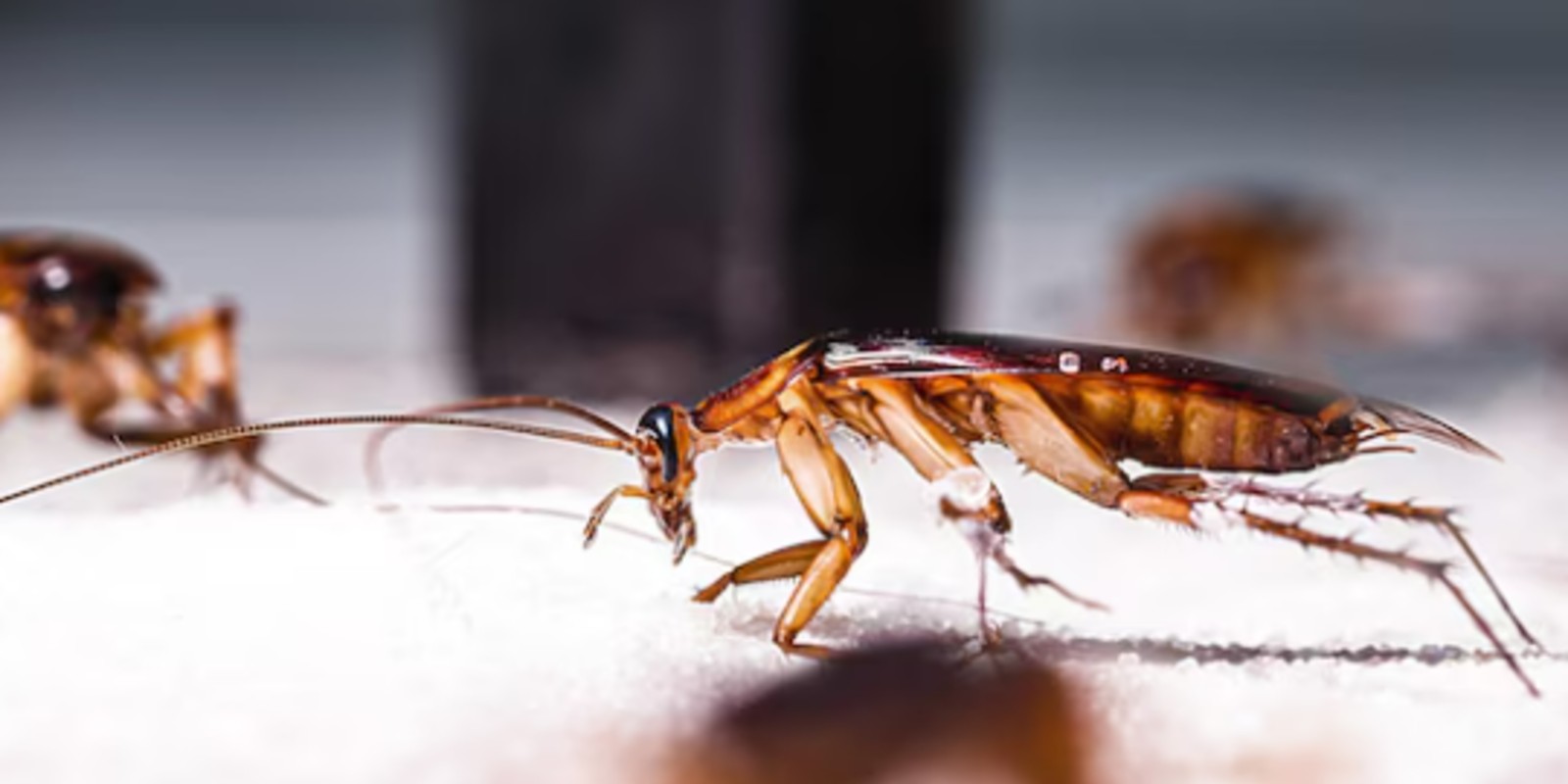
Diseases spread by cockroaches are primarily associated with their ability to carry potentially harmful microorganisms from contaminated environments onto food, preparation surfaces, and other areas people use. Cockroaches can move through drains, rubbish, waste, and other unhygienic locations before entering kitchens, food-storage areas, or occupied spaces.
The health concern is therefore mainly contamination rather than cockroaches directly transmitting disease through bites. Their bodies, legs, droppings, and other biological material can contribute to hygiene risks when an infestation develops around food or frequently used surfaces.
Cockroach allergens are another concern. Material associated with cockroaches can contribute to allergic reactions and may aggravate asthma symptoms in susceptible individuals.
Understanding cockroach health risks helps homeowners and businesses focus on practical prevention. Controlling infestations, protecting food, maintaining hygiene, and reducing cockroach access can limit opportunities for contamination.
How Cockroaches Can Carry Pathogens
Cockroaches can carry microorganisms after contacting contaminated food, waste, faecal material, drains, and other environments containing bacteria or other pathogens. These microorganisms may then be transferred as cockroaches move to other surfaces.
Cockroaches are scavengers and can feed on a wide range of organic materials.
Their search for food may take them through rubbish areas, drains, and contaminated environments before they enter kitchens or storage areas.
Microorganisms can potentially be carried externally on the cockroach's body or associated with material passing through its digestive system.
This creates opportunities for mechanical contamination.
For example, a cockroach may move through contaminated material and later travel across a food-preparation surface.
The practical health concern is therefore the route between contaminated environments and locations where food is prepared, stored, or consumed.
This is why cockroach control should be considered part of broader hygiene management rather than simply an issue of removing an unwanted insect.
Food and Surface Contamination
Cockroach contamination can occur when cockroaches or their biological material comes into contact with food, utensils, packaging, and preparation surfaces. Food environments require particular attention because contamination may occur without obvious damage.
A cockroach does not need to remain on food for a long period to create a hygiene concern.
Movement across preparation surfaces, equipment, and food-storage areas can introduce material from elsewhere in the property.
Droppings can also contaminate surfaces.
Cockroach egg cases, shed skins, and dead insects provide additional evidence that pest activity has occurred in the surrounding area.
Where food contamination is suspected, affected materials should be handled according to appropriate food-safety procedures.
Cleaning should also extend beyond the immediately visible evidence.
Finding droppings on a kitchen shelf, for example, should prompt inspection of nearby cracks, cabinets, and equipment to determine where the cockroaches are harbouring.
Removing the contamination without controlling the infestation leaves the source active.
Common Cockroach-Related Health Risks
Cockroach health risks are associated with microorganisms they may carry, contamination of food environments, and exposure to allergenic material. The presence of cockroaches does not mean that occupants will automatically develop an illness.
The risk depends on factors such as the level of infestation, environment, hygiene conditions, and type of exposure.
Cockroaches have been associated with potentially harmful microorganisms, including bacteria that can contribute to gastrointestinal illness when food or surfaces become contaminated.
This is why pest activity around kitchens and food-handling areas deserves attention.
The main routes of concern can be grouped into three categories:
- Food contamination: Cockroaches may move between contaminated environments and food or food-contact areas.
- Surface contamination: Droppings and cockroach movement can affect preparation and storage environments.
- Allergen exposure: Cockroach body material and droppings can contribute to indoor allergens.
Pest control should therefore work alongside sanitation and food-safety measures.
Cockroach Bacteria and Mechanical Contamination
Cockroach bacteria concerns relate largely to mechanical transfer rather than cockroaches acting as biological hosts in the same way as certain disease-carrying insects. Their behaviour allows them to encounter contaminated material and subsequently move through occupied environments.
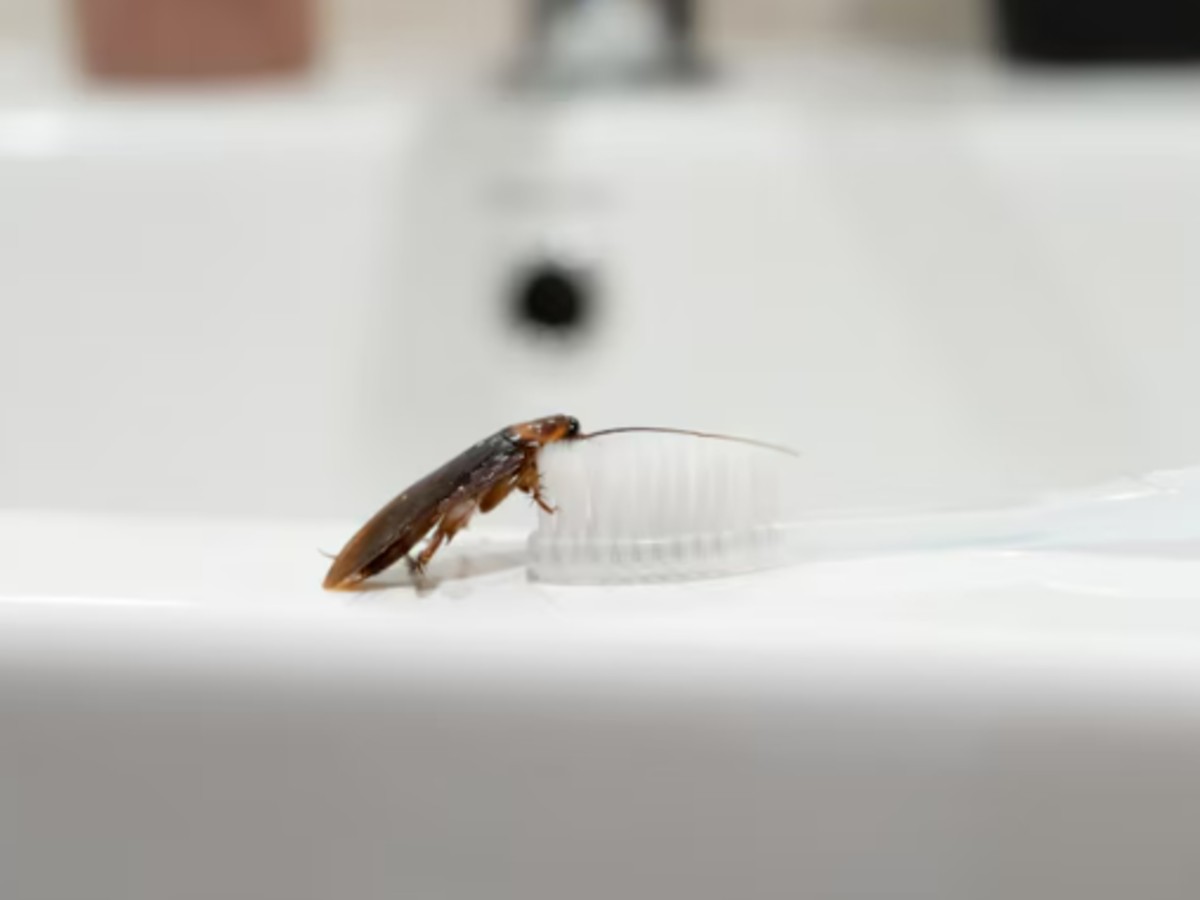
A cockroach travelling through a drain may later enter a cabinet.
Another may feed around rubbish before moving toward a kitchen preparation area.
This movement creates potential contamination pathways.
The risk is particularly relevant when cockroach activity occurs close to uncovered food, utensils, or preparation equipment.
Contamination may also occur through droppings left in areas where pests have suitable living conditions (referred to as harbourage areas).
The practical response is not to determine whether each cockroach carries a particular bacterium. Instead, properties should treat active cockroach infestations as a hygiene issue and reduce the opportunities for pests to move between contaminated and clean areas.
Cockroach Allergens and Asthma Triggers
Cockroach allergens are substances associated with cockroach droppings, saliva and body material that can become part of the indoor environment. Exposure can contribute to allergic responses and may aggravate asthma in susceptible people.
Allergen exposure is different from infection.
A person does not need to eat contaminated food to encounter cockroach allergens.
Material from an infestation can accumulate in dust and areas where cockroaches harbour.
This makes established indoor infestations particularly relevant.
Dead cockroaches and shed skins should therefore not simply be left in concealed areas after treatment.
Cleaning affected areas can help remove biological material once the infestation is being controlled.
People with respiratory symptoms should seek appropriate medical advice rather than assuming cockroaches are the cause.
Pest inspection can establish whether cockroach activity is present, but pest-control providers do not diagnose allergies or asthma.
High-Risk Areas for Cockroach Contamination
High-risk areas are locations where cockroach activity overlaps with food, moisture, waste, or frequently used surfaces. Kitchens and food businesses are obvious examples, but other environments can also support infestation.
Residential Kitchens
Residential kitchens provide food, warmth, water, and numerous hiding places.
Cockroaches may harbour around cabinets, refrigerators, cooking appliances, and sinks.
Food preparation surfaces require attention when infestation evidence is found nearby.
Restaurants and Food Premises
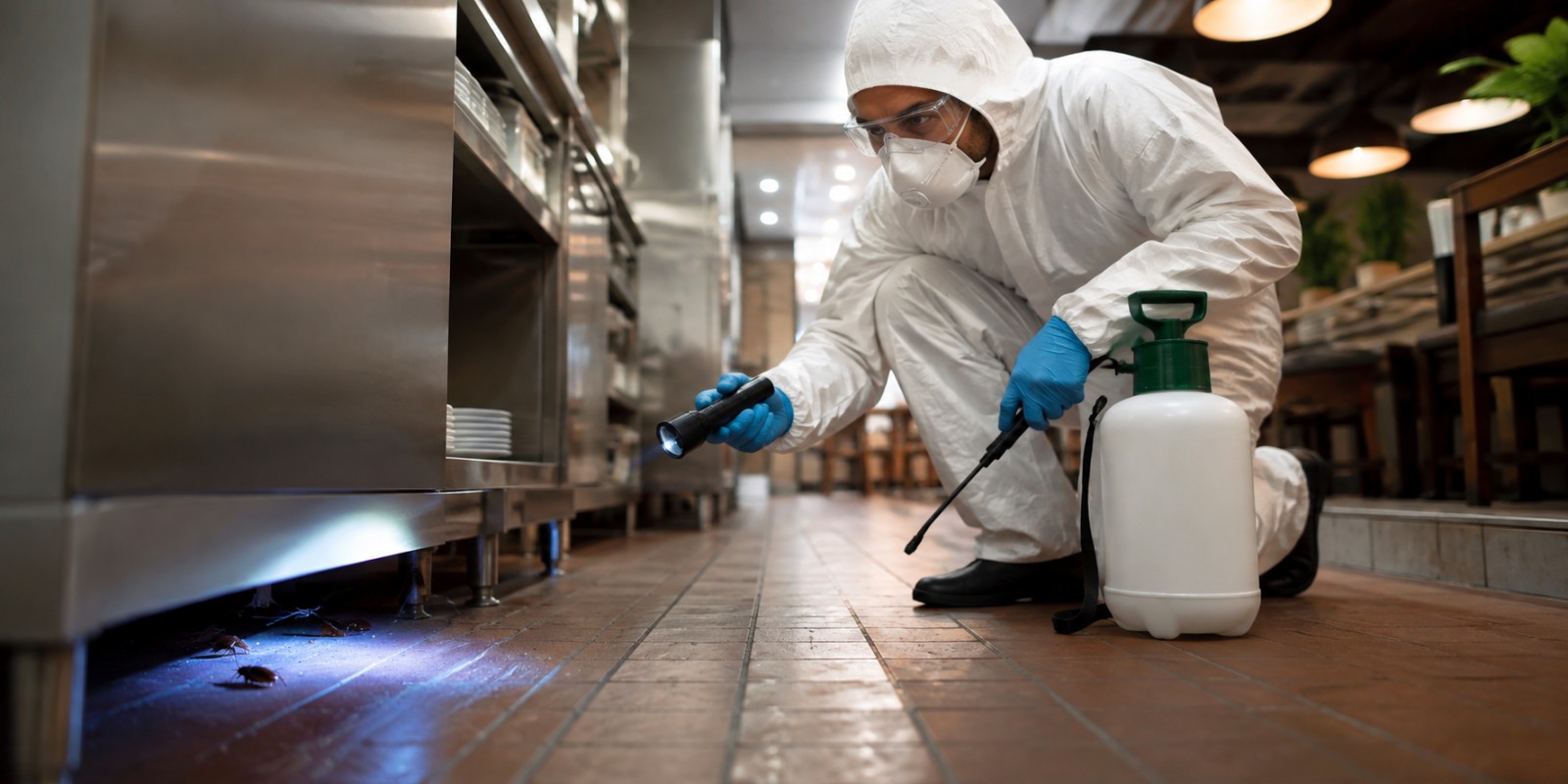
Restaurants can face increased cockroach pressure because food preparation, deliveries, waste, and water are present throughout daily operations.
Even small concealed infestations can create significant hygiene concerns when activity occurs around preparation or storage areas.
Food Storage Areas
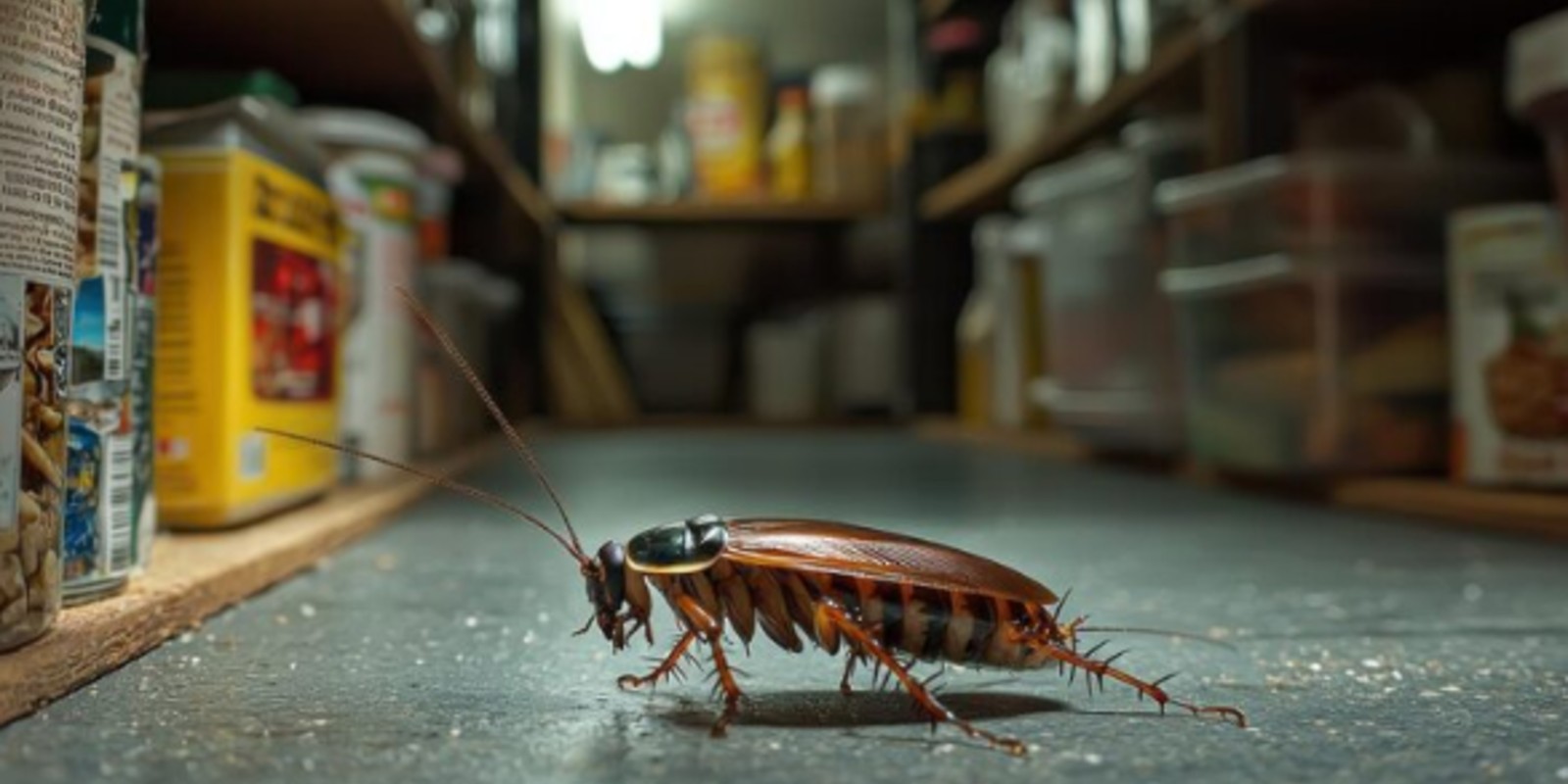
Storerooms can provide harbourage when stock remains undisturbed for extended periods.
Cardboard packaging and tightly arranged goods can make pest evidence difficult to identify.
Waste Areas
Waste rooms and rubbish storage locations provide potential food sources.
Cockroaches moving between waste and occupied areas can create contamination pathways.
Drains and Utility Areas
Drains and damp service areas can support some cockroach species or provide routes into buildings.
Repeated activity in these areas should therefore be investigated rather than treated as isolated sightings.
Health Risks in Homes
Cockroach infestations in homes can create hygiene concerns when activity overlaps with kitchens, food storage and frequently used surfaces. Young children and people with allergies or asthma may require particular consideration when infestations are established.
Food should remain appropriately stored.
Utensils and preparation surfaces should be cleaned if there is evidence of cockroach activity.
Areas beneath appliances and inside cabinets should also be inspected because contamination can accumulate where occupants do not normally look.
Finding one cockroach does not establish that a household has been exposed to a particular disease.
However, repeated sightings, droppings, nymphs (baby cockroaches), and egg cases indicate that the underlying infestation should be addressed.
The practical objective is to remove the pest population and reduce opportunities for cockroaches to contaminate the household environment.
Health and Hygiene Risks for Businesses
Cockroach activity can create additional concerns for businesses because infestations may affect food handling, stock, sanitation, and customer-facing environments. Restaurants and other food premises require particularly structured pest management.
A cockroach found in a dining area may have originated from a kitchen, drain, utility space, or another part of the building.
Simply removing the visible insect does not identify the source.
Businesses should therefore record pest sightings and investigate recurring patterns.
Employees should know how to report evidence such as droppings, egg cases, and live cockroaches.
Food or packaging showing clear evidence of pest contamination should be handled according to the business's food-safety procedures.
Professional cockroach control can complement these measures by identifying harbourage, treating active populations, and monitoring whether activity is declining.
Reducing Exposure to Cockroach Contamination
Reducing exposure involves controlling the infestation while limiting contact between cockroaches and food, surfaces, or occupied areas. Hygiene and pest management should operate together.
The first priority is to remove resources that support cockroaches.
Food residues should be cleaned promptly, and food should be stored appropriately.
Waste should also be managed consistently.
Moisture requires attention because cockroaches need access to water.
Leaks beneath sinks, persistent condensation, and wet areas around drains can support activity.
Structural access should also be considered.
Gaps around plumbing and service penetrations may provide routes between cockroach harbourage and occupied rooms.
These measures do not eliminate an established infestation by themselves, but they reduce contamination opportunities while supporting treatment.
Cleaning and Hygiene Measures
Cleaning after cockroach activity should remove droppings, shed skins, dead insects, and food residues while maintaining appropriate hygiene practices. The surrounding area should also be inspected before evidence is removed where practical.
Cleaning only the visible cockroach evidence may miss the active harbourage.
For example, droppings inside a cabinet can indicate activity within nearby cracks or fixtures.
Routine hygiene measures should include:
- Cleaning food-contact surfaces appropriately.
- Removing crumbs and grease from concealed areas.
- Storing food in suitable containers.
- Managing rubbish and waste regularly.
- Cleaning beneath accessible kitchen equipment.
- Addressing moisture and plumbing leaks.
Commercial food environments should follow their established cleaning and food-safety procedures.
Where significant cockroach contamination is present, pest control and sanitation may need to be coordinated so cleaning does not interfere with selected treatment methods.
Why Cockroach Prevention Matters for Health
Cockroach prevention reduces the opportunity for pests to establish populations and contaminate occupied environments. Preventing an infestation is generally easier than addressing widespread harbourage after cockroaches have begun breeding indoors.
Prevention focuses on the basic resources cockroaches require.
Food should be controlled, unnecessary moisture reduced, and waste managed.
Potential entry routes should also be addressed where practical.
Monitoring can help detect early activity.
Sticky monitoring devices may reveal cockroaches in concealed areas before regular sightings begin.
This is particularly useful in commercial food environments where early detection can allow action before pest activity becomes widespread.
Prevention cannot guarantee that a cockroach will never enter a property.
The objective is to make the environment less suitable for survival and breeding while identifying new activity quickly.
Professional Cockroach Control
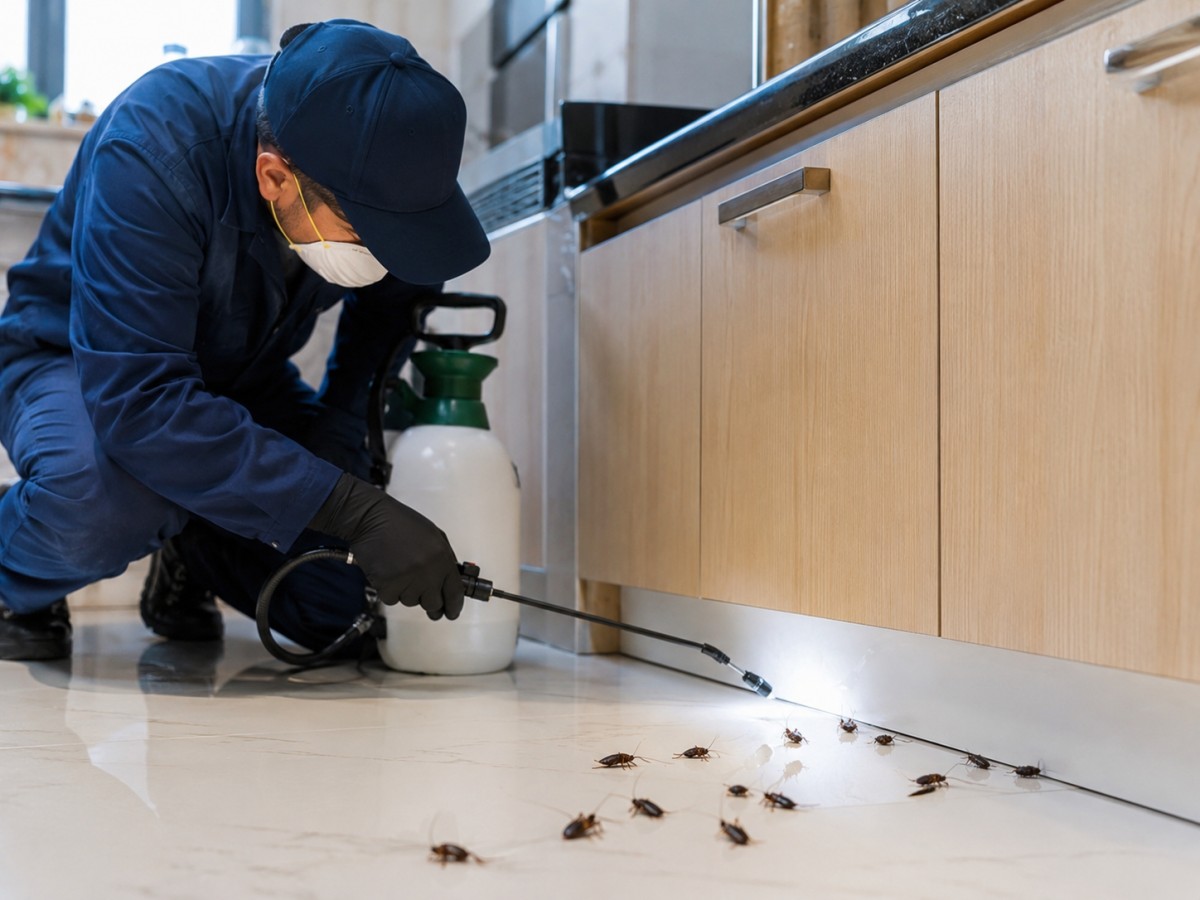
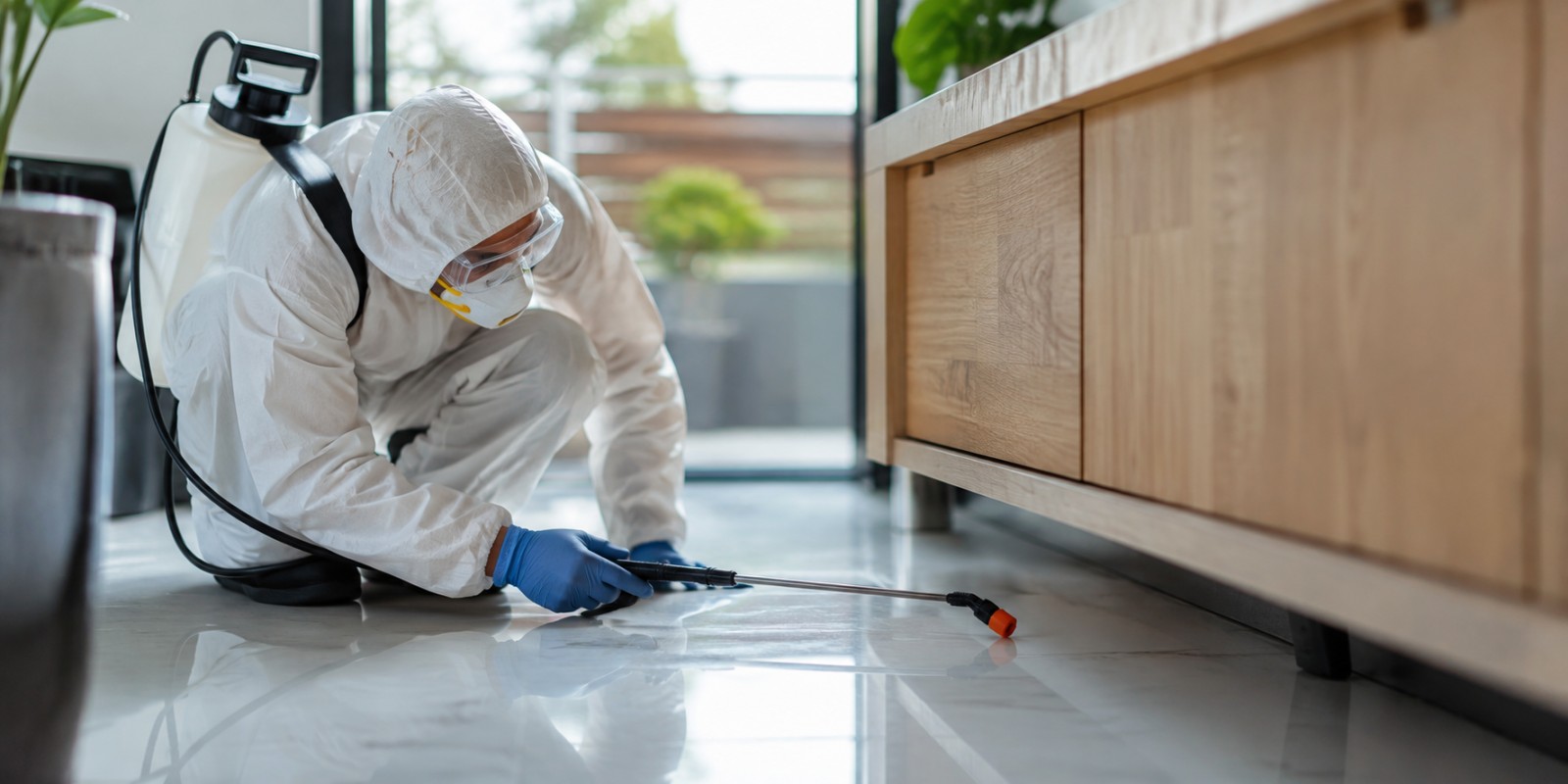
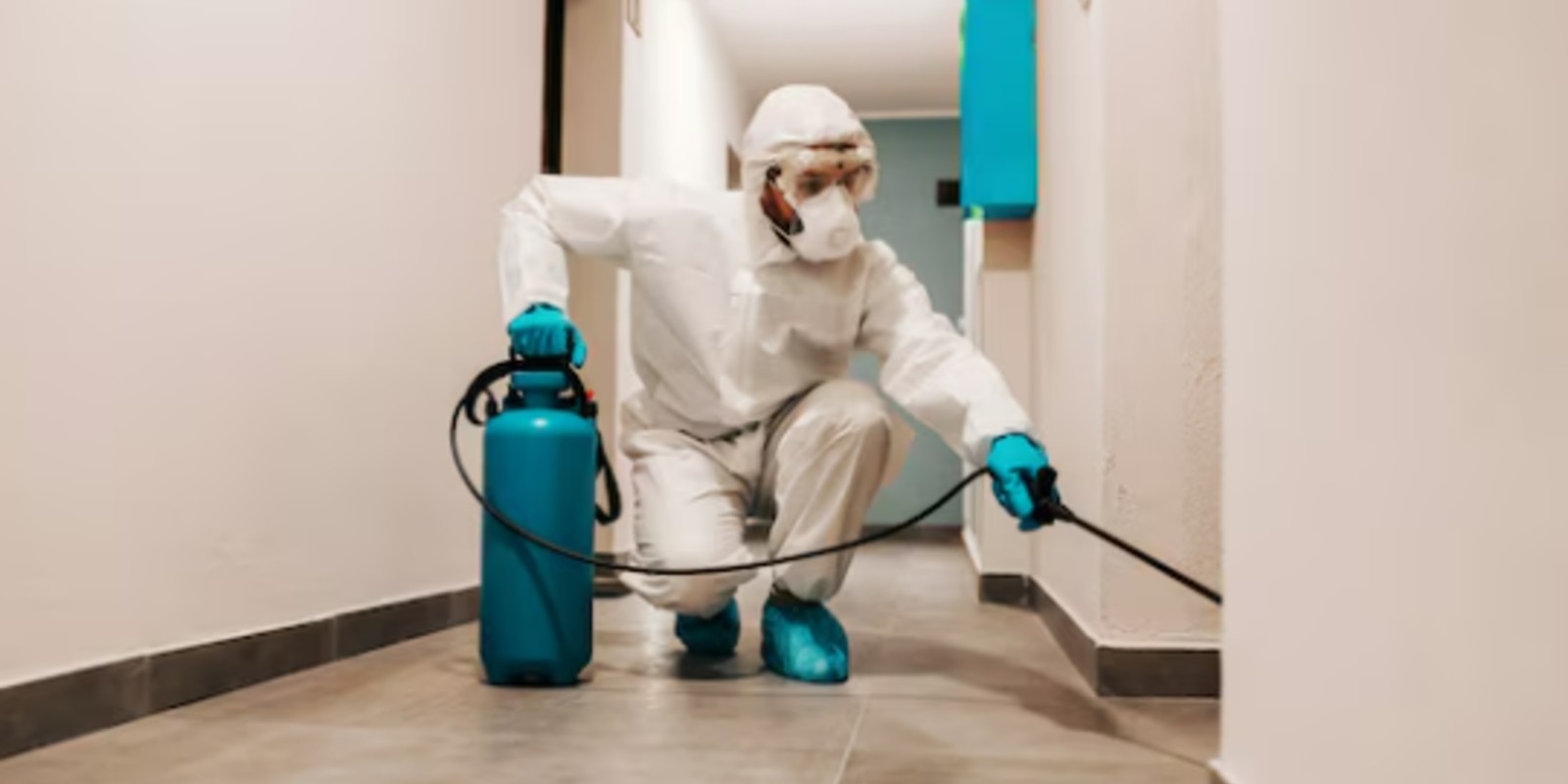
Professional cockroach control can be appropriate when infestations are established, recurring, or affecting food and hygiene-sensitive areas. Treatment should begin with identifying the cockroach species and locating active harbourage.
A professional inspection may examine kitchens, cabinets, appliances, drains, utility areas, and other locations where cockroach evidence is present.
Treatment can then be selected according to the findings.
Depending on the infestation, professional control may include gel baiting, monitoring and appropriate targeted insecticide applications.
Sanitation and structural recommendations may also form part of the management plan.
Follow-up can be important because hidden cockroaches or newly emerged nymphs may remain after initial treatment.
Monitoring helps determine whether the population is actually declining.
Professional treatment therefore works best when combined with property maintenance and hygiene rather than being treated as an isolated pesticide application.
Frequently Asked Questions (FAQs)
What diseases can cockroaches spread?
Cockroaches are associated with potential mechanical transmission of microorganisms because they move between contaminated environments, food, and surfaces. Their presence does not mean that occupants will automatically contract a specific disease.
Do cockroaches transmit disease by biting people?
Cockroach-related health concerns are primarily associated with contamination and allergens rather than bites. Their movement through waste, drains, and food areas creates potential contamination pathways.
Can cockroach droppings make people ill?
Cockroach droppings can contaminate environments and contain allergenic material. They should be cleaned appropriately while the underlying infestation is investigated and controlled.
Can cockroaches trigger asthma?
Cockroach allergens can contribute to allergic responses and may aggravate asthma in susceptible individuals. Anyone experiencing respiratory symptoms should seek appropriate medical assessment.
Is food safe after a cockroach has crawled on it?
Food showing evidence of pest contamination should be handled conservatively according to appropriate food-safety practices. Commercial premises should follow their established food-safety procedures.
Does seeing one cockroach mean there is a health risk?
One sighting does not establish the size of an infestation or prove disease exposure. Repeated sightings, droppings, egg cases, and nymphs provide stronger evidence that an active infestation requires attention.
How can I reduce cockroach contamination in my property?
Control food and waste, repair moisture problems, clean affected areas, address entry routes and monitor for infestation signs. Established or recurring activity may require professional cockroach control.
Reducing Cockroach Activity Means Reducing Contamination Opportunities
Diseases spread by cockroaches are primarily a concern because these pests can move between contaminated environments and areas where people prepare, store, or consume food. Droppings, body material, and cockroach allergens can add further hygiene and indoor-environment concerns.
The presence of cockroaches does not mean a particular disease has been transmitted. The more practical issue is that an established infestation creates repeated opportunities for contamination.
Reducing those opportunities requires more than killing visible insects.
Food and waste management, sanitation, moisture control, and structural maintenance help make the property less suitable for cockroaches. Professional treatment can then address active populations and concealed harbourage when an infestation is established.
Combining hygiene with pest management provides a more complete approach to reducing cockroach-related health risks in homes and businesses.
Address Cockroach Activity Before Contamination Spreads
Cockroach droppings, egg cases, nymphs, or repeated sightings around kitchens and food areas can indicate an infestation that requires closer investigation. Homeowners and businesses can book an appointment with ZB I Tech Sdn Bhd to assess cockroach activity and determine an appropriate control strategy for the affected property.