Skip to content
To prevent cockroach infestation, a property needs to limit the four conditions cockroaches depend on: food, water, shelter, and access. Effective cockroach prevention, therefore, combines good sanitation, moisture control, waste management, cockroach proofing and routine monitoring rather than relying on insecticide alone.
Cockroaches can survive in small, concealed spaces and feed on relatively minor amounts of food residue. Kitchens, bathrooms, drains, storerooms, and areas around appliances can provide suitable conditions even when a property appears generally clean.
Malaysia's warm and humid environment can also support cockroach activity throughout much of the year. Homes and businesses should therefore treat prevention as an ongoing property-management practice rather than something done only after cockroaches become visible.
The most effective strategy is to make the environment less suitable for cockroaches while detecting new activity early. This reduces the chance that a few insects will develop into an established breeding population.
Why Cockroach Prevention Matters
Cockroach prevention matters because established infestations can remain hidden and become more difficult to control as the population grows. Preventive measures reduce the resources cockroaches need before substantial breeding occurs.
Cockroaches can conceal themselves behind appliances, inside cabinets, around plumbing, and within narrow structural gaps.
This means an infestation can develop without occupants seeing large numbers of insects.
Prevention also reduces contamination opportunities.
Cockroaches can move through rubbish, drains, and other unhygienic environments before travelling across kitchens, storage areas, and other occupied spaces.
For businesses, particularly restaurants and food-related premises, early prevention can also reduce disruption caused by an established infestation.
A preventive approach does not guarantee that cockroaches will never enter a building. Instead, it reduces the conditions that help them remain, reproduce and spread.
Remove Food Sources

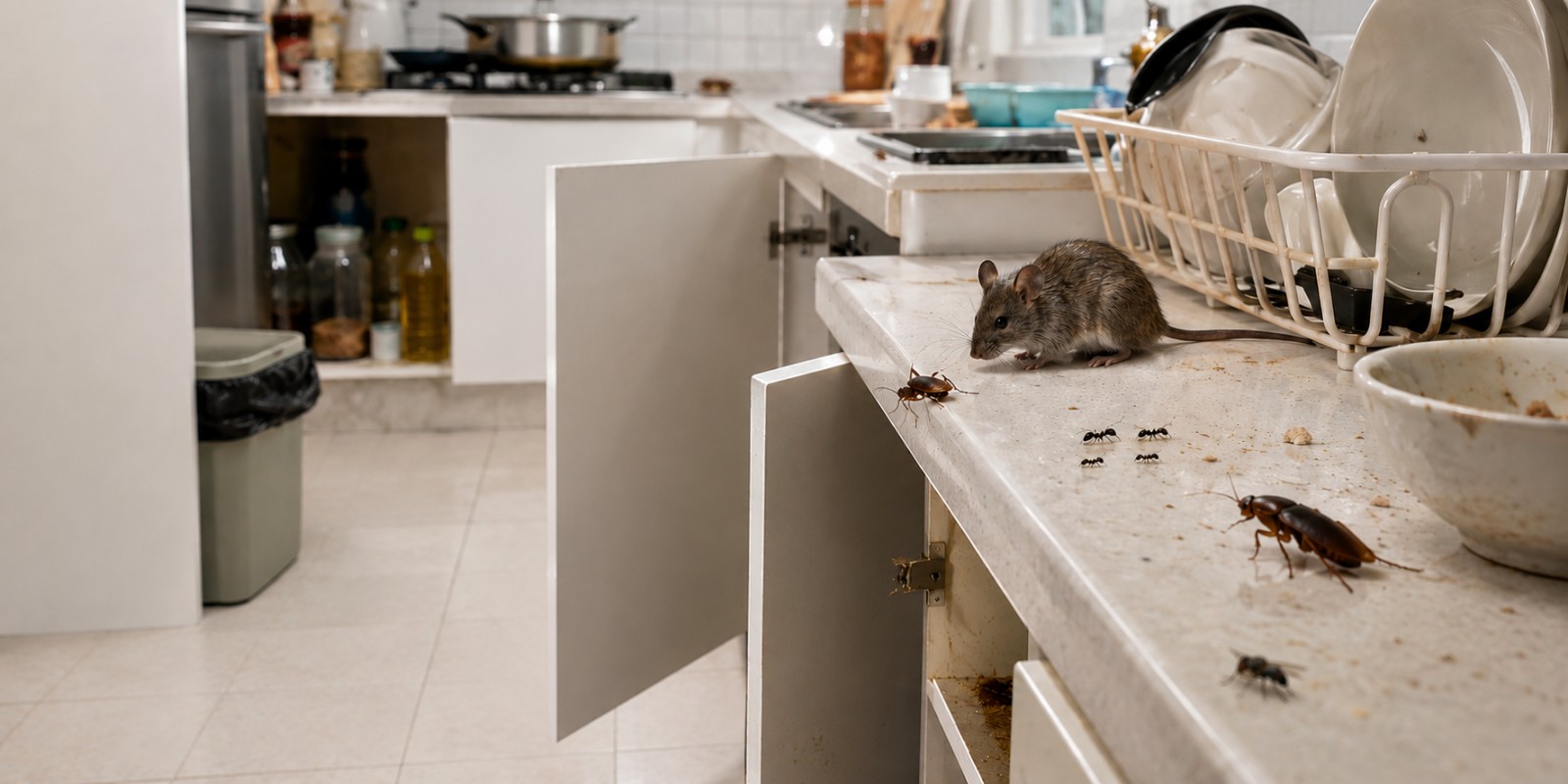
Removing accessible food is one of the most important ways to prevent cockroaches at home or in a commercial property. Cockroaches can survive on small amounts of crumbs, grease, and organic residue that may be overlooked during normal cleaning.
Visible kitchen surfaces are only part of the problem.
Food particles can accumulate beneath refrigerators, cooking equipment, and cabinets. Grease may collect around appliances and difficult-to-reach kitchen areas.
Food should be stored appropriately, particularly overnight when many cockroach species are more active.
Open packaging and food left exposed can provide reliable feeding sources.
Pet food also requires attention in residential properties.
Leaving bowls of food available overnight can provide another resource for cockroaches.
Prevention should therefore focus on removing small, recurring food sources rather than simply keeping the most visible surfaces tidy.
Clean Hidden Food Residues
Hidden food residues can support cockroaches even when floors, counters and dining areas appear clean. Effective cockroach prevention requires periodic attention to locations outside routine cleaning.
The areas beneath and behind appliances are particularly important.
Refrigerators, cookers and food-preparation equipment may remain in the same position for long periods, allowing crumbs and grease to accumulate around them.
Cabinet interiors and gaps should also be inspected periodically.
Spilled dry food can remain unnoticed behind containers or shelving.
A practical cleaning routine should therefore include:
- Areas beneath movable kitchen appliances.
- Cabinet interiors and shelving.
- Spaces around cooking equipment.
- Food-storage areas.
- Grease accumulation near preparation zones.
- Residue around rubbish containers.
The purpose is not to maintain a completely sterile environment. It is to remove dependable food sources that make the property suitable for cockroach survival.
Control Moisture and Water
Controlling unnecessary moisture helps prevent cockroach infestation because cockroaches require access to water. Kitchens, bathrooms, drains and utility areas can provide moisture even when food is carefully managed.
Leaks beneath sinks are a common example.
A slow plumbing leak may remain unnoticed while consistently providing water inside a cabinet.
Condensation can create similar conditions around appliances and pipes.
Standing water should be removed where practical, and the cause should be investigated if it repeatedly returns.
Drains also deserve attention.
Some cockroach species are associated with damp drainage and utility environments. Repeated large cockroach sightings near floor drains may indicate an access route or nearby harbourage (environments providing suitable living habitat for pests).
Moisture control should therefore include maintenance as well as cleaning.
Repairing leaks and addressing persistently damp areas can make the property less favourable while supporting other cockroach control measures.
Seal Cracks and Entry Points
Cockroach proofing involves identifying and reducing structural openings that cockroaches may use to enter or move through a building. The relevant openings depend on the species, property design and source of activity.
Cockroaches can use surprisingly narrow gaps.
Potential movement routes may occur around plumbing, utility lines, doors, walls and cabinets.
Connected buildings can present additional challenges because cockroaches may potentially move between adjoining spaces through shared services and structural openings.
Cockroach proofing may therefore involve inspecting:
- Gaps around plumbing penetrations.
- Cracks around cabinets and fixtures.
- Openings around utility lines.
- Damaged door seals.
- Drainage-related access.
- Gaps connecting service areas.
Not every visible crack needs to be sealed indiscriminately.
Inspection should focus on openings that are realistically associated with cockroach movement.
When an active infestation exists, treatment may also be necessary before or alongside structural exclusion.
Improve Cleaning and Storage
Good cleaning and organised storage reduce cockroach harbourage while making infestation evidence easier to detect. Cluttered spaces provide more protected locations where pests can remain undisturbed.
Cardboard deserves particular attention.
Boxes and packaging contain folds and sheltered spaces, and unnecessary cardboard can accumulate in storerooms, kitchens and utility areas.
Businesses receiving frequent deliveries should avoid retaining packaging longer than necessary.
Residential storage should also remain reasonably organised.
Items packed tightly into cabinets or storerooms can make pest inspection difficult.
Food products should be stored in suitable containers where practical.
The organisation does not directly kill cockroaches, but it makes monitoring and cleaning more effective.
A clear storage area also makes droppings, egg cases or live insects easier to notice before an infestation becomes established.
Manage Waste Properly
Waste management is essential to cockroach prevention because rubbish can provide food, moisture and harbourage. The risk increases when organic waste remains accessible overnight or accumulates around containers.
Kitchen bins should be managed consistently.
Food residue around the outside or beneath a bin can continue attracting pests even after the bag itself has been removed.
Commercial waste areas require particular attention because larger quantities of food and packaging may pass through them every day.
Rubbish collection areas should be kept as clean as reasonably possible, and spills should not be allowed to accumulate.
The location of waste storage also matters.
Cockroaches established around a waste area may move towards kitchens or occupied spaces while searching for additional resources.
Effective waste management therefore includes both regular disposal and cleaning of the surrounding environment.
Monitor for Early Signs
Early monitoring can identify cockroach activity before a large infestation becomes obvious. Cockroach prevention is more effective when action begins after the first evidence rather than after repeated daytime sightings.
Property occupants should recognise common infestation signs.
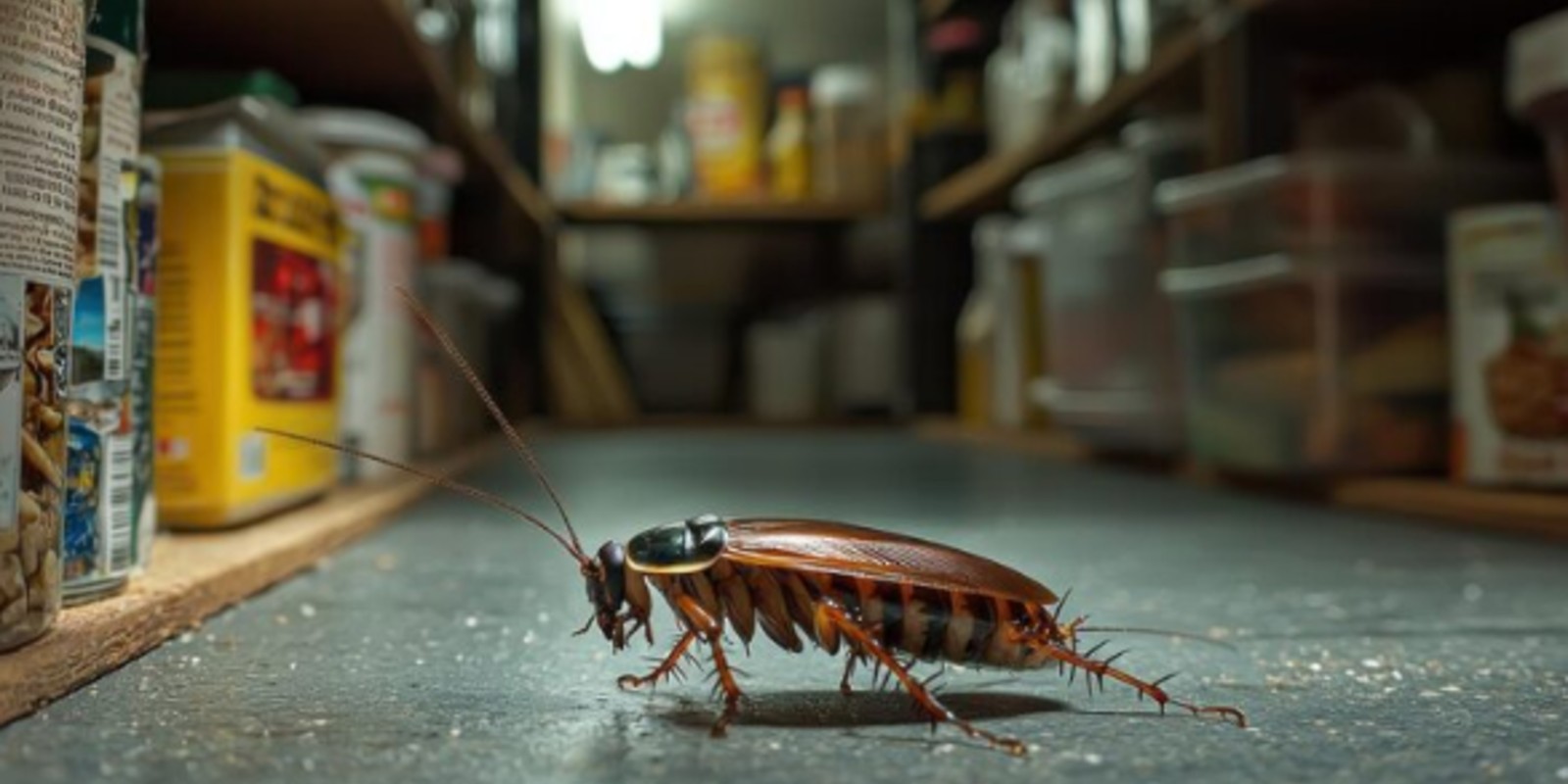
These include droppings, egg cases, shed skins, live nymphs and repeated cockroach sightings.
Sticky monitoring traps can also provide useful information when placed appropriately.
They can help show where cockroaches are travelling and whether activity is concentrated in a particular location.
For example, repeated captures behind one kitchen appliance may indicate nearby harbourage that requires inspection.
Monitoring should be consistent.
A trap left unchecked for long periods provides less useful information than one reviewed as part of a routine prevention programme.
The objective is to identify changes in pest activity while the problem is still limited.
Prevent Cockroaches in Kitchens

Kitchen cockroach prevention should focus on food residues, moisture, equipment and concealed harbourage. Kitchens provide nearly all the resources cockroaches need within a relatively small area.
Cleaning should extend beneath appliances and around food-preparation equipment.
Sinks and plumbing should be checked for moisture problems.
Dry ingredients and other foods should be stored appropriately.
Waste should not remain unnecessarily accessible.
The area behind refrigerators deserves particular attention because it may provide warmth, food residue and protected space.
Cabinets around sinks can also become favourable when leaks occur.
In restaurants and commercial kitchens, these measures need to be integrated into everyday operations rather than performed only during pest-control visits.
A professional treatment cannot compensate indefinitely for food and water sources that remain consistently available.
Prevent Cockroaches in Bathrooms and Drains
Bathroom and drain prevention focuses mainly on moisture, plumbing and potential access routes. These areas can be relevant even when no food is present.
Leaks should be repaired where practical.
Persistent dampness inside cabinets or around fixtures should be investigated.
Drainage areas should be maintained appropriately.
Repeated large cockroach sightings around a particular drain can indicate that the cockroaches are entering from a connected environment rather than breeding elsewhere in the room.
Structural gaps around pipes should also be assessed.
Sealing relevant openings may reduce movement between concealed service areas and occupied spaces.
The appropriate response depends on the species.
This is why identifying whether the property has German cockroaches, American cockroaches or another species can improve prevention decisions.
Prevent Cockroaches in Commercial Properties
Commercial cockroach prevention requires coordination between pest management, cleaning, maintenance, waste handling and staff because operational activity continually changes pest conditions.
Restaurants may need particular attention to kitchens and food waste.
Warehouses may need to monitor packaging, storage and incoming deliveries.
Offices can experience cockroach problems around pantries, rubbish areas and shared utility spaces.
Employees should have a simple method for reporting pest evidence.
A staff member who repeatedly sees small cockroaches near the same appliance may provide useful information for an inspection.
Commercial properties should also consider pest trends over time.
Repeated activity in one location may indicate an unresolved maintenance or structural issue rather than a need for increasingly frequent pesticide application.
When to Use Professional Treatment
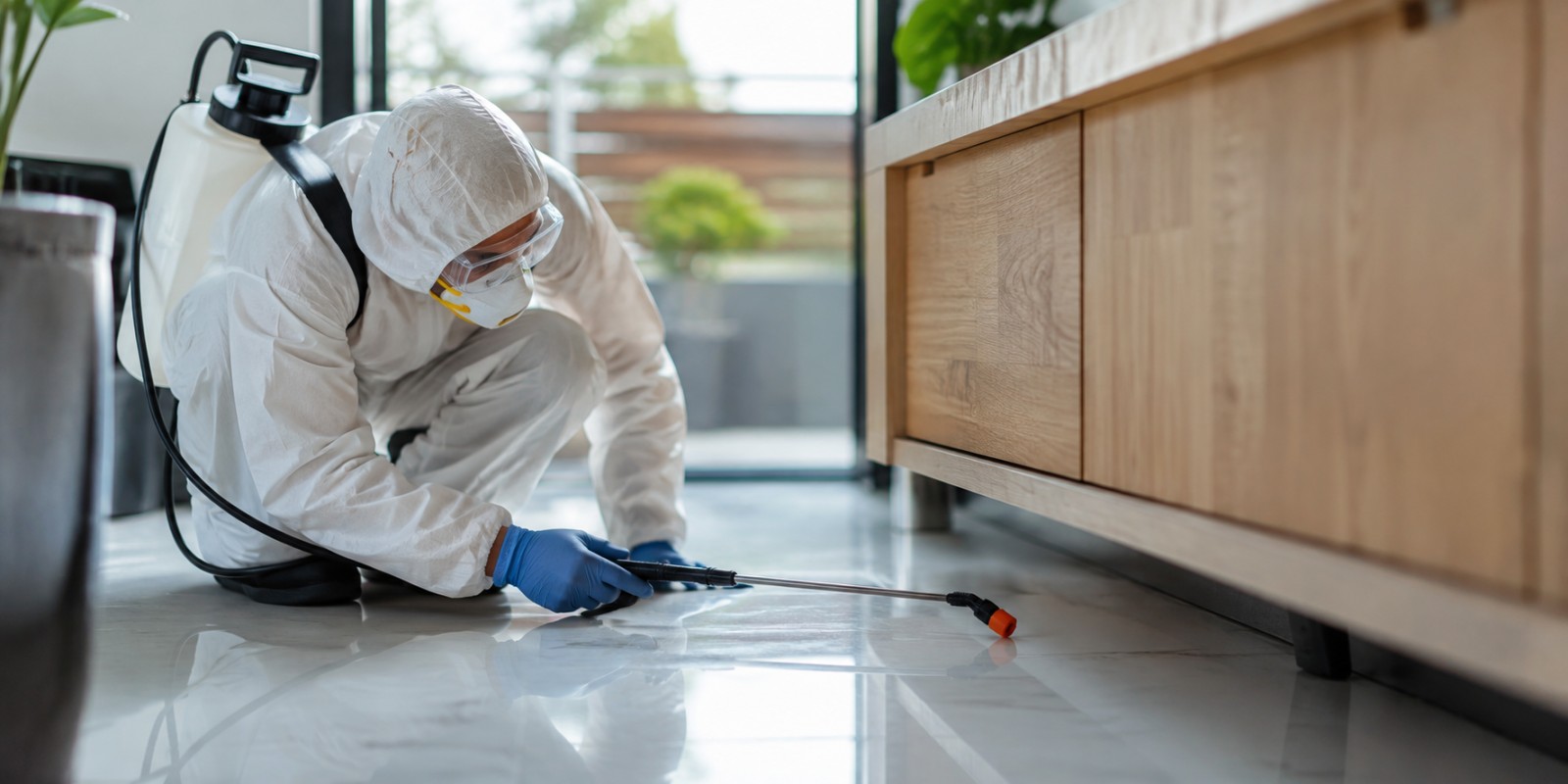
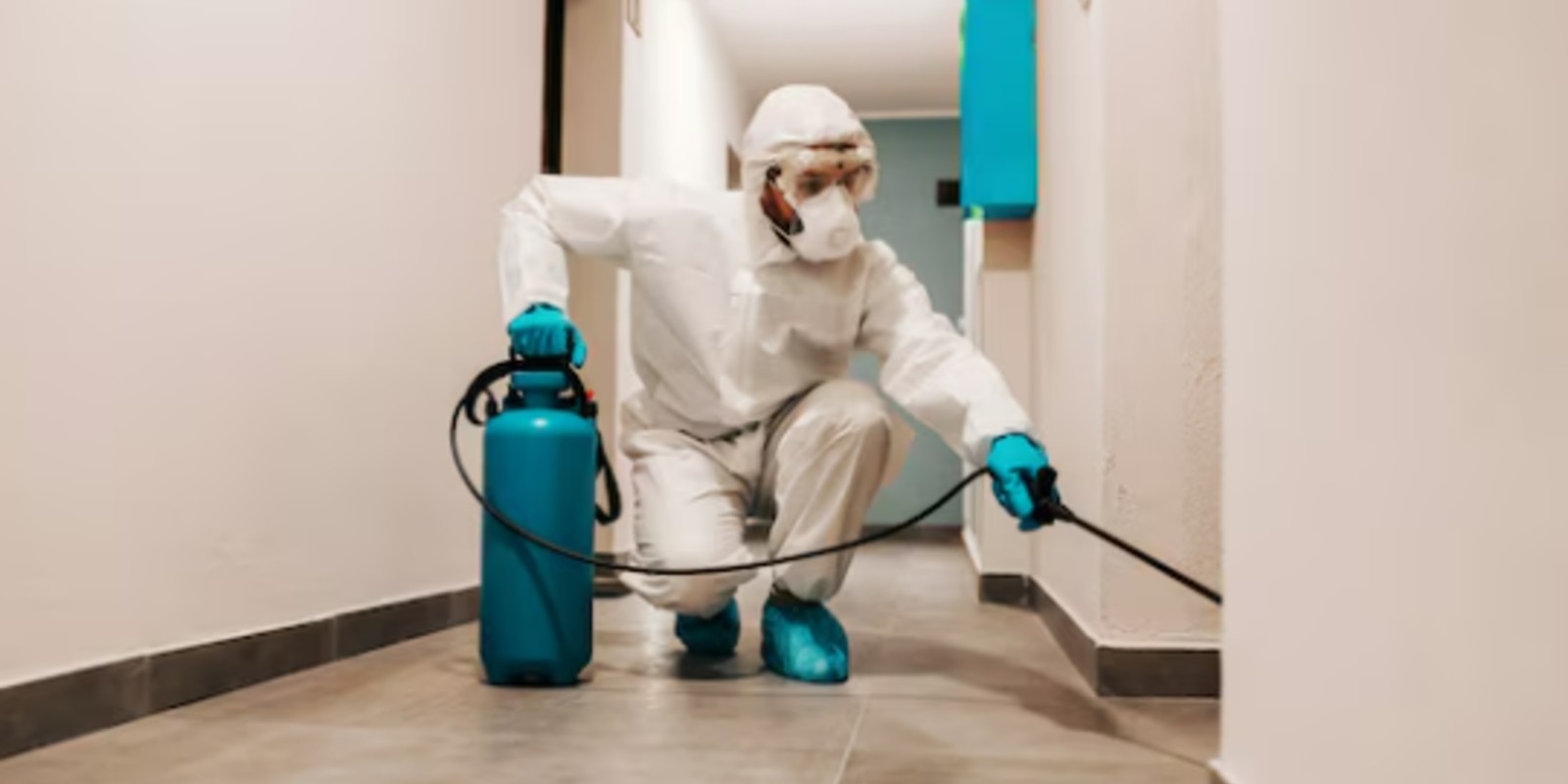
Professional treatment should be considered when preventive measures are no longer sufficient because cockroaches are actively breeding, repeatedly returning or spreading across the property. Prevention is most effective before an infestation becomes established.
Several warning signs indicate that professional cockroach control may be appropriate:
- Repeated sightings despite cleaning.
- Cockroach nymphs appear regularly.
- Egg cases around kitchens or storage.
- Droppings in several locations.
- Persistent activity after DIY treatment.
- Cockroaches affecting food-handling areas.
A professional inspection can identify the cockroach species, active harbourage and environmental conditions contributing to the infestation.
Treatment may then include gel baiting, monitoring and other appropriate targeted applications.
Professional control should complement prevention.
Food management, moisture control and structural maintenance remain necessary after treatment because new cockroaches can enter if favourable conditions return.
Long-Term Cockroach Prevention Checklist
Long-term cockroach prevention requires maintaining several basic controls consistently rather than relying on occasional intensive cleaning. Small environmental changes can gradually recreate conditions suitable for infestation.
The main areas to review are:
| Prevention Area | What to Check |
|---|---|
| Food | Crumbs, grease, exposed ingredients and pet food |
| Water | Leaks, condensation and standing moisture |
| Waste | Bin cleanliness and rubbish accumulation |
| Harbourage | Clutter, cardboard and concealed storage |
| Entry | Plumbing gaps, cracks and service openings |
| Monitoring | Droppings, egg cases, nymphs and trap activity |
The checklist should be adapted to the property.
A restaurant requires different routines from a residential flat, while a warehouse may need greater emphasis on deliveries and storage.
Consistency is more important than performing every action at the same frequency.
High-risk areas should receive greater attention based on actual cockroach activity.
Frequently Asked Questions
What is the best way to prevent cockroaches?
The most effective prevention combines food control, moisture management, waste handling, structural exclusion and monitoring. No single preventive measure can address every possible source.
Can a clean house still get cockroaches?
Yes. Cockroaches can enter clean properties through drains, structural gaps, deliveries or neighbouring environments. Cleaning reduces resources but does not eliminate every possible entry route.
What attracts cockroaches most?
Cockroaches are attracted to environments that provide accessible food, moisture and protected shelter. Food residues, leaking plumbing, waste and concealed harbourage can all contribute.
Does sealing cracks prevent cockroaches?
Sealing relevant entry points can reduce cockroach movement, but exclusion should be combined with sanitation and treatment when an active infestation is already present.
Should I leave cockroach traps out for prevention?
Monitoring traps can help detect activity when positioned appropriately and checked regularly. They are mainly monitoring tools and may not be sufficient to control an established infestation.
Why do cockroaches keep returning even after cleaning?
Cleaning may remove some resources without addressing hidden harbourage, egg cases or entry routes. Cockroaches may also be entering from drains, neighbouring areas or other parts of the building.
When should I arrange professional cockroach control?
Professional assessment is appropriate when cockroaches repeatedly return, nymphs or egg cases are present, several areas are affected or DIY control has not resolved the problem.
Making Cockroach Prevention an Ongoing Routine
Preventing cockroach infestations requires reducing the resources and access that allow cockroaches to establish themselves. Food residues, moisture, waste, structural openings and concealed harbourage should therefore be considered together rather than managed as separate issues.
Regular cleaning helps, but visible cleanliness alone does not guarantee prevention. Areas beneath appliances, around plumbing, inside storage spaces and near drains can continue supporting cockroaches without obvious signs.
Early monitoring provides another layer of protection.
Recognising droppings, egg cases and nymphs can allow action before a population becomes widespread.
When active breeding is already present, preventive measures should support appropriate treatment rather than replace it. Maintaining the same food, moisture, waste and structural controls after treatment can also reduce the conditions that contribute to recurring infestations.
Strengthen Your Property's Defence Against Cockroaches
When preventive cleaning and cockroach proofing are no longer stopping repeated activity, the property may contain hidden harbourage or breeding areas that require closer inspection. Homeowners and businesses can book an appointment with ZB I Tech Sdn Bhd to assess cockroach activity and determine an appropriate treatment and prevention approach.