Skip to content

Signs you need pest control include repeated pest sightings, droppings, unusual smells or sounds, damaged materials, and infestations that return after household treatment.
A single insect or isolated pest sighting does not always indicate an established infestation, but repeated or unexplained evidence should be investigated.
Many pests remain hidden inside walls, ceilings, cabinets, drains, and other protected areas. This means the visible activity may represent only part of the actual problem.
Recognising pest infestation signs early can allow you as a homeowner or business to identify the source before pests spread further or cause additional damage. Professional pest treatment becomes particularly important when the pest cannot be identified, the source remains hidden or previous control attempts have not worked.
Visible Pest Activity
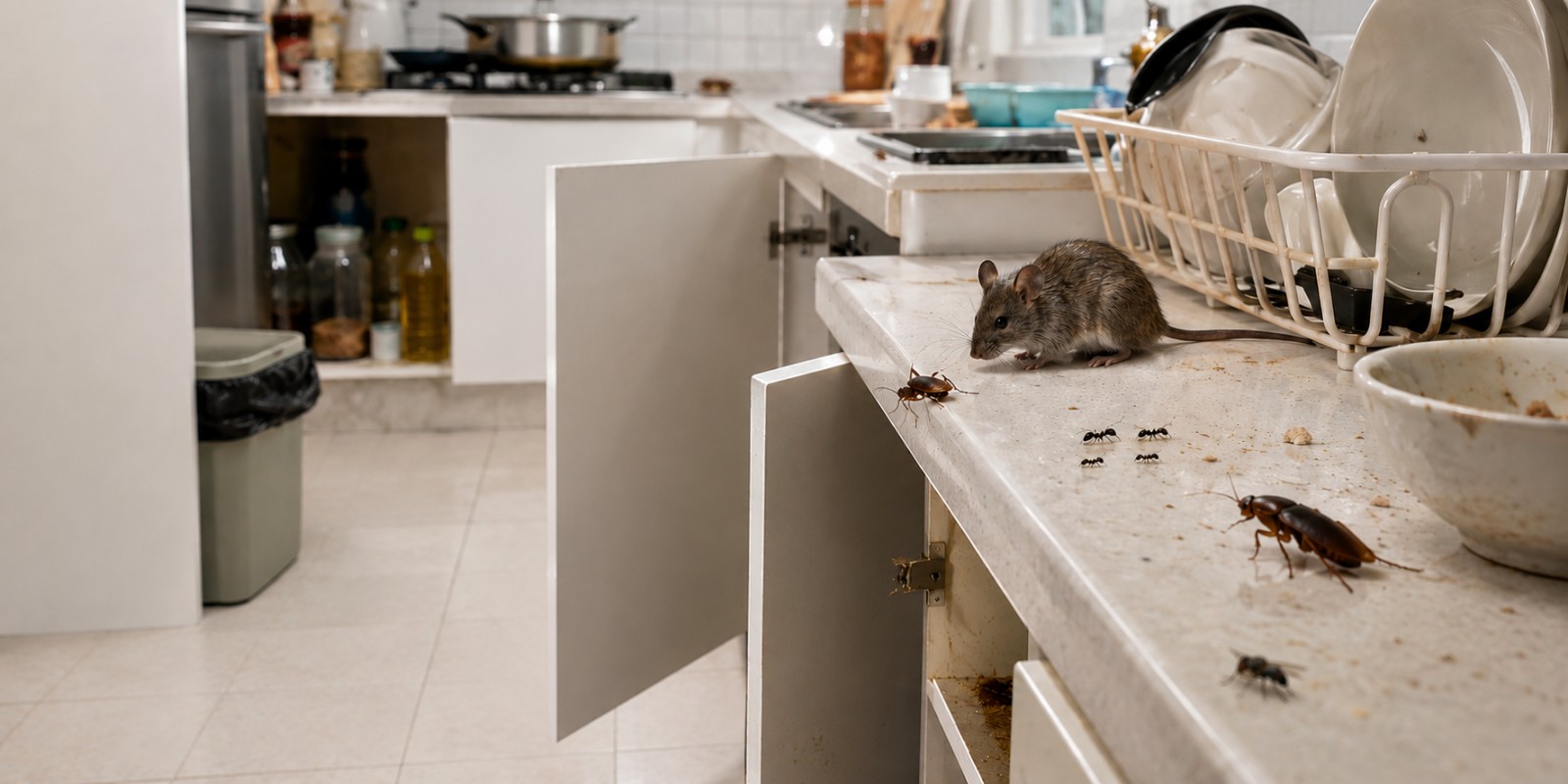
Repeated visible pest activity is one of the clearest signs that an infestation may be developing. The significance depends on the pest, where it appears and how frequently it is seen.
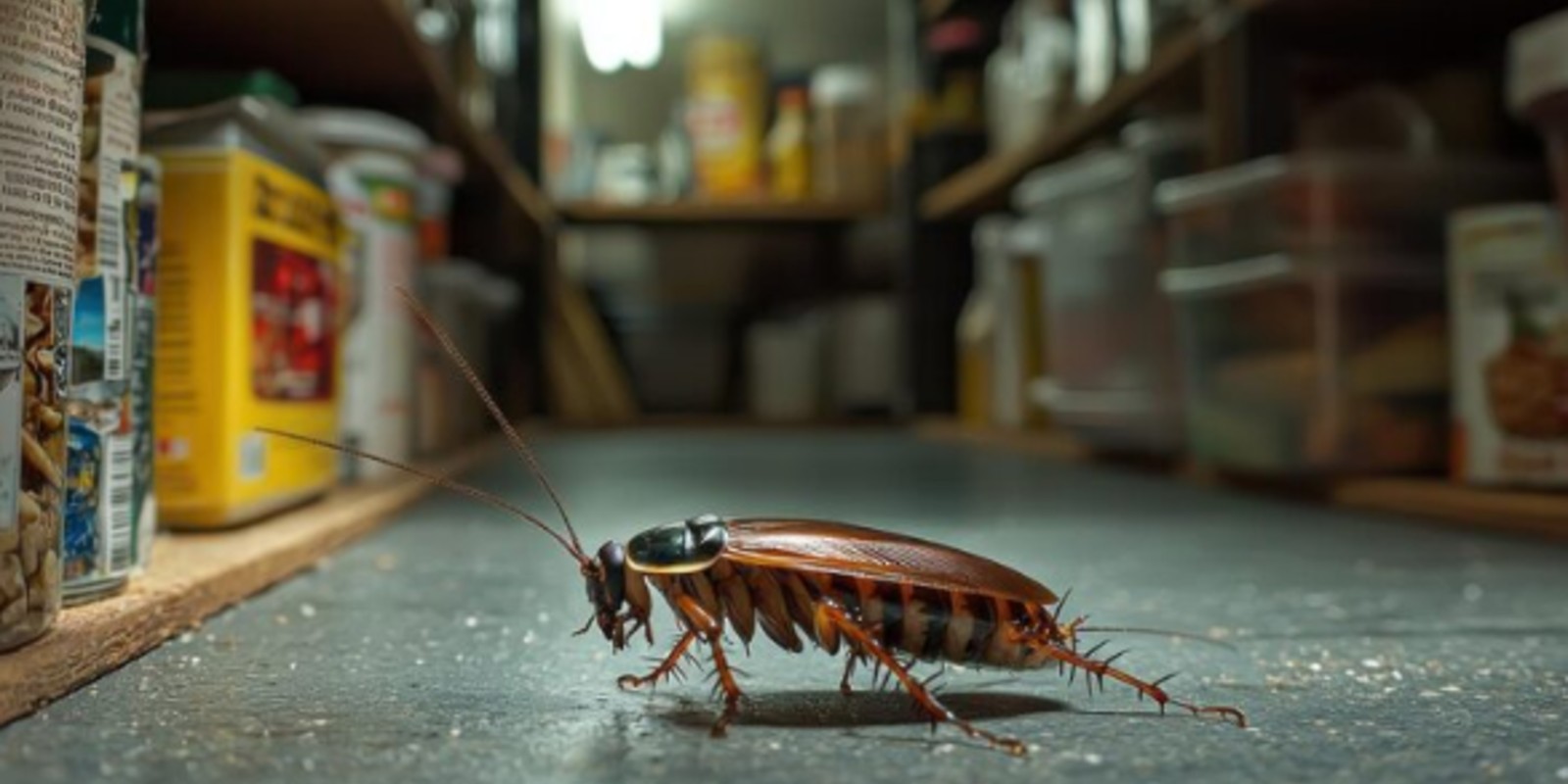
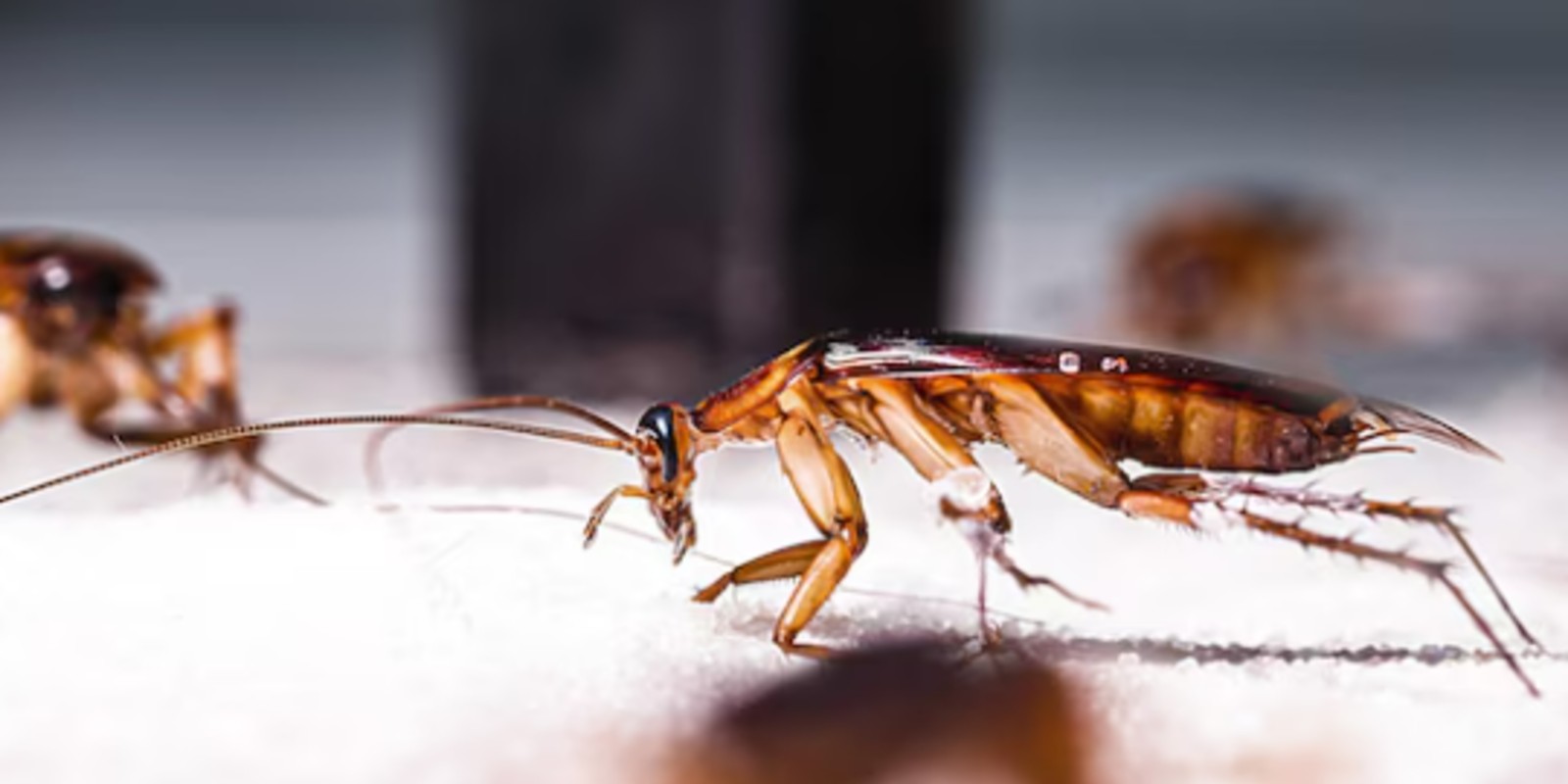
Some pests are naturally more visible than others. Ant workers regularly leave their nests to search for food, while cockroaches usually remain concealed during the day and become more active at night.
Repeated sightings should therefore be interpreted according to pest behaviour.
For example, seeing several cockroaches regularly in a kitchen may indicate nearby harbours. Finding termites emerging indoors may suggest a mature colony is present in or near the property.
Rodent sightings can also require investigation. Rats generally avoid people, so repeated sightings can indicate established movement routes or dependable access to food and shelter.
Keeping a simple record of when and where pests appear can help identify patterns before an inspection.
Droppings and Pest Traces

Droppings are common pest infestation signs because many pests leave evidence along feeding and movement routes. Their size, shape, and location can provide useful information about the type of pest involved.
Rat and mouse droppings may appear in cupboards, storerooms, ceilings, and around food. Cockroach droppings can appear as small dark spots or particles around harbourage and feeding areas.
Other physical traces can include:
- Shed insect skins or egg cases.
- Discarded termite wings.
- Rodent grease marks along regular routes.
- Footprints in dusty areas.
- Nesting material such as shredded paper.
Pest traces should not automatically be identified based on appearance alone. Some insect waste can resemble dirt, while construction debris may be mistaken for pest evidence.
Fresh evidence is generally more useful than old traces when determining whether activity is current.
Cleaning and documenting an affected area after inspection can help establish whether new droppings or other signs continue to appear.
Property Damage
Unexplained property damage can indicate pest activity even when the pests themselves are not visible. Different pests create different patterns of damage.
Rodents need to gnaw regularly and may damage packaging, plastic, timber, insulation, and electrical wiring. Repeated gnaw marks can indicate an active movement or feeding area.
Termites primarily damage cellulose-containing materials. Wood may become hollow, fragile, or internally channelled while the outer surface initially remains relatively intact.
Other insects may damage fabrics, stored products, or furniture depending on the species.
Property damage that may justify pest inspection includes:
- Hollow or weakened timber.
- Damaged food packaging.
- Gnawed cables or plastic.
- Unexplained holes in stored materials.
- Damaged skirting or wooden fixtures.
- Nesting material inside concealed areas.
Damage does not always prove that an active infestation remains. Old termite damage, for example, can remain visible long after activity has stopped.
Professional inspection helps distinguish current pest activity from historic damage or ordinary deterioration.
Unusual Odours and Sounds
Unusual smells and sounds can indicate hidden pest activity, particularly when they repeatedly originate from ceilings, walls, or enclosed spaces. These signs should be considered alongside physical evidence.
Rodents may produce scratching, gnawing, or movement sounds during quieter periods. Activity can be particularly noticeable at night when household or business noise decreases.
Persistent scratching from the same ceiling or wall area may justify inspection.
Certain pest infestations can also produce characteristic odours. Cockroach harbourage may develop a noticeable musty smell when populations become established.
Dead rodents inside inaccessible spaces can produce a strong decomposition odour.
However, sounds and smells are not specific enough to identify a pest by themselves.
Plumbing, building movement, electrical equipment, and other animals can produce similar noises. Drainage or moisture problems may also create unusual odours unrelated to pests.
Inspection should therefore confirm the source before pest treatment is selected.
Pest Activity Around Food and Storage Areas
Pest activity around food and storage areas requires particular attention because contamination can occur even when only limited evidence is visible. Cockroaches, rodents, ants, and flies commonly search these areas for food.
Signs of pests in house kitchens may include damaged packets, droppings inside cabinets, cockroach egg cases, or ant trails leading towards stored food.
Commercial food premises may also notice pest activity around:
- Receiving areas.
- Dry-food storage.
- Preparation equipment.
- Waste facilities.
- Drains and grease areas.
Contaminated food or damaged packaging should be handled appropriately rather than simply returning the item to storage.
The surrounding area should also be inspected because the damaged product may indicate a larger harbourage or entry problem.
Food should be stored in suitable closed containers where practical, and residues beneath appliances and shelving should be included in routine cleaning.
Nests, Eggs and Breeding Evidence
Nests, eggs or immature pests indicate that pests may be reproducing within or near the property. This can be more significant than an isolated adult pest entering from outside.
Cockroach egg cases may be found around protected harbours. Rodents can construct nests using paper, insulation, fabric and other soft materials.
Bed bug eggs and immature insects may be found around beds, furniture and nearby cracks.
Mosquito larvae in standing water indicate an active breeding source that should be addressed.
Breeding evidence should be handled according to the pest involved. Removing one nest or egg case may not eliminate the wider infestation if other harbourage remains.
A thorough inspection can determine whether activity is limited to one area or distributed throughout the property.
Unusual Pet Behaviour
Pets may sometimes react to pests before people notice visible evidence. Dogs or cats may repeatedly focus on a cabinet, wall, ceiling or appliance where rodents or other animals are moving.
This behaviour is not reliable proof of infestation.
Pets can react to ordinary household sounds, insects or smells unrelated to pests. However, repeated attention to one location combined with scratching noises, droppings or other evidence may justify inspection.
Pet food can also contribute to pest problems when left accessible for long periods.
Dry food should be stored securely, and bowls should be cleaned regularly. Where rodents or cockroaches are active, leaving pet food available overnight can provide a dependable food source.
Recurring Infestations
Recurring infestations are one of the strongest signs that the underlying cause has not been fully addressed. Pests may disappear temporarily after treatment and return when food, moisture, harbourage or entry points remain available.
Recurring activity does not always mean a treatment product failed.
A rat may be removed successfully while another enters through the same structural gap. Visible ants may be killed while the colony remains active inside a wall or outside the building.
Cockroaches can continue emerging when hidden egg cases and harbourage remain.
When pests repeatedly return, the property should be reassessed for:
- Hidden nests or harbours.
- Unsealed entry points.
- Food and water sources.
- Activity from neighbouring properties.
- Areas that were inaccessible during previous treatment.
Repeating the same treatment without investigating these conditions may continue producing only temporary results.
Increasing Pest Activity
An increase in the number or frequency of pest sightings can indicate that an infestation is expanding. Changes in pest behaviour may also be important.
Cockroaches that were previously seen occasionally at night but begin appearing regularly during daytime may indicate increased activity or disturbed harbourage.
More rodent droppings appearing across several rooms can suggest that movement routes are expanding.
A sudden increase does not always originate inside the property.
Construction, flooding, vegetation clearance, changes in waste collection or pest treatment at neighbouring properties can displace pests and cause them to move.
Inspection should consider both internal and external environmental changes.
Why DIY Pest Control May Not Be Enough
DIY pest control can help with minor, clearly identified pest problems, but it becomes less effective when infestations are concealed or established. Household products often target pests that occupants can see rather than the full population.
A spray may kill visible cockroaches without reaching harbourage behind cabinets.
A rodent trap may remove one rat while leaving the entry point open.
Household termite sprays may affect exposed termites while leaving concealed activity and the wider colony untouched.
DIY treatment becomes less suitable when:
- The pest cannot be identified confidently.
- Activity continues after repeated treatment.
- Multiple areas are affected.
- Structural damage is occurring.
- The infestation is hidden.
- Treatment presents safety concerns.
Repeated use of different products can also complicate professional treatment later, particularly when repellents interfere with baiting strategies.
Household pesticides should always be used according to their labels.
When to Schedule a Pest Inspection

A pest inspection should be scheduled when evidence suggests activity is persistent, concealed or capable of causing significant damage. Inspection is also useful when different possible causes need to be distinguished.
Professional assessment may be appropriate when repeated droppings, damage, nests or pest sightings are found.
Suspected termites should be investigated because damage can remain concealed within timber.
Recurring rodents should also be assessed because removing individual animals does not resolve structural entry points.
Businesses may need earlier intervention because pest activity can affect food, stock, employees or customers before an infestation becomes severe.
The purpose of inspection is to establish:
- Which pest is present?
- Where it is active.
- How extensive the activity appears to be.
- What conditions support the infestation.
- What treatment and prevention measures are appropriate.
Treatment should follow these findings rather than relying solely on the customer's initial assumption about the pest.
What to Expect From Professional Treatment
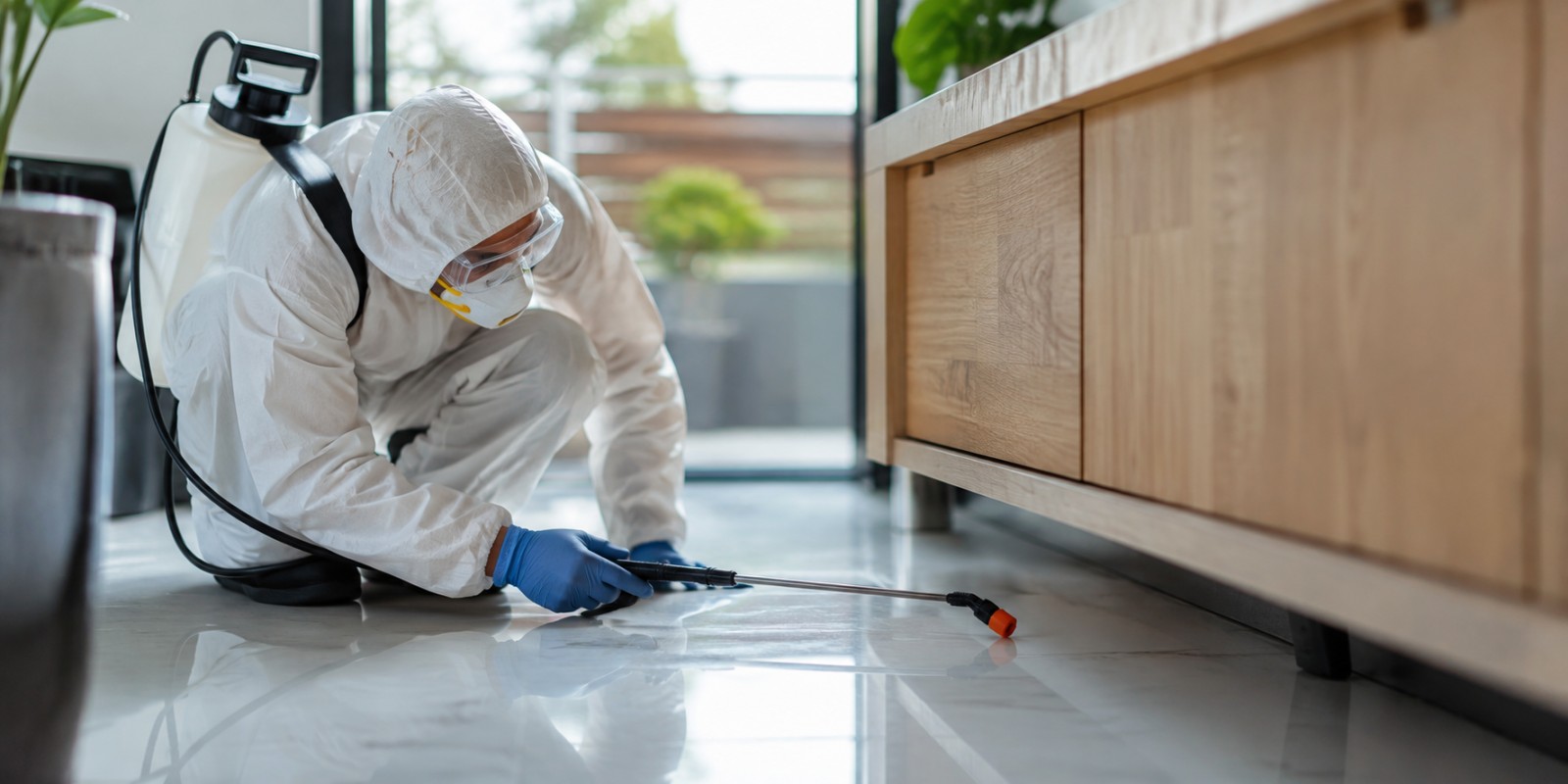
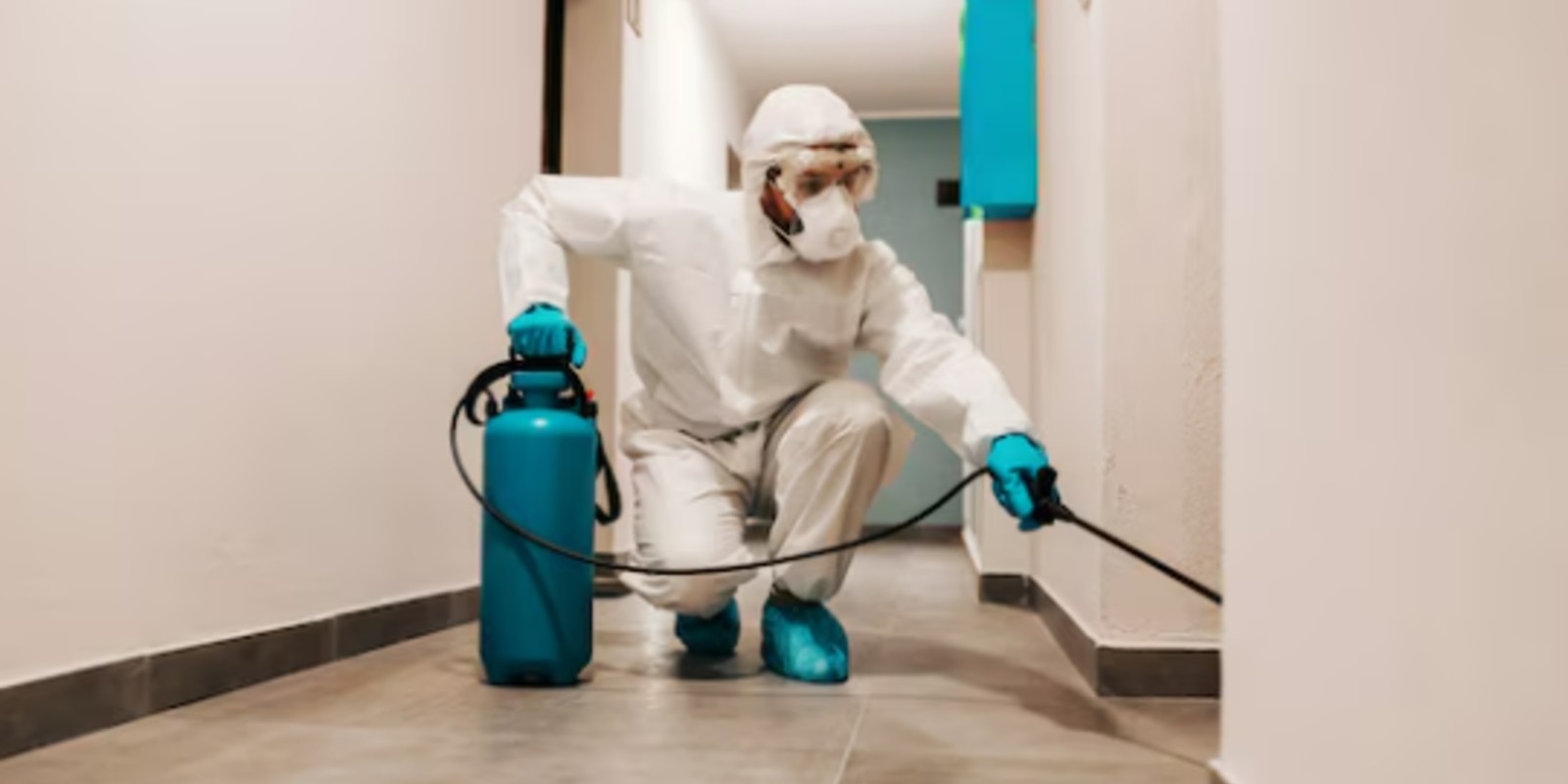
Professional pest treatment normally begins with assessment rather than immediate broad pesticide application. The technician should inspect relevant areas and identify available evidence.
Once the pest and likely source have been determined, an appropriate management plan can be developed.
Treatment may involve baiting, trapping, targeted pesticide application, monitoring or other pest-specific methods.
Property owners may also receive recommendations concerning sanitation, moisture or structural maintenance.
For example, a technician treating rodents may identify a damaged door or pipe opening requiring repair. Cockroach management may include recommendations to remove grease or repair leaks.
Follow-up may be necessary for established infestations.
The purpose of follow-up is to determine whether activity is declining and whether the treatment strategy requires adjustment.
Preventing the Problem After Treatment
Prevention remains necessary after professional treatment because pests can return when the conditions that originally attracted them remain unchanged. Treatment and prevention therefore perform different roles.
Treatment reduces or eliminates current pest activity.
Prevention reduces the likelihood that pests can enter, feed, or establish harbours again.
Basic preventive measures include:
- Keeping food properly stored.
- Managing household and commercial waste.
- Repairing leaking pipes.
- Removing standing water.
- Sealing appropriate structural gaps.
- Reducing unnecessary clutter.
The most relevant measures depend on the pest.
Termite prevention may require attention to soil, timber and moisture, while rodent prevention places greater emphasis on structural proofing and food access.
Frequently Asked Questions (FAQs)
What are the main signs you need pest control?
Repeated pest sightings, fresh droppings, unusual sounds, damaged materials, nests and recurring infestations are common warning signs. The significance depends on the pest and how frequently the evidence appears.
Does seeing one pest mean I have an infestation?
Not necessarily. One pest may have entered accidentally from outside. Repeated sightings, breeding evidence, or additional traces provide stronger indications of established activity.
Why do I keep seeing pests after using household sprays?
Household sprays may kill visible pests without reaching eggs, nests, or hidden harbourage. Food, moisture, and structural entry points can also allow the infestation to continue.
Are pest droppings enough to identify an infestation?
Droppings provide useful evidence, but identification should consider their size, location and other signs. Old droppings may also remain after the pest is no longer active.
When should termite signs be professionally inspected?
Mud tubes, discarded termite wings, hollow timber, or unexplained wood damage should be assessed promptly. Termite activity can remain concealed beyond the visible area.
Should businesses wait until pests are visible before calling pest control?
Businesses can benefit from earlier inspection and monitoring, particularly where food, stock or customers may be affected. Waiting for frequent sightings can allow an infestation to become established.
What happens if pests return after professional treatment?
The property should be reassessed to determine whether hidden harbourage, new entry points or environmental conditions are allowing activity to continue. Follow-up treatment may be necessary depending on the findings.
Recognising When Pest Activity Needs More Attention
Pest problems become more concerning when evidence is repeated, widespread or associated with damage. Visible insects or rodents are only one warning sign; droppings, nesting material, sounds, odours, and damaged property can reveal activity that otherwise remains concealed.
Minor pest activity can sometimes be addressed through sanitation and household measures. Persistent or unexplained infestations require a different approach because the source must be identified before effective long-term control is possible.
Recognising these warning signs early allows homeowners and businesses to respond based on evidence rather than waiting until pest activity becomes more difficult to manage.
Get the Source of the Pest Problem Assessed
Recurring pest activity or unexplained signs can indicate that pests are entering or harbouring in areas that are difficult to identify without inspection. If you are a homeowner or business looking for expert pest control solutions, book an appointment with ZB I Tech Sdn Bhd to have the affected property assessed and determine which professional pest treatment measures are appropriate.