Skip to content
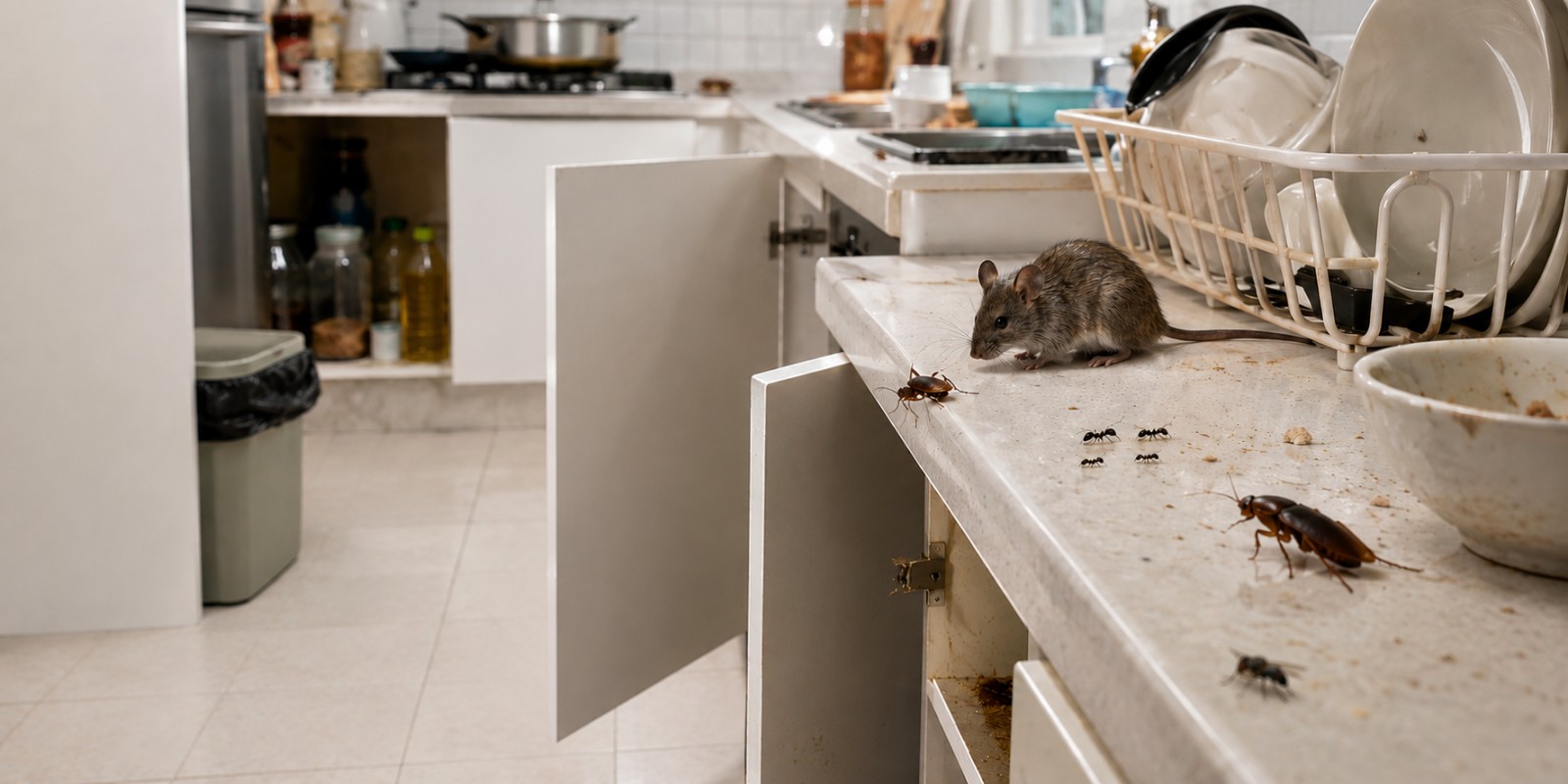
A few household pests in Malaysia that homeowners commonly encounter are cockroaches, ants, rats, flies, mosquitoes, and termites. Malaysia's warm, humid climate, frequent rainfall, and year-round availability of food, water, and shelter can create suitable conditions (harbourage) for these pests to remain active in and around residential properties.
A household pest infestation does not necessarily mean a home is poorly maintained. Pests can enter through drains, doors, structural gaps, utility openings, gardens, deliveries and neighbouring properties. However, accessible food, moisture, waste and undisturbed harbourage can make it easier for them to remain and reproduce.
Effective pest control for homes therefore combines early detection with sanitation, waste management, moisture reduction, structural maintenance and appropriate treatment when an infestation develops.
Understanding which pests are present is the first step. Different household pests behave differently, and prevention should be based on the pest's food sources, breeding areas and entry routes rather than applying the same method to every problem.
Common Household Pests in Malaysia
Common household pests in Malaysia vary according to property type, surrounding environment, and available resources. Cockroaches, ants, rats, flies, mosquitoes, and termites represent different types of pest problems and require different prevention strategies.
Cockroaches
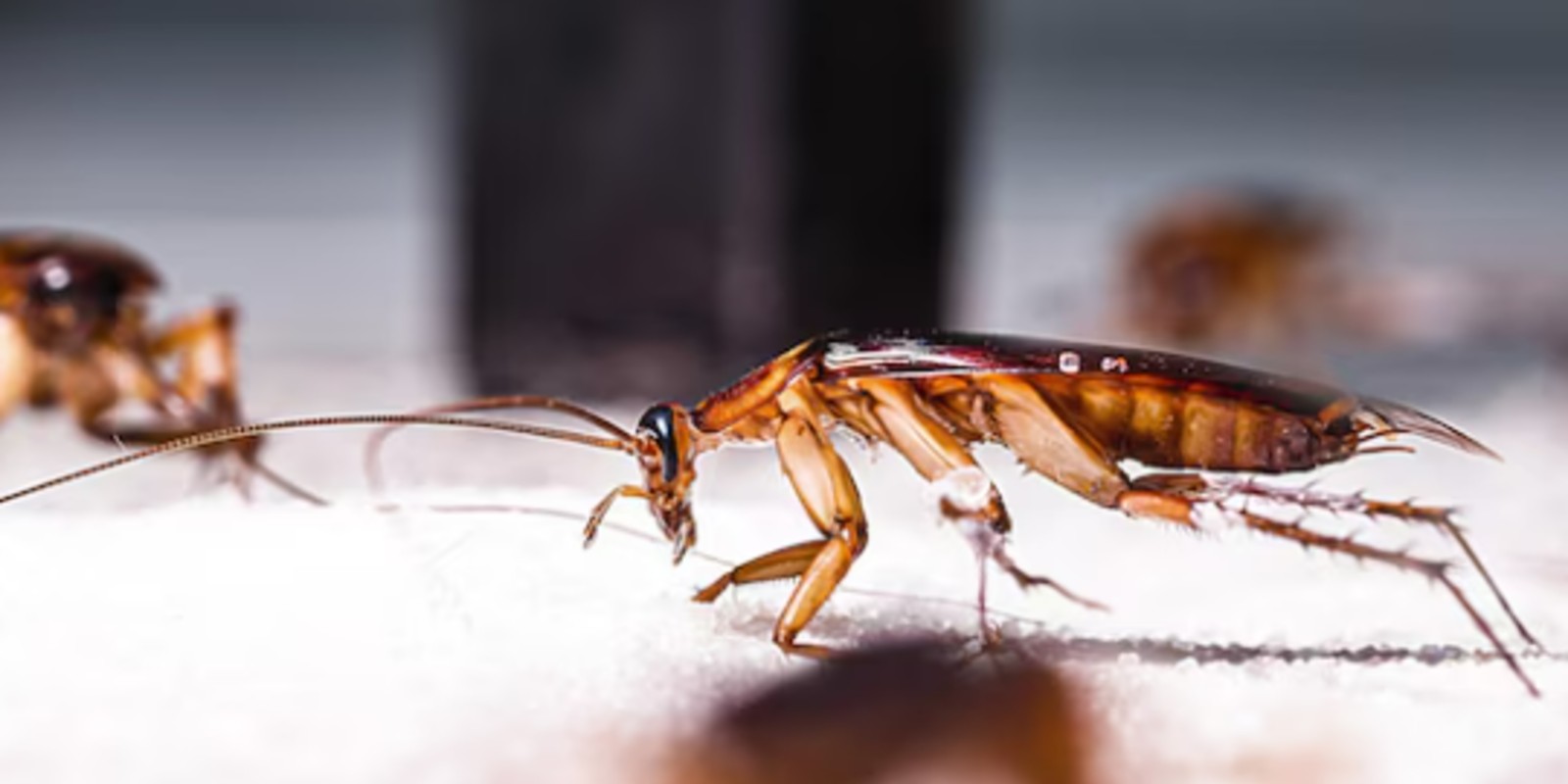
Cockroaches commonly seek food, moisture, warmth, and protected harbourage inside homes.
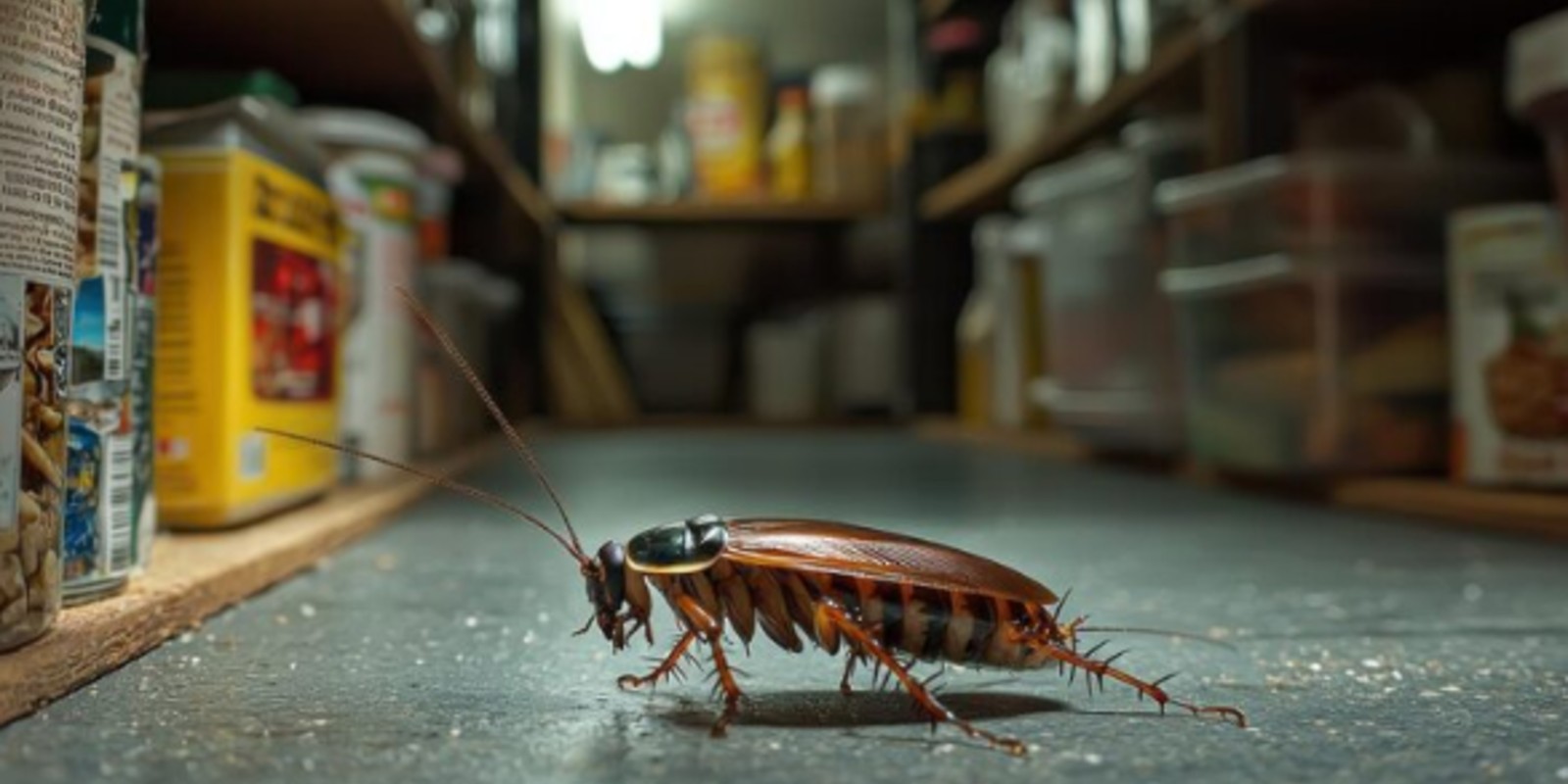
Kitchens, bathrooms, drains, and areas around appliances can provide suitable conditions. Smaller German cockroaches may establish indoor populations around kitchens, while larger cockroach species may be associated with drainage and utility environments.
Cockroach prevention should focus on food residue, moisture, waste and potential harbourage.
Ants
Ants usually enter homes while searching for food and water.
Visible ant trails may extend from a food source to a nest located inside or outside the building.
Killing only the visible worker ants may not resolve an established colony. Food management, cleaning, and identification of movement routes are important components of prevention.
Rats
Rats enter residential properties in search of food, water, and shelter.
They may use ceilings, kitchens, storerooms, drains, and concealed structural areas.
Rodent prevention requires particular attention to food storage, rubbish, and structural entry points because removing individual rats without addressing access can lead to recurring problems.
Flies
Flies are often associated with food, waste, and organic material.
Some fly problems can persist when breeding sources remain available even after adult flies are removed.
Waste management and identification of breeding material are therefore important.
Mosquitoes
Mosquitoes require suitable water sources for their immature stages.
Containers, clogged drainage areas and other locations where water remains can potentially support mosquito breeding.
Removing unnecessary standing water is therefore an important household prevention measure.
Termites
Termites are different from many other household pests because they can feed on cellulose-containing materials and may damage timber or other susceptible building components.
Termite activity can remain concealed.
Mud tubes, damaged timber, and other warning signs should be professionally assessed because termite infestations generally require specialised termite-control methods rather than ordinary household pest treatment.
Why Homes Attract Pests
Homes attract pests when they provide accessible food, water, shelter and entry routes. These conditions can exist even in properties that appear clean and organised.
Kitchens are particularly attractive because small amounts of food can accumulate beneath appliances, inside cabinets, and around cooking areas.
Pet food can provide another source.
Moisture also matters.
A slow leak beneath a sink may support cockroaches or other pests without being immediately noticeable. Bathrooms, drains and utility spaces can provide additional damp environments.
Shelter can come from clutter, cardboard, storage materials and structural cavities.
External conditions also influence household pest activity. Gardens, rubbish areas, drainage systems and nearby buildings can provide pest populations that occasionally enter the home.
Prevention therefore requires looking at both the interior and the immediate property environment.
Signs of a Household Pest Infestation

Signs of infestation vary by pest, but repeated sightings, droppings, physical damage, nests, unusual sounds and pest-related biological material can indicate established activity.
Cockroach infestations may produce droppings, egg cases, shed skins and nymph sightings.
Rats may leave droppings, gnaw marks, tracks or nesting material. Scratching sounds from ceilings or concealed spaces may also warrant investigation.
Ant trails can indicate consistent movement between a food source and colony.
Termite warning signs can include mud tubes or timber that appears damaged or hollow when inspected.
Property owners should consider patterns rather than isolated observations.
A single pest entering from outdoors may not represent an established household pest infestation. Repeated evidence in the same area or multiple life stages provides a stronger reason for closer inspection.
Health and Property Risks
Household pests can create different health, hygiene, and property risks depending on the species involved. Correct identification is necessary because the consequences of a cockroach problem differ substantially from those of rats or termites.
Cockroaches and flies can move between waste, drains, food areas and other environments, creating opportunities for contamination.
Rats can contaminate areas through droppings, urine and contact with food or surfaces.
Mosquitoes are important because certain species can transmit disease.
Termites represent primarily a property concern because established colonies can damage susceptible materials while remaining concealed.
The level of risk depends on the infestation and environment.
Seeing one pest does not mean that a person has been exposed to a particular illness or that structural damage has occurred.
However, recurring evidence should not be ignored because allowing an infestation to develop can increase contamination, damage and the complexity of eventual treatment.
Cleaning and Prevention Tips
House pest prevention begins with reducing the everyday resources that allow pests to survive. Cleaning is important, but effective prevention requires attention to areas that ordinary surface cleaning can miss.
Kitchen floors and counters may look clean while crumbs and grease remain beneath appliances.
Cabinets and storage areas should therefore be checked periodically.
Bathrooms and plumbing areas also deserve attention because persistent moisture can support pest activity.
Clutter should be managed where practical.
Undisturbed cardboard and stored materials can provide protected harbourage while making droppings or other evidence harder to notice.
Prevention is most effective when these practices become routine rather than temporary measures introduced only after pests appear.
Food Storage and Waste Management
Food storage and waste management reduce two of the most important resources available to household pests. Small amounts of accessible food can support cockroaches, ants and rodents even when a home generally appears clean.
Dry foods should be stored appropriately, particularly after packaging has been opened.
Food spills should be cleaned rather than allowed to remain inside cabinets or beneath containers.
Pet food should also be considered.
Leaving it exposed for long periods, particularly overnight, can provide another feeding opportunity.
Rubbish bins and surrounding areas require regular cleaning.
Removing the rubbish bag does not remove food residue that has leaked or accumulated around the bin.
Several practical measures can reduce pest access to food:
- Clean spills and crumbs promptly.
- The store opened food appropriately.
- Avoid leaving unnecessary food exposed overnight.
- Manage pet food and feeding areas.
- Remove rubbish consistently.
- Clean waste containers and surrounding surfaces.
These practices support both pest prevention and professional treatment when an infestation is already present.
Sealing Entry Points
Sealing relevant entry points can reduce the ability of pests to enter a home or move between concealed and occupied spaces. Different pests require attention to different types of openings.
Rats can exploit structural gaps around doors, roofs and utility penetrations.
Cockroaches may use smaller cracks, plumbing routes and drainage-related access.
Ants can enter through very small openings while following food sources.
A basic inspection should consider gaps around pipes, doors, windows, utility lines and other building penetrations.
Damaged screens or seals should also be assessed where relevant.
However, proofing should be targeted.
Randomly sealing every visible crack without identifying pest movement may not resolve an established infestation.
When pests are already breeding inside the property, exclusion normally needs to work alongside appropriate treatment.
Reducing Moisture
Reducing unnecessary moisture makes a property less favourable to pests that depend on accessible water. Kitchens, bathrooms and utility areas are particularly important.
Leaking taps and pipes should be repaired where practical.
Water collecting beneath sinks or appliances should be investigated rather than repeatedly wiped away without identifying the cause.
Standing water outside the home also deserves attention, particularly where containers or drainage conditions allow water to remain for extended periods.
Drain maintenance can form part of prevention as well.
Cockroaches and other pests may use drainage-related environments depending on the species and building.
Moisture reduction does not mean that every part of a home must remain completely dry. The objective is to remove unnecessary water sources that provide pests with dependable resources.
Preventing Pests Around the Exterior
Exterior pest prevention reduces the likelihood that pests living around the property will find easy access indoors. Gardens, rubbish areas, drains and stored materials can all influence pest pressure.
Vegetation immediately around a building should be maintained where it creates pest harbourage or contact with the structure.
Outdoor rubbish should also be managed appropriately.
Items stored against exterior walls can create undisturbed shelter for some pests.
Drainage conditions should be checked when standing water or persistent pest activity is observed.
Doors and other access points should remain in reasonable condition.
Exterior prevention is particularly important because indoor treatment cannot permanently stop pests that continually enter from an unresolved source outside.
When DIY Prevention Is Not Enough
DIY prevention may not be enough when pests are actively breeding, repeatedly returning or causing widespread evidence throughout the property. At that stage, cleaning and proofing should support treatment rather than replace it.
Repeated cockroach nymphs or egg cases can indicate indoor reproduction.
Regular rat droppings after traps have been used can suggest continuing activity or unresolved access.
Termite evidence should receive particular attention because the infestation may extend into concealed building components.
Professional assessment becomes more relevant when:
- Pest activity persists after household measures.
- Several rooms are affected.
- The infestation source cannot be identified.
- Breeding evidence is present.
- Property damage is occurring.
- The same infestation repeatedly returns.
The objective of professional assessment is to identify what is sustaining the infestation and determine which pest control method is appropriate.
When to Call a Professional

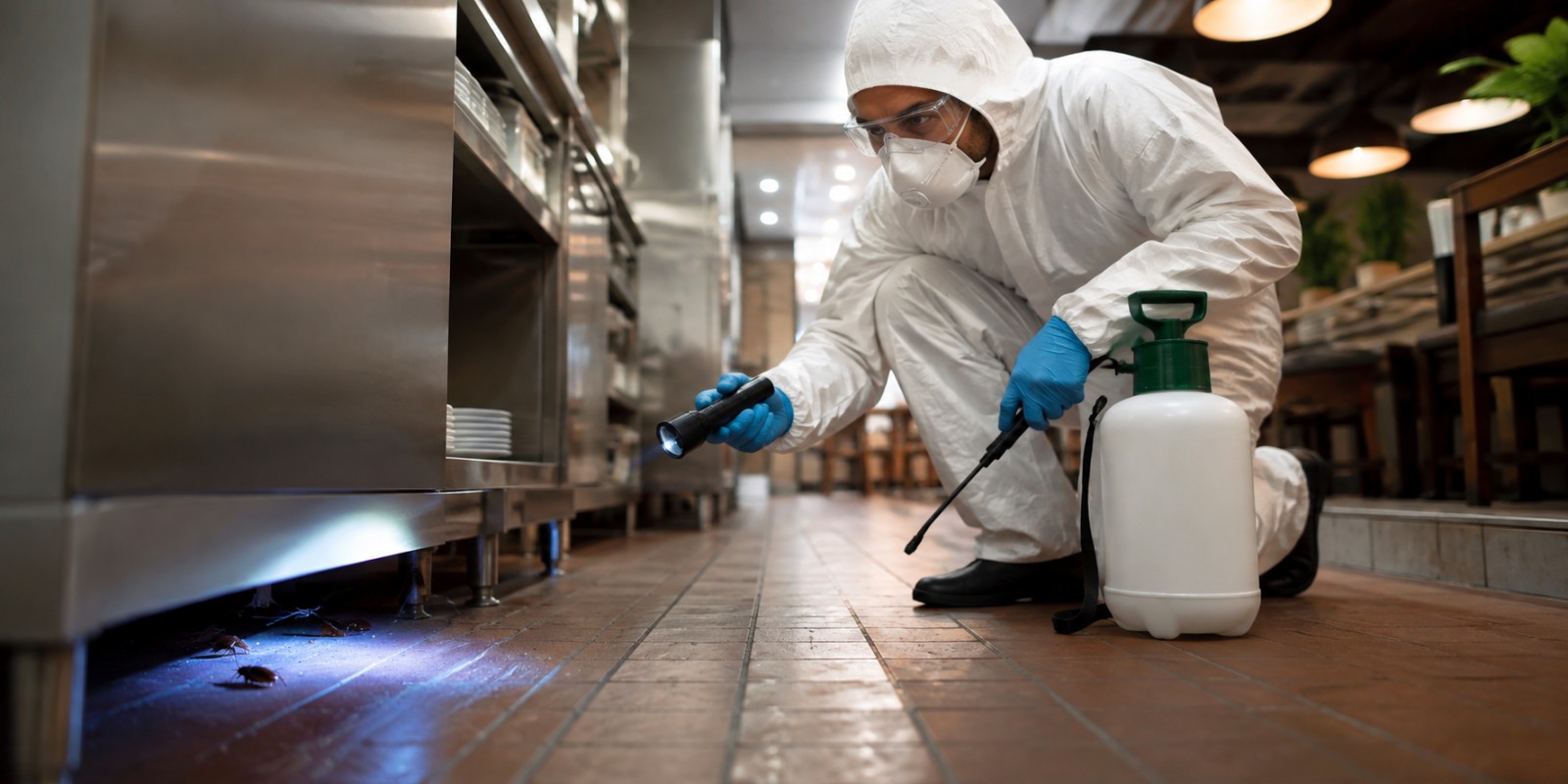
Professional pest control should be considered when infestation evidence indicates that the problem extends beyond an isolated pest sighting. Inspection can help distinguish between occasional entry and an established population.
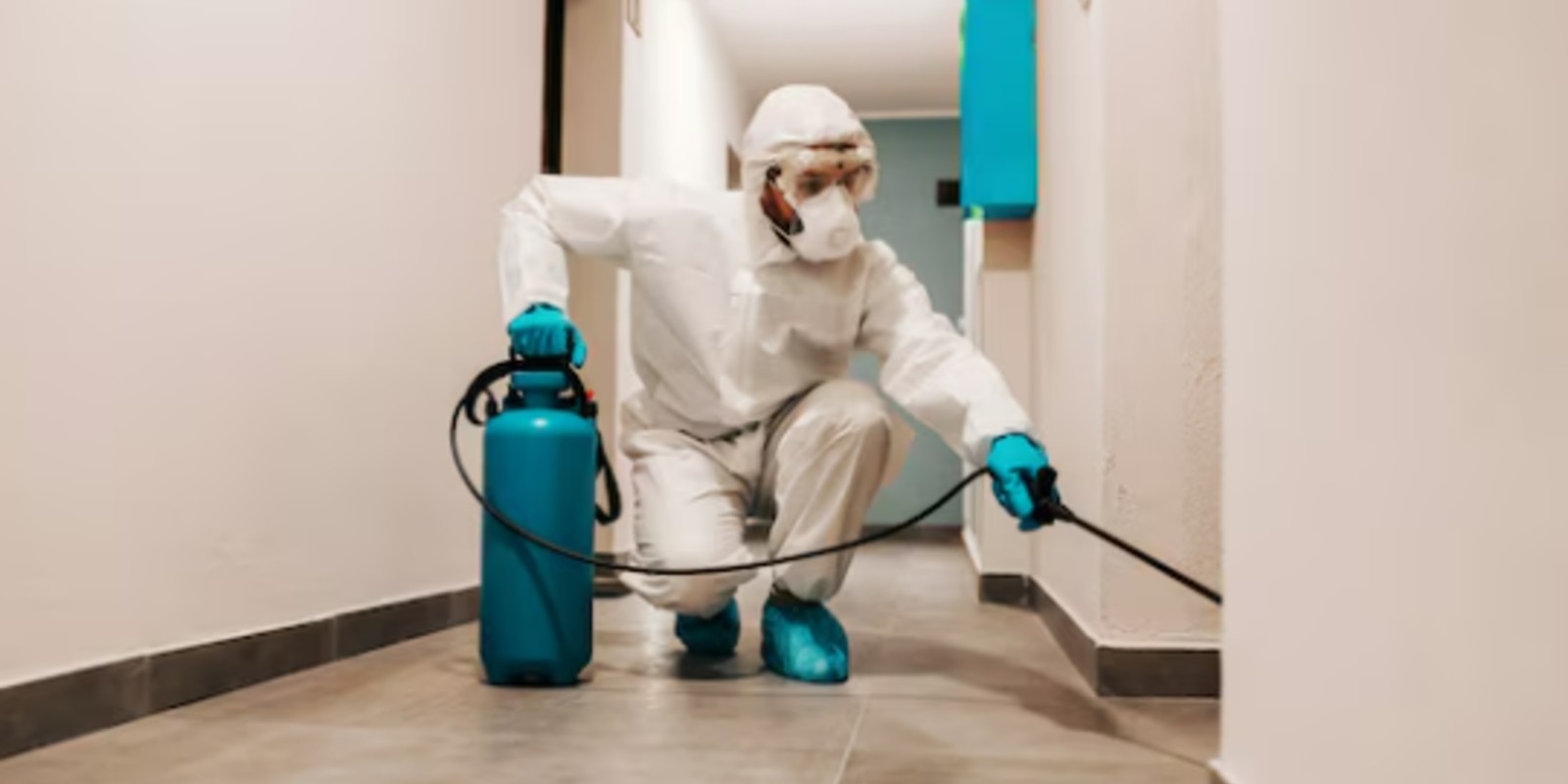
A pest-control technician can examine active areas, identify the pest and assess likely harbourage or entry routes.
Treatment can then be selected according to the infestation.
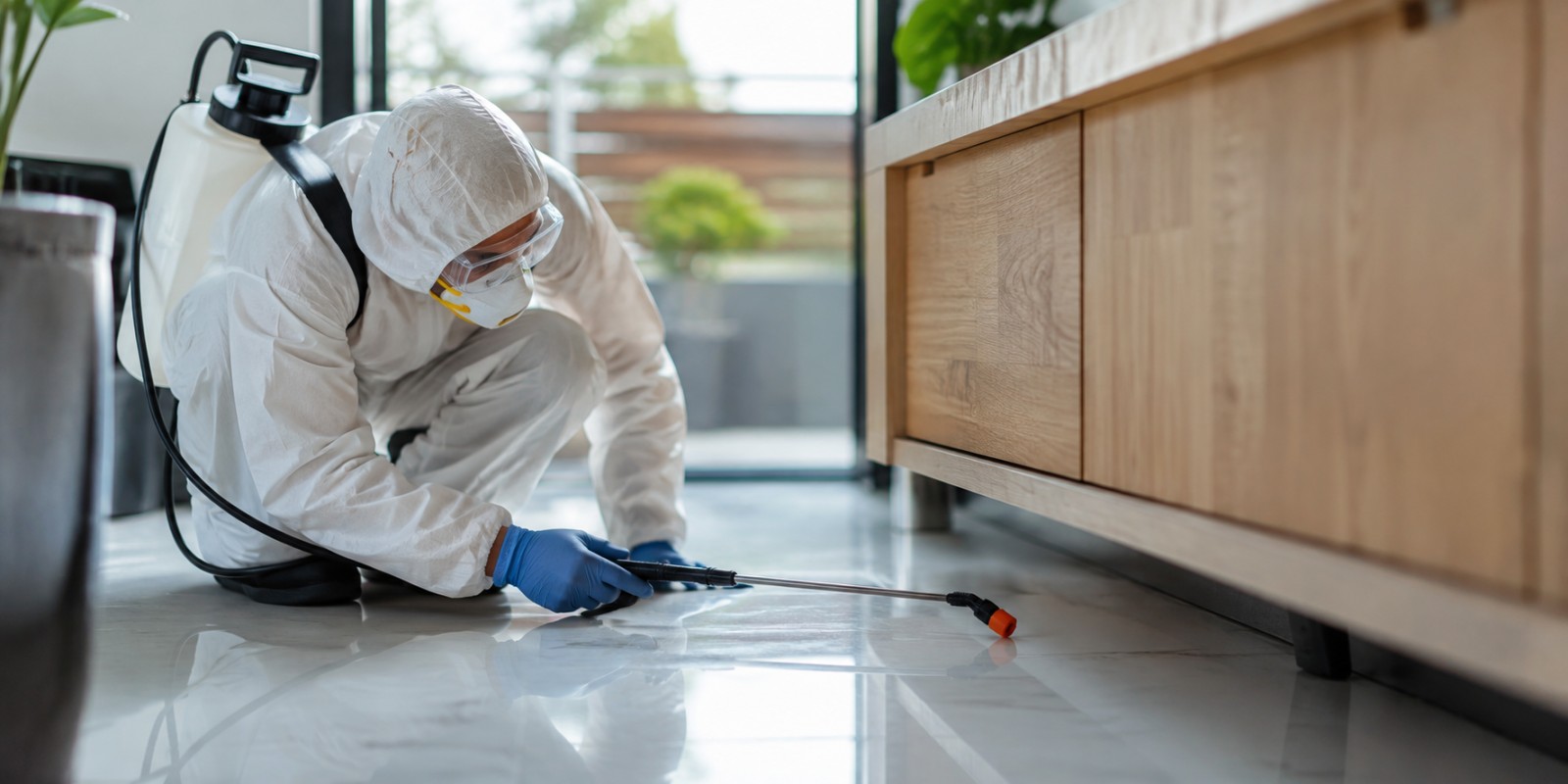
Cockroach treatment may involve baiting and targeted applications. Rat management can involve trapping, baiting, proofing and monitoring. Termites normally require specialised inspection and treatment.
Professional pest management should also consider prevention.
If treatment removes the current population but food, moisture or structural access remains unchanged, the property may remain vulnerable to another infestation.
Building a Household Pest Prevention Routine
A household pest prevention routine should combine regular inspection with sanitation, food management, moisture control and structural maintenance. Different areas of the home require different priorities.
| Area | Main Pest Prevention Focus |
|---|---|
| Kitchen | Food residue, storage, appliances and waste |
| Bathroom | Moisture, drains and plumbing |
| Storeroom | Clutter, cardboard and inspection access |
| Ceiling or roof | Rodent access and activity signs |
| Exterior | Waste, vegetation, drainage and openings |
| Doors and utilities | Structural entry points |
The routine does not need to involve pesticide application when there is no evidence of infestation.
Preventive pest management is primarily about identifying conditions that could support pests and correcting them before a larger problem develops.
Regular observation is especially useful.
Changes such as new droppings, insect activity or gnaw marks should prompt investigation rather than waiting until pests become frequently visible.
Frequently Asked Questions (FAQs)
What are the most common household pests in Malaysia?
Common pests can include cockroaches, ants, rats, flies, mosquitoes, and termites. The pests encountered depend on the property, surrounding environment, and available food, water, and shelter.
Why do pests enter clean homes?
Clean homes can still provide moisture, warmth, structural access or concealed food residues. Pests may also enter through drains, doors, utility openings, deliveries or neighbouring environments.
What is the best way to prevent household pests?
Effective prevention combines food and waste management, moisture control, structural maintenance, reduced harbourage and regular monitoring. Different pests may require additional species-specific measures.
Does cleaning prevent all pest infestations?
No. Cleaning reduces pest resources but cannot eliminate every possible entry route or external pest source. It should form part of a broader prevention strategy.
Should I use pesticides regularly to prevent pests?
Routine pesticide use is not automatically necessary when no pest activity is present. Inspection, sanitation, exclusion and monitoring can form the foundation of preventive pest management.
How do I know whether I have an infestation?
Repeated sightings, droppings, nests, egg cases, damage and other recurring evidence can indicate established activity. The relevant signs depend on the pest species.
When should I contact a pest-control professional?
Professional assessment should be considered when pests repeatedly return, breeding is evident, several areas are affected, property damage is occurring or household measures have not resolved the problem.
Creating a Home That Is Less Suitable for Pests
Household pests in Malaysia can enter properties for many reasons, but whether they remain often depends on the resources and shelter they find once inside. Food residue, water, waste, clutter and structural openings can transform occasional pest activity into an established infestation.
Prevention should therefore focus on reducing these conditions.
Cleaning concealed areas, storing food appropriately, maintaining waste areas and correcting moisture problems can reduce available resources. Structural maintenance and monitoring provide additional protection by limiting access and identifying new activity early.
Different pests still require different responses. Cockroaches, rats, ants, mosquitoes and termites should not be managed with a single generic treatment.
Understanding the pest and its behaviour allows household prevention to become more targeted and makes it easier to recognise when professional pest control is necessary.
Keep Household Pest Problems From Becoming Established
Repeated droppings, pest sightings, damage or other infestation signs can indicate that prevention alone is no longer addressing the source. Homeowners can book an appointment with ZB I Tech Sdn Bhd to identify household pest activity and determine an appropriate general pest control and prevention approach.