Skip to content

Rats pose a serious threat to any commercial or residential property. Signs of rats infestation include fresh droppings, gnaw marks, scratching sounds, grease marks, tracks, nesting materials and repeated sightings of live or dead rats. Because rats are generally cautious and often most active when people are less active, an infestation can develop before occupants regularly see the rodents themselves.
In Malaysian homes and businesses, food, water, shelter and accessible entry points can allow rats to establish themselves around kitchens, storerooms, ceilings, waste areas and building service spaces. Identifying rodent activity signs early can help property owners locate the source and address conditions supporting the infestation.
A single sign does not always confirm an established rat population. The location, freshness and frequency of evidence should be considered together before determining the extent of the problem.
Why Early Rat Detection Matters
Early rat detection matters because rats can reproduce, spread through different parts of a property and contaminate areas they use for feeding or movement. Delaying investigation can allow a relatively limited problem to become more difficult to manage.
Rats tend to avoid exposed areas when safer routes are available. They may move behind equipment, above ceilings, inside service areas or along walls where they are less likely to encounter people.
This means the absence of daytime sightings does not necessarily indicate the absence of rats.
Early identification also makes it easier to investigate how rodents are entering the property. An effective rat inspection should consider not only where rats are currently active but also the food, water, harbourage and structural access supporting them.
Rat Droppings
Rat droppings are among the most common physical signs of rat activity. They are often found along regular movement routes, around food sources and near nesting or harbour areas.
Possible locations include cupboards, storerooms, kitchens, ceilings, utility rooms and areas behind equipment.
Fresh droppings can indicate recent activity, while older droppings may remain after rodents have moved elsewhere or been controlled.
The amount and distribution of droppings can provide clues about how rats are using the property. Repeated fresh droppings in several locations may suggest broader movement than evidence confined to one area.
Rat droppings should be handled carefully because rodent waste can contaminate surfaces. Avoid unnecessary direct contact and follow appropriate hygiene practices when cleaning affected areas.
Droppings alone should not be used to estimate the exact number of rats present. One animal travelling frequently through an area can leave considerable evidence.
Rat Gnaw Marks

Rat gnaw marks occur because rodents need to wear down continuously growing front teeth. Rats may gnaw wood, plastic, packaging, cables and other materials found around a property.
Fresh gnawing can appear lighter than older damage because the newly exposed material has not yet darkened or become dirty.
Common locations for gnaw marks include:
- Food packaging and storage containers
- Doors and wooden fixtures
- Plastic pipes or containers
- Electrical cables
- Boxes and stored materials
Gnawed food packaging is particularly important because the contents may have been contaminated and should be handled appropriately.
Damage to electrical wiring may also create a separate safety concern requiring assessment by a qualified professional.
Finding gnaw marks does not automatically identify the exact rodent species. Their size, location and surrounding evidence should be considered during a rat inspection.
Scratching and Movement Sounds
Scratching, scurrying or gnawing sounds can indicate rats moving inside ceilings, walls or other concealed spaces. These noises are often more noticeable when the building becomes quiet.
Rats can use ceiling spaces, wall cavities and service routes to move between feeding and nesting locations.
Occupants may hear activity at night in residential properties or during quiet periods in commercial premises.
Repeated sounds from the same location deserve investigation, particularly when accompanied by droppings, gnaw marks or other rodent activity signs.
However, noises alone do not confirm rats.
Building movement, plumbing, birds and other animals can produce similar sounds. Inspection should therefore look for physical evidence before determining the cause.
Grease Marks and Tracks
Grease marks can develop where rats repeatedly travel along the same surfaces. Oils and dirt from their bodies can gradually leave dark marks along walls, pipes, beams or openings.
Rats often prefer travelling close to walls and other physical boundaries rather than crossing exposed areas.
Repeated use of the same route can therefore produce visible evidence over time.
Tracks may also appear in dusty or dirty locations. Footprints and tail marks can provide clues about movement between harbourage and feeding areas.
These signs are particularly useful in areas where rats themselves are rarely seen.
A professional inspection may also use monitoring devices to confirm whether suspected routes remain active rather than relying entirely on old marks.
Nesting Materials
Rat nesting materials can indicate that rodents have established harbours within or close to the property. Rats may use paper, cardboard, fabric, insulation and other soft materials when constructing nests.
Nests are generally located in sheltered areas where disturbance is limited.
Potential locations include:
- Ceiling and roof spaces
- Storerooms
- Wall voids
- Areas behind equipment
- Cluttered storage sections
- Protected external areas
Shredded materials alone do not confirm a rat nest because ordinary wear or other animals can create similar debris.
Fresh droppings, gnawing or movement around the same location strengthens the evidence.
Removing nesting material without addressing nearby entry points and food sources may not resolve the infestation. Rats can relocate or rebuild if the property remains suitable.
Signs in Kitchens and Food Areas
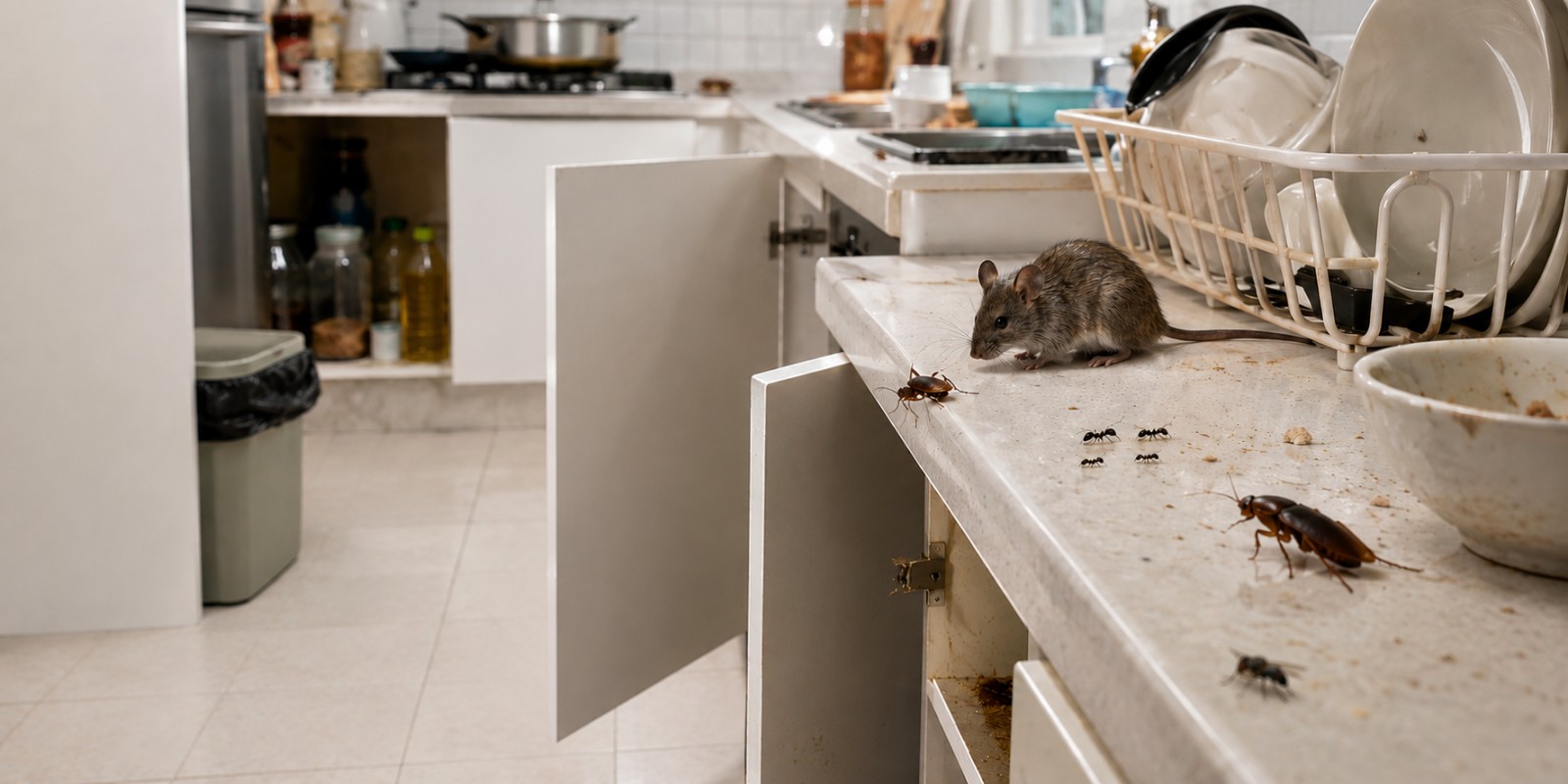
Rat activity in kitchens and food storage areas requires prompt attention because rodents can contaminate food, packaging and preparation surfaces. Food availability is one of the main reasons rats continue returning to a property.
Possible signs include damaged food packets, droppings inside cabinets, gnawed containers and movement behind appliances.
Food debris beneath equipment can provide a dependable feeding source even when visible work surfaces appear clean.
Commercial premises should pay particular attention to receiving, storage and waste-handling areas because food can become accessible at several points in the operation.
Important areas to inspect include:
- Dry-food storage
- Spaces beneath and behind equipment
- Waste collection areas
- Delivery and loading zones
- Drains and utility penetrations
- Pet or animal feed storage where applicable
Cleaning should extend to difficult-to-reach locations rather than focusing only on visible surfaces.
Signs in Storerooms and Warehouses
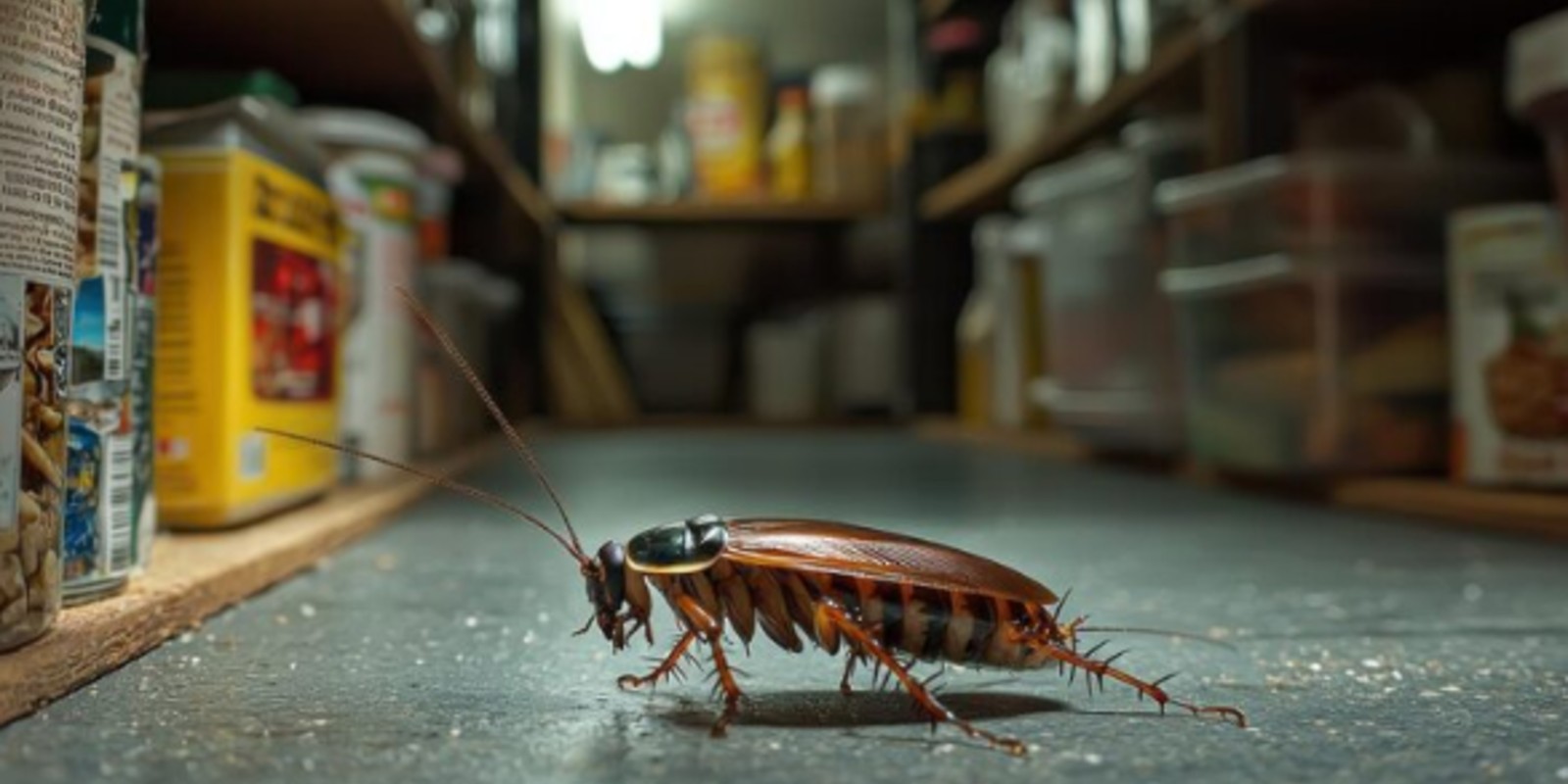
Storerooms and warehouses can provide rats with shelter because stored goods create protected spaces with relatively little disturbance. Cardboard, packaging and stacked materials can also make inspection difficult.
Rat activity may first become noticeable through damaged stock or droppings between pallets and shelving.
Products stored directly against walls can conceal rodent movement routes.
Maintaining inspection space around stored materials where practical can make activity easier to identify.
Stock rotation can also expose areas that would otherwise remain undisturbed for long periods.
Commercial properties receiving regular deliveries should consider incoming goods as part of their rodent prevention strategy. Rats may use loading areas and open doors to access a building, while stored materials can provide immediate shelter once they enter.
Rat Sightings During the Day

Daytime rat sightings can indicate significant activity, although they do not provide a precise measure of infestation size. Rats generally prefer periods and locations with less human disturbance.
A rat appearing during the day may have been disturbed from its harbourage or may be searching for food.
Repeated daytime sightings deserve particular attention because they can indicate established activity or increased competition for resources.
The location of sightings is also important.
Seeing rats repeatedly travelling along the same wall, drain or service route can help identify access points.
Property owners should document where and when rats are seen rather than relying solely on attempts to catch the individual animal. The movement pattern may reveal a broader infestation.
Unusual Odours
Persistent unexplained odours can sometimes indicate an established rat infestation. Rodent urine, nesting areas and dead animals in concealed spaces can create noticeable smells.
The odour may be strongest around enclosed areas such as cabinets, ceilings or wall voids.
A dead rat inside an inaccessible space can produce a particularly strong smell as decomposition occurs.
Odour alone is not enough to confirm rodent activity.
Drainage problems, mould and other building conditions can produce similar smells. Physical evidence should therefore be sought before assuming rats are responsible.
Where rodent contamination is confirmed, cleaning and hygiene measures may be required in addition to pest control.
Signs of an Established Infestation
An established rat infestation usually produces several types of evidence rather than one isolated sign. Repeated activity across different parts of a property can indicate that rats have reliable access to food, water and shelter.
Warning signs of a more persistent problem can include fresh droppings appearing after cleaning, repeated sightings and ongoing gnawing.
Other indicators may include multiple active movement routes or nesting evidence.
The following combination should prompt closer investigation:
- Fresh evidence repeatedly appears
- Activity across several rooms or zones
- Rats seen at different times
- Continued activity after trapping
- Multiple potential entry points
- Accessible food or waste supporting the population
The number of visible rats should not be used as the only measure of infestation severity.
Rats spend considerable time concealed, so inspection and monitoring provide a more reliable understanding of activity.
Why Rats May Keep Returning
Rats can return after individual animals have been removed when the conditions attracting them remain unchanged. Long-term control therefore requires more than catching the rats currently visible.
Food is a major factor.
Open waste, poorly stored ingredients, pet food and food residues can continue attracting rodents.
Water sources such as leaks and drains can also support activity.
Structural access is equally important. Rats may enter through damaged doors, gaps around services, drainage systems and other openings.
An effective control strategy should therefore address four connected factors: removal, food management, harbourage reduction and exclusion.
Ignoring any one of these can contribute to repeat infestation.
When to Call a Professional
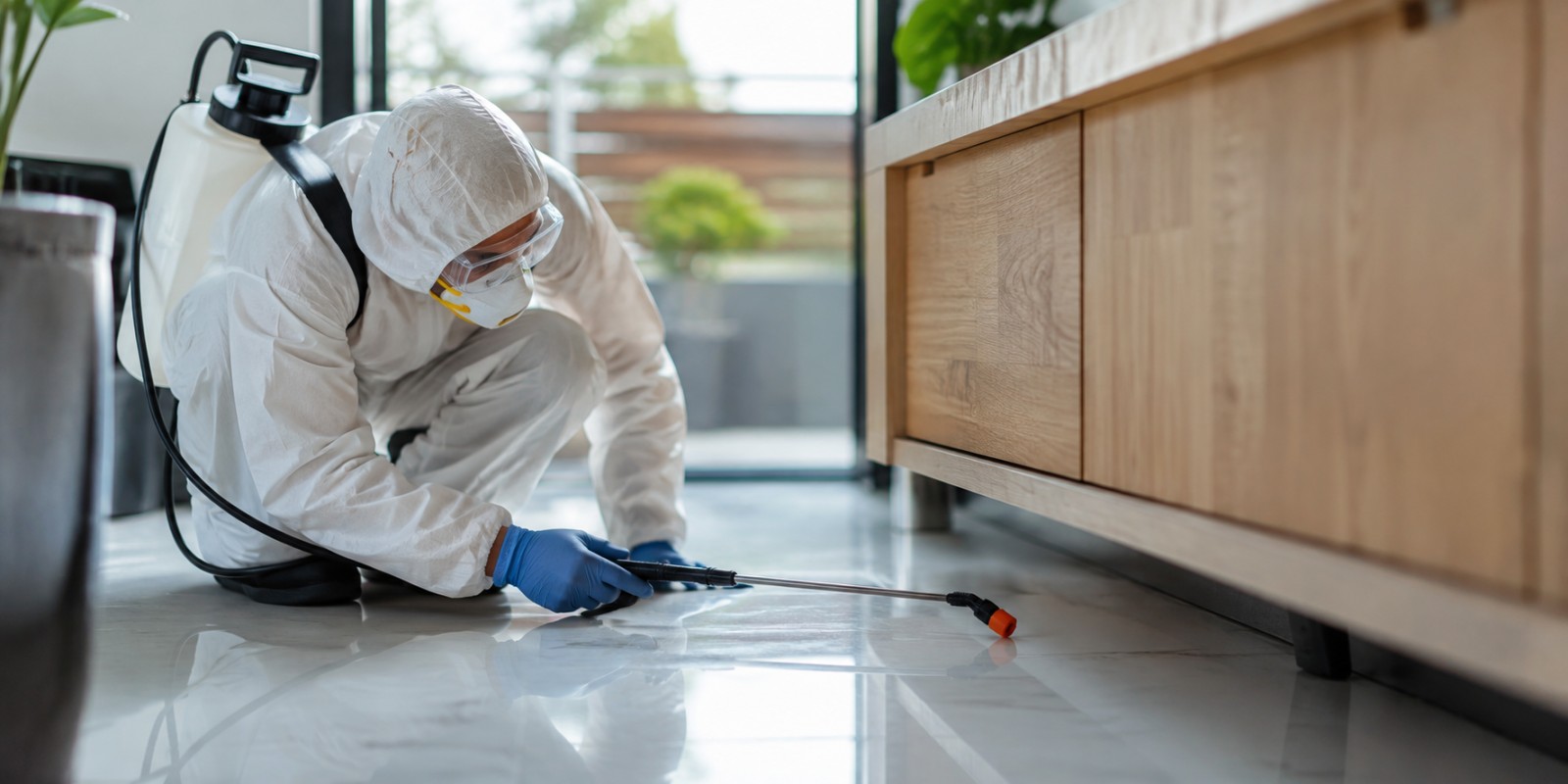
Professional rat control should be considered when evidence is repeated, widespread or difficult to trace to a specific source. Persistent activity after household trapping can also indicate that additional rats or unresolved entry points remain.
A professional rat inspection can help identify active movement routes, harbourage and structural access.
Treatment may then combine several control measures rather than relying on one technique.
Professional assessment becomes particularly relevant when:
- Rats repeatedly return after DIY control
- Several parts of the building show activity
- Entry points cannot be identified
- Rats are active around commercial food areas
- Ceiling or wall activity cannot be accessed safely
- Contamination is occurring around stored products
The purpose is not simply to remove visible rodents. The wider objective is to understand why they are present and reduce the conditions allowing the infestation to continue.
What a Rat Inspection Should Look For
A rat inspection should identify evidence of current activity and investigate how rodents are using the property. This includes both internal and external areas where practical.
Technicians may look for droppings, gnaw marks, tracks, grease marks and nesting material.
They may also examine doors, drains, service penetrations and other possible entry routes.
Food and waste management should form part of the assessment because treatment is less likely to remain effective when dependable food sources remain accessible.
Monitoring may be recommended when the scale or movement pattern of the infestation cannot be determined during one visit.
The findings can then guide decisions about trapping, baiting, proofing and follow-up.
Frequently Asked Questions (FAQs)
What are the most common signs of rats infestation?
Common signs include rat droppings, gnaw marks, scratching sounds, grease marks, tracks, nesting materials and repeated sightings. Several signs appearing together provide stronger evidence of established activity.
Where do rats usually hide in a house?
Rats may shelter in ceilings, wall spaces, storerooms, cabinets and protected areas around the building. The exact location depends on access to food, water and suitable harbourage.
Do rat droppings mean rats are still present?
Droppings indicate that rats have used the area, but older droppings may remain after activity has stopped. Fresh droppings repeatedly appearing after cleaning provide stronger evidence of current activity.
Why do I hear scratching sounds at night?
Rats can become more noticeable during quiet periods as they move between nesting and feeding areas. However, other animals and building systems can produce similar sounds, so physical evidence should be checked.
Is seeing one rat a sign of an infestation?
One sighting does not establish the number of rats present. The property should be checked for droppings, gnawing, tracks and additional activity to determine whether the sighting is part of a larger problem.
Why are rats appearing around my business?
Commercial properties can provide food, water, waste and shelter. Loading areas, doors, drains, storage spaces and service penetrations can also provide access into the building.
Can trapping one rat solve the problem?
It may resolve an isolated incident, but trapping one animal will not address an established infestation if other rats, nests or entry points remain. Continued monitoring helps determine whether activity has actually stopped.
Recognising Rat Activity Before It Becomes Persistent
Signs of rat infestation are often visible before the rodents themselves become a regular sight. Rat droppings, gnaw marks, scratching sounds, grease marks and nesting materials can reveal where rats are feeding, travelling or sheltering.
The most useful assessment considers several pieces of evidence together. A single old dropping or unexplained noise may have several causes, while repeated fresh evidence across multiple locations provides a stronger indication of ongoing activity.
Early detection also makes it possible to investigate the conditions supporting the infestation. Food, water, harbourage and structural access should all be considered if rat control is expected to remain effective.
Trace the Rat Activity Back to Its Source
Recurring droppings, gnaw marks or movement sounds can indicate that rats have established routes or harbours within the property. Homeowners and businesses that find these signs can book an appointment with ZB I Tech Sdn Bhd for an inspection to identify active areas and determine an appropriate rat control approach.