Skip to content

Introduction
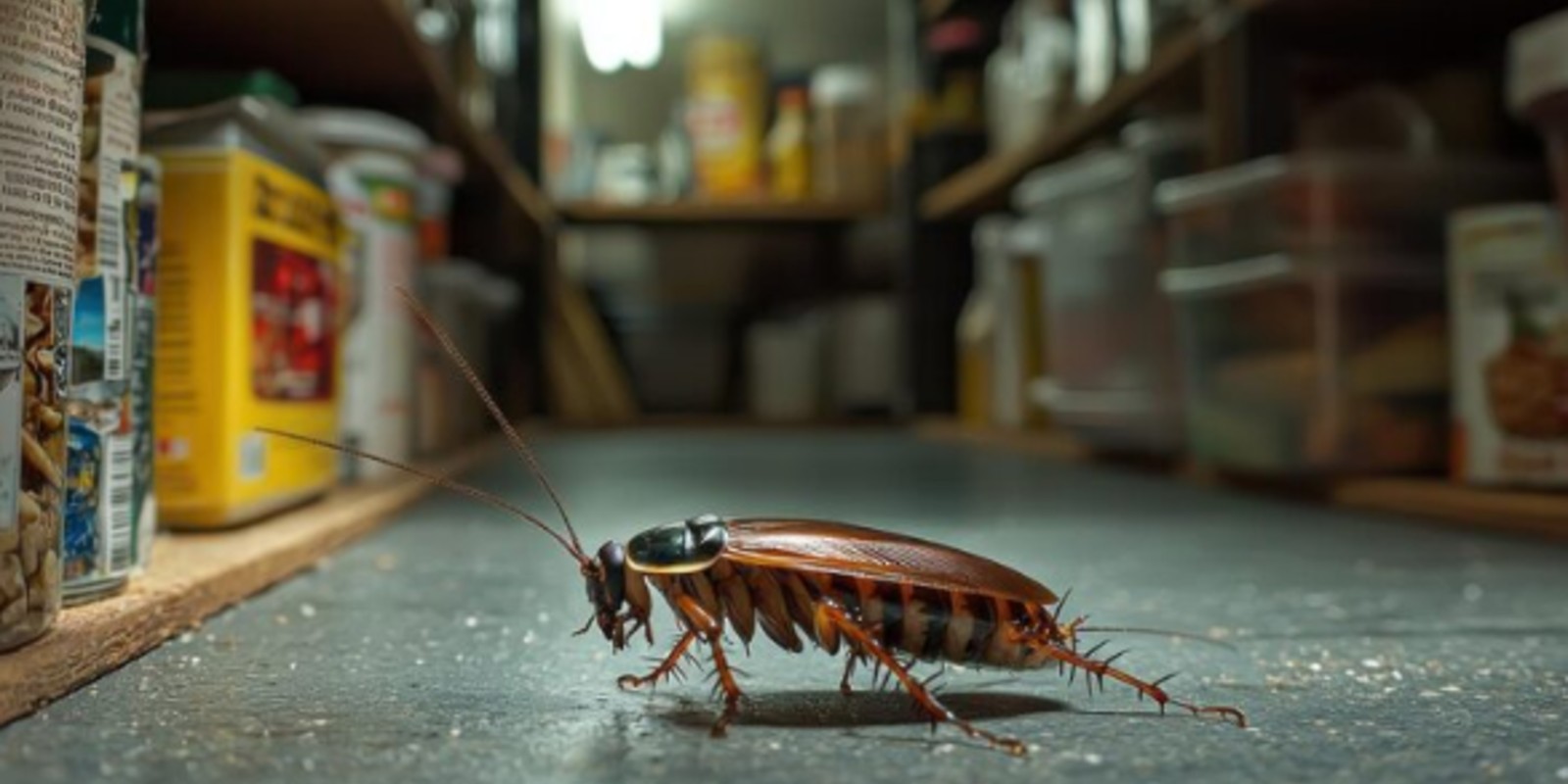
Cockroaches are primarily active when conditions are quieter, so an infestation can develop without frequent daytime sightings. They can remain concealed in cracks, cabinets, appliances, drainage areas and other spaces that are rarely inspected during routine cleaning.
The signs of cockroach infestation include live cockroaches, droppings, smear marks, egg cases, shed skins, unusual odours and repeated activity around kitchens, bathrooms, drains and other sheltered areas. Recognising these warning signs early can help determine whether an occasional cockroach has entered the property or an established population may be living and breeding inside.
In Malaysia, warm and humid conditions can provide suitable environments for cockroach activity throughout the year. Homes, restaurants, offices and other commercial properties may therefore benefit from recognising cockroach infestation signs before the population becomes more difficult to manage.
Keep reading to discover where the evidence appears and what kind of infestation signs to look for.
Why Cockroach Infestations Can Stay Hidden
Signs of cockroach infestations can remain hidden since these pests spend much of their time in protected harbourage rather than exposed areas. Their body shape allows them to occupy narrow spaces around fixtures, equipment and structural gaps.
Cockroaches are more active during periods of reduced human activity. In a home, this may mean greater movement at night. In a commercial kitchen, activity may increase after operations stop and lights are switched off.
The areas people routinely clean are therefore not necessarily the places where cockroaches spend most of their time. Potential hidden harbourage can include:
- Spaces behind refrigerators and cooking equipment.
- Gaps around cabinets and shelving.
- Areas beneath sinks.
- Plumbing and service penetrations.
- Drainage-related areas.
- Cracks and crevices near food or moisture.
A property may consequently have an active population even when only occasional cockroaches are seen. This is why indirect evidence such as droppings and egg cases can be as important as live sightings.
Live Cockroaches
Repeated sightings of live cockroaches are one of the clearest signs that a property may have an infestation. One large cockroach entering through a drain does not automatically confirm an established indoor breeding population. Repeated sightings require greater attention.
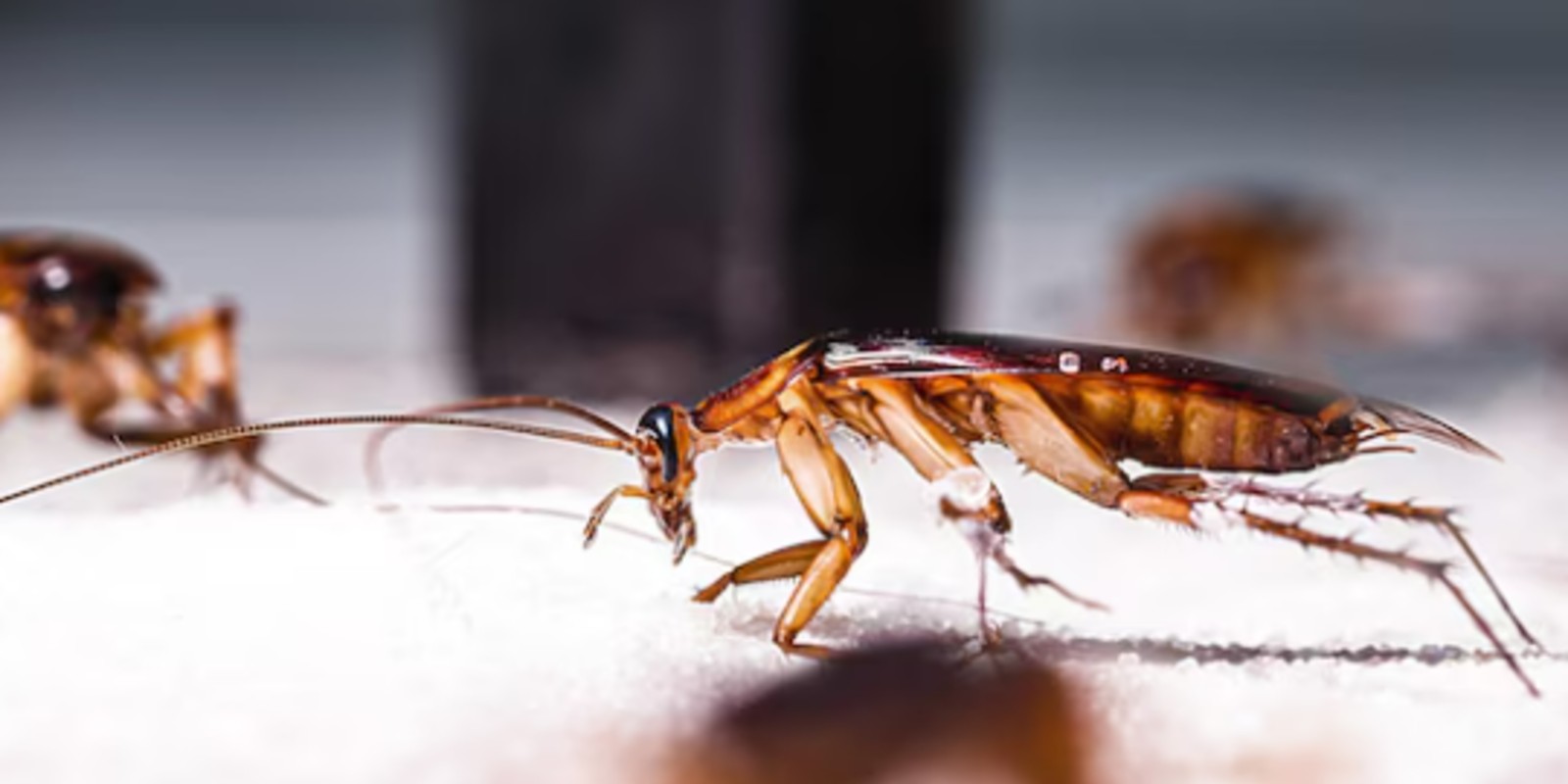
Small cockroaches appearing around kitchen cabinets and appliances may indicate nearby harbourage. Seeing adults together with smaller nymphs can be particularly significant because different life stages suggest that breeding may be occurring nearby. Regular daytime sightings may indicate that harbourage is being disturbed, environmental conditions have changed or the population has increased enough that some individuals are moving during normally less active periods.
Property owners should therefore record where cockroaches are being seen rather than considering each sighting separately. Patterns often provide more useful information than one individual cockroach.
Cockroach Droppings and Smear Marks

Cockroach droppings are an important infestation sign because they can reveal areas where cockroaches regularly travel, feed or harbour. Their appearance varies according to the species and size of the cockroach.
Small cockroach species can leave dark specks that may resemble pepper or coffee grounds. Larger cockroach species can produce larger droppings. Droppings may accumulate around cracks, cabinets, appliance areas and other locations where activity is concentrated. Dark smear marks can also occur in areas where cockroaches repeatedly move, particularly where moisture is present.
The distribution of cockroach droppings can sometimes be more informative than the quantity alone. For example, repeated evidence around the back of a refrigerator may indicate nearby harbourage. Droppings around several kitchen cabinets can suggest more widespread activity.
Cockroach droppings should be cleaned using appropriate hygiene practices, but the location should first be noted where practical. Cleaning the evidence without investigating why it appeared can remove a useful clue while leaving the infestation unresolved.
Cockroach Egg Cases
Cockroach egg cases are a strong indication of reproductive activity and should not be ignored. The protective case containing cockroach eggs is called an ootheca. Its appearance varies between cockroach species.
Egg cases may be found around concealed harbourage, cabinets, storage areas, cracks or other protected locations. Finding an empty egg case can indicate that young cockroaches have already emerged.
The presence of egg cases is particularly important because eliminating visible adults does not necessarily eliminate the developing population. Some treatment methods may have limited effect on protected eggs.
New nymphs can consequently appear after visible adult activity has declined. Repeated egg cases or egg cases found alongside nymphs provide stronger evidence that cockroaches are reproducing within or close to the property.
A professional cockroach inspection can help determine where the associated harbourage is located.
Unusual Cockroach Odours
A persistent unusual odour can accompany a substantial cockroach infestation, although smell alone should not be used to confirm cockroach activity. Cockroaches can produce chemical secretions, while droppings and other biological material can contribute to odours in heavily affected areas.
The smell is often described as musty or unpleasant. However, many other property conditions can produce similar odours.
Dampness, drains, mould, waste and spoiled food should also be considered. Odour becomes more useful as an infestation clue when it appears together with other evidence.
For example, an unusual smell inside a cabinet accompanied by cockroach droppings, shed skins and live nymphs would provide stronger evidence than smell by itself.
Persistent odours in food storage or preparation areas should be investigated regardless of the cause because they can indicate a hygiene, moisture or pest issue requiring attention.
Shed Skin and Body Parts
Shed cockroach skins indicate that immature cockroaches have been developing in the surrounding environment. Cockroach nymphs moult several times as they grow, leaving behind their previous outer covering.
These skins can accumulate near harbourage. They may be found inside cabinets, beneath equipment, around storage areas or in other protected spaces.
The presence of shed skins is significant because it indicates more than an occasional adult entering the property. It suggests that immature cockroaches have been present long enough to develop through part of their life cycle.
Dead cockroaches and body fragments can also provide evidence. An isolated dead cockroach may not indicate a large infestation, but repeated findings in the same location should prompt closer inspection.
Evidence should always be interpreted collectively. Shed skins, droppings and nymph sightings together provide a stronger indication of an established population than any single sign.
Where to Look for Signs of Cockroaches
Cockroach inspection should concentrate on locations that provide food, water, warmth and shelter. These areas vary according to the property and cockroach species.
Kitchens
Kitchens are important inspection areas because food, water and equipment create numerous cockroach opportunities. Check beneath and behind refrigerators, cooking equipment, sinks and cabinets where accessible.
Areas where grease or crumbs accumulate deserve particular attention.
Bathrooms and Drains
Bathrooms provide moisture and drainage connections that may support or provide access for some cockroach species. Inspect around floor drains, plumbing, cabinets and persistent damp areas.
Repeated large cockroach sightings near drains can indicate an access route rather than a kitchen-based infestation.
Storage Areas
Storerooms can provide undisturbed harbourage, particularly when cardboard and materials remain untouched for long periods. Look for droppings, egg cases and damaged or contaminated packaging.
Commercial Food Areas
Restaurants and other food premises should examine preparation equipment, storage, waste areas and drains. Incoming deliveries can also introduce packaging that provides cockroach harbourage.
Utility and Service Areas
Utility spaces may contain warmth, moisture and structural penetrations. These areas can be overlooked during normal cleaning but may connect different parts of a building.
Signs of a Growing Infestation
A growing cockroach infestation usually produces more frequent and widespread evidence. An increase in sightings, nymph activity, egg cases and droppings can indicate that the population is expanding.
One useful warning sign is activity spreading beyond the original location. Cockroaches initially noticed around one kitchen appliance may later appear in cabinets, adjoining rooms or other food areas.
Another warning sign is regular daytime activity. While one daytime sighting does not measure infestation size, repeated activity during busy periods can justify immediate investigation.
Evidence of breeding is also significant. Multiple life stages suggest that the population is not simply made up of occasional cockroaches entering from outdoors.
Several signs appearing together should therefore be treated more seriously than one isolated observation.
| Evidence | What It May Suggest |
|---|---|
| Occasional adult cockroach | Possible isolated entry or early activity |
| Repeated sightings in one area | Established harbourage may be nearby |
| Adults and nymphs | Possible active breeding |
| Multiple egg cases | Reproductive activity |
| Widespread droppings | Regular movement across several areas |
| Frequent daytime sightings | Closer inspection may be required |
The table provides general indicators rather than a definitive infestation scale. Professional assessment may be necessary to determine the actual extent of activity.
Why Cockroach Infestations Can Return
Cockroach infestations can return when treatment reduces visible insects but leaves breeding areas, food, moisture or entry routes unresolved. New cockroaches may also enter after the original population has been controlled.
Hidden harbourage is one common cause. Aerosol sprays applied to visible surfaces may not reach cockroaches concealed deep within cracks or equipment.
Egg cases can also contribute to continuing activity. Another possibility is re-entry. Cockroaches can potentially move through drains, utility routes, structural openings and connected building environments.
Properties receiving frequent deliveries may also experience reintroduction through packaging or goods.
For this reason, cockroach control should combine treatment with sanitation, exclusion and monitoring rather than measuring success only by the immediate reduction in visible insects.
When to Arrange a Professional Cockroach Inspection

A professional cockroach inspection may be appropriate when evidence indicates active breeding, widespread activity or recurring infestation despite cleaning and DIY treatment. The purpose of inspection is to identify the species, harbourage and factors supporting the problem.
Professional assessment becomes particularly relevant when:
- Cockroaches repeatedly appear after treatment.
- Adults and nymphs are found together.
- Egg cases or numerous droppings are present.
- Several rooms show cockroach activity.
- Daytime sightings become frequent.
- A restaurant or food-handling environment is affected.
Professional cockroach control can then be targeted towards the identified infestation. Depending on the circumstances, treatment may involve gel baiting, monitoring and appropriate insecticide applications.
The objective is not simply to eliminate whichever cockroach happens to be visible during the inspection. It is to determine where the population is coming from and how the property is supporting it.
Frequently Asked Questions
What are the first signs of a cockroach infestation?
Early signs can include occasional live cockroaches, small droppings and activity around kitchens, bathrooms or drains. Repeated evidence in the same location warrants closer inspection.
What do cockroach droppings look like?
The appearance depends on the species. Smaller cockroaches can leave dark specks resembling pepper or coffee grounds, while larger species can produce larger droppings.
Does finding a cockroach egg case mean I have an infestation?
An egg case indicates that reproductive activity has occurred somewhere in the surrounding environment. Finding multiple cases, nymphs or other evidence strengthens the likelihood of an established infestation.
Why am I seeing baby cockroaches?
Young cockroaches, called nymphs, emerge from egg cases. Repeated nymph sightings can indicate that cockroaches are breeding nearby rather than simply entering individually from outside.
Is seeing cockroaches during the day a bad sign?
Repeated daytime sightings can indicate increased activity or disturbance of harbourage, although a single sighting does not determine infestation size. Other evidence should be assessed as well.
Can a clean home still have cockroaches?
Yes. Cockroaches can enter through drains, structural gaps, deliveries or neighbouring areas even when a home is clean. Good sanitation reduces available resources but cannot prevent every possible entry route.
Where do cockroaches usually hide?
Common hiding areas include cracks, cabinets, appliance spaces, plumbing areas, drains and other protected locations near food, moisture or warmth.
Recognising the Evidence Before the Problem Spreads
The signs of cockroach infestation extend beyond seeing live insects. Cockroach droppings, egg cases, shed skins, unusual odours and repeated activity in concealed areas can provide important evidence of an established population.
The pattern of these signs matters. A single cockroach entering through a drain can represent a different problem from repeated nymphs and egg cases around kitchen appliances.
Early cockroach identification and inspection can therefore help determine whether the issue involves isolated entry, hidden breeding or a larger recurring infestation.
Once activity is confirmed, treatment should address both the cockroaches and the conditions supporting them. Sanitation, moisture control, exclusion and continued monitoring can help reduce the likelihood that hidden activity develops into another visible infestation.
Have Persistent Cockroach Signs Properly Assessed
Repeated droppings or cockroach sightings can indicate hidden harbourage that are difficult to evaluate through surface inspection alone. For a more detailed inspection of your property, book an appointment with ZB I Tech Sdn Bhd.