Skip to content

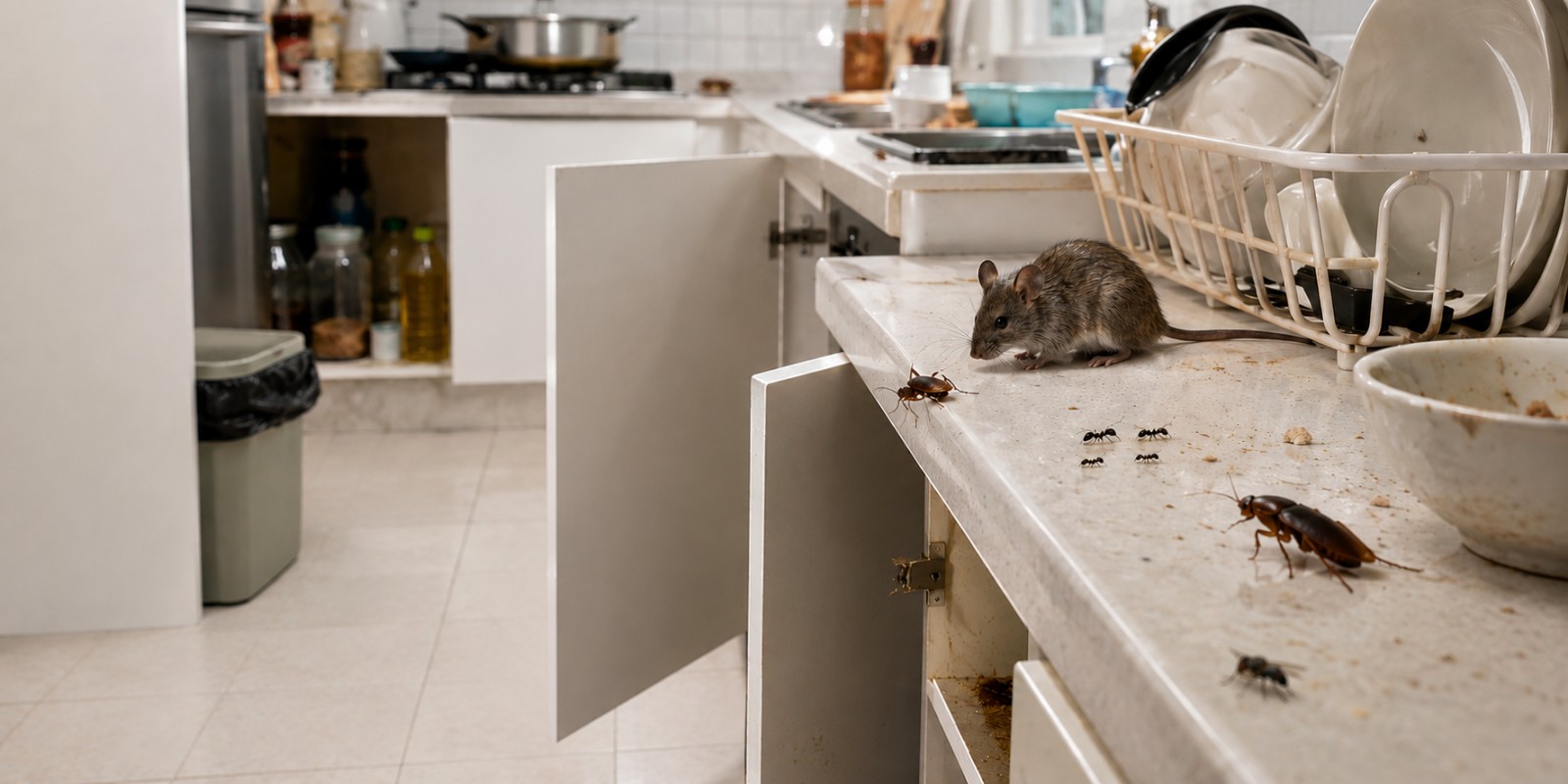
Commercial properties in Malaysia can face particular rodent pressures because deliveries, waste disposal, food storage, drainage systems and frequent movement through entrances can create multiple access opportunities. Warehouses, restaurants, offices, retail premises and other facilities each have different risk areas that should be considered.
Rat prevention in commercial buildings can be implemented effectively through a combination of structural proofing, food and waste management, good housekeeping, drainage maintenance, and routine monitoring. This means for long-term rodent prevention in commercial properties, strategies need to focus on the entire building environment to identify vulnerabilities before visible rat activity develops into a recurring infestation.
Why Commercial Buildings Attract Rats
Commercial buildings can attract rats when they provide dependable food, water, shelter and access. The more consistently these resources are available, the easier it becomes for rodents to establish activity around a property.
Food does not need to come from a restaurant or food-processing operation. Staff pantries, rubbish bins, vending areas, damaged packaged goods and food residues can all provide feeding opportunities.
Water may come from leaking pipes, drains, condensation or poorly maintained external areas. Shelter can be found in storerooms, ceiling spaces, loading areas, utility rooms and accumulated materials.
Commercial buildings can also have numerous access routes because of their size and operational requirements. Loading doors, utility penetrations and drainage systems may connect internal areas with the outside environment.
Effective rat infestation prevention in commercial settings starts by understanding how these conditions interact rather than concentrating only on places where rats have already been seen.
Inspecting and Sealing Entry Points

Rat proofing is the process of identifying and reducing openings that rodents can use to enter a building. It is one of the most important components of commercial rat prevention because controlling existing rodents does not stop new animals from using the same access routes.
Inspection should include the building exterior as well as internal service areas. Particular attention may be required around:
- Gaps beneath external doors
- Openings around pipes and cables
- Damaged vents and screens
- Roof and wall gaps
- Drainage-related access points
- Loading and delivery areas
Signs such as grease marks, droppings or gnawing near an opening can indicate that it is already being used. Proofing materials should be appropriate for the building and opening. Temporary materials that rats can gnaw through or displace may provide little long-term benefit.
Where rats are already inside, proofing should also be coordinated with removal so rodents are not unintentionally trapped within the building.
Food Storage and Waste Management
Food and waste management reduces the resources that allow rats to remain around commercial properties. This is important even for businesses that do not primarily handle food.
- Food products should be stored so rodent activity can be detected and access is limited.
- Damaged packaging should be investigated rather than simply moved to another location.
- Storage arrangements should also allow reasonable inspection around shelving and stock where practical.
- Waste management deserves attention because rubbish can provide a predictable feeding source.
Commercial properties should consider:
- Whether waste containers are appropriately managed.
- Whether food residues accumulate around bins.
- How frequently waste is removed.
- Whether rubbish areas remain clean after collection.
- Whether rats can access discarded food overnight.
Waste areas located outside the building should still be considered part of the rodent management programme. Rats established around an external bin area may eventually move indoors when suitable access is available.
Cleaning and Housekeeping
Cleaning and housekeeping reduce food residues and harbourage that can support rat activity. The most important areas are often those outside normal visible cleaning zones.
A floor can appear clean while food debris remains beneath equipment or storage racks. Commercial kitchens, staff pantries and food-handling environments should therefore include difficult-to-access locations in cleaning routines.
Warehouses and storerooms require a different focus. Excess cardboard, unused equipment and poorly organised stock can create protected spaces where rats can remain undisturbed.
Where practical, stored materials should be arranged to make inspection easier. Housekeeping should also include prompt removal of spills and damaged goods.
The objective is not simply cleanliness for appearance. It is to reduce dependable food and shelter while making rodent evidence easier to detect.
Storage Practices and Rodent Prevention
Good storage practices make it harder for rats to remain concealed and easier for staff to identify early infestation signs. Commercial storage areas can otherwise provide extensive harbourage.
Stock placed tightly against walls can conceal rat movement. Where operationally practical, maintaining inspection access around stored goods allows droppings, gnawing and other evidence to be identified earlier.
Frequently rotating stock also reduces long periods of undisturbed harbourage. Businesses should monitor for:
- Gnawed packaging.
- Rat droppings between stored products.
- Shredded nesting materials.
- Grease marks around shelving.
- Damaged cartons or containers.
Repeated damage in the same area can indicate an established rodent route. The affected products should be assessed appropriately, while the surrounding area should be investigated to determine where the rats are entering.
Loading Bays and Delivery Areas
Loading bays and delivery areas can become important rat access points because doors are opened frequently and goods move between external and internal environments. These areas may also be close to waste facilities.
Rat prevention should therefore account for both building structure and operational practices. Doors should not remain unnecessarily open when deliveries are not taking place.
Damaged seals or gaps around loading entrances should be repaired where practical. Incoming goods should also be monitored.
Damaged cartons, droppings or other pest evidence discovered during receiving can indicate a problem associated with goods, transport or the surrounding loading environment.
Staff responsible for deliveries should know how to report suspicious evidence rather than moving affected materials deeper into storage areas.
Drainage and Structural Maintenance
Drainage and structural maintenance help reduce rodent access and water sources. Damaged building components can create new entry routes even when a property previously had effective proofing.
Rats can exploit openings around pipes, drains and service penetrations. Water leaks can also provide a dependable resource and contribute to unsanitary conditions.
Maintenance teams should investigate recurring leaks and damaged drainage components rather than treating them only as housekeeping issues. Structural changes deserve similar attention. Renovations can create gaps around new utilities or alter areas that were previously inaccessible to rodents.
After substantial construction or repair work, relevant parts of the building should be reviewed for new pest access. Commercial rat prevention is therefore partly a building-maintenance responsibility. Pest control cannot permanently compensate for structural openings that remain available.
Managing External Areas
External property conditions can influence whether rats remain close enough to enter a commercial building. Prevention should therefore extend beyond internal rooms.
Dense vegetation, discarded equipment and unmanaged materials can create harbours near the structure. Waste facilities can also support rats if food remains consistently accessible.
External inspection should consider the relationship between these areas and possible building entrances. For example, a protected harbourage area beside a loading bay can allow rats to remain close to a frequently opened door.
Vegetation touching or overhanging the building may also create access opportunities for climbing rodents. Reducing external harbourage does not mean removing all landscaping or storage. The objective is to manage these areas so they do not become likely entry points.
Routine Rat Monitoring
Routine monitoring is used to detect rodent activity before it becomes a larger infestation. It is particularly valuable in commercial properties where rats can move through low-traffic areas without being noticed.
Monitoring can involve regular visual inspection and appropriately positioned monitoring devices. It should focus on locations where rats are most likely to enter, travel or feed.
Evidence may include droppings, gnawing, tracks, grease marks and damaged stock. Monitoring results should be recorded so changes can be identified and ensure these questions are answered:
- Is activity appearing in a new area?
- Are the same locations repeatedly affected?
- Did activity increase after structural work?
- Are waste or storage conditions contributing?
- Have previously repaired entry points reopened?
Monitoring should lead to action when evidence appears. Recording repeated rat activity without investigating the cause does not prevent an infestation.
Staff Prevention Practices
Employees can play an important role in rat prevention because they are present throughout daily operations and may notice changes before scheduled pest inspections occur.
Staff do not need to become pest-control specialists. They should simply know which signs require reporting and who should receive the information.
Relevant observations include live rat sightings, droppings, damaged food packaging and scratching sounds. Staff should also report structural issues such as damaged doors or leaks.
A simple reporting process is usually more useful than relying on informal conversations. The information should include the location, date and type of evidence found where possible.
Staff practices also affect prevention through food handling and housekeeping. Leaving food accessible overnight or allowing waste to accumulate can undermine other commercial pest management measures.
Professional Rodent Management
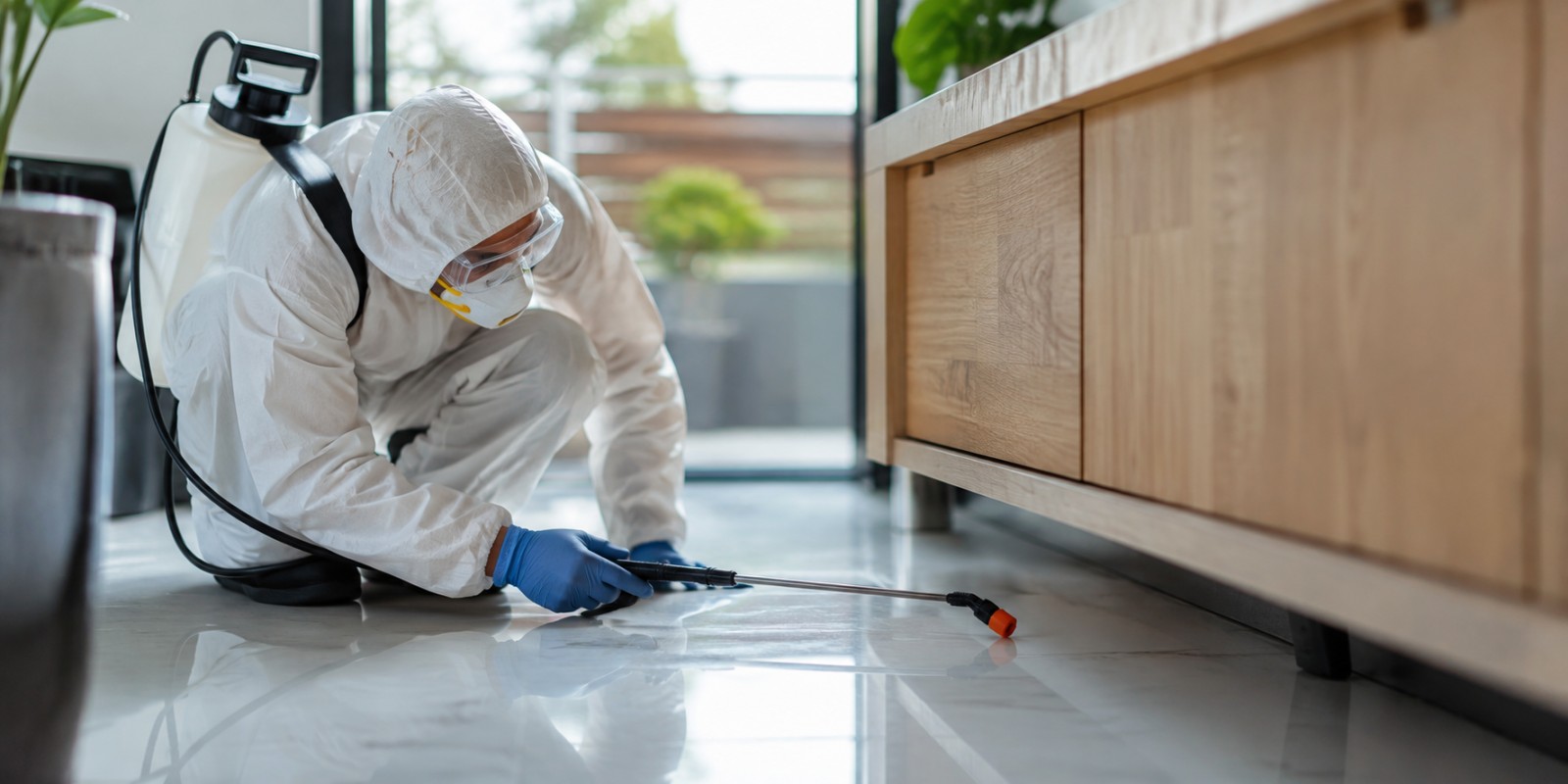
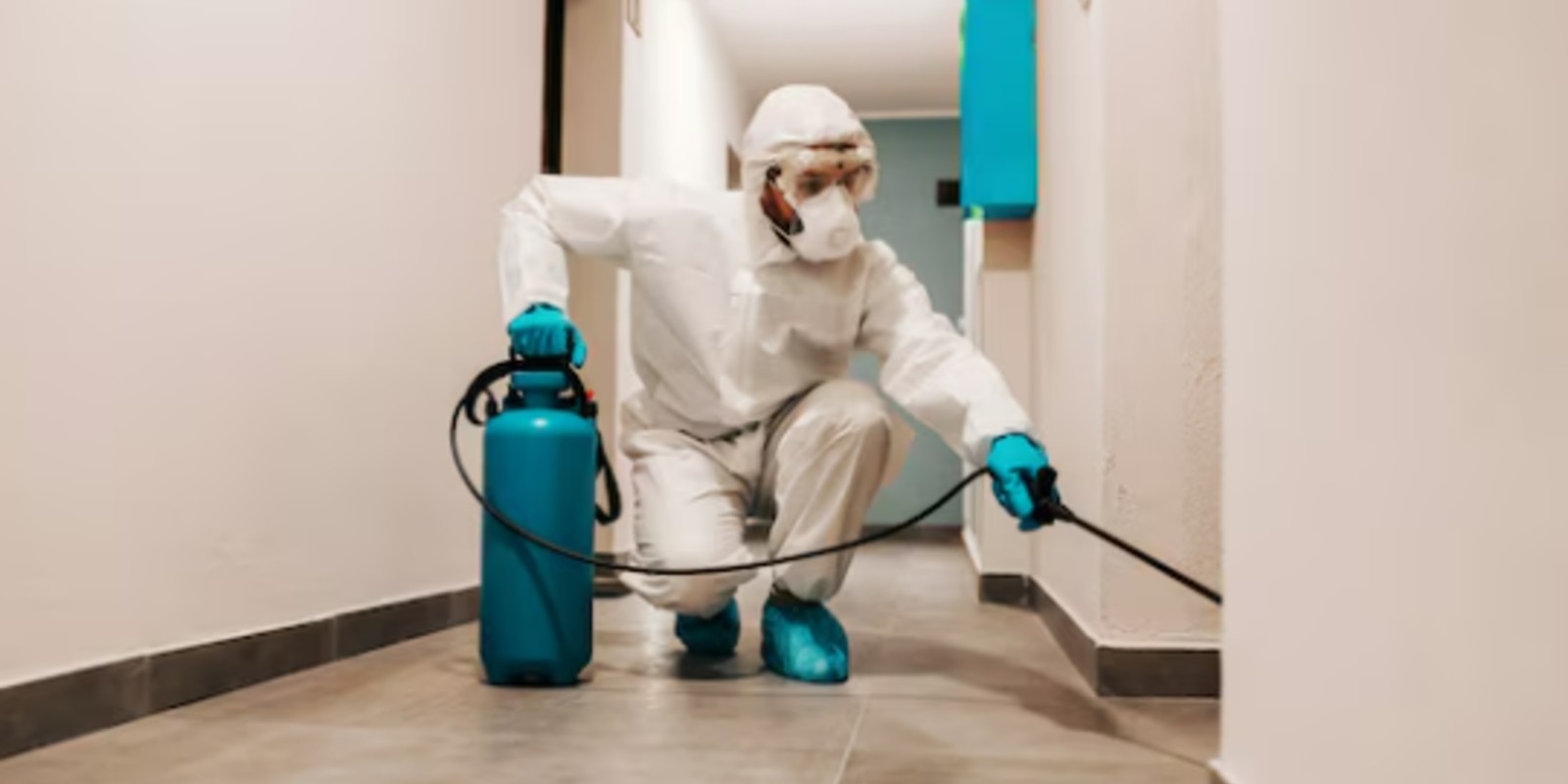
Professional rodent management provides systematic inspection, treatment and monitoring when commercial properties face active or recurring rat pressure. The approach should be based on site conditions rather than applying the same control programme to every business.
A professional inspection may assess internal and external movement routes, harbours and possible entry points. If rats are already active, control may involve trapping, baiting or a combination of suitable methods.
Monitoring then helps determine whether activity is declining. Professional commercial rat control should also identify conditions requiring action by the business.
For example, a pest technician may identify a damaged door as an entry route, but repairing the door may require the property's maintenance team. Effective rodent management therefore depends on cooperation between pest control, management, cleaning staff and building maintenance.
Creating a Long-Term Rat Prevention Plan
A long-term prevention plan combines pest control with routine property management. The plan should identify responsibilities rather than treating rat prevention as a task carried out only after a sighting.
Different departments may need to manage different risks.
| Area | Prevention Focus | Responsible Function |
|---|---|---|
| Building exterior | Gaps, doors, vents and structural access | Maintenance |
| Food areas | Storage, spills and sanitation | Operations / Cleaning |
| Waste areas | Bin management and waste removal | Operations / Cleaning |
| Storerooms | Stock arrangement and pest evidence | Warehouse / Operations |
| Loading areas | Door management and incoming goods | Logistics |
| Pest activity | Inspection, treatment and monitoring | Pest management provider |
Responsibilities will vary between businesses, but defining them reduces the likelihood that a recurring problem will be treated as somebody else's responsibility.
What to Do When Rat Activity Is Detected

New rat evidence should trigger investigation rather than only removal of the visible sign. A dropping, gnawed package or rat sighting can reveal an active route requiring further assessment.
The location and evidence should be documented before routine cleaning where practical. Relevant nearby areas can then be checked for additional activity to determine:
- Where the rat may be entering.
- Whether food or water is accessible.
- Whether nesting or harbouring is nearby.
- Whether additional areas show evidence.
- Which immediate control measures are required.
Contaminated food or surfaces should be handled using appropriate hygiene and food-safety procedures. If activity is recurring or widespread, professional assessment may be needed rather than repeatedly responding to individual sightings.
Preventing Recurrence After Rat Treatment
Preventing recurrence requires maintaining the environmental and structural improvements made during treatment. Once visible activity stops, it can be tempting to reduce monitoring and return to previous practices.
This can allow the same conditions to develop again. Proofed areas should be inspected periodically for deterioration. Waste and food management procedures should also remain consistent.
Previously active locations must receive continued attention because they can reveal new activity early. A recurring infestation does not necessarily mean the original treatment failed. New rats may enter from the surrounding environment if structural access or attractants become available again.
This is why long-term prevention needs to be treated as an ongoing property-management process.
Frequently Asked Questions
What is the best way to prevent rats in a commercial building?
The most effective approach combines rat proofing, food and waste management, housekeeping, structural maintenance and routine monitoring. No single measure can address every route through which rats enter and survive.
Where should businesses check for rat activity?
Priority areas include loading bays, waste facilities, storerooms, food areas, drains, utility penetrations and low-traffic spaces. External boundaries should also be inspected for harbours and entry routes.
Does keeping a commercial property clean prevent rats?
Cleaning reduces food and harbourage, but it cannot prevent every infestation if structural entry points remain available. Sanitation should be combined with proofing and monitoring.
How can staff help prevent rats?
Staff can report droppings, sightings, gnawing, damaged stock, leaks and structural gaps promptly. They can also support prevention by following food storage, cleaning and waste-management procedures.
Should commercial buildings have ongoing rat monitoring?
Routine monitoring can be useful for properties with continuing rodent pressure or higher-risk operating conditions. It helps identify changes in activity before rats become regularly visible.
Why do rats return to commercial properties after treatment?
Rats can return when food, water, shelter or structural entry points remain available. New rodents from the surrounding environment can replace those removed during treatment.
Is professional pest management enough to prevent rats permanently?
No. Professional pest management can inspect, monitor and control rodent activity, but businesses must also maintain sanitation, waste management, proofing and building repairs.
Making Rat Prevention Part of Building Management
Rat prevention commercial buildings can maintain successfully depends on treating rodent control as an ongoing property-management responsibility rather than a response used only when rats become visible. Entry points, food, water, waste and harbourage all influence whether rodents can establish themselves.
Commercial pest management can provide inspection, treatment and monitoring, but long-term prevention also requires consistent action from staff, cleaners, operations teams and building maintenance.
A prevention programme should therefore continue after rat activity has stopped. Regular inspection and clear responsibilities make it easier to identify new vulnerabilities before they develop into another established infestation.
Strengthen Your Commercial Property Against Repeat Rat Activity
Commercial properties with recurring sightings, droppings or other rodent evidence may have unresolved access routes or environmental conditions supporting the infestation. Businesses can reach out to ZB I Tech Sdn Bhd to assess rat activity and develop a better rodent prevention and control approach.