Skip to content

Termites cause significant damage to wooden structures. Termite damage signs include hollow-sounding wood, mud tubes, discarded wings, blistered surfaces and structural components that become weak or distorted.
These warning signs may appear only after termites have been active for some time because subterranean termites usually travel and feed in concealed areas.
Early identification matters because termite damaged wood may retain a normal-looking outer surface while the interior is being consumed. A service provider pertaining to termite inspection in Malaysia can help distinguish active termite infestation signs from moisture damage, wood decay and evidence of an old infestation.
Finding damage does not automatically indicate that a building is unsafe. However, damaged structural components should be assessed promptly because pest treatment stops termite activity but does not restore the strength of affected materials.
Why Early Termite Detection Matters
Early termite detection limits the amount of material exposed to ongoing feeding. Termites do not usually cause a building to fail suddenly, but a colony can continue damaging accessible wood and cellulose materials while signs remain hidden.
Subterranean termites live mainly below ground and maintain contact with moisture as they move between their colony and food sources. They may enter through small cracks, construction joints, pipe penetrations or concealed gaps.
Property owners often discover termites during renovation, after moving furniture or when a wooden fitting begins to fail. Regular inspection is particularly useful for properties with previous termite activity, moisture problems or extensive timber components.
What Termite Damage Looks Like

Termite damage often appears as internal galleries, thin wood surfaces and layered material following the grain. Soil or mud may be present inside damaged wood because subterranean termites use it to maintain suitable conditions.
The appearance varies according to the termite species, material and duration of activity. Common signs of termite damage include:
- Wood that sounds hollow when tapped
- Thin or blistered timber surfaces
- Mud tubes on walls, foundations or pipes
- Discarded wings near windows and doors
- Doors or floors that become difficult to move
- Timber that breaks easily under light pressure
No single visual sign should be used to determine the full extent of an infestation. Inspection must also establish whether live termites are still present.
Hollow or Damaged Wood
Hollow or weakened wood is a common sign of termite feeding beneath the surface. Termites often consume softer internal portions while leaving a thin outer layer that conceals the galleries.
A hollow sound can be found by gently tapping accessible timber, but this method is not conclusive. Wood can also sound hollow because of its construction, internal cavities or decay.
Termite damaged wood may show grooves containing soil, faecal material or pale worker termites when opened. Breaking suspected material without a plan can disturb the colony and make subsequent inspection more difficult.
Timber that carries structural weight should not be punctured or removed without appropriate advice. A building professional may need to evaluate beams, joists, roof members or other load-bearing components.
Mud Tubes and Shelter Tubes
Mud tubes are enclosed pathways constructed from soil, moisture and termite secretions. Subterranean termites use them to travel across exposed surfaces while remaining protected from dry air and predators.
Mud tubes termites create may appear on foundations, walls, pipes, timber, utility penetrations or concealed service areas. They may be narrow exploratory tubes or more established routes connecting the ground to a food source.
An intact tube does not always confirm current activity, but it should be investigated. A professional may open a small section and check for live termites, then return later to see whether the tube has been repaired.
Removing the visible tube does not eliminate the colony. Termites can rebuild it or use another concealed route if the underlying access remains untreated.
Discarded Wings and Swarmers
Swarmers are winged reproductive termites that leave a mature colony to establish new colonies. They are also called alates and may appear indoors or around lights, windows and doors.
After landing, swarmers shed their wings. Small piles of wings can therefore indicate that termite activity is present in or near a building.
Winged termites may be confused with flying ants. Termites generally have straight antennae, a broad waist and two pairs of similarly sized wings, while ants usually have bent antennae, a narrow waist and unequal wing pairs.
A swarm does not reveal the exact location of the colony. Inspection should cover nearby soil contact, structural joints, timber, moisture sources and concealed entry points.
Doors, Floors and Structural Changes
Doors, floors and timber fittings may change when termites damage internal material or when moisture associated with the infestation affects the wood. A door may begin to stick, flooring may feel less firm and skirting may become fragile.
These symptoms are not unique to termites. Humidity, water leaks, building movement and ordinary wear can produce similar changes in Malaysian properties.
The following structural changes warrant closer assessment:
- Sagging or unusually flexible flooring
- Door or window frames that become distorted
- Cracked or blistered paint over timber
- Skirting that breaks under light pressure
- Timber supports showing internal galleries
A pest professional confirms termite activity, while a qualified contractor or structural professional determines whether damaged components require repair or replacement.
Blistered Paint and Surface Changes

Blistered paint or wallpaper can occur when termites travel close to the surface, but moisture is a more common cause of this appearance. Surface changes should therefore be treated as supporting evidence rather than proof.
Small pinholes, faint lines or raised areas may correspond with concealed galleries. The area should be inspected for moisture, hollow timber and nearby mud tubes.
Painting over the surface hides the symptom without addressing its cause. Investigation should take place before cosmetic repair, particularly when other termite infestation signs are present.
Termite Droppings
Termite droppings can be evidence of drywood termites, which live within timber and push dry pellets out through small openings. The pellets may accumulate beneath furniture, frames or wooden fixtures.
Subterranean termites do not usually produce visible pellet piles in the same way. They commonly use soil within their galleries and shelter tubes.
Material suspected to be termite droppings should be collected or photographed for identification. Sawdust from wood-boring insects or normal construction debris can look similar without close examination.
Clicking Sounds and Termite Activity
Termite soldiers may produce faint tapping sounds by striking their heads against gallery walls when disturbed. Worker termites feeding within wood can also generate quiet rustling sounds.
These sounds are difficult to detect and are not a reliable standalone diagnostic method. Household plumbing, wood movement and other insects can produce similar noises.
Audible activity combined with hollow timber, mud tubes or discarded wings provides stronger grounds for inspection. A quiet area should not be assumed termite-free because most infestations are not heard by occupants.
Hidden Termite Damage

Hidden termite damage occurs inside wall cavities, floors, roofs, built-in cabinets and other areas that cannot be inspected visually. Concealed activity is one reason superficial checks may underestimate an infestation.
Termites can enter through very small gaps and travel behind plaster, tiles or fixed fittings. Kitchens, bathrooms, utility areas and additions to older buildings may contain moisture or construction joints that increase risk.
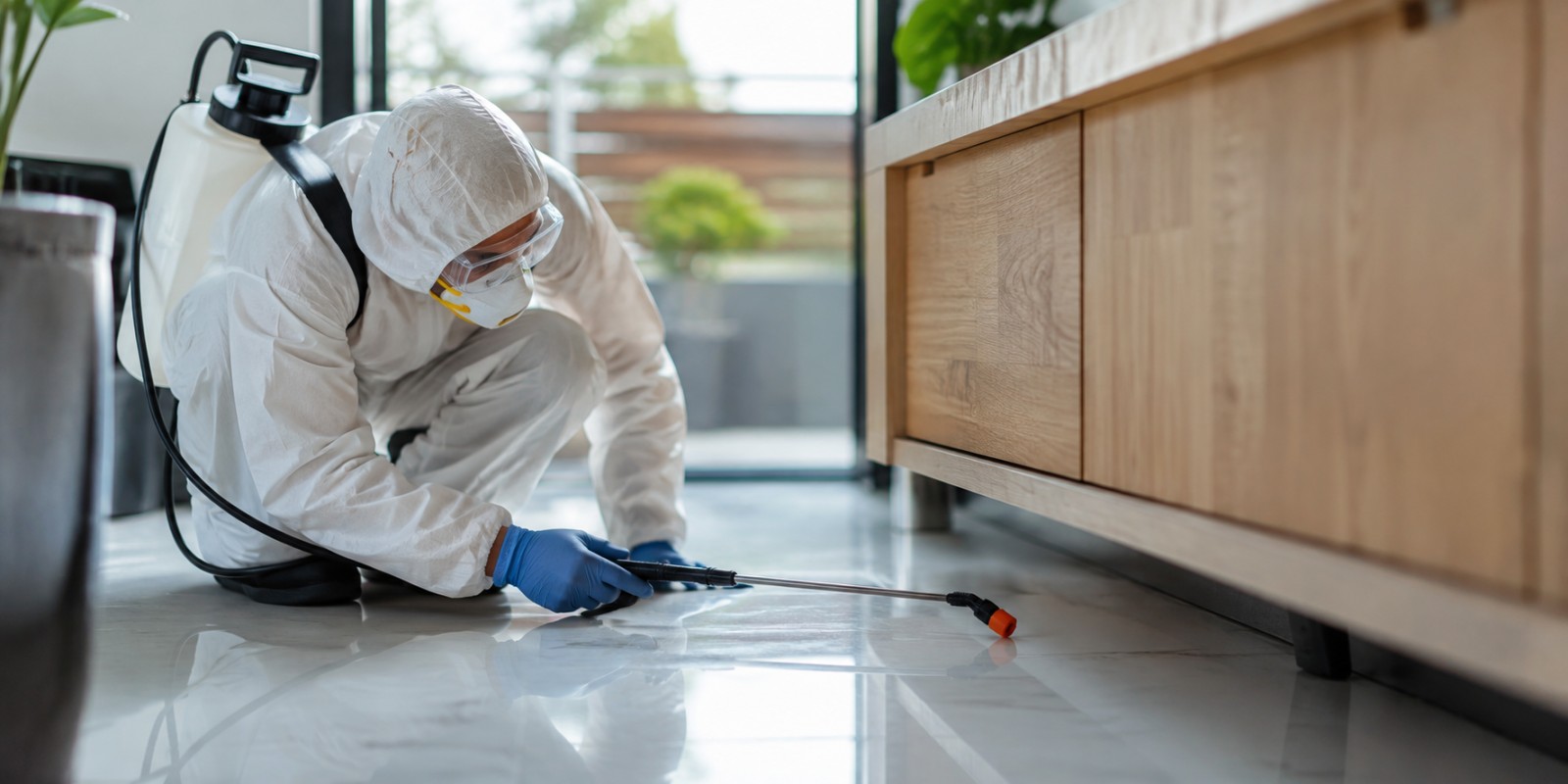
Professionals may use inspection tools to investigate without unnecessarily damaging finishes. These can include moisture meters, sounding tools, thermal equipment, movement sensors or small inspection openings where appropriate.
Detection equipment supports professional judgement but does not guarantee that every termite will be located. Findings must be interpreted alongside building construction, moisture conditions and physical evidence.
Active Damage Versus Old Damage
Active termite damage contains evidence that termites are currently present or recently using the area. Old damage shows that termites were present previously but does not, by itself, prove current infestation.
Evidence of active infestation may include:
- Live workers or soldiers inside timber or mud tubes
- Freshly repaired shelter tubes
- Moist soil material within galleries
- Recent swarming from an indoor location
- New damage recorded during monitoring
Old galleries can remain visible for years after treatment. A professional inspection should document their location so that future changes can be distinguished from existing damage.
Conditions That Increase Termite Risk
Termite risk increases when a property provides moisture, cellulose and concealed access from soil. These conditions do not prove infestation, but they make inspection and prevention more important.
Common contributing conditions include leaking pipes, poorly ventilated spaces, timber touching soil and stored cardboard near damp areas. Cracks and service penetrations may also create concealed access routes.
Landscaping can affect the building when soil, planters or vegetation cover inspection zones around external walls. Renovations may also bridge an existing termite barrier or conceal previously accessible areas.
Correcting these conditions supports treatment but cannot remove an established colony on its own. Active termites still require an appropriate control plan.
How Professionals Confirm Termite Activity

Professionals confirm termite activity by combining physical evidence, inspection findings and knowledge of termite behaviour. The objective is to identify active areas, likely entry routes and conditions supporting the infestation.
A termite inspection typically covers:
- Accessible internal timber, skirting and built-in fixtures
- External foundations and soil-contact areas
- Plumbing zones and locations with excess moisture
- Roof spaces, crawl spaces or service areas where accessible
- Previous treatment points and known damage
- Signs of activity in gardens, trees or external structures
The inspection report should separate active termites, suspected areas, existing damage and inaccessible locations. This distinction helps property owners understand what has been confirmed and what remains uncertain.
Treatment Options After Termites Are Found
Termite treatment is selected according to species, building construction, infestation location and site conditions. A method that suits one property may be impractical or insufficient for another.
Soil Treatment
Soil treatment creates a treated zone around or beneath parts of a building. It aims to control termites attempting to cross the treated area between their colony and the structure.
Application may require drilling, trenching or injection depending on the building. Construction details and drainage must be considered before treatment.
Termite Baiting
Termite baiting uses monitored stations containing material designed to be consumed by termites. When active termites are found, an appropriate bait may be introduced and monitored over time.
Baiting is not an instant treatment. It depends on termites finding and feeding on the bait, so regular inspection and replenishment are important.
Localised Treatment
Localised treatment targets a defined area of activity using an appropriate product or method. It may be useful where the infestation is limited and accessible.
Treating one visible location may not control termites entering elsewhere. The wider property should still be inspected before concluding that local treatment is sufficient.
Preventive Measures
Preventive termite measures reduce the likelihood of entry into a structure. These may include pre-construction soil treatment, physical barriers, monitoring systems and building maintenance.
Preventive systems require inspection and maintenance. Changes to landscaping, extensions or utility work can affect their performance.
What to Do When Damage Is Found
When termite damage is found, the first priority is to avoid disturbing the area excessively. Removing timber or spraying household insecticide may scatter termites and make their activity harder to trace.
Property owners should take the following steps:
- Photograph the damage and surrounding area.
- Limit unnecessary disturbance of mud tubes and timber.
- Arrange a termite inspection.
- Identify and correct nearby moisture problems.
- Obtain advice on treatment before repairing finishes.
- Assess structural timber separately where required.
Treatment and structural repair are different tasks. Pest control addresses termite activity, while repair restores damaged building materials.
What Not to Do After Finding Termites
Household insecticide should not be relied on to control a concealed termite colony. It may kill the termites that are directly contacted while leaving the main colony and hidden routes unaffected.
Property owners should also avoid immediately discarding infested timber through occupied areas. Moving material can spread termites or remove evidence needed to plan treatment.
Cosmetic repairs should wait until activity has been assessed. Sealing, painting or replacing one damaged component may hide continued infestation elsewhere.
Preventing Future Termite Damage
Termite prevention reduces access, moisture and hidden cellulose sources around a property. It works best when combined with periodic inspection.
Practical preventive measures include:
- Repairing plumbing leaks and improving drainage.
- Keeping timber and cardboard away from damp soil.
- Maintaining an inspectable gap around external walls.
- Avoiding soil or planters that cover foundation edges.
- Checking renovated areas and utility penetrations.
- Scheduling inspection based on the property’s risk.
Previous termite treatment should not be viewed as permanent protection. Treated zones and monitoring systems may be affected by time, construction work or changes to the site.
Frequently Asked Questions (FAQs)
What is the earliest sign of termite damage?
Mud tubes, discarded wings or localised hollow timber may be early visible signs, but termite activity can exist without any obvious symptom. Inspection is the most reliable way to assess a property with risk factors or previous activity.
Do termites leave visible holes in wood?
Some termite species create small openings, but subterranean termites often keep the outer wood surface intact. Internal galleries may only become visible when the weakened surface breaks.
Can termite damage be mistaken for water damage?
Yes. Both termites and moisture can cause swelling, blistering and weakened timber. Live termites, mud within galleries and shelter tubes are stronger indicators of termite activity.
Does finding wings mean termites are inside the building?
Discarded wings indicate that swarmers were present, but they do not reveal whether the main colony is inside or outside. An indoor concentration near windows, timber or structural joints warrants inspection.
Can damaged wood be repaired after treatment?
Some non-structural damage can be repaired, while severely weakened material may require replacement. Structural components should be assessed by an appropriately qualified building professional.
Will termites go away if the damaged wood is removed?
Removing one food source does not remove an underground colony or other concealed activity. Treatment and inspection are still required to determine whether termites remain elsewhere.
How often should a property be inspected for termites?
Inspection frequency should reflect construction type, moisture, previous infestation and surrounding conditions. Properties with a known history or elevated risk generally benefit from more regular professional checks.
Detecting Termites Before Damage Spreads
Recognising termite damage signs can help property owners respond before more timber is affected. Hollow wood, mud tubes, discarded wings and structural changes should be investigated rather than treated as proof on their own.
A complete response involves identifying active termites, selecting a suitable treatment and assessing whether damaged materials require repair. Moisture control, maintenance and continued monitoring help reduce future risk.
Arrange a Termite Inspection
Suspected termite activity should be assessed before damaged areas are disturbed or covered. Property owners can book an appointment with ZB I Tech Sdn Bhd to arrange an inspection and determine whether the evidence indicates active termites.