Skip to content
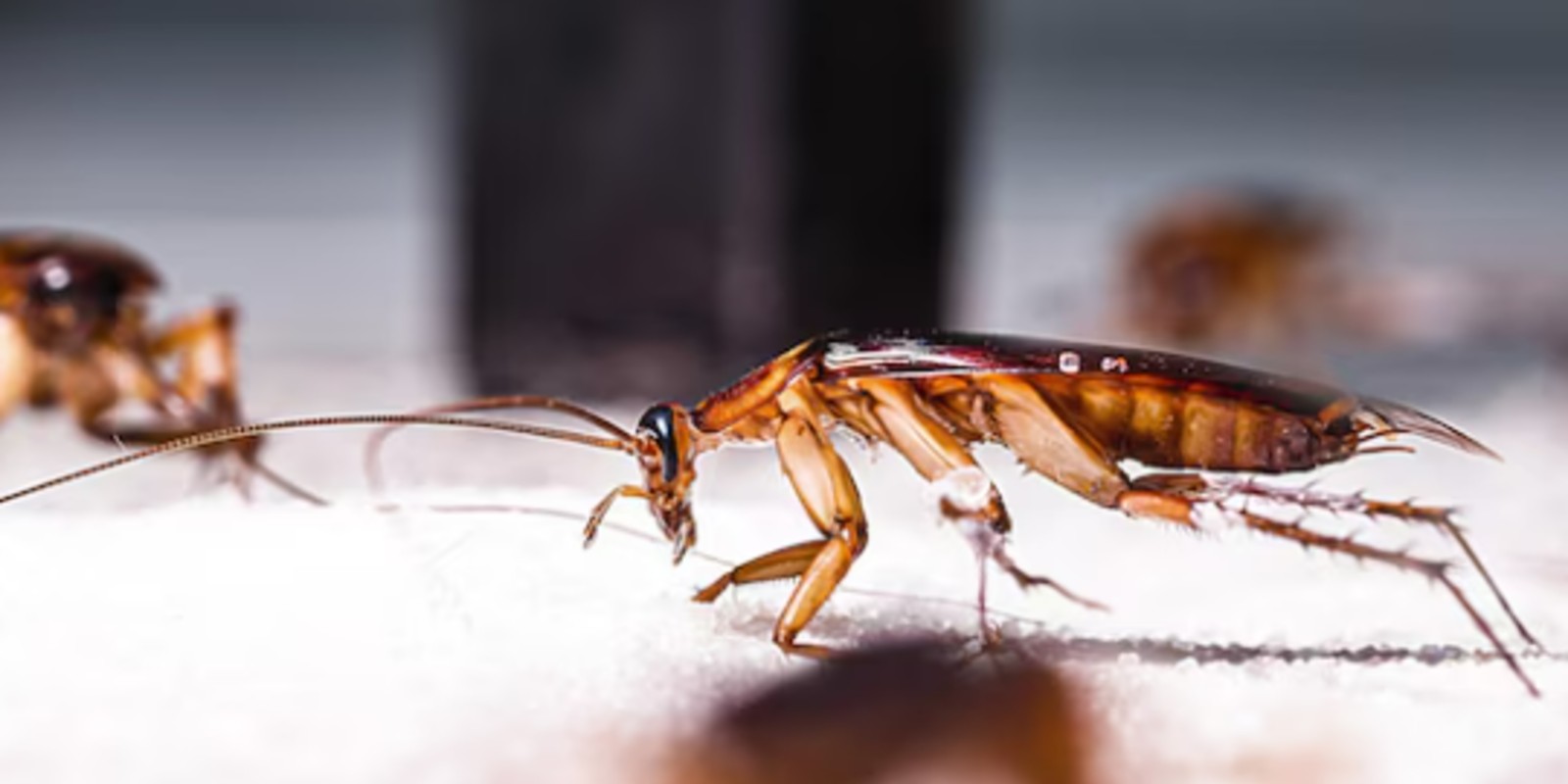
Cockroaches are difficult to eliminate because much of their population can remain concealed in cracks, cabinets, appliances, drains and other protected harbourage. Killing the cockroaches that are visible does not necessarily address egg cases, nymphs or adults hidden elsewhere.
Although DIY cockroach control may be suitable for limited activity, professional cockroach treatment is generally more appropriate when cockroaches repeatedly return or spread across multiple areas. When comparing DIY vs professional cockroach control, the depth of inspection, treatment methods, monitoring and ability to address recurring infestations, need to be taken into account.
Keep reading to understand what DIY methods can reasonably achieve and when property or building owners should consider professional services.
Why Cockroaches Are Difficult to Eliminate
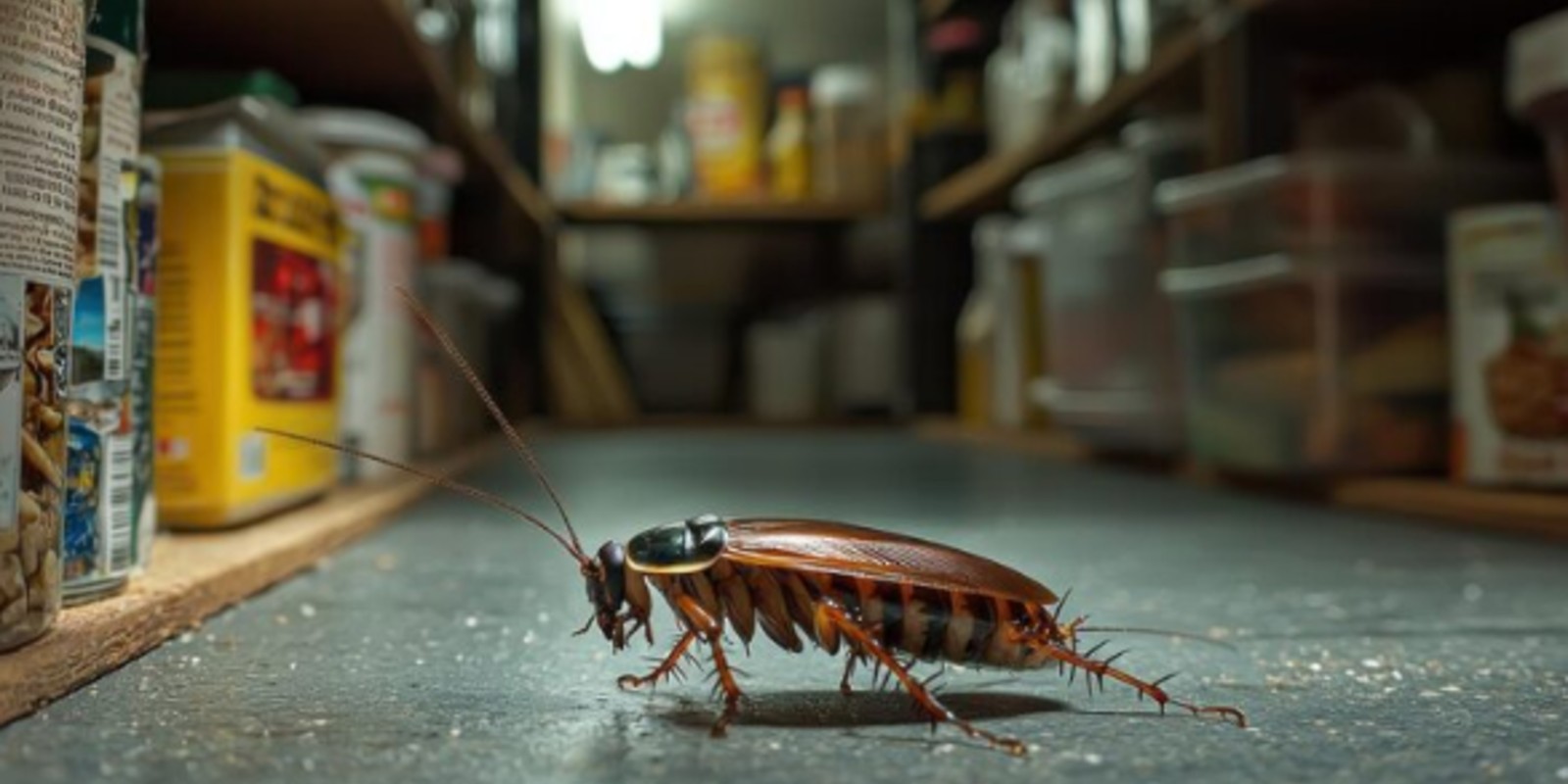
Cockroaches are difficult to eliminate because they can hide in narrow spaces, reproduce within concealed harbourage and survive on relatively small amounts of food and moisture. An infestation can therefore remain active even when only occasional cockroaches are visible.
Different cockroach species also behave differently. German cockroaches commonly establish indoor populations around kitchens, food preparation areas and equipment. While larger species such as American cockroaches may be associated with drains, utility areas and other humid environments.
Cockroach control therefore requires more than finding an insect and applying a pesticide. Effective management should determine:
- Which cockroach species is present.
- Where the main harbourage is located.
- Whether breeding is occurring indoors.
- What food and moisture sources are available.
- How cockroaches are entering or moving through the property.
Without this information, treatment can reduce visible activity while leaving the underlying infestation largely unchanged.
Common DIY Cockroach Treatments
DIY cockroach control typically uses readily available products and household prevention measures. These methods can be useful when activity is limited and the source can be identified.
Cockroach Sprays
Aerosol insecticides are commonly used against visible cockroaches. Direct-contact sprays may kill exposed insects quickly when used according to their label instructions. Some products also leave residues intended to affect cockroaches that later cross treated surfaces.
The main limitation is reach as cockroaches concealed inside cracks, equipment or inaccessible harbourage may receive little or no exposure.
Cockroach Bait
Cockroach bait is designed to be consumed by cockroaches rather than relying solely on direct insecticide contact. Baits may be supplied as enclosed stations or gel formulations.
Placement is important because cockroaches need to encounter the bait during their normal movement. Poorly positioned bait may have limited effect even when the product itself is appropriate.
Sticky Monitoring Traps

Sticky traps can capture cockroaches moving through an area. They can be useful for identifying where activity is concentrated and whether cockroach numbers appear to be changing.
Monitoring traps should not usually be considered a complete treatment for an established infestation. Their value is often the information they provide about movement and harbourage.
Cleaning and Sanitation
Cleaning reduces food and organic residues that support cockroach populations. This includes removing grease beneath equipment, cleaning crumbs from cabinets, managing rubbish and keeping food appropriately stored.
Sanitation is an essential component of cockroach control but may not eliminate an established breeding population by itself.
Advantages and Limitations of DIY Cockroach Control
DIY cockroach control can be practical when the problem is small, recently detected and limited to an identifiable area. It allows property occupants to respond quickly while improving sanitation and monitoring.
However, DIY methods become less reliable when the infestation is concealed or widespread. The main differences can be summarised as follows:
| Factor | DIY Cockroach Control | Professional Cockroach Treatment |
|---|---|---|
| Inspection | Usually based on visible evidence | Can assess harbourage and movement patterns |
| Pest identification | May be uncertain | Species can be identified during assessment |
| Treatment | Consumer products | Treatment selected for site conditions |
| Monitoring | Often limited | Can form part of the control programme |
| Hidden harbourage | May be difficult to locate | Inspection can focus on concealed areas |
| Follow-up | Managed by property occupant | Can be structured according to activity |
The limitation of DIY treatment is therefore not simply the strength of the products available. The greater challenge is identifying exactly where the cockroach population is located and why it continues to survive.
Why Cockroaches Survive Treatment
Cockroaches can survive treatment when insecticide or bait does not reach active harbourage, egg cases remain, competing food is available or new cockroaches enter the property. Treatment failure should therefore be investigated rather than automatically answered with more pesticide.
Hidden harbourage is a common factor.Cockroaches may remain behind appliances, inside narrow cabinet gaps or around service penetrations that surface applications do not reach.
Egg cases can also contribute to continuing activity. After adult cockroach numbers decline, nymphs may emerge and create the impression that the infestation has suddenly returned.
Also, cockroaches can potentially enter through drainage systems, structural gaps, plumbing routes, neighbouring units and incoming materials. Recurring activity may consequently involve both surviving cockroaches and new arrivals.
Understanding the source is more useful than repeatedly treating whichever cockroach appears next.
Why Repeated Spraying May Not Resolve an Infestation
Repeated spraying may fail to resolve a cockroach infestation because exposed surfaces are not necessarily where the main population is harbouring. The immediate death of visible cockroaches can create the appearance of successful control while concealed activity continues.
Spraying can also become counterproductive when different products are used without understanding how they interact with the overall treatment strategy. For example, applying certain sprays around bait placements may affect whether cockroaches approach those areas.
Repeated pesticide use should therefore not substitute for inspection. If cockroaches return after several applications, the important next step is identifying why they are surviving.
Possible causes include untreated harbourage, egg cases, sanitation conditions and external entry routes. This is the point at which professional cockroach pest control may provide more value than simply increasing the amount of DIY treatment.
Professional Cockroach Inspection and Treatment
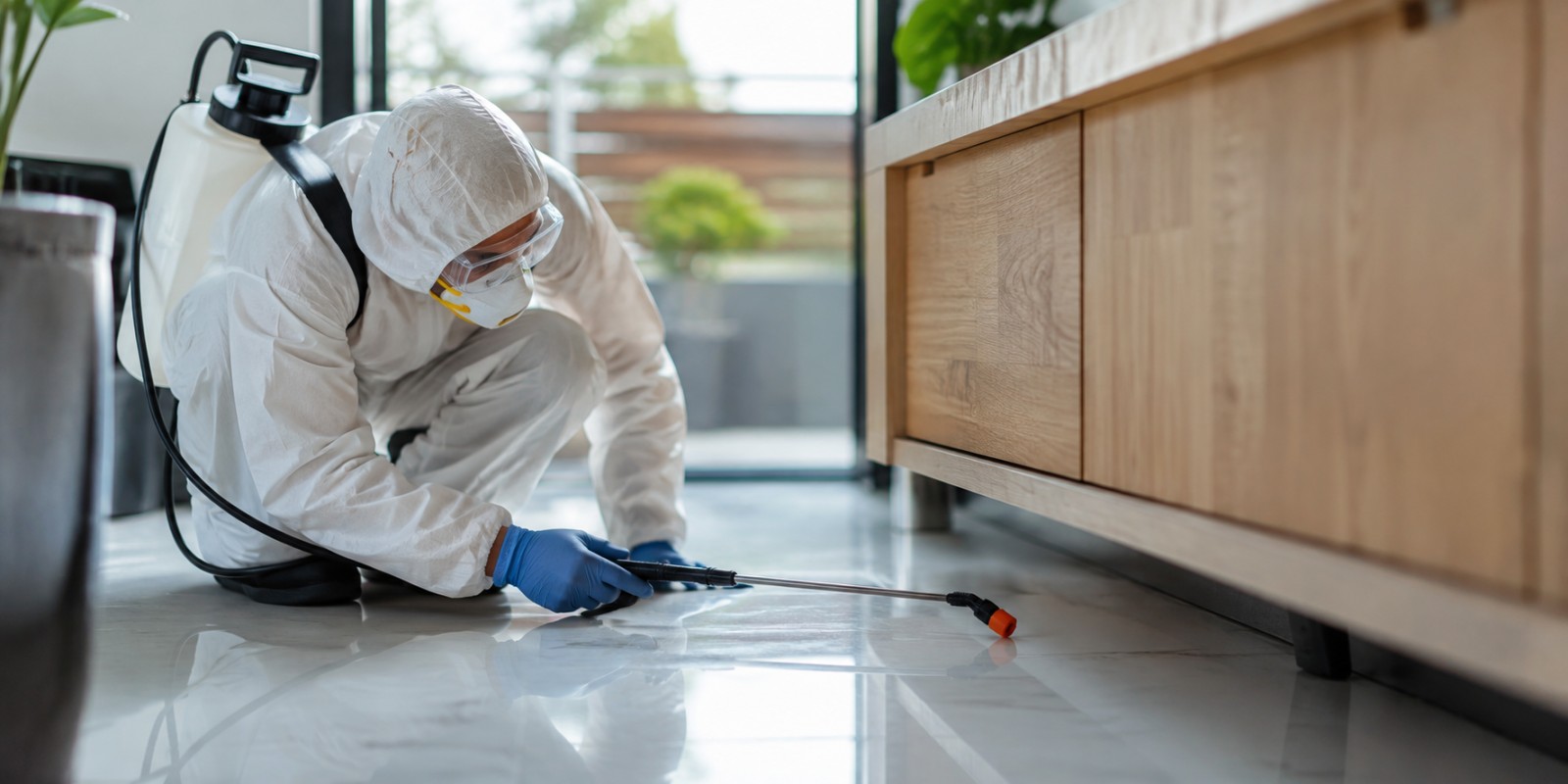
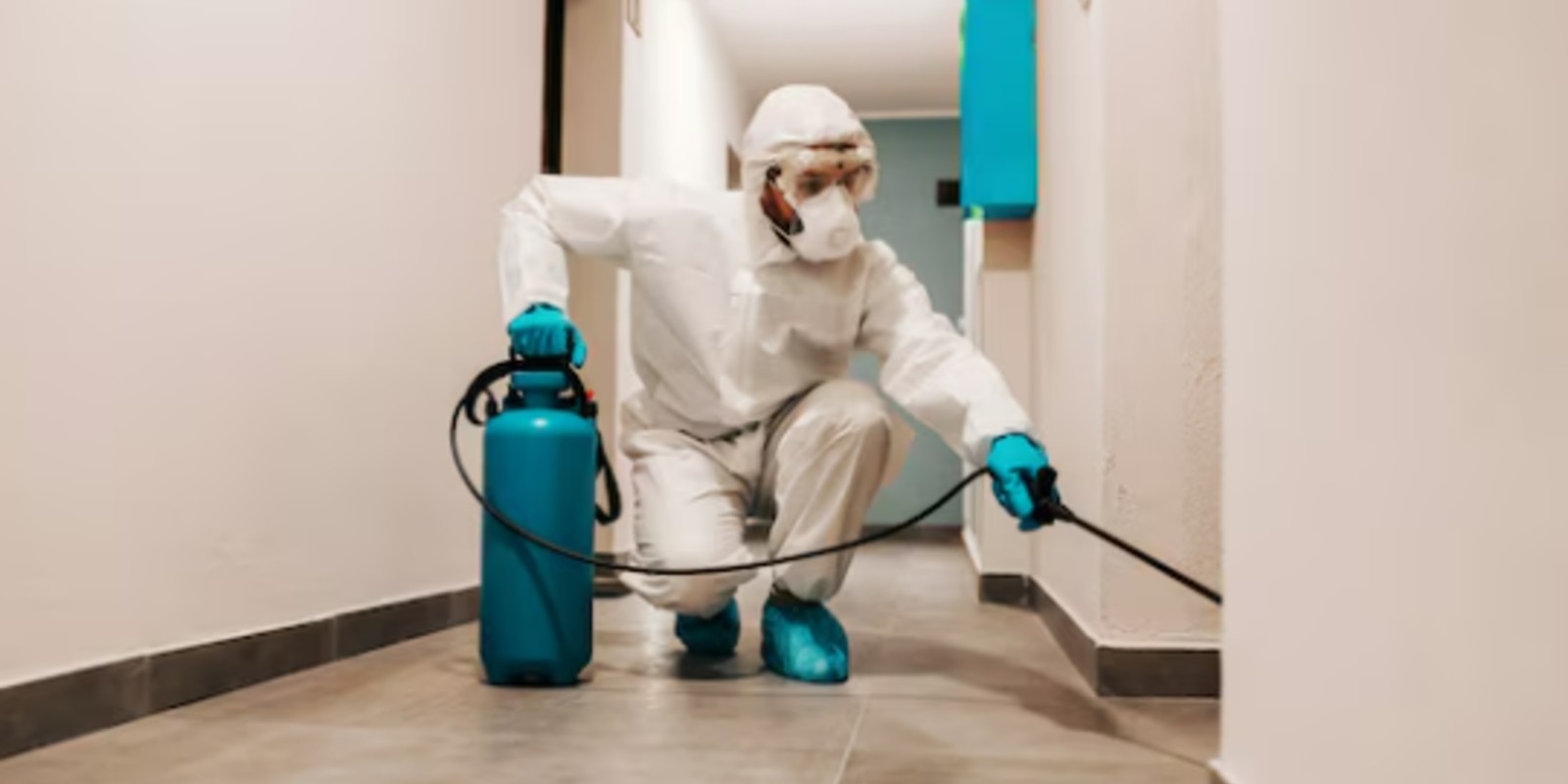
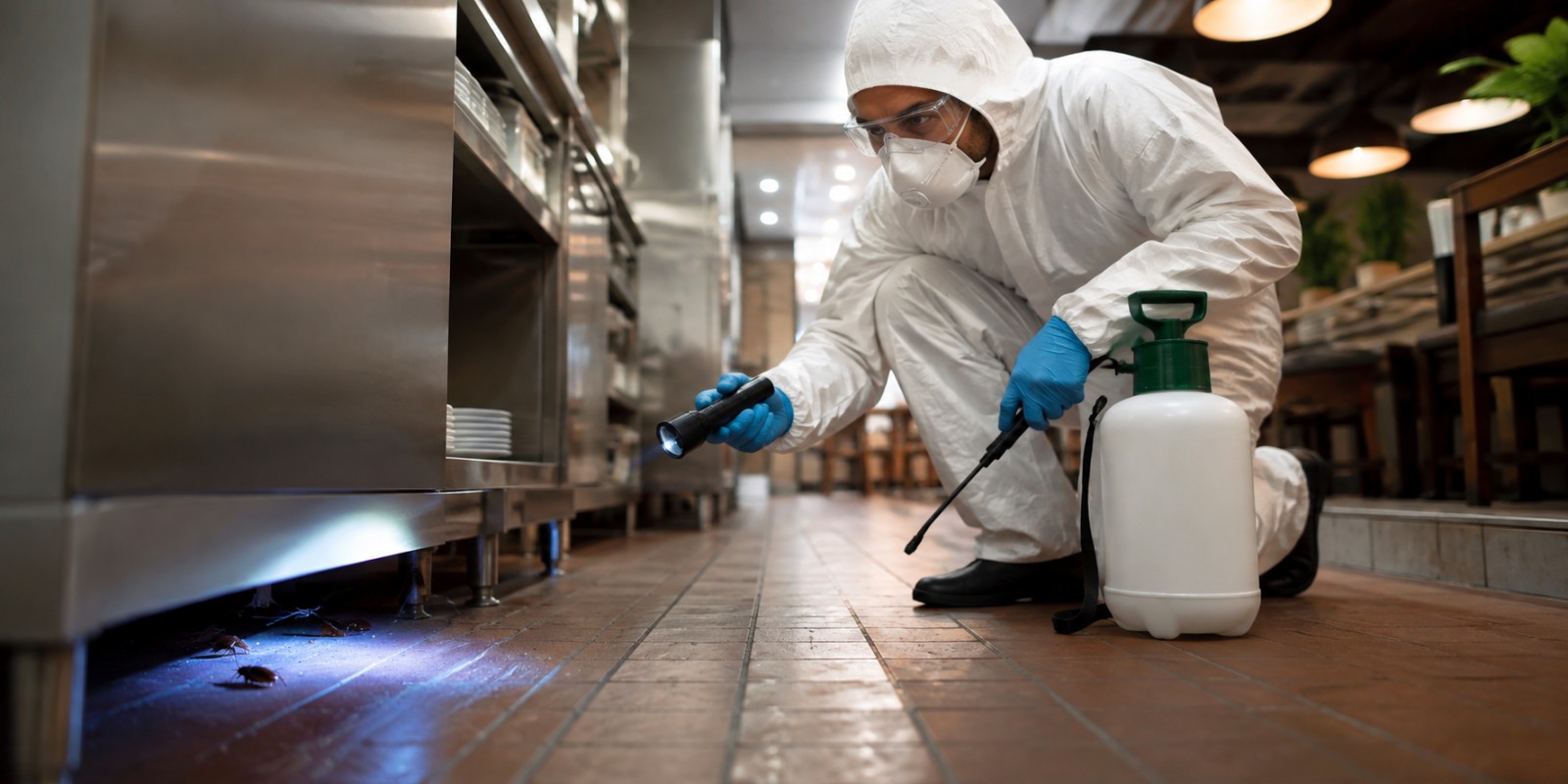
Professional cockroach treatment begins with determining which species is present, where activity is concentrated and what environmental conditions are contributing to the infestation. Treatment can then be targeted according to the evidence found.
A cockroach exterminator or pest-control technician may inspect areas that commonly support harbourage. These can include kitchens, cabinets, appliances, plumbing, drains, storage areas and service spaces.
Evidence such as droppings, egg cases, nymphs and live adults can help determine the extent of activity. The inspection also distinguishes between cockroaches breeding within the property and cockroaches entering from another environment.
An established German cockroach population around kitchen equipment may require detailed indoor treatment, while repeated larger cockroaches around floor drains may require greater attention to drainage and entry routes.
Baits, Gel and Targeted Applications
Baits, gels and targeted insecticide applications are among the methods that may form part of professional cockroach control. The selected method depends on the species, harbourage, infestation level and property conditions.
Gel Baits
Cockroach gel bait can be applied in small placements around suitable harbourage and movement areas. Correct placement is important because the bait needs to be accessible to active cockroaches while being used according to product requirements.
Bait Stations
Enclosed bait stations can provide another way of presenting insecticidal bait. They may also be useful in locations where contained placement is appropriate.
Targeted Insecticide Applications
Professional treatment may include suitable insecticide applications around confirmed harbourage or movement areas. The purpose is to target relevant locations rather than simply applying chemicals broadly throughout the property.
Monitoring Devices
Monitoring devices can show where activity remains after treatment. The findings can then guide follow-up decisions and identify areas requiring additional attention.
Professional cockroach treatment may combine several of these methods rather than depending on one technique.
Safety Considerations
Cockroach treatments should be used according to product labels and appropriate safety instructions. Using more pesticide than recommended does not necessarily improve control and may increase unnecessary exposure.
Mixing products or using pesticides in ways not described on their labels should also be avoided. Safety should be considered alongside effectiveness when deciding which cockroach treatment method is appropriate.
The Role of Cleaning in Both Approaches

Cleaning supports both DIY and professional cockroach control because it reduces food sources and makes harbourage easier to identify. However, cleaning alone should not be expected to eliminate a breeding infestation.
Particular attention should be given to areas that ordinary cleaning may miss amd moisture should also be addressed by repairing leaking pipes and checking damp areas that can support cockroach survival.
A property can appear clean while still providing sufficient food and moisture in concealed areas. Cockroach sanitation therefore needs to focus on pest resources rather than appearance alone.
When DIY Cockroach Control May Be Enough
DIY cockroach control may be sufficient when activity is limited, there is no evidence of widespread breeding and the likely source can be addressed. The property should then be monitored to confirm that activity has stopped.
For example, an isolated cockroach entering through an identifiable external route does not necessarily require an extensive professional treatment programme.
Basic sanitation, monitoring and correction of the entry point may be appropriate. DIY treatment becomes less suitable when evidence indicates that cockroaches are reproducing within the property.
Finding numerous nymphs, egg cases and droppings suggests a different level of infestation. The decision should therefore be based on evidence rather than simply the number of cockroaches killed.
When Professional Control Is Needed
Professional cockroach control should be considered when activity repeatedly returns, breeding is evident, multiple areas are affected or the source cannot be identified. Commercial food environments may also require more structured pest management.
Warning signs that justify professional assessment include:
- Regular sightings despite repeated DIY treatment.
- Adults and nymphs appearing together.
- Multiple cockroach egg cases.
- Widespread droppings or harbourage evidence.
- Activity extending across several rooms.
- Persistent infestations in restaurants or food premises.
A professional inspection can help determine whether the problem is primarily an established indoor population, external entry or a combination of both. The objective is not simply to use stronger treatment, it is to understand the infestation well enough to target it effectively.
Preventing Cockroaches After Treatment
Preventing another infestation requires maintaining sanitation, reducing moisture, managing waste and addressing identified entry routes after cockroach activity has declined. Treatment alone does not make a property permanently resistant to cockroaches.
Food should remain appropriately stored and waste should be removed regularly to prevent accumulation in concealed areas. Leaks should also be repaired where practical.
Monitoring is also useful, using a few strategically positioned monitoring devices can help detect renewed activity before cockroaches become regularly visible. Long-term prevention depends on continuing environmental improvements.
Frequently Asked Questions
Is DIY cockroach control effective?
DIY methods can be effective for limited cockroach activity when the source is understood and appropriate treatment, sanitation and monitoring are used. Established breeding infestations can be more difficult to manage without professional assessment.
Why do cockroaches return after DIY spraying?
Cockroaches may return because hidden harbourage, egg cases or other individuals survived treatment. New cockroaches may also enter through drains, gaps or neighbouring areas.
Is cockroach gel bait better than spray?
Neither method is automatically better in every situation. Gel bait and insecticide applications work differently, and the appropriate choice depends on the species, infestation and treatment environment.
Can cleaning alone eliminate cockroaches?
Cleaning reduces food and harbourage but may not eliminate cockroaches already breeding in concealed locations. It works best as part of a wider cockroach-control strategy.
How do I know if cockroaches are breeding inside my property?
Repeated sightings of nymphs, egg cases, shed skins and droppings can indicate breeding nearby. Professional inspection may help identify the harbourage.
When should I stop using DIY methods and contact a professional?
Professional assessment should be considered when activity persists after repeated DIY treatment, several areas are affected or there is evidence of active breeding.
Will professional cockroach treatment prevent cockroaches permanently?
No treatment can guarantee that cockroaches will never return. Continued sanitation, maintenance, exclusion and monitoring are necessary because new cockroaches can enter when suitable conditions exist.
Choosing the Level of Control the Infestation Requires
DIY vs professional cockroach control should not be viewed simply as a choice between a weaker and stronger pesticide. The more important difference is the ability to identify the species, locate harbourage, understand entry routes and monitor whether the infestation is actually declining.
DIY cockroach control can be reasonable for limited activity when the source is clear. However, repeated spraying of visible cockroaches can provide only temporary improvement if egg cases, hidden populations or environmental conditions remain unresolved.
Professional cockroach treatment becomes more relevant when the infestation is established, recurring or difficult to locate. Whichever approach is used, sanitation, moisture management, exclusion and monitoring remain important.
Long-term cockroach control depends on addressing the conditions supporting the infestation rather than only the insects visible at a particular moment.
Move Beyond Repeated DIY Cockroach Treatments
When cockroaches continue appearing despite household sprays, baits and cleaning, homeowners and businesses should consider contacting professional pest control services. Book an appointment with ZB I Tech Sdn Bhd today to assess your property and develop a suitable cockroach treatment plan.