Skip to content
Diseases spread by rats can reach people through direct contact with rodents, exposure to rat urine or droppings, contaminated food or water, bites, and in some cases parasites associated with rodents. The level of risk depends on the disease, type of exposure and conditions within the affected environment.
Rat borne diseases are particularly prevalent in Malaysia, especially in places where rodents have access to kitchens, food storage areas, waste facilities, drains and other locations where contamination can spread. Rats do not need to bite a person for an exposure risk to exist.
The presence of rats does not mean occupants will automatically become ill. However, signs of an infestation should be addressed because controlling rodent activity, cleaning contaminated areas appropriately, and reducing future access can help lower avoidable exposure.
How Rats Can Spread Disease
Diseases from rats are spread through several transmission routes, including their urine, faeces, saliva, contaminated surfaces and parasites. Understanding these routes is important because visible contact with a live rat is only one possible form of exposure.
Rats frequently move between drains, waste areas, outdoor environments, food storage locations and other parts of buildings. During this movement, biological material or contaminants can be deposited onto surfaces.
Potential exposure routes include:
- Contact with rat urine or droppings.
- Food or water contaminated by rodents.
- Contact with contaminated surfaces or materials.
- Rat bites or scratches.
- Exposure involving rodent-associated parasites.
The transmission route varies according to the disease.Good hygiene and effective rodent control therefore work together in removing rats and addressing the source of contamination.
Leptospirosis

Leptospirosis is a bacterial disease associated with animals, including rats, and exposure can occur when urine from an infected animal contaminates water, soil or other environments. The bacteria can enter the body through cuts or abrasions in the skin or through mucous membranes.
Rat urine health risks are particularly relevant in environments where contaminated water may accumulate. Malaysia's tropical climate and periods of heavy rainfall or flooding can create conditions where contaminated water becomes an important public health consideration.
Exposure is not limited to visibly dirty locations. Contaminated water may not provide an obvious visual indication that disease-causing organisms are present.
Reducing rat populations and avoiding unnecessary contact with potentially contaminated water are therefore important preventive measures. Anyone concerned about possible exposure or symptoms should also seek advice from an appropriate healthcare professional.
Salmonellosis and Food Contamination
Salmonellosis is an infection caused by Salmonella bacteria, which can spread through contaminated food and environments. Rodents can contribute to contamination when they move through food handling or storage areas.
Rat droppings, urine or contaminated body surfaces can potentially introduce microorganisms to food, equipment and preparation areas. The risk is particularly relevant when rodents gain access to:
- Uncovered food
- Damaged food packaging
- Preparation surfaces
- Utensils or equipment
- Ingredient storage areas
Food showing evidence of rodent access should not simply be wiped clean and returned to use. Gnawed packaging, droppings around food and other contamination signs should be treated as evidence that the surrounding area requires investigation.
Rat-Bite Fever
Rat-bite fever is a bacterial illness associated with exposure to infected rodents. Transmission can occur through rat bites or scratches and, depending on the bacteria involved, other forms of contact may also be relevant.
A bite is different from indirect exposure to droppings because the skin may be broken and contaminated directly. Any rat bite should be taken seriously from a hygiene and medical perspective.
The wound should receive appropriate immediate care, and professional medical advice should be sought regarding the specific exposure. Pest management is also necessary when a bite occurs inside a home or workplace because the incident confirms direct interaction between rodents and occupants.
The area should be inspected to determine where the rat is sheltering and how it entered the building.
Other Rodent-Associated Infections
Rats and other rodents can be associated with additional infectious diseases, although the likelihood and transmission routes vary significantly by geography, rodent species and environmental conditions. Not every disease associated with rodents internationally has the same relevance in every part of Malaysia.
For this reason, health risks should be discussed accurately rather than assuming that every rat carries every rodent-associated disease. The practical response to an infestation remains similar: reduce direct contact, manage contaminated areas safely, prevent food exposure and control the rodent population.
Where a person has experienced a specific exposure, such as a bite or contact with contaminated floodwater, medical professionals are the appropriate source for evaluating individual health risk.
Pest-control professionals address the infestation itself rather than diagnosing disease.
Risks From Rat Droppings
Rat droppings health risks arise because faecal material can contaminate food, surfaces and storage environments. The level of concern depends on the amount of contamination and how people interact with the affected area.
Droppings are commonly found along rat movement routes and around feeding or harbourage locations. Possible locations include cabinets, storerooms, ceilings, kitchens and spaces behind equipment.
The presence of droppings also provides useful pest-management information. Fresh droppings repeatedly appearing after an area has been cleaned can indicate continuing rodent activity.
Droppings should not be handled unnecessarily with bare hands. Heavily contaminated areas may require more careful cleaning procedures than a minor isolated finding. The underlying rat infestation must also be addressed; cleaning repeatedly without controlling the rodents allows new contamination to continue.
Risks From Rat Urine
Rat urine can contaminate surfaces, materials, soil and water even when the contamination is not immediately visible. This makes it different from larger physical evidence such as droppings or gnawed packaging.
Urine may occur along movement routes and around nesting or feeding locations. The potential health significance depends on whether the rat carries an infectious organism and whether a person is exposed through a transmission route.
Leptospirosis is one important example where urine from infected animals can contaminate the environment. Reducing exposure therefore involves both hygiene and rodent management. Persistent rat activity should be controlled so new contamination does not continue to accumulate after cleaning.
Food and Surface Contamination
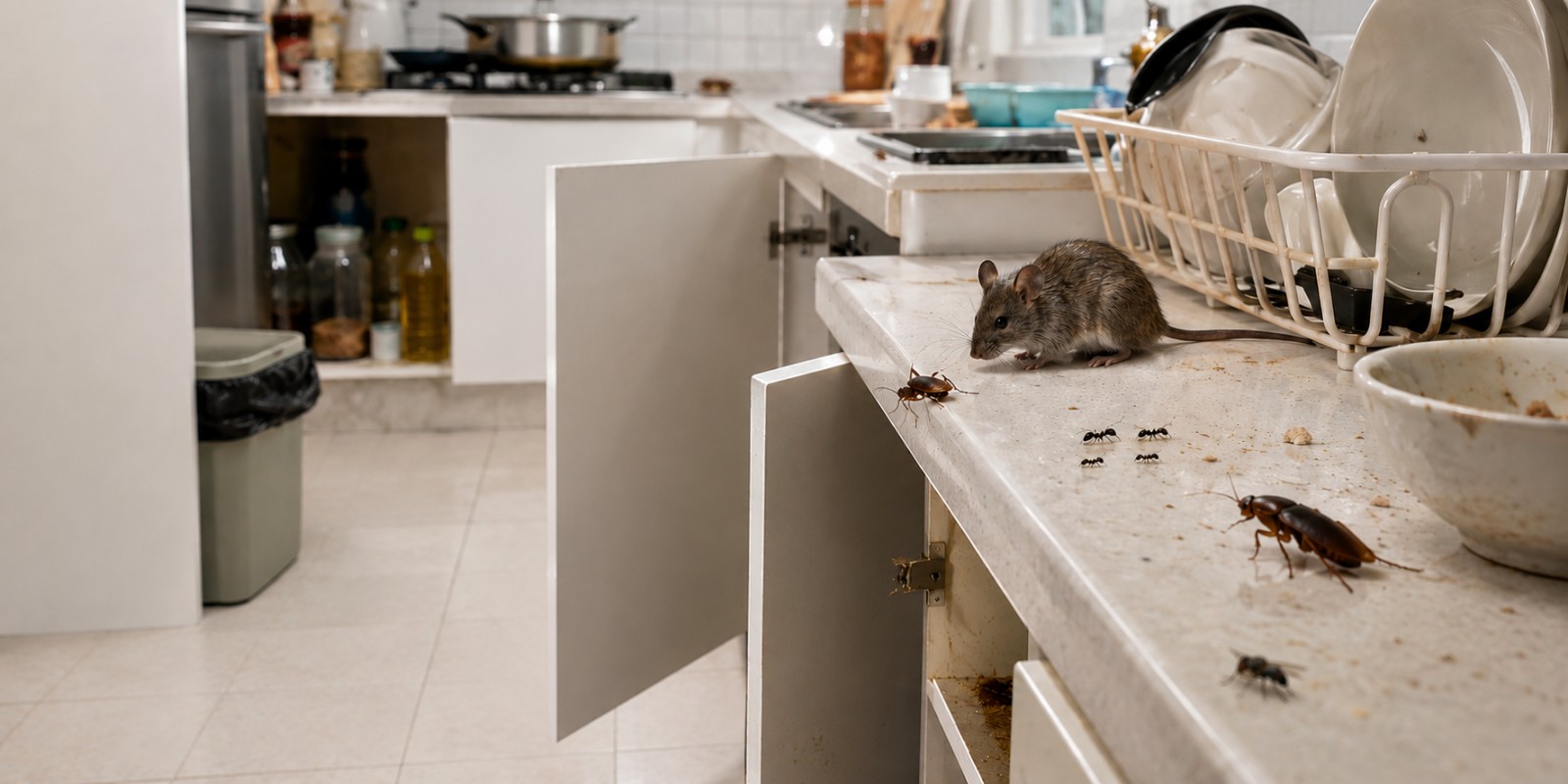
Food and surface contamination can occur when rats travel through waste, drains or other contaminated environments and then enter kitchens or storage areas. Their movement creates opportunities for biological material to be transferred to locations used by people.
Food businesses require particular attention because one rodent may move through several operational areas during its normal activity.
Evidence around a food area should prompt inspection of both the immediate location and nearby movement routes.
Potentially affected areas include:
- Food preparation surfaces.
- Dry-food storage.
- Packaging and containers.
- Shelving and equipment.
- Waste handling locations.
- Delivery and receiving areas.
Cleaning visible droppings without investigating where the rats entered may provide only temporary improvement. Food safety procedures and rodent control should address both contamination and its source.
Health Risks in Homes
Rat infestations in homes can create exposure concerns when rodents enter kitchens or other frequently occupied spaces. This can increase the chance of children and pets coming into contact with contaminated locations without recognising the risk, therefore:
- Food should be stored in suitable containers, particularly when evidence of rodents has been found.
- Pet food should also be managed because rats may feed from bowls or stored animal food.
- Ceiling infestations require attention even when rats are not entering living areas.
- Householders should address scratching sounds, droppings and repeated sightings.
Droppings, urine and nesting material can accumulate in concealed spaces, while rodents may eventually find routes into rooms, therefore, investigation should start before direct contact occurs.
Health Risks in Businesses
Rat infestations in businesses can affect employees, customers, stored products and operational areas. The consequences depend on the type of business and where rodents are active.
Food businesses have clear contamination concerns, but warehouses, offices and other commercial premises can also experience problems. Rats may contaminate shared kitchens, stored products and surfaces or damage packaging and equipment.
Commercial environments can also provide numerous access routes through loading areas, drains, service corridors and deliveries. Effective management therefore requires coordination between pest control, cleaning, waste management and building maintenance.
Staff should have a clear way to report droppings, sightings and gnawing so evidence can be investigated promptly rather than removed without documentation.
Higher-Risk Environments
Some environments require greater attention because they provide rats with abundant food, water or harbourage or because contamination could affect many people. Risk depends on the property and activities taking place there.
Examples can include food preparation premises, markets, warehouses storing food and buildings with significant waste-handling areas. Properties affected by flooding or drainage problems may also require additional attention because water can interact with contaminated environments.
Higher-risk environments benefit from systematic prevention rather than waiting for visible rats. Routine inspection, waste management, structural maintenance and monitoring can identify conditions that encourage rodents before a larger infestation develops.
The objective is to reduce both rat activity and opportunities for people to encounter contaminated materials.
Reducing Exposure to Rat Contamination
Reducing exposure begins by limiting direct contact with rats and materials contaminated by their waste. Cleaning should be carried out using methods appropriate to the extent and location of contamination.
People should avoid handling rat droppings, urine-contaminated materials or dead rodents unnecessarily with bare hands. Food that has clearly been accessed or contaminated by rats should be handled according to appropriate food-safety practices.
After evidence is documented, the surrounding environment should be checked for continuing activity. The main priorities are:
- Control the active rat infestation.
- Prevent access to food and water.
- Clean contaminated areas appropriately.
- Identify and seal entry points where practical.
- Monitor for fresh evidence.
Removing contamination without controlling the rats will not prevent the same areas from becoming contaminated again.
Role of Professional Rat Control and Hygiene

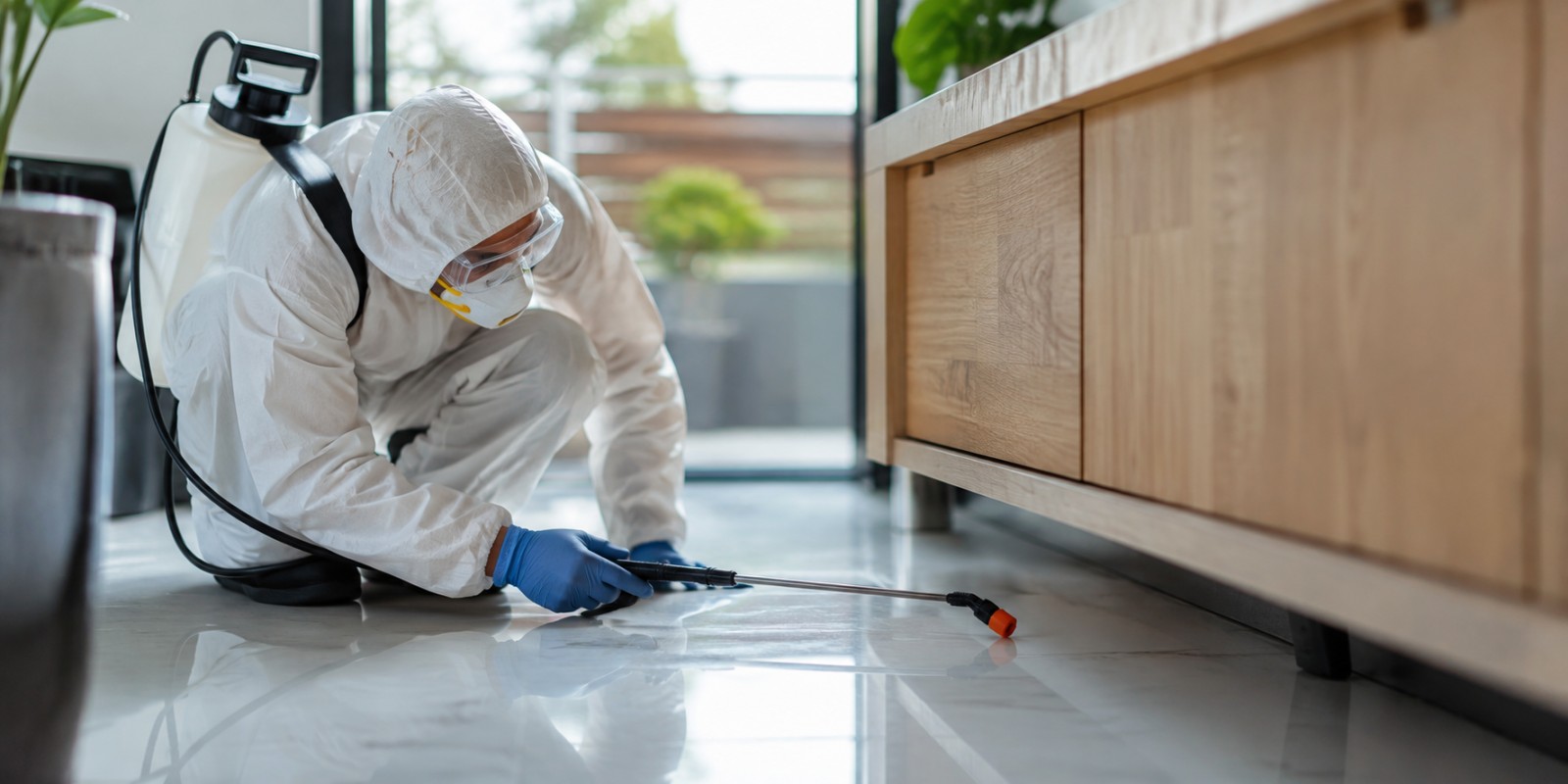
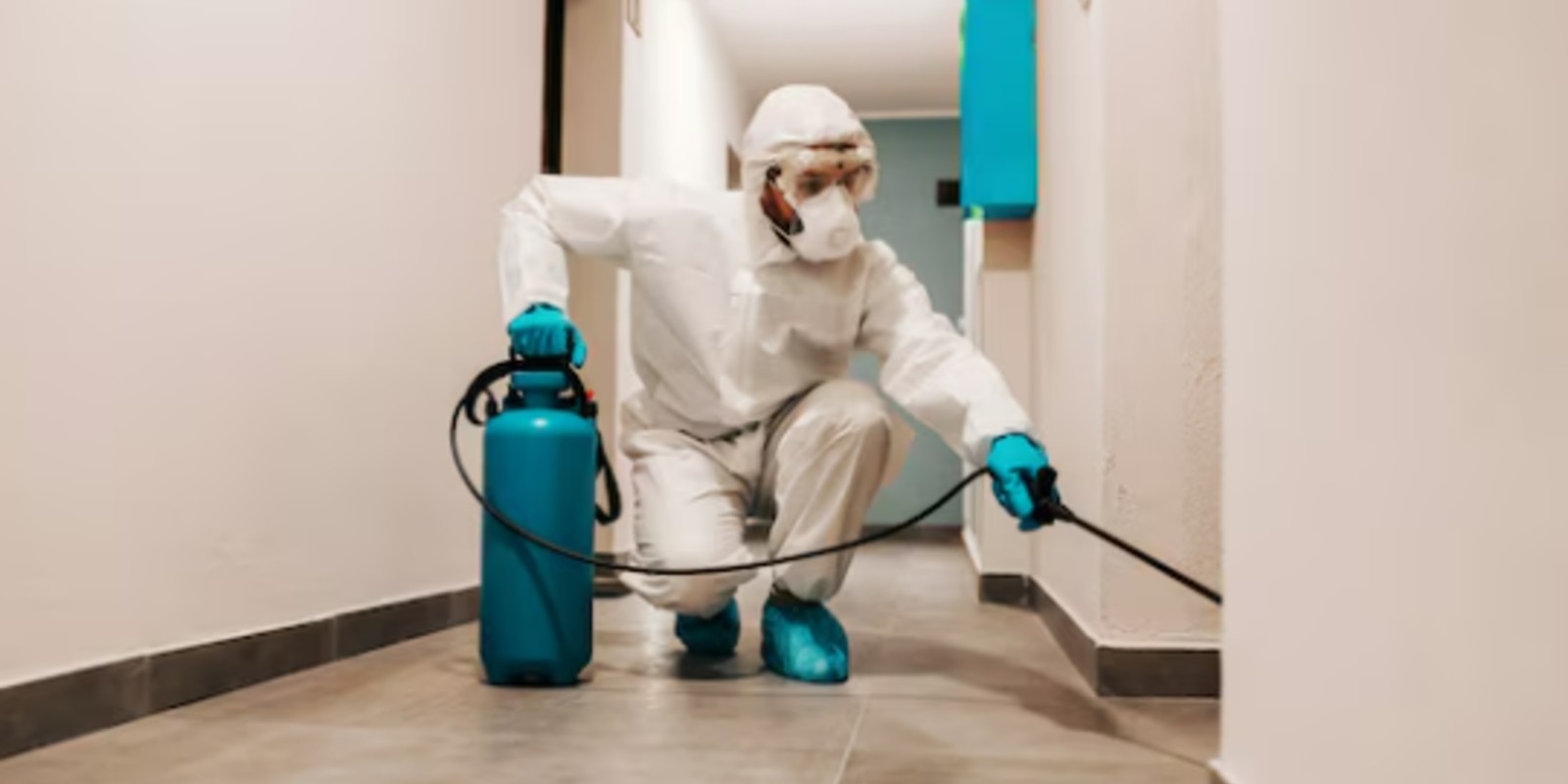
Professional rat control addresses the source of continuing rodent contamination by identifying active areas, movement routes and possible entry points. Hygiene measures address the contamination already present.
Neither approach should replace the other. Pest control may use trapping, baiting, monitoring and proofing according to site conditions. However, cleaning and sanitation are needed to remove accessible food residues and contaminated materials to improve waste management.
In commercial environments, coordination between pest technicians, cleaners, maintenance teams and staff can be particularly important. For significant contamination, specialist cleaning requirements may extend beyond the normal pest-control service.
Medical concerns should also remain separate from pest management. A pest control provider can manage rodents but cannot determine whether an individual has contracted a rat borne disease.
Preventing Rodent-Related Disease Exposure
Rodent disease prevention focuses on reducing opportunities for rats to enter occupied environments and preventing contact with their waste. Long-term prevention requires both structural and operational measures.
- Food and waste should remain inaccessible to rodents wherever practical.
- Water leaks and drainage problems should also be corrected.
- Buildings should be inspected for possible rat entry points around doors, walls, roofs, pipes and utility penetrations.
- Businesses can strengthen prevention by maintaining monitoring procedures and encouraging staff to report signs quickly.
The absence of visible rats should not be the only measure of success. Fresh droppings, gnawing, tracks and other evidence should also be monitored.
Frequently Asked Questions
What diseases can rats spread?
Rats can be associated with diseases including leptospirosis, salmonellosis and rat-bite fever, among other rodent-associated infections. The transmission route and relevance vary according to the disease and environmental conditions.
Can rat urine make people sick?
Rat urine can be a transmission route for certain infections, including leptospirosis when urine from an infected animal contaminates water or the environment. Individual medical risk should be assessed by a healthcare professional.
Are rat droppings dangerous?
Rat droppings can contaminate food and surfaces and should be handled with appropriate hygiene precautions. Their presence also indicates that rats have been active in the area.
Can you get sick without touching a rat?
Yes. Some rodent-related exposures can occur indirectly through contaminated food, water, surfaces, urine or droppings. Direct physical contact with a live rat is not required for every transmission route.
Should food with rat bite marks be used?
Food packaging showing clear rodent damage should be treated as potentially contaminated. Appropriate food-safety procedures should be followed rather than assuming the contents remain unaffected.
Does killing the rats remove the contamination?
No. Rat control stops or reduces continuing rodent activity, while contaminated areas may still require appropriate cleaning. Both aspects need to be addressed separately.
Who should I contact if I think rat exposure has made me ill?
Medical concerns should be assessed by an appropriate healthcare professional. Pest control professionals can identify and manage the rodent infestation but do not diagnose or treat human disease.
Reducing Health Risks Starts With Controlling the Source
Diseases spread by rats are relevant because rodents can contaminate environments without directly interacting with people. Rat urine, droppings, damaged food and contaminated surfaces can all create potential exposure routes depending on the disease involved.
The presence of rats does not mean illness is inevitable, but an infestation should not be ignored. Cleaning contaminated areas without controlling active rodents allows new contamination to continue, while removing rats without addressing hygiene leaves existing contamination behind.
Effective rodent disease prevention therefore combines rat control, appropriate cleaning, food and waste management, structural maintenance and continued monitoring.
Address Rat Activity Before Contamination Continues
Rat droppings, urine contamination, damaged food packaging or repeated rodent activity can indicate that affected areas require both pest management and appropriate hygiene measures.
If you are looking for pest control services, book an appointment with ZB I Tech Sdn Bhd to have your rodent activity assessed and determine an appropriate rat control approach.