Skip to content
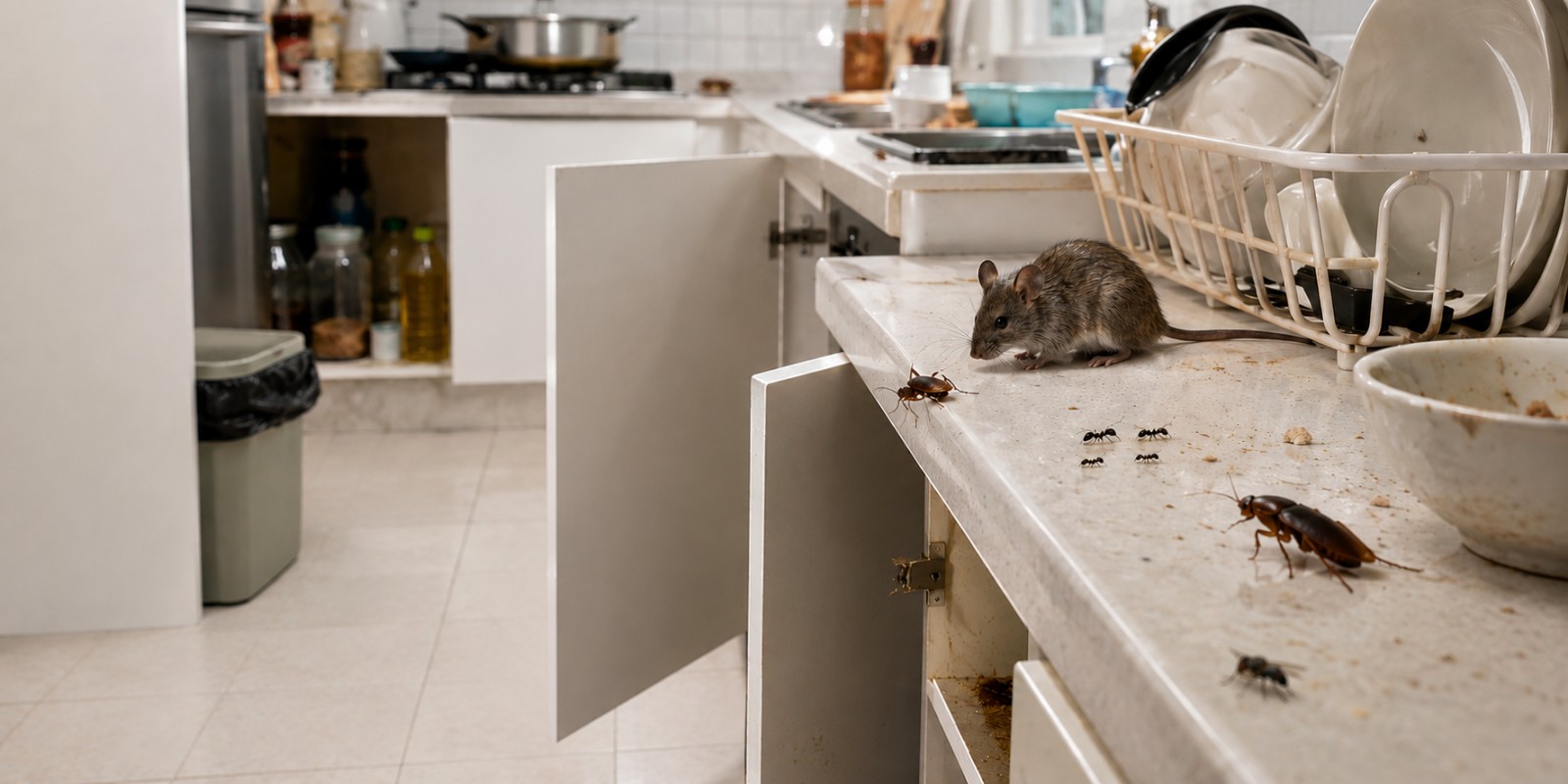
Cockroaches keep coming back when the conditions that support an infestation remain available or when treatment does not reach the full population. Hidden harbourage, surviving egg cases, food and moisture, untreated entry points and cockroaches arriving from neighbouring areas can all contribute to recurring activity.
This is especially relevant in Malaysia, where warm and humid conditions can support cockroach activity throughout the year. Kitchens, bathrooms, drains, food premises, storerooms and waste areas can provide the food, water and shelter cockroaches need.
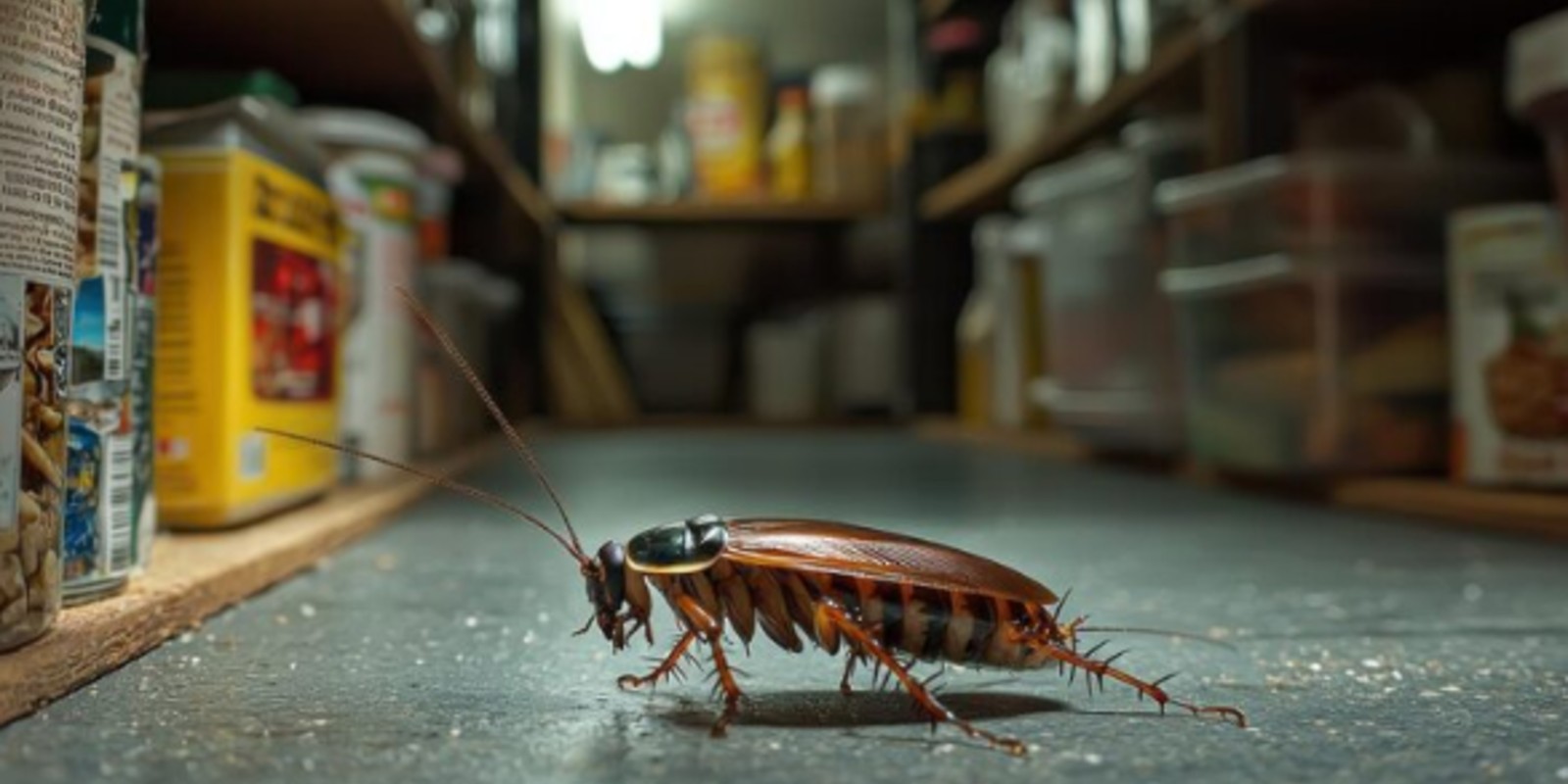
Malaysian pest-management services commonly identify German and American cockroaches among the important pest species encountered in homes and commercial environments.
A cockroach re-infestation does not always mean that an earlier treatment had no effect. Some cockroaches may have survived in concealed areas, new nymphs may have emerged after treatment, or new cockroaches may have entered the property.
Long-term cockroach prevention therefore requires more than killing the insects that are visible. Inspection, treatment, sanitation, exclusion and continued monitoring need to address the infestation as a system.
Why Cockroaches Reappear After Treatment
Cockroaches can reappear after treatment because the visible insects are often only part of the infestation. Cockroaches spend much of their time concealed in cracks, cabinets, appliances, wall voids, drains and other protected locations.
Treatment may reduce the active population without immediately eliminating every stage of the infestation.
Egg cases, known as oothecae, are particularly important. Depending on the cockroach species and treatment method, egg cases may remain protected from treatments that kill exposed adults and nymphs. When young cockroaches later emerge, occupants may interpret the activity as a completely new infestation.
Recurring cockroach infestation can also come from outside the original infestation. This is particularly relevant in apartments, condominiums, shoplots and other connected buildings where one unit cannot completely control conditions in surrounding areas.
A recurrence should therefore be investigated rather than automatically treated with another general spray.
The important question is not simply, "How do we kill these cockroaches?" It is, "Why is this property continuing to support or receive cockroach activity?"
Food, Water and Shelter

Food, water and shelter are the basic resources that allow cockroaches to survive within a property. Removing or reducing these resources is a central part of cockroach prevention.
Cockroaches are opportunistic feeders. They do not require an uncovered meal to survive. Small crumbs, grease, food residue beneath equipment, rubbish, pet food and organic material around drains can provide food.
Water can be equally important. Leaking pipes, condensation, wet cleaning equipment, damp areas beneath sinks and drainage systems can provide moisture even when no obvious standing water is visible.
Cockroaches can seek shelter in narrow, dark and protected spaces. Common harbourage areas can include:
- Cracks and crevices around cabinets.
- Spaces behind refrigerators and cooking equipment.
- Areas beneath sinks.
- Wall and utility penetrations.
- Cluttered cardboard or storage areas.
- Drainage and service spaces.
The presence of these resources explains why cockroaches can occur even in properties that appear reasonably clean. Effective control therefore requires sanitation to focus on the areas cockroaches actually use rather than only the areas people normally see.
Why Clean Properties Can Still Have Cockroaches
A clean property can still experience cockroach activity because sanitation is only one part of pest prevention. Cockroaches may enter from drains, neighbouring properties, deliveries or structural openings even when food-handling areas are maintained properly.
This distinction is particularly important for commercial properties. A restaurant may have a clean dining area and established kitchen-cleaning procedures but still experience activity around drainage, equipment voids or incoming deliveries.
In Malaysia, clean restaurants can remain exposed through drains, shared infrastructure, neighbouring premises and other external sources. The same principle applies to residential properties.
An apartment may be maintained carefully while cockroaches travel through shared plumbing or building voids from another unit. Cleaning remains essential because it reduces available resources.
However, recurring cockroach infestation should not automatically be interpreted as evidence that occupants are unhygienic. The infestation may involve a combination of sanitation, structural and external factors.
Hidden Harbourage and Breeding Areas

Hidden harbourage allows cockroaches to remain protected between feeding periods and can make an infestation difficult to eliminate with surface treatment alone. Cockroaches commonly favour narrow spaces close to food, moisture and warmth.
German cockroaches are particularly associated with indoor shelters around kitchens and similar environments. They may hide around cabinet hinges, appliance motors, cracks and protected spaces where routine cleaning does not reach.
Larger cockroach species may be more strongly associated with drainage, sewerage or utility environments and enter occupied spaces while searching for resources.
Potential harbourage should therefore be identified according to the species and property. Inspection may need to extend behind or beneath:
- Refrigerators and freezers
- Cooking equipment
- Kitchen cabinets
- Sinks and plumbing
- Storage shelving
- Electrical or service areas
Cockroach droppings, egg cases, shed skins and live insects can help identify active locations. Treating the room generally without identifying these harbourage points may reduce visible activity while leaving the source largely undisturbed.
Cockroach Eggs and the Recurring Infestation Cycle
Cockroach egg cases can contribute to the appearance that an infestation has returned shortly after treatment. An ootheca contains developing cockroach eggs and can provide protection during part of the reproductive cycle.
The exact reproductive behaviour differs between species. For pest management, the important point is that killing visible adults does not necessarily mean every developing cockroach has been eliminated.
Newly emerged nymphs may therefore appear after the initial reduction in adult activity. This is one reason follow-up monitoring matters. A decline followed by small cockroaches appearing in known infestation areas can indicate that the breeding cycle is still ongoing than an entirely new colony having entered.
The treatment strategy may need to account for these later life stages. Repeatedly spraying newly visible insects without examining harbourage and reproduction can create a cycle where activity falls temporarily and then appears again.
Common Entry Points
Cockroaches can enter buildings through structural openings, drainage systems, service penetrations and materials brought into the property. Identifying these entry routes is important when cockroaches return after the existing population has been reduced. Possible access routes include:
- Gaps around pipes and utility lines.
- Floor drains and drainage connections.
- Cracks around doors or walls.
- Vents and service openings.
- Cardboard boxes and deliveries.
- Shared building infrastructure.
Malaysian cockroach-prevention guidance specifically identifies cracks, crevices, vents, sewers and pipe drains as potential access routes.
Different properties present different risks. A landed home may experience activity associated with external drains or waste areas, while a condominium may have shared plumbing and wall voids.
Commercial properties introduce additional possibilities through deliveries, loading areas, stock and waste movement. Cockroach prevention should therefore consider how the property connects to its surroundings rather than focusing entirely on the room where cockroaches were observed.
Cockroaches From Neighbouring Properties
Cockroaches can move between connected units when shared building structures provide suitable routes. This can make cockroach re infestation more difficult to prevent in apartments, condominiums and shoplots.
Shared plumbing is one possible route. Wall voids, ceiling spaces and service areas can also connect sections of a building that appear separate to occupants. This means one property can improve its sanitation and treat an infestation while remaining exposed to external cockroach pressure.
The same problem can occur in commercial environments. A food business may share walls or services with neighbouring tenants whose pest conditions are outside its direct control. In these circumstances, local treatment can still reduce activity within the affected unit, but continued monitoring and exclusion become especially important.
Building management may also need to investigate common areas when repeated infestations suggest a wider source.
Why Sprays May Not Solve the Problem

Sprays may kill cockroaches that contact the insecticide, but spraying visible insects does not necessarily reach hidden harbourage, egg cases or cockroaches elsewhere in the property. This is one reason repeated aerosol use may produce only temporary improvement.
Another consideration is application since applying insecticide without understanding where cockroaches are harbouring can place treatment in areas that have little effect on the main population. Some repellent treatments can also affect cockroach movement and potentially interfere with baiting strategies if products are applied inappropriately.
Pesticide resistance is another relevant consideration. Repeated exposure to the same types of insecticide can contribute to reduced susceptibility within pest populations, which is one reason resistance management and integrated pest management are important principles in sustainable pest control.
This does not mean sprays have no role in cockroach control. Professional treatment may use residual or targeted insecticide applications when appropriate.
The problem is relying on general spraying as the entire strategy without inspection, sanitation, harbourage treatment or monitoring.
Why Killing Visible Cockroaches Is Not Enough
Visible cockroaches represent activity, but they do not show the complete size or location of an infestation. Most cockroach activity may occur while occupants are not watching.
A cockroach running across a kitchen floor is therefore evidence that should lead to investigation rather than simply becoming the only treatment target. The insect may have emerged from beneath an appliance, travelled through a cabinet or entered from a drain.
Killing it removes that individual but does not answer where it came from. Repeated sightings should prompt examination of patterns. Questions worth investigating include:
- Where are cockroaches seen most often?
- Are they adults or smaller nymphs?
- Does activity occur around food or water?
- Are sightings concentrated near drains?
- Are egg cases or droppings present?
- Is activity occurring during the day?
The answers can help distinguish occasional entry from an established breeding infestation.
Professional Cockroach Treatment

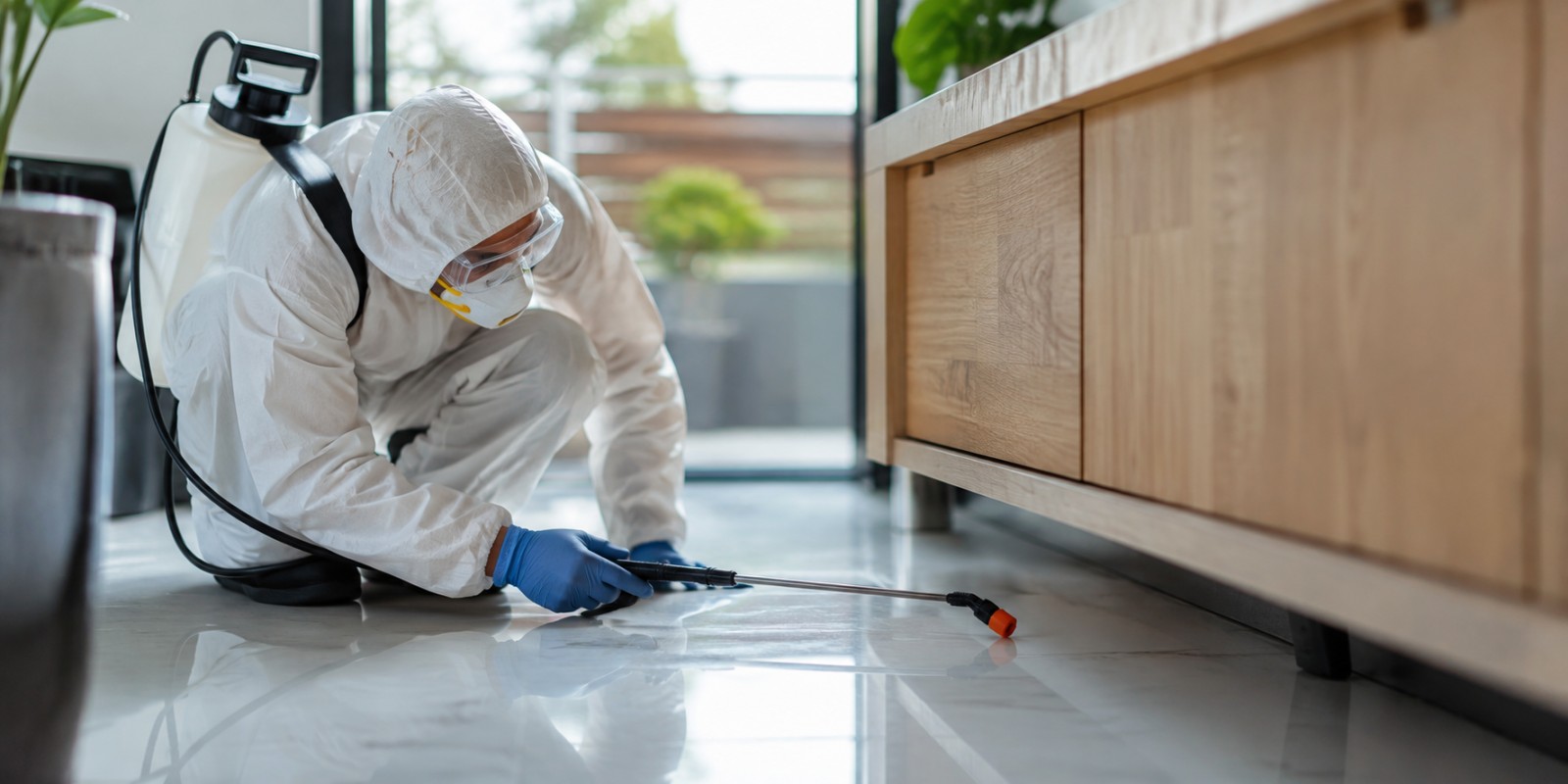
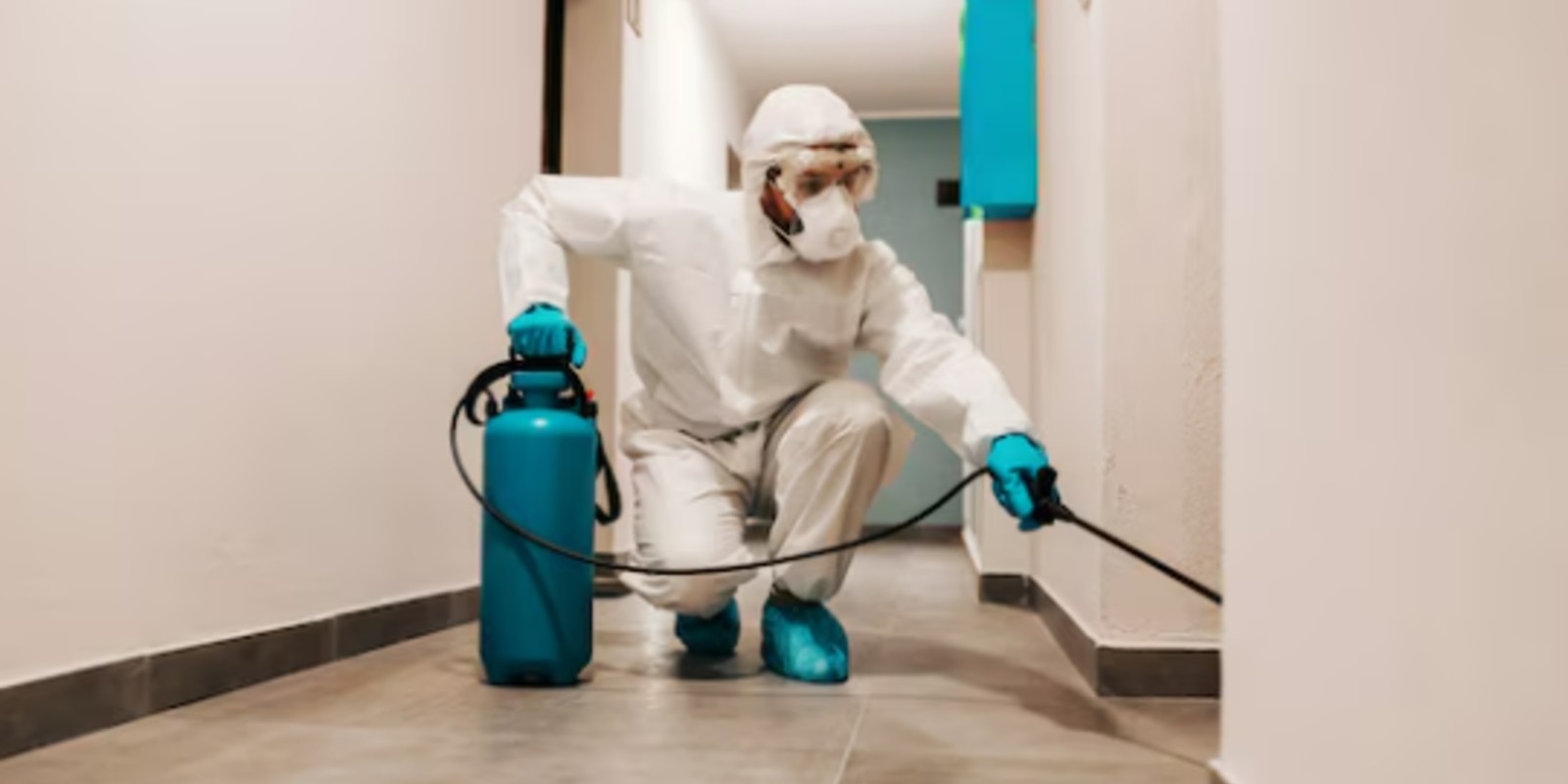
Professional cockroach control begins with identifying the cockroach species, locating active harbourage and determining which environmental conditions are supporting the infestation. Treatment can then be selected according to the findings.
Professional control may involve several techniques rather than one standard application. Depending on the infestation, treatment may include gel baiting, targeted residual treatment, monitoring devices and other appropriate control measures.
After inspection, Malaysian pest-control providers generally utilise baiting, targeted spraying, and monitoring for professional cockroach management.
Inspection
Inspection identifies where cockroaches are active and which species is involved. Technicians may examine cracks, appliances, cabinets, drains and service areas.
Evidence such as droppings and egg cases can help map harbourage.
Gel Baiting
Gel bait can be positioned in small amounts around suitable cockroach activity areas. Cockroaches consume the bait, making correct placement important.
Bait should be used according to the selected product and treatment strategy.
Targeted Insecticide Treatment
Residual or other insecticide applications may be used in appropriate areas depending on the infestation and property. Treatment should focus on relevant harbourage or movement zones rather than indiscriminate application.
Monitoring
Monitoring devices can help determine where cockroaches remain active and whether the population is declining. The information can guide follow-up treatment.
Professional cockroach control therefore works best as a process rather than a single event.
Why Follow-Up Treatment May Be Necessary
Follow-up treatment may be necessary because cockroach activity can continue as concealed insects emerge or new nymphs develop after the initial treatment. Monitoring helps determine whether this represents expected residual activity or an unresolved infestation.
A follow-up visit allows previously active areas to be reassessed. Bait can be checked and replaced where appropriate, monitoring devices can be reviewed, and newly identified harbourage can be treated.
The technician can also determine whether sanitation or structural recommendations have been implemented. The required follow-up schedule depends on the infestation and treatment method.
A minor problem may respond differently from an established German cockroach infestation in a commercial kitchen. The key is to base follow-up on evidence.
Simply repeating exactly the same treatment without assessing what changed may fail to identify the reason cockroaches continue appearing.
Cleaning and Sanitation
Cleaning and sanitation reduce the food and organic material that cockroaches can use. They also make treatment more effective by reducing competing food sources and exposing harbours that would otherwise remain hidden.
Cockroach sanitation should extend beyond ordinary surface cleaning.
- Grease and crumbs can accumulate beneath refrigerators, ovens and preparation equipment.
- Food spills can enter narrow spaces between cabinets and walls.
- Commercial premises should also consider how waste moves through the building.
- Rubbish bins, waste rooms and cleaning equipment can all contribute to pest activity if residues remain accessible.
Practical sanitation measures include:
- Cleaning food residue beneath equipment
- Storing food in appropriate sealed containers
- Removing waste regularly
- Cleaning spills promptly
- Avoiding unnecessary cardboard accumulation
- Keeping food preparation and storage areas organised
Sanitation supports treatment but does not replace it when a breeding infestation is already established. Hidden cockroaches and egg cases may remain even after the visible environment has been cleaned.
Moisture Control
Moisture control reduces one of the resources cockroaches need to survive. Kitchens, bathrooms and utility areas should therefore be checked for persistent dampness and leaks.
A small plumbing leak beneath a sink may provide a reliable water source without being obvious during daily cleaning. Condensation around equipment can create similar conditions.
The objective is not to make a building completely dry but to eliminate unnecessary and persistent moisture where practical. Relevant maintenance may include repairing leaking taps or pipes, improving drainage and ensuring wet cleaning materials are stored appropriately.
Moisture problems can also indicate broader building maintenance issues. Addressing them can therefore support both pest prevention and property management.
Exclusion and Structural Maintenance
Exclusion means reducing the openings cockroaches can use to enter or move through a property. This is because:
- Small gaps around plumbing and utilities can provide concealed routes.
- Cracks around cabinets, skirting or building finishes may also provide harbourage.
- Structural maintenance should therefore focus on confirmed or plausible pest routes.
To prevent this, possible actions include sealing appropriate cracks, repairing damaged screens and addressing gaps around service penetrations. Drainage-related access may require separate maintenance depending on the building.
In connected properties, complete exclusion may not always be possible. The objective is to reduce accessible routes and make remaining activity easier to monitor.
Exclusion is particularly important after successful treatment. Without it, a property may experience a new infestation even after the original cockroach population has been controlled.
Deliveries, Cardboard and Reintroduction
Cockroaches can sometimes be introduced through goods, packaging or materials entering a property. Commercial premises with frequent deliveries should therefore include receiving areas in their cockroach prevention strategy.
Cardboard provides numerous folds and protected spaces that can conceal small cockroaches or egg cases. Keeping unnecessary boxes for extended periods can also create additional harbourage.
Incoming stock should be examined when there is evidence of pest activity. Damaged or contaminated packaging should be handled appropriately rather than moved immediately into clean storage areas.
This does not mean every delivery represents a significant pest risk. The principle is to recognise that pest entry is not limited to cracks and drains.
In warehouses, restaurants and retail operations, the supply chain can also influence pest pressure.
Monitoring After Treatment
Monitoring after treatment determines whether cockroach activity is actually declining and whether new areas have become active. It provides more reliable information than relying solely on occasional sightings.
Sticky monitoring traps can be useful for identifying movement patterns when positioned appropriately. The number and location of captures can help indicate where treatment should be concentrated.
Monitoring should also include visual evidence. Fresh droppings, egg cases and live nymphs can show that activity remains. A simple monitoring record can track:
| Observation | What It May Indicate |
|---|---|
| Fewer captures over time | Activity may be declining |
| New nymphs in an old hotspot | Breeding cycle may still be active |
| Activity in a new area | Movement or reintroduction may be occurring |
| Continued drain sightings | Entry route may remain unresolved |
| Repeated activity after cleaning | Hidden harbourage may still be present |
Preventing Future Infestations
Preventing future cockroach infestations requires maintaining the conditions established during successful treatment. Once cockroaches disappear, returning to previous sanitation or maintenance practices can recreate the same environment that supported them.
Prevention should focus on food, water, shelter and access.
- Food should remain properly stored, and residues should not be allowed to accumulate in concealed areas.
- Leaks and persistent moisture should be repaired.
- Unnecessary clutter and cardboard should be reduced where practical.
- Entry points should also be monitored because buildings change over time.
New plumbing, renovations and ordinary wear can create openings that were not present during the original treatment. Regular inspection is particularly useful for high-risk commercial environments.
Restaurants, food facilities and properties with frequent deliveries may experience continual pest pressure even when their internal pest management is strong.
Cockroach Prevention in Homes
Cockroach prevention in homes depends on reducing household resources and identifying how cockroaches are entering. Kitchens and bathrooms deserve particular attention because they combine food, water and protected harbourage.
Food should not remain exposed unnecessarily, especially pet food and waste should also be managed appropriately.
Under-sink areas should be checked periodically for leaks and cockroach evidence. Appliances should be inspected where accessible because warm spaces around motors and equipment can provide harbourage.
Apartment residents should also consider the wider building. Repeated activity around plumbing or common areas may require communication with property management if the source appears to extend beyond one unit.
Cockroach Prevention in Businesses
Cockroach prevention in businesses requires coordination between pest management, cleaning, maintenance and staff.
- Food businesses should pay close attention to equipment, drains, waste and deliveries.
- Warehouses may need to focus more on incoming stock, cardboard and storage practices.
- Offices can still experience activity around pantries, rubbish areas and utility spaces.
- Staff should have a clear process for reporting cockroach sightings including the location and time.
This information can improve professional inspection and help identify patterns.
When Recurring Cockroach Activity Needs Professional Assessment
Professional assessment should be considered when cockroaches continue appearing despite cleaning and household treatment, when nymphs are repeatedly observed or when activity extends across several parts of a property.
Daytime sightings can also justify closer investigation, particularly when they occur repeatedly. Professional cockroach control vital when:
- Small cockroaches repeatedly appear in kitchens.
- Egg cases or numerous droppings are found.
- DIY sprays provide only temporary reduction.
- Activity occurs across several rooms.
- Cockroaches appear to come from drains or shared structures.
- A commercial food environment is affected.
The purpose of professional assessment is not merely to apply a stronger pesticide. The more important value is identifying the species, harbourage, entry routes and conditions that need to be addressed together.
Frequently Asked Questions
Why do cockroaches keep coming back after I spray them?
Cockroaches may return because spraying kills only insects that receive an effective exposure while hidden harbourage, egg cases or other cockroaches remain. New cockroaches may also enter through drains, gaps or neighbouring areas.
Does seeing small cockroaches mean they are breeding inside?
Repeated sightings of nymphs can indicate nearby breeding activity because young cockroaches generally originate from an egg case in the surrounding environment. Inspection can help locate the active harbourage.
Why do cockroaches return even when my kitchen is clean?
Cleanliness reduces food sources but does not eliminate every cause of infestation. Cockroaches may still have access to moisture, concealed harbourage, drains, neighbouring units or structural entry points.
Can cockroaches come through drains?
Yes. Drainage and plumbing systems can provide routes for some cockroach species. Drain condition and surrounding gaps should be considered when activity repeatedly occurs around sinks, bathrooms or floor drains.
Are cockroach sprays enough for an infestation?
Sprays can kill exposed cockroaches but may not reach concealed insects, egg cases or every harbourage. Established recurring infestations generally require a broader strategy involving inspection, targeted treatment, sanitation and monitoring.
How do I know whether cockroach treatment is working?
A sustained reduction in monitoring captures, droppings, nymphs and sightings can indicate declining activity. Monitoring over time is more informative than judging treatment solely by whether a cockroach is seen immediately afterwards.
Can cockroaches come from neighbouring apartments?
Yes. Cockroaches can potentially move through shared plumbing, wall voids and other connected building areas. This can contribute to recurring activity even when one unit is maintained carefully.
Why do cockroaches appear again weeks after treatment?
Later activity can result from surviving hidden cockroaches, newly emerged nymphs or new cockroaches entering the property. The location and age of the cockroaches can provide useful clues about the source.
Should I keep spraying whenever I see a cockroach?
Repeated indiscriminate spraying may not address the underlying infestation and can interfere with some treatment strategies. Persistent sightings are better investigated to determine where cockroaches are harbouring and why activity continues.
Can professional cockroach control guarantee they never return?
No pest-control method can guarantee that a property will never experience another cockroach. New pests can enter when food, water, shelter or access becomes available. Prevention and monitoring remain necessary after treatment.
Breaking the Cycle of Recurring Cockroach Infestations
Cockroaches keep coming back when treatment addresses the visible insects but leaves one or more underlying factors unresolved. Surviving egg cases, concealed harbourage, food, moisture, structural entry points and external cockroach pressure can all contribute to recurrence.
The most effective response is therefore broader than repeated spraying. Inspection identifies where cockroaches are active. Targeted treatment addresses the infestation. Cleaning and moisture control reduce the resources they need, while exclusion limits opportunities for new cockroaches to enter.
Monitoring connects these measures by showing whether activity is actually declining. For recurring cockroach infestation, the goal should not simply be to achieve a few days without sightings.
Long-term cockroach prevention depends on changing the conditions that allowed the infestation to persist in the first place.
Find Out What Is Allowing Cockroaches to Return
Repeated cockroach sightings after cleaning or treatment can indicate hidden harbourage, continued breeding or unresolved entry routes within the property. Book an appointment with ZB I Tech Sdn Bhd for an assessment of recurring cockroach activity and to determine the best solution to prevent further infestation.