Skip to content

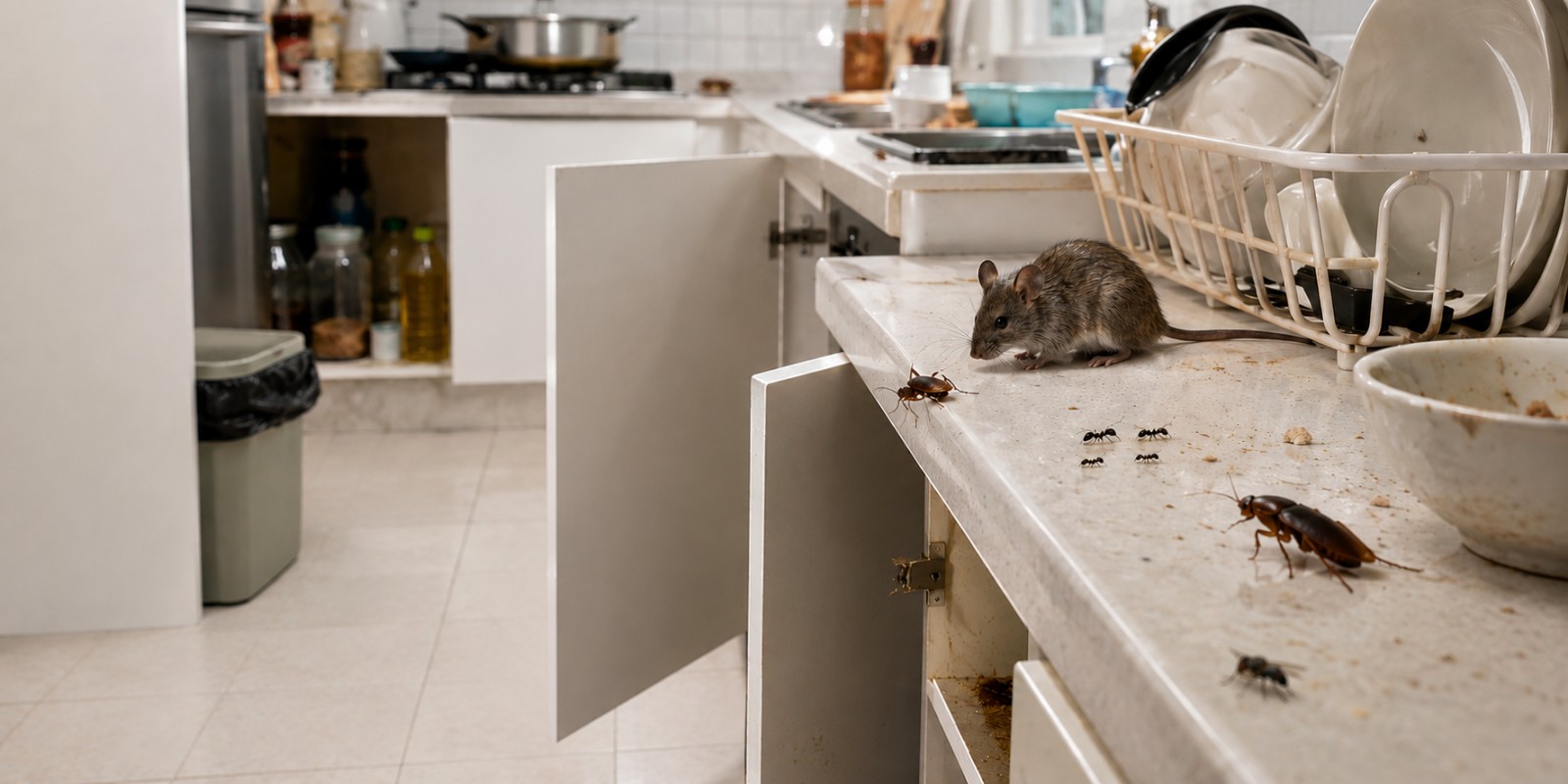
A rat infestation around a property can be quite dangerous as they spread diseases and cause significant damage too. Sometimes, even when appropriate measures have been taken, rats keep coming back after treatment when food, water, nesting areas or entry points remain available. A treatment may reduce the existing population, but new rats can enter or surviving animals can reproduce if the conditions supporting them are not corrected.
A recurring rat infestation does not always mean the original treatment failed. It may indicate that the treatment addressed visible activity without resolving access from drains, roofs, neighbouring properties, gardens or shared building spaces.
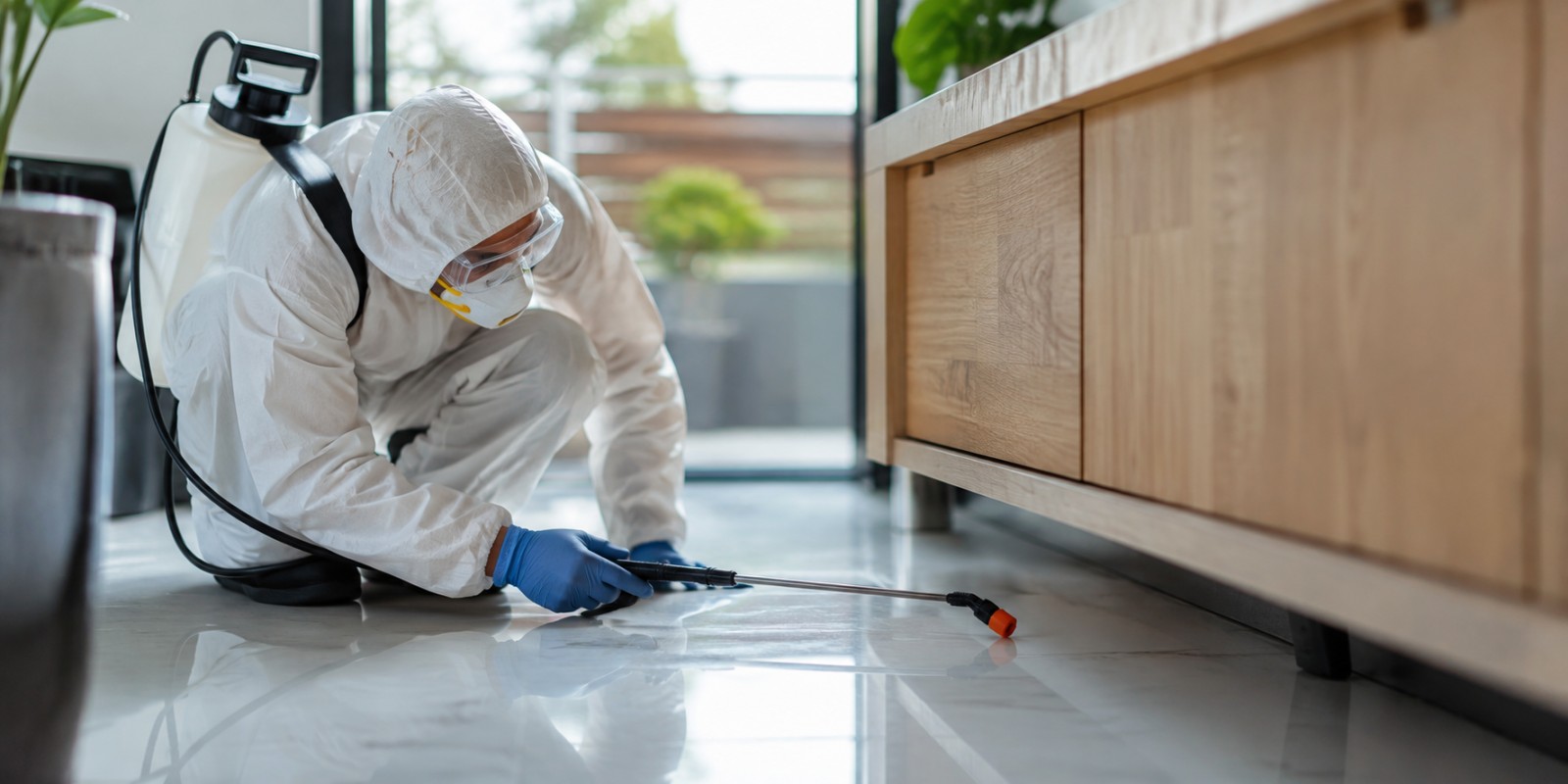
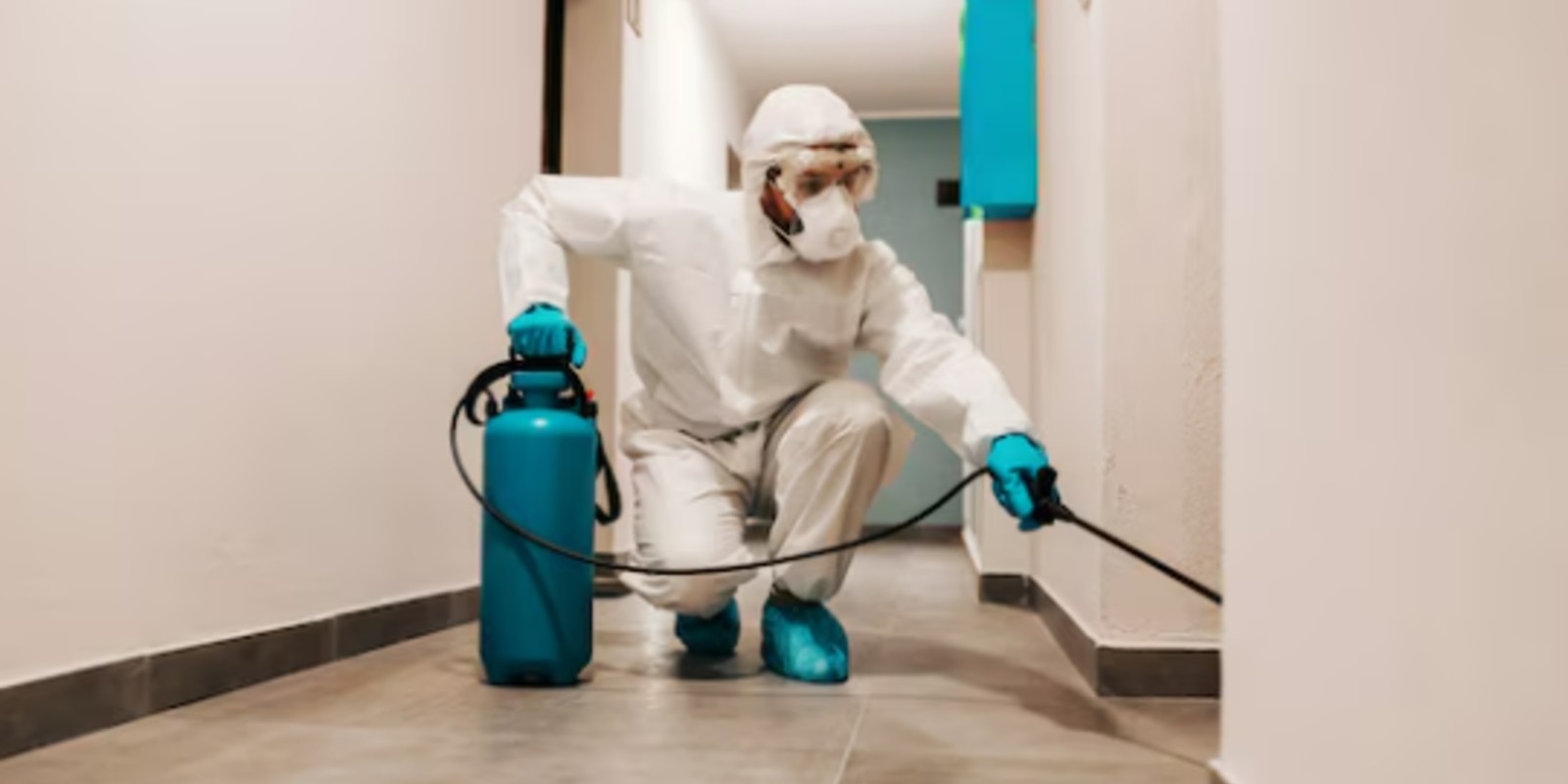
Long-term rodent control combines removal, exclusion, sanitation, monitoring and follow-up. Each part addresses a different reason why a rat infestation keeps returning.
Why Rats May Return After Treatment
Rats return when a property continues to meet their basic survival needs. They are adaptable animals that can travel between food sources, nesting areas and shelter across several properties.
Common causes of recurrence include:
- Exposed food or poorly managed waste
- Water from leaks, drains or outdoor containers
- Hidden nests that were not identified
- Gaps around roofs, doors, pipes or utilities
- Access through drains or shared service spaces
- Incomplete monitoring after the initial treatment
A property may appear clean while still providing small but dependable food sources. Grease, crumbs beneath equipment, pet food and unsecured rubbish can sustain rodent activity.
Unresolved Food Sources

Accessible food is one of the main reasons rats keep coming back. Rats do not need a large, obvious supply when small amounts are available consistently.
Indoor sources can include pantry goods, damaged packaging, pet food, crumbs, grease and food waste. Outdoor sources may include open bins, fallen fruit, compost, animal feed and rubbish from surrounding premises.
Food businesses face additional risk because deliveries, storage and waste disposal create frequent opportunities for rodents. Stock should be inspected, rotated and stored above the floor where practical.
Reducing food access involves several coordinated measures:
- Store dry goods and pet food in sealed containers
- Clean spills and food residues before closing
- Keep rubbish inside bins with suitable lids
- Inspect packages for holes, gnawing or contamination
- Remove fallen fruit and edible outdoor waste
- Clean below fixed appliances and shelving
Poisoning or trapping rats without correcting food access can produce temporary results. Other rats may replace those removed because the site remains attractive.
Water Sources That Sustain Rodent Activity

Rats require water, although the amount depends on their diet and environment. Leaking pipes, drains, condensation and outdoor containers can provide dependable sources.
Water may remain available in locations that are rarely inspected, such as beneath sinks, behind equipment, inside plant saucers or near air-conditioning drainage. Damp areas can also attract insects and other pests.
Repairs should address both the leak and the moisture left behind. Cleaning standing water without fixing its source provides only temporary improvement.
Outdoor drainage should allow water to flow rather than collect. Drain covers must also remain secure if drains are suspected movement routes.
Hidden Nesting and Harbourage
Hidden harbourage allows rats to remain near food while avoiding people and control devices. Rats may nest inside ceilings, wall voids, storerooms, unused equipment, vegetation or accumulated materials.
A tidy room can still contain concealed nesting spaces behind cabinets or within inaccessible service areas. Roof rats may use elevated routes, while other rodents may move through lower-level drains, wall gaps and ground-level storage.
Potential shelter becomes more suitable when it is warm, protected and rarely disturbed. Soft materials such as paper, insulation and fabric may be shredded for nesting.
Reducing harbourage requires access for inspection. Stored goods should be organised so wall edges, corners and floors remain visible, particularly in commercial storage areas.
Unsealed Entry Points

Unsealed entry points allow rats to return after the original population has been removed. Rats can exploit small gaps and may enlarge weak openings by gnawing.
Common entry points include damaged doors, roof gaps, pipe penetrations, vents, drains and openings around utility lines. Vegetation, cables and neighbouring structures can also provide elevated access.
An exclusion inspection should examine the complete exterior rather than only the room where rats were seen. The location of droppings does not necessarily identify the entry point because rodents may travel considerable distances inside a building.
Suitable exclusion measures may include:
- Installing door sweeps or repairing damaged doors
- Sealing gaps around pipes and service lines
- Securing vents with appropriate rodent-resistant material
- Repairing roof edges, fascia and ceiling openings
- Fitting suitable drain covers where required
- Trimming branches that provide direct roof access
Weak foam or soft filler alone may not withstand gnawing. Materials should be selected according to the size, location and construction of the opening.
Shared Buildings and Neighbouring Sources
Rats can return from neighbouring units, common corridors, service shafts, drains or shared waste areas. Treating one unit may therefore reduce local activity without removing the wider source.
Apartments, shophouses, food courts and connected commercial buildings often share structural routes. Rodents may feed in one unit, nest in another and move through communal spaces.
Effective control may require coordination with property management, neighbouring occupants or waste contractors. Evidence should be documented so repeated activity can be traced across locations.
A business cannot control every surrounding condition, but it can reduce access and resources within its own premises. Monitoring near shared boundaries helps identify where new activity begins.
Rats Entering Through Drains
Drains can serve as access routes where covers are damaged, poorly fitted or missing. Rodents may move through sewer or drainage systems and emerge inside kitchens, toilets, yards or utility areas.
Drain access should not be assumed solely because a rat was seen near a floor trap. Inspection should look for damaged covers, gaps, grease marks, droppings and movement patterns.
Any modification must preserve drainage and ventilation functions. A contractor may be needed when the problem involves damaged pipes, underground connections or building infrastructure.
Incomplete Treatment or Missed Activity
Incomplete treatment occurs when not all nesting areas, movement routes or feeding points are identified. Rats may avoid control devices if these are poorly positioned, disturbed or competing with abundant food.
Rodents can also become cautious around unfamiliar objects. Immediate avoidance of a new trap or station does not prove that no rats are present.
Treatment may miss activity when access is limited or when evidence is removed before inspection. Ceiling voids, locked rooms, heavy equipment and crowded storage can conceal important signs.
A treatment plan should be adjusted according to monitoring results. Repeating the same placement without reviewing the evidence may not address the reason the rat problem is not going away.
Why One Treatment May Not Be Enough
One treatment may not be enough because rodent control depends on population size, building access and surrounding pressure. A single visit can install control devices or remove accessible animals, but it cannot always confirm that all activity has ended.
Follow-up is used to inspect bait consumption, trap results, droppings and new damage. It also shows whether exclusion and sanitation recommendations have been completed.
Rodent reproduction can contribute to persistent activity when established nests remain. Young rodents may stay concealed until they begin moving independently.
The required number of visits cannot be determined from a sighting alone. Progress should be evaluated from physical evidence collected over time.
Rats After Pest Control: What Is Normal?
Some signs may remain immediately after pest control because old droppings, grease marks and gnaw damage do not disappear when rats are removed. Cleaning and documentation help distinguish old evidence from new activity.
A brief period of continued movement may also occur while traps or baits take effect. The expected timeframe depends on the treatment method and conditions at the property.
Fresh droppings, new gnawing, repeated sounds or continued consumption at monitoring stations indicate that activity may remain. Increasing sightings should be reported rather than assumed to be a normal treatment response.
Dead rodents may create an odour if they die in inaccessible voids. The provider should explain this possibility when using rodenticides and discuss retrieval where practical.
Why Household Rat Poison May Not Solve the Problem
Household rat poison may kill individual rats but does not seal entry points or remove food and shelter. Incorrect placement can also expose children, pets and non-target animals.
Rats may avoid bait when more attractive food is available. Poorly secured bait can be moved from its intended location or contaminated by moisture and dirt.
Using several uncoordinated products makes activity harder to evaluate. It can also interfere with a professional programme if the technician cannot determine what was used or where it was placed.
Any rodenticide should be used strictly according to its label. In sensitive environments, secured stations and non-chemical methods may be more appropriate.
Inspection and Monitoring
Inspection determines where rats travel, feed and shelter. Monitoring then shows whether activity is continuing, declining or shifting to another area.
Common evidence includes droppings, gnaw marks, footprints, rub marks, damaged packages and nesting material. The size and shape of droppings may help with identification, although physical specimens and other evidence provide stronger confirmation.
Monitoring tools can include traps, secured stations, tracking material or cameras. Their placement should reflect observed routes rather than convenient empty spaces.
Records should include the date, location and type of evidence. This makes it easier to distinguish a persistent rat infestation from an isolated animal entering through a new route.
Understanding Rat Behaviour

Rat behaviour affects how quickly treatment works. Rats often travel along edges and established pathways because these routes provide cover and familiarity.
They may avoid new objects temporarily, particularly when their environment has been stable. This behaviour can delay interaction with newly placed traps or stations.
Rodents also learn from disturbances and unsuccessful encounters. Devices should therefore be selected, positioned and checked methodically rather than moved repeatedly without evidence.
Different rat species may use different parts of a building. Identification helps determine whether inspection should focus on roofs and elevated routes, ground-level harbourage or drainage systems.
When Follow-Up Treatment Is Needed
Follow-up treatment is needed when fresh evidence continues, monitoring devices remain active or the conditions causing infestation have not been fully corrected. It may involve repositioning devices, treating additional areas or expanding the inspection.
Signs that justify follow-up include:
- Fresh droppings after old evidence has been cleaned
- New damage to packaging, wiring or timber
- Continued scratching or movement sounds
- Repeated sightings during active periods
- Ongoing bait consumption or trap activity
- Discovery of another entry point or nesting area
Follow-up should not consist only of replacing bait. The technician should review sanitation, exclusion and changes in the pattern of evidence.
Preventing Repeat Rat Infestations
Preventing a repeat rat infestation requires making the property harder to enter and less rewarding to explore. The strongest results come from combining structural, sanitation and monitoring measures.
Maintain Food Control
Food storage and waste routines must remain consistent after treatment. A short period of intensive cleaning followed by a return to previous practices can allow rats to re-establish.
Commercial sites should assign responsibility for checking bins, closing procedures and incoming goods. Residential properties should avoid leaving pet food or kitchen waste accessible overnight.
Seal Confirmed and Potential Openings
Exclusion should cover both confirmed entry points and similar gaps elsewhere on the building. Repairs must be inspected periodically because weather, building movement and maintenance work can create new openings.
Doors should close properly, and service penetrations should remain sealed after plumbing, electrical or air-conditioning work. Roof and drainage access may require specialist repair.
Remove Harbourage
Unused materials, dense vegetation and poorly arranged storage should be reduced. Clear inspection space near walls makes new evidence easier to see.
Outdoor objects should not create protected gaps against the building. Overgrown branches and climbing plants may provide access to roofs or upper levels.
Continue Monitoring
Monitoring should continue after sightings stop because absence of visible rats does not immediately prove elimination. Traps or non-toxic monitoring devices can provide evidence without relying on daily observation.
High-risk premises may benefit from scheduled inspection. Monitoring frequency should be based on previous activity, surrounding conditions and operational requirements.
Cleaning Rat Droppings Safely
Rat droppings and urine should be handled carefully because they may contaminate surfaces. Dry sweeping or vacuuming can disturb particles and spread contaminated dust.
The area should be ventilated where appropriate, and suitable gloves should be used. Droppings should be dampened with an appropriate disinfecting solution before collection, following the product's instructions.
Contaminated food and damaged packaging should be discarded safely. Food-contact surfaces must be cleaned and disinfected according to suitable hygiene procedures.
Large amounts of waste, inaccessible contamination or strong odours may require professional cleaning. Pest control and decontamination are separate services and should be planned accordingly.
Health and Property Risks of Recurring Rats
Recurring rats can contaminate food, damage materials and create fire or equipment risks through gnawing. The seriousness of the problem depends on the location and level of activity.
Rodents may damage packaging, insulation, flexible pipes and electrical wiring. Any damaged electrical system should be assessed by a qualified electrician rather than treated as a pest control repair.
Food suspected of rodent contact should not be consumed. Commercial premises should follow applicable food-safety procedures for contamination, stock disposal and cleaning.
Frequently Asked Questions (FAQs)
Why do rats return even when the property is clean?
A clean property may still contain hidden food residues, water, harbourage or structural entry points. Rats may also enter from neighbouring premises or shared drains even when sanitation inside the property is good.
Can rats come back after being poisoned?
Yes. Surviving rats or new animals can enter if access routes and resources remain. Poison reduces individual animals but does not provide structural exclusion.
How do I know whether rats are still active?
Fresh droppings, new gnawing, recent tracks and continued monitoring activity indicate possible current activity. Old evidence should be cleaned and documented so that new signs are easier to identify.
Why is the rat not entering the trap?
Rats may avoid unfamiliar objects, or the trap may not be located on an active route. Competing food, disturbance and inappropriate trap placement can also reduce interaction.
Can one rat mean there is an infestation?
One sighting confirms that a rat accessed the area but does not establish the population size. Inspection is needed to look for nests, repeated evidence and additional movement.
How long does professional rat control take?
The duration depends on infestation size, access, surrounding pressure and how quickly corrective work is completed. Monitoring should continue until fresh evidence and device activity have stopped for a suitable period.
Should entry holes be sealed immediately?
Confirmed openings should be addressed, but timing must account for animals that may still be inside. Sealing every route prematurely can trap rats within inaccessible parts of the building.
Do electronic rat repellents prevent recurrence?
Evidence for reliable control from ultrasonic devices in real building conditions is limited. They should not replace exclusion, sanitation, trapping and evidence-based monitoring.
Breaking the Cycle of Recurring Rat Activity
Rats return after treatment when the property or surrounding area continues to offer access, food, water and shelter. Removing visible rats is only one part of a complete control programme.
Inspection, exclusion, sanitation and follow-up monitoring are required to determine why repeat rat infestation is occurring. Continued evidence should lead to reassessment rather than repeated treatment without changes to the underlying conditions.
Arrange an Assessment for Recurring Rat Activity
Repeated rat sightings may indicate an unresolved entry point, hidden harbourage or external source. Property owners can book an appointment with ZB I Tech Sdn Bhd to assess the activity and determine which control and prevention measures are appropriate.