Skip to content

Termite infestations require professional assistance and management from a pest control provider. DIY vs professional termite control differs mainly in the ability to identify the full extent of an infestation, reach concealed termite activity and select treatment according to termite behaviour and building conditions. DIY termite treatment may address small areas of visible activity, but it can be difficult to determine whether the colony or other hidden access routes remain active.
Termites present a particular challenge because much of an infestation can exist inside timber, walls, flooring or below ground. Subterranean termites may travel from a soil-based colony into a building through concealed routes, meaning the termites visible on the surface can represent only a small part of the problem.
Professional termite control generally combines termite inspection with an appropriate treatment method and follow-up monitoring. Understanding the strengths and limitations of both approaches helps property owners decide when household measures may be useful and when professional assessment becomes necessary.
Why Termites Are Difficult to Eliminate
Termites are difficult to eliminate because their colonies and movement routes are often concealed from view. Treating the termites that can be seen does not necessarily affect the wider infestation.
Subterranean termites commonly establish colonies associated with soil and travel into buildings to reach cellulose-containing materials. They can use cracks, construction joints, pipe penetrations and other small openings to enter a structure.
Drywood termites behave differently because colonies can live directly inside suitable timber without maintaining the same connection to soil.
These behaviours create several challenges for termite control:
- The main colony may not be visible
- Several concealed entry routes may exist
- Damage can develop internally before surfaces fail
- Activity may extend beyond the first damaged area
- Different termite types can require different treatment options
Effective termite management therefore depends on identifying both the termite and the way it is interacting with the property.
What Is DIY Termite Treatment?

DIY termite treatment refers to termite-control measures carried out by property owners without engaging a professional pest management provider. These approaches may include retail insecticides, termite sprays, household bait products and basic property maintenance.
DIY measures can also include non-chemical prevention such as reducing moisture, removing timber-to-soil contact and monitoring suspicious areas.
These preventive actions can be useful regardless of whether professional treatment is eventually required.
However, a DIY product should not automatically be considered a whole-property termite solution. The effectiveness of treatment depends on whether the product reaches the active termites and addresses the relevant colony or access route.
This is particularly difficult when activity is concealed.
Common DIY Termite Treatments
DIY termite treatments usually focus on areas where termites or damage have already been observed. The exact products available vary, and any pesticide should only be used according to its approved label instructions.
Surface Sprays
Surface insecticides can kill termites that come into direct contact with the product. This may reduce visible activity temporarily.
The limitation is that exposed termites may represent only a small number of workers from a much larger colony.
Spraying a visible mud tube, for example, does not necessarily reach termites travelling through other concealed routes or the colony associated with the activity.
Direct Wood Treatment
Some products are intended for application to susceptible or affected timber. Depending on the product, treatment may be applied to the surface or into accessible wood.
This approach can be useful for specific timber applications.
However, treating one damaged wooden component does not establish that termites are absent elsewhere. Subterranean termites may continue entering the property from soil even after one feeding location is treated.
Consumer Bait Products
Some household termite products use bait intended to be consumed by termites.
Baiting as a termite-control strategy depends on termite discovery, feeding behaviour, placement and continued monitoring. Simply positioning bait near visible damage does not guarantee that termites will interact with it sufficiently to affect the infestation.
Professional baiting programmes generally involve a more structured inspection and monitoring process.
Advantages of DIY Termite Control
DIY termite control can have a limited role when used for prevention, monitoring or clearly defined minor situations. It can also encourage property owners to pay closer attention to conditions that increase termite risk.
Useful DIY preventive actions include inspecting timber periodically, repairing water leaks and keeping unnecessary cellulose materials away from soil.
Property owners can also document suspected activity before arranging an inspection.
Photographs of mud tubes, swarmers, discarded wings or damaged timber can provide useful information.
DIY maintenance is particularly valuable after professional treatment because termite prevention requires continued property management.
The important distinction is between preventive maintenance and attempting to eliminate a concealed infestation without determining its extent.
Limitations of DIY Termite Treatment
The main limitation of DIY termite treatment is that property owners usually cannot determine how far the infestation extends from the visible evidence alone. Termites can remain concealed inside areas that cannot be inspected easily.
A small patch of damaged timber does not confirm that activity is localised.
Another limitation is pest identification. Termites can be confused with ants, while termite damage may resemble moisture deterioration or damage caused by other wood-destroying organisms.
Incorrect identification can lead to unnecessary or ineffective treatment.
DIY approaches may also fail because they:
- Target only exposed termites
- Miss concealed entry routes
- Do not address soil-associated activity
- Lack of structured follow-up monitoring
- Treat damage without identifying the termite type
Repeatedly applying products without investigating why termites remain active can delay more appropriate treatment.
What Is a Professional Termite Inspection?
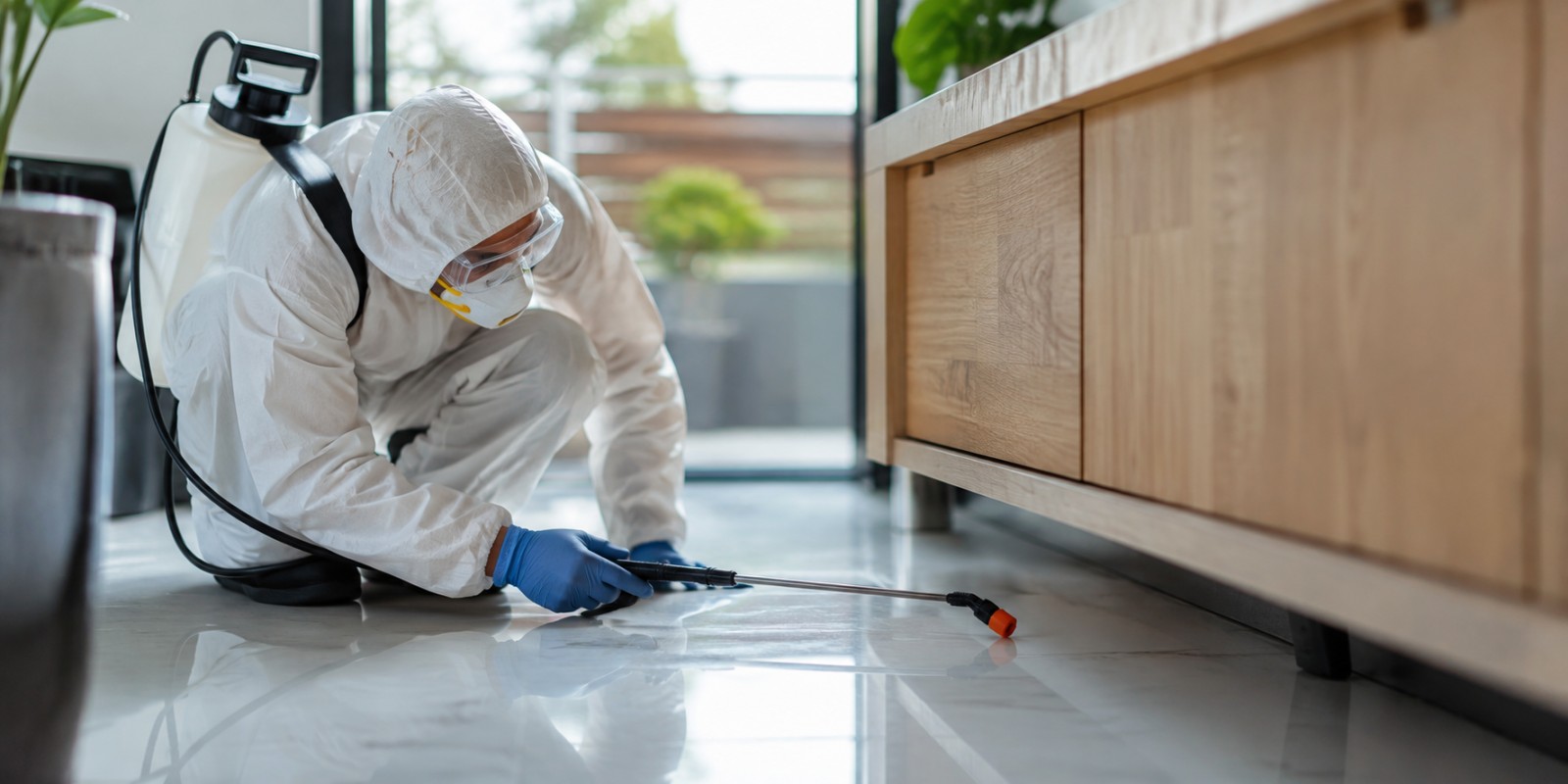
A professional termite inspection is a systematic assessment used to identify termite evidence, determine where activity appears to be occurring and evaluate possible access routes. It provides the information needed before selecting professional termite control.
The inspection may cover accessible internal and external parts of the property.
For suspected subterranean termites, technicians may examine foundations, walls, timber, plumbing penetrations and moisture-prone areas.
Evidence can include live termites, mud tubes, damaged timber, swarmers and discarded wings.
For possible drywood termites, inspection may focus more closely on timber, small openings and termite droppings or frass.
A termite inspection should also distinguish active infestation from historical damage where possible. Old galleries may remain visible even when termites are no longer active.
Professional Termite Treatment Methods
Professional termite treatment options vary according to the termite species, infestation extent and construction of the property. No single method is appropriate for every building.
Termite Baiting
Termite baiting uses strategically positioned stations containing material that termites can consume. The approach relies on termite feeding and social behaviour rather than simply killing the insects visible at the treatment location.
Stations require monitoring to determine whether termites have found the bait and whether activity is changing.
The process may continue over several visits rather than producing immediate results.
Soil Treatment
Soil treatment is commonly associated with subterranean termite management. An appropriate termiticide is applied to selected soil areas to create a treated zone designed to reduce termite access to the building.
For existing properties, application may involve drilling, trenching or injection depending on the construction.
Coverage is important because untreated areas may provide alternative access routes.
Targeted Termite Treatment
Targeted treatment can be applied to confirmed areas of termite activity. Depending on the circumstances, this may include treatment of timber, wall areas or other accessible locations.
Local treatment is most useful when supported by a broader inspection.
Treating only one visible area without checking surrounding locations can leave concealed termite activity unresolved.
DIY vs Professional Termite Control Comparison
The practical differences between DIY and professional approaches relate mainly to inspection depth, treatment coverage and monitoring.
| Factor | DIY Termite Control | Professional Termite Control |
|---|---|---|
| Identification | Based largely on visible evidence | Assessment of termite evidence and behaviour |
| Inspection | Usually limited to accessible household areas | Broader property inspection |
| Treatment selection | Based on available consumer products | Selected according to infestation and property |
| Hidden activity | Difficult to assess | Investigated where accessible |
| Soil treatment | Generally limited | Professional application may be available |
| Monitoring | Usually informal | Structured follow-up where required |
| Prevention | Property maintenance measures | Treatment plus property-specific recommendations |
Professional treatment does not guarantee that termites can never return. New access routes, renovations and environmental changes can affect future termite risk.
The advantage is that treatment can be planned using more complete information about the current infestation.
Comparing the Overall Treatment Requirements
The overall requirements of DIY and professional termite control should be compared according to what each approach actually addresses. A household product may involve a relatively simple intervention, while professional treatment may include inspection, treatment and follow-up.
Comparing only the initial effort can therefore be misleading.
If repeated DIY applications fail to control activity, the property owner may continue treating symptoms without knowing whether the infestation is expanding elsewhere.
Professional assessment can involve a broader scope because the objective is to identify the infestation before deciding which treatment areas require attention.
This does not mean every termite sighting requires the most extensive treatment available. The appropriate scope should be based on inspection findings.
Risks of Delaying Effective Treatment

Delaying appropriate termite treatment can allow active termites to continue feeding on susceptible materials. Because much of the damage occurs internally, visible deterioration may not reflect the full condition of affected timber.
A delay can also allow termites to establish or continue using additional movement routes.
Repeatedly spraying visible termites may create the impression that activity has stopped because the exposed insects disappear. The colony may still remain active elsewhere.
Property owners should pay particular attention to recurring:
- Mud tubes
- Termite swarmers indoors
- Fresh timber damage
- Discarded wings
- Frass associated with drywood termites
New evidence after household treatment indicates that the infestation should be reassessed.
Structural damage requires separate attention. Pest treatment controls termite activity but does not restore the strength of damaged timber.
When DIY Termite Control Is Not Enough
DIY termite control is generally insufficient when the infestation is established, recurring, concealed or associated with structural materials. These situations require more information than surface treatment can provide.
Professional termite inspection should be considered when mud tubes repeatedly reappear or termites are found in multiple areas.
The same applies when substantial wood damage is discovered or swarmers repeatedly emerge indoors.
Professional assessment is particularly relevant when:
- The termite species is uncertain
- Several rooms show evidence
- Termites return after DIY treatment
- Activity appears to originate from soil
- Structural timber may be affected
- The extent of infestation cannot be determined
The purpose of professional treatment is not simply to use stronger products. The more important difference is identifying where and why termite activity is occurring before deciding how to control it.
Preventing Termites After Treatment
Termite prevention remains important regardless of whether DIY or professional treatment has been used. Property conditions can change and create new opportunities for termite access.
Moisture problems should be corrected because persistent dampness can contribute to favourable conditions for subterranean termites.
Timber and other cellulose materials should also be managed carefully around the property.
Where practical, property owners should:
- Repair leaking plumbing
- Avoid unnecessary timber-to-soil contact
- Keep foundations reasonably accessible for inspection
- Monitor previously affected locations
- Consider termite protection when renovating
Previous treatment should not be treated as permanent proof that a property cannot experience another infestation.
Periodic inspection remains useful, particularly where termites have previously been active.
Frequently Asked Questions (FAQs)
Can DIY termite treatment eliminate an infestation?
DIY treatment may kill exposed termites or address limited accessible areas, but it can be difficult to determine whether the colony and concealed activity have been controlled. Established infestations generally require broader inspection.
Is professional termite control more effective than spraying termites myself?
Professional termite control can address a wider infestation because treatment is selected after inspecting termite activity and possible access routes. Spraying visible termites mainly affects the insects directly contacted.
Can I destroy termite mud tubes myself?
Mud tubes can be removed, but destroying them does not necessarily eliminate the termites. Documenting and inspecting the tubes first can provide useful information about active subterranean termite routes.
When should I call a termite exterminator?
Professional assessment should be considered when termites repeatedly return, mud tubes appear, multiple areas are affected or structural timber may be damaged. Uncertain pest identification is another reason to arrange an inspection.
Does professional termite treatment work immediately?
Not every method produces immediate results. Termite baiting, for example, relies on termite feeding and monitoring over time. Treatment duration depends on the method and infestation.
Can termites return after professional treatment?
Yes. Renovations, soil disturbance, new structural gaps or changes in environmental conditions can create new termite access. Follow-up inspection and preventive maintenance remain important.
Should I repair termite-damaged wood before treatment?
Active termite activity should generally be assessed before extensive damaged material is removed because the timber can provide useful evidence about the infestation. Structural repairs can then be planned separately from termite control.
Choosing an Approach That Addresses the Whole Infestation
DIY vs professional termite control should be considered according to the extent and location of termite activity rather than simply the availability of household products. DIY measures can play a useful role in prevention and maintenance, but concealed or recurring infestations are difficult to assess without a systematic inspection.
Professional termite control provides a broader approach by combining identification, inspection, treatment selection and monitoring where required. This is particularly relevant for subterranean termites because visible damage may be connected to a colony or access route outside the affected timber.
The objective should be to determine whether the infestation has actually been addressed rather than judging success only by whether visible termites temporarily disappear.
Determine Whether the Termites Extend Beyond What You Can See
Visible termite activity may represent only one part of a concealed infestation, particularly when mud tubes, repeated swarmers or damaged timber are present. Property owners can book an appointment with ZB I Tech Sdn Bhd for a termite inspection to determine the extent of activity and whether professional termite control is appropriate.