Skip to content
Malaysia’s humid climate can act as an ideal hotspot for pests, especially in homes where reliable access to food, water, and shelter is available. A few common household pests in Malaysia that residents may encounter include cockroaches, ants, mosquitoes, termites, rats, flies, and bed bugs.
These pests are not always caused by poor cleanliness. Pests can enter through drains, doors, windows, utility gaps, shared building spaces, gardens, or items brought into the property.
Effective home pest prevention therefore requires more than routine cleaning. In this article, we will discuss the most effective methods of pest prevention, what pest prevention entails, and when you should call a professional pest exterminator such as us at ZB I Tech SDN BHD.
Most Common Household Pests in Malaysia
Household pests vary in behaviour, preferred habitat and potential impact. Correct identification is important because a prevention or treatment method that works for one pest may have little effect on another.
Cockroaches
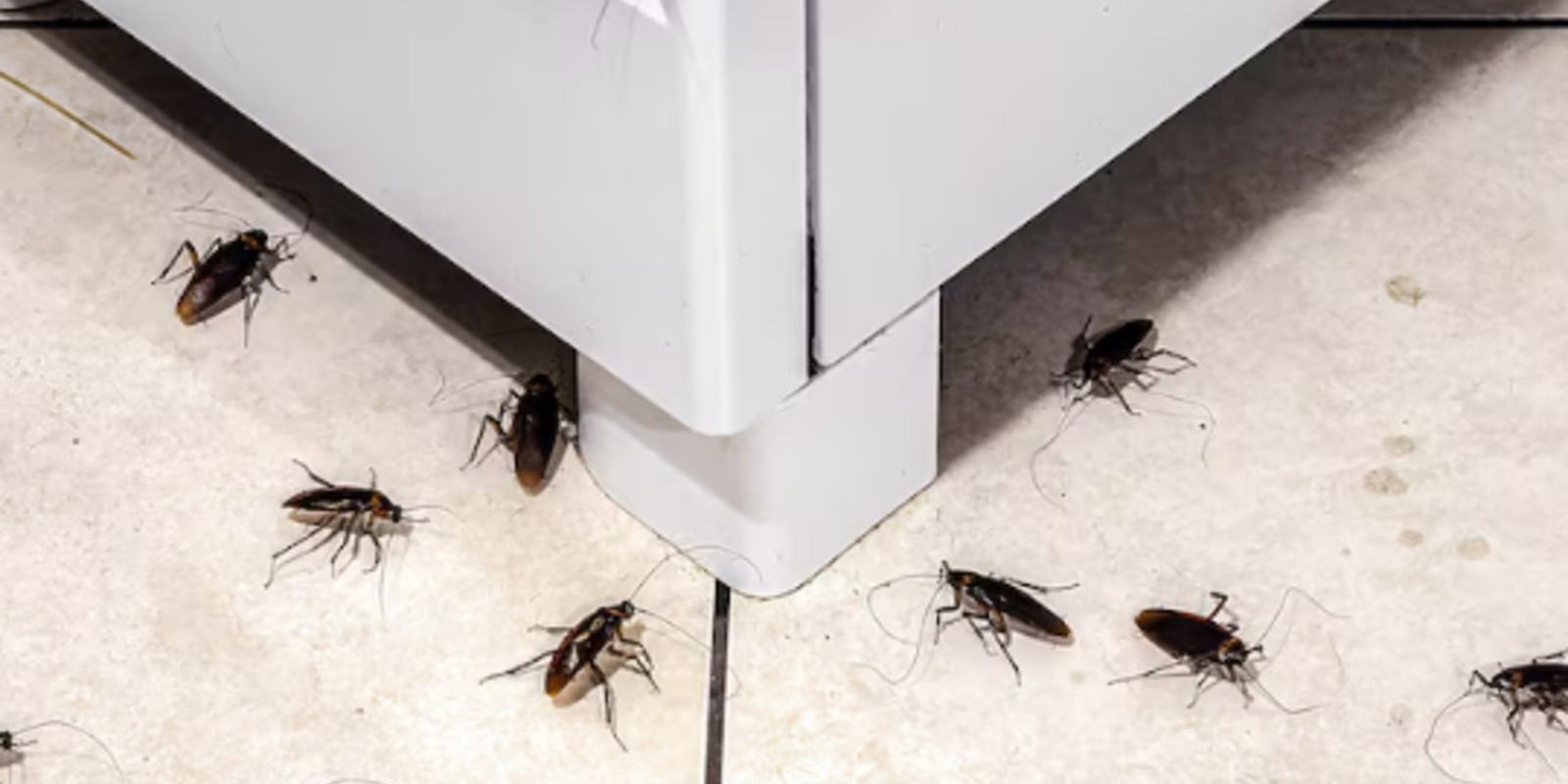
Cockroaches are insects that commonly occupy warm, dark, and moist locations with access to food. Kitchens, bathrooms, drains, cabinets, rubbish areas, and spaces beneath appliances can provide suitable conditions.
They are mainly active at night, which means occupants may not immediately notice a developing infestation. Cockroach droppings, egg cases, and an unusual musty odour can indicate hidden activity.
Seeing several cockroaches during daytime may justify closer inspection because some individuals may have been displaced from crowded harbours. However, the number visible does not reliably show the full size of the infestation.
Prevention depends heavily on sanitation and moisture control. Food residues, grease, leaking pipes and clutter can make a home more suitable for cockroaches.
Ants
Ants are social insects that usually enter homes while searching for food, water, or suitable nesting locations. Individual workers can form visible trails between a food source and their colony.
Kitchens and dining areas are common locations because crumbs, sweet liquids, and other food residues can attract foraging ants. Some species may also nest inside wall voids, electrical areas or other protected spaces.
Killing the ants visible on a surface may provide temporary relief without affecting the colony. Prevention therefore focuses on removing food sources, sealing access where practical and identifying where the ants are travelling.
Ant trails should be observed before they are removed. Their direction can provide useful information about possible entry or nesting locations.
Mosquitoes
Mosquitoes are flying insects that require water for their immature stages. Even relatively small amounts of standing water can provide suitable breeding conditions for some mosquito species.
Potential breeding locations around homes include plant saucers, buckets, blocked gutters, discarded containers, and poorly drained outdoor areas. Water should therefore be removed or managed rather than relying only on methods that target adult mosquitoes.
Screens and properly closed doors can reduce mosquito entry indoors. Residents should also inspect outdoor spaces regularly, particularly after rainfall.
Mosquito prevention has a broader public-health importance because some mosquito species can transmit disease. Eliminating breeding opportunities is therefore an important part of household pest prevention.
Termites
Termites feed on cellulose-containing materials and can damage timber and other components of a property. Subterranean termites usually live in colonies associated with soil and may enter buildings through concealed routes.
Visible warning signs can include mud tubes, hollow timber, discarded wings, and weakened wooden fixtures. However, termite activity may remain hidden inside walls, flooring, or timber for an extended period.
Termite prevention differs from ordinary insect prevention because the main colony may not be visible inside the home. Removing individual termites or spraying one affected area does not necessarily control the wider infestation.
Properties with suspected termite activity should be inspected before damaged materials are removed or covered.
Rats and Mice

Rats and mice enter homes in search of food, water, and shelter. They may travel through drains, roof spaces, wall openings, utility penetrations, and gaps around doors.
Rodents are often detected through indirect evidence rather than sightings. Droppings, gnaw marks, scratching sounds, damaged food packaging, and nesting material can indicate activity.
Removing an individual rodent does not prevent another from entering through the same opening. Effective prevention combines food management, structural proofing and monitoring.
Stored food and pet food should be kept inaccessible where possible. Rubbish should also be managed so that rodents do not have a dependable feeding source around the property.
Flies
Flies are attracted to food residues, rubbish, organic waste, and other suitable breeding materials. Kitchens, rubbish areas, drains, and outdoor waste containers can therefore become recurring sources.
Controlling adult flies alone may provide only temporary improvement. The breeding or feeding source must also be identified and removed.
Waste containers should be kept closed and cleaned when residues accumulate. Food should also remain covered where practical.
Screens and suitable door management can reduce flies entering from outside, particularly in homes close to food businesses, markets or waste collection areas.
Bed Bugs
Bed bugs are small insects that feed on blood and usually remain close to sleeping or resting locations. They can hide in mattress seams, bed frames, upholstered furniture, cracks and other narrow spaces.
Bed bugs are commonly transported between locations in luggage, furniture, clothing and personal belongings. Their presence is therefore not a reliable indication of poor household hygiene.
Possible evidence includes live insects, shed skins, eggs and dark spotting near harbourage. Skin reactions alone cannot confirm an infestation because bites can have many other causes.
Early identification can help limit spread to other rooms. Moving potentially infested furniture or belongings without inspection can unintentionally distribute bed bugs throughout the home.
Why Malaysian Homes Attract Pests
Homes attract pests when they provide the resources needed for survival. Climate can influence pest activity, but conditions inside and around the property often determine whether pests remain and reproduce.
Three basic resources are particularly important: food, water and shelter.
Food does not have to be left openly on a table. Small crumbs, grease beneath appliances, pet food, rubbish and residues inside cabinets can provide sufficient nutrition for some pests.
Water may come from leaking pipes, condensation, drains or outdoor containers. Moisture can make kitchens, bathrooms and utility areas particularly attractive to cockroaches and ants.
Shelter includes any protected area where pests can remain relatively undisturbed. Wall voids, ceiling spaces, cardboard boxes, cluttered storage and dense vegetation can all provide hardship.
Reducing these resources makes a property less favourable even when pests remain present in the surrounding environment.
Signs of Infestation
Pest infestation signs include both direct sightings and physical evidence left behind by pests. Recognising these signs early can help prevent a minor problem from becoming more difficult to manage.
Common signs include:
- Droppings or unusual insect waste.
- Gnaw marks or damaged food packaging.
- Mud tubes or damaged timber.
- Egg cases, shed skins or discarded wings.
- Repeated pest sightings in the same area.
- Scratching or movement sounds inside ceilings or walls.
The type and location of evidence can help identify the pest.
For example, rodent droppings around stored food suggest a different problem from small insect droppings inside kitchen cabinets. Mud tubes on walls or foundations may indicate subterranean termite activity rather than ordinary household insects.
Old evidence should also be distinguished from new activity. Cleaning and documenting affected areas can make it easier to identify whether fresh signs continue to appear.
Health and Property Risks
Household pests can affect health, food hygiene, and property depending on the species and infestation level. The seriousness of the risk should be assessed from evidence rather than assuming every pest sighting represents the same level of concern.
Cockroaches and rodents can contaminate food and surfaces as they move through waste, drains and other unsanitary areas. Flies can similarly transfer contaminants between waste and food-contact surfaces.
Mosquitoes present a different concern because certain species can transmit disease through bites.
Termites primarily create a property risk rather than contaminating food. Continued feeding can weaken timber and cellulose-based building components.
Rodents may also gnaw electrical wiring, insulation, packaging and other materials. Electrical damage should be inspected by a qualified professional because pest treatment itself does not repair damaged wiring.
Bed bugs generally create discomfort and disruption through repeated bites and infestation of sleeping areas. Their ability to hide in narrow spaces can also make established infestations difficult to control without systematic treatment.
Practical Home Pest Prevention
Home pest prevention works by reducing access to the resources pests require. Consistent everyday measures are generally more useful than waiting for an infestation before changing household conditions.
A practical prevention programme should focus on four areas:
- Keeping food and waste inaccessible.
- Reducing unnecessary moisture.
- Closing potential entry points.
- Removing pest harbourage.
These measures do not guarantee that pests will never enter a home. They reduce the likelihood that pests can remain, reproduce and establish a larger population.
Cleaning, Food Storage and Waste Management
Cleaning helps prevent pests by removing food residues and identifying hidden activity. The most important areas are often locations that are not cleaned during normal daily routines.
Crumbs and grease can accumulate underneath refrigerators, cookers, cabinets and other appliances. These areas can provide food for cockroaches, ants and rodents without being immediately visible.
Dry foods should be stored in suitable closed containers where pest activity is a concern. Open packets can provide access for insects and rodents.
Pet food should also be managed carefully. Leaving food available overnight can create a reliable feeding source for ants, cockroaches, and rodents.
Household rubbish should be placed in bins with suitable lids and removed regularly. The area around the bin should also be cleaned because residues on the floor or outside of the container can continue attracting pests.
Sealing Entry Points and Reducing Moisture
Sealing entry points reduces the number of routes pests can use to enter a home. Different pests require different levels of proofing because insects can use much smaller openings than rodents.
Potential access points include gaps around doors, windows, pipes, cables, and air-conditioning lines. Damaged screens, vents, and drain covers should also be inspected.
Rodent openings require suitable durable materials because rats may gnaw through weak fillers. Structural repairs should therefore match the type and size of the opening.
Moisture control is equally important.
Leaking taps, pipes, and air-conditioning drainage should be repaired. Water should not remain unnecessarily in plant containers, buckets, or other outdoor objects.
Bathrooms and kitchens should be ventilated where practical to reduce persistent dampness.
For termite prevention, moisture around timber and building foundations also deserves attention because damp conditions can increase the suitability of some areas for termite activity.
Managing Gardens and Outdoor Areas

Outdoor conditions can influence pest activity inside a home. Vegetation, standing water, rubbish, and stored materials near the building can provide shelter before pests find a route indoors.
Tree branches and dense plants touching the structure can provide pathways for insects and rodents. Vegetation should therefore be maintained so exterior walls remain reasonably inspectable.
Containers capable of holding rainwater should be emptied, covered, or stored appropriately. Gutters should also remain clear enough to drain effectively.
Timber, cardboard, and unused materials should not remain piled directly against exterior walls. These materials can conceal pest activity and make routine inspection difficult.
Outdoor prevention is particularly important because indoor treatment alone cannot control pest pressure originating immediately around the property.
Preventing Pests in Apartments and Condominiums
Apartment pest prevention can be more complicated because individual units share walls, drains, ceilings, and service spaces. Pest activity in one unit may therefore be influenced by conditions elsewhere in the building.
Cockroaches may travel through pipe openings and shared service areas. Rodents can move through ceilings or utility spaces, while ants may establish colonies outside the affected unit.
Residents should still maintain sanitation and seal accessible gaps within their own property. However, recurring activity may need to be reported to building management if evidence suggests a shared source.
Treating one apartment repeatedly without investigating common areas may not resolve a building-wide pest problem.
When Household Treatment May Be Enough
Minor pest activity can sometimes be managed through sanitation, exclusion, and correctly used household pest-control products. The appropriate response depends on the pest and evidence present.
A few ants entering through an obvious gap may be manageable by removing the food source and sealing the access point. An isolated fly problem may disappear once the breeding material is removed.
Household products should always be used according to their labels. Applying more product than instructed does not necessarily improve control and can increase unnecessary exposure.
Some pests are more difficult to address through household treatment alone. Termites, bedbugs, and recurring rodent activity frequently involve concealed harbours or access that requires a more detailed inspection.
When to Call a Professional
Professional household pest control should be considered when activity is recurring, widespread, concealed, or potentially damaging. A professional inspection can help identify the pest and determine why previous prevention measures have not resolved the problem.
Professional assessment may be appropriate when:
- Pests repeatedly return after household treatment.
- Termite mud tubes or damaged timber are discovered.
- Rodent droppings or gnaw marks continue appearing.
- Bed bug evidence is found in multiple locations.
- Cockroaches are regularly visible despite sanitation.
- The source of the infestation cannot be identified.
The objective of professional treatment should be to address both the active infestation and contributing conditions.
Our technicians at ZB I Tech SDN BHD may recommend sanitation changes, structural repairs, or moisture management alongside treatment. These recommendations are important because pesticide application alone cannot correct an environment that continuously supports pests.
Frequently Asked Questions (FAQs)
What are the most common household pests in Malaysia?
Common household pests include cockroaches, ants, mosquitoes, termites, rats, flies, and bedbugs. The pests affecting a particular home depend on building conditions, the surrounding environment, and access to food, water, and shelter.
Does having pests mean my house is dirty?
No. Clean homes can still experience pest activity because insects and rodents may enter through structural gaps, drains, shared building spaces, or items brought indoors. Good sanitation reduces pest resources but does not eliminate every possible entry route.
What attracts cockroaches into a house?
Cockroaches are attracted by accessible food, moisture, and protected harbourage. Grease, crumbs, leaking pipes, drains, rubbish, and narrow spaces around appliances can create favourable conditions.
How can I prevent rats from entering my home?
Reduce food access, manage rubbish and inspect the building for potential entry points around doors, roofs, drains and utility lines. Suitable rodent-resistant materials should be used when sealing confirmed openings.
Can cleaning alone remove a pest infestation?
Cleaning can significantly reduce food and harbourage but may not eliminate an established infestation. Hidden nests, colonies or external entry routes may continue producing pest activity even after sanitation improves.
Why do pests keep returning after I spray them?
Sprays may kill pests that are directly exposed without reaching eggs, nests, colonies or concealed harbours. Continued food, moisture and entry points can also allow surviving or new pests to re-establish.
When should I arrange professional pest control?
Professional inspection is appropriate when pests repeatedly return, significant property damage appears or the infestation cannot be located. Termites, established rodent problems and bed bugs commonly require a more systematic approach.
Building a More Pest-Resistant Home
Common household pests can enter Malaysian homes through ordinary structural openings and survive wherever suitable food, water and shelter remain available. Prevention therefore works best when sanitation, moisture management, proofing and regular inspection are used together.
Different pests also require different responses. Recognising the evidence before applying treatment helps avoid repeatedly targeting visible pests while leaving the actual source untouched.
Consistent home maintenance cannot guarantee a completely pest-free environment, but it can reduce the conditions that allow an infestation to become established.
Arrange a Household Pest Assessment
Repeated pest sightings, droppings, damaged materials or other unexplained signs may indicate activity that requires closer inspection. Homeowners can book an appointment with ZB I Tech Sdn Bhd to arrange an assessment and determine which household pest control measures are appropriate.