Skip to content
Integrated pest management in Malaysia is a structured approach to pest control that combines inspection, prevention, monitoring, and targeted treatment rather than relying solely on routine pesticide application.
The objective is to manage pest activity while addressing the environmental and structural conditions that allow infestations to develop or return.
Integrated pest management, commonly called IPM, can be applied to homes, offices, food premises, warehouses, and other properties. The exact IPM methods used depend on the pest species, infestation level, property conditions, and potential risks to occupants.
Instead of treating every pest problem in the same way, IPM uses evidence to determine which actions are necessary. This can support more preventive pest management while reducing unnecessary treatment in areas where no active pest problem has been identified.
What Is Integrated Pest Management?
Integrated pest management is a pest-control strategy that uses several compatible methods to prevent, monitor, and manage pest populations. Treatment decisions are based on inspection and evidence rather than automatically applying pesticides throughout a property.
An IPM pest control programme first identifies the pest and determines why it is present. Factors such as food, water, shelter, building access, and sanitation are then assessed.
Control measures may include physical, environmental, and chemical approaches.
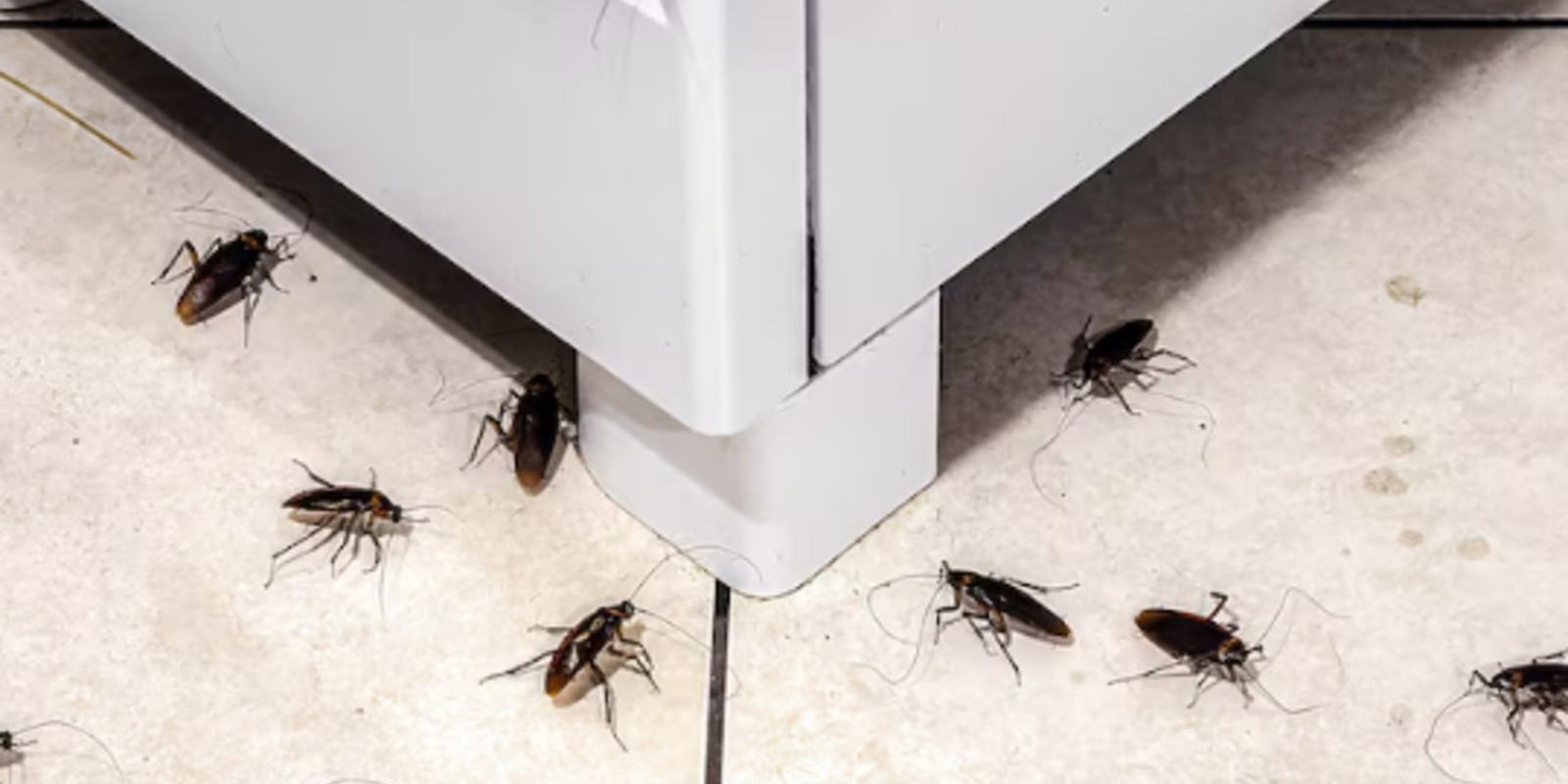
For example, a recurring rat problem may require trapping or baiting, but treatment may remain incomplete if gaps around doors continue allowing new rats to enter. Similarly, cockroach control may require targeted treatment alongside improved sanitation and removal of harbourage.
IPM therefore considers both the pest and the environment supporting it.
Core Principles of IPM
The core principles of IPM are identification, prevention, monitoring and targeted intervention. These elements work together to provide a systematic approach to pest management.
A typical IPM programme follows several connected stages:
- Identify the pest correctly.
- Determine where and why activity is occurring.
- Reduce conditions that support the infestation.
- Monitor pest activity over time.
- Apply appropriate control methods where necessary.
- Review results and adjust the strategy.
These steps are not necessarily completed once and forgotten.
Pest conditions can change because of weather, renovations, new deliveries, waste practices or changes in building use. Monitoring allows the programme to respond to these changes.
The principle is therefore not simply to eliminate visible pests but to make the property less capable of supporting repeated infestations.
Inspection and Pest Identification

Inspection and pest identification form the foundation of integrated pest management because different pests require different control strategies. Treatment based on incorrect identification can waste effort while leaving the actual problem unresolved.
A professional inspection looks for the pest itself as well as evidence of its activity.
For termites, this could include mud tubes, damaged timber, or swarmers. Rat inspection may focus on droppings, gnaw marks, tracks, and entry points.
Cockroach activity may require examination of food areas, drains, cracks, and sheltered locations.
Inspection also considers environmental conditions. Food residues, moisture, waste, clutter and structural openings can explain why pests continue returning.
Correct identification is especially important because similar evidence can sometimes have different causes.
Damaged wood, for example, does not automatically confirm termites. Understanding the actual pest allows subsequent IPM methods to be selected more accurately.
Prevention and Exclusion
Prevention and exclusion aim to stop pests from entering or establishing themselves in a property. These measures are central to preventive pest management because they address causes rather than waiting for an infestation to become established.
Exclusion focuses primarily on physical access.
Depending on the pest and property, this can involve repairing gaps, improving door seals, screening openings, or addressing service penetrations.
Prevention also includes reducing resources pests need to survive.
Common measures include:
- Keeping food appropriately stored.
- Managing waste consistently.
- Repairing water leaks.
- Reducing unnecessary clutter.
- Maintaining drains and building structures.
- Removing accessible pest harbourage.
The appropriate measures vary according to the pest.
Rat proofing, for example, focuses heavily on structural access, while termite prevention may require attention to soil contact, moisture, and susceptible building materials.
Prevention does not guarantee that pests will never enter. It reduces the conditions that make infestation more likely and supports other control measures.
Monitoring and Targeted Treatment
Monitoring determines whether pests are present, where activity is concentrated and whether control measures are working. Targeted treatment then focuses intervention on confirmed or higher-risk areas rather than treating every location in the same way.
Monitoring can involve visual inspection, traps, bait stations or other appropriate devices depending on the pest.
The information collected can show whether activity is increasing, decreasing or moving to another part of the property.
Treatment is selected according to those findings.
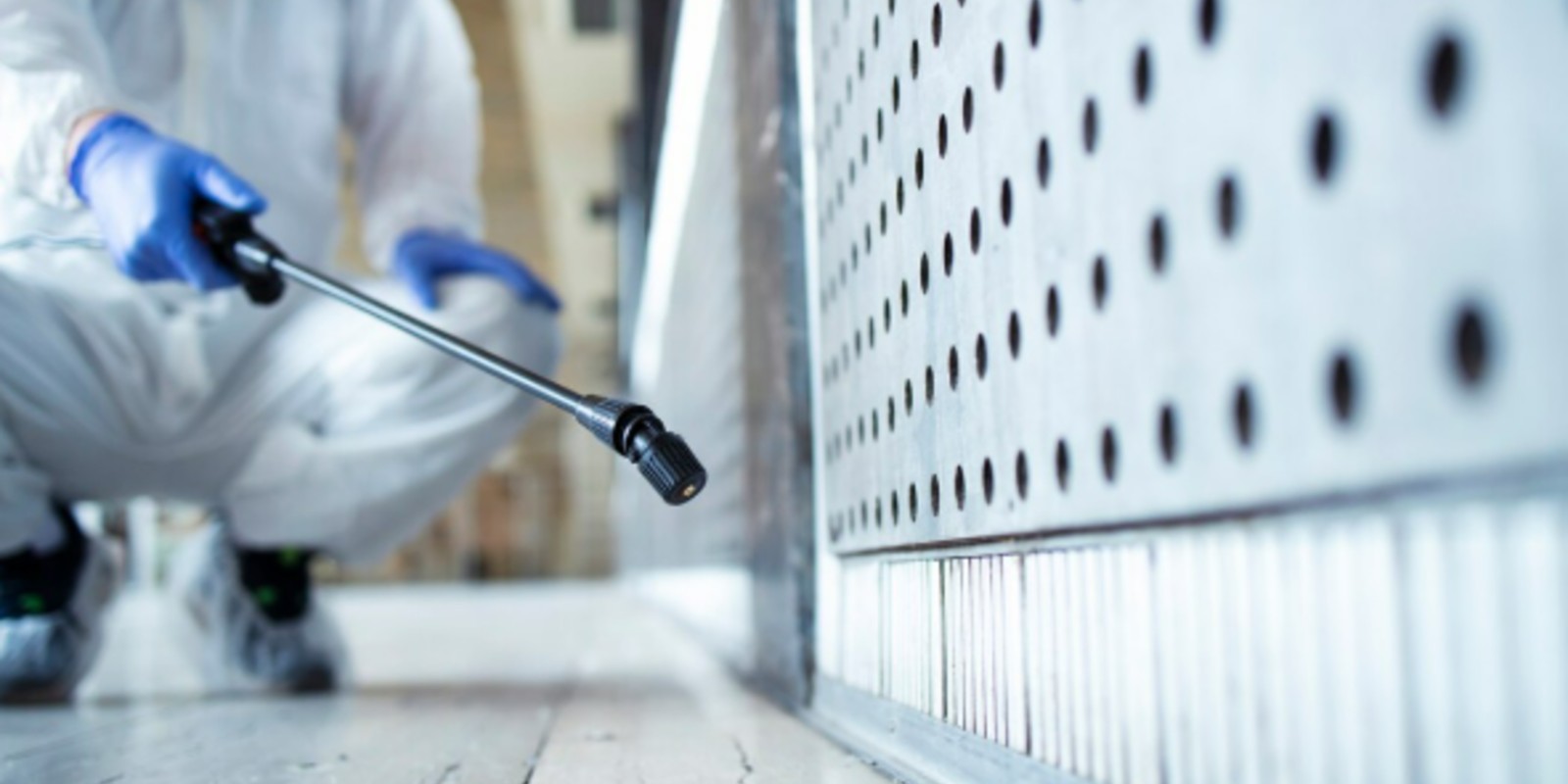
Depending on the infestation, targeted treatment can include trapping, baiting, physical removal or appropriate pesticide application.
The important principle is that treatment should have a defined purpose.
If monitoring shows no activity in one area but persistent activity elsewhere, resources can be concentrated where they are needed.
Follow-up is also important. A treatment that appears successful immediately may require further monitoring to confirm that the pest population has actually been controlled.
How IPM Differs From Conventional Pest Treatment
IPM differs from a treatment-only approach because it combines direct control with prevention and monitoring. Pest elimination remains important, but it is not treated as the only objective.
The distinction can be summarised clearly:
| Approach | Treatment-Only Pest Control | Integrated Pest Management |
|---|---|---|
| Primary focus | Existing pests | Existing pests and contributing conditions |
| Inspection | May focus on active infestation | Used to guide the overall strategy |
| Prevention | May be secondary | Core component |
| Monitoring | Depends on service | Used to measure continuing activity |
| Treatment | Direct pest control | Targeted according to evidence |
| Property conditions | May receive limited attention | Considered part of pest management |
IPM does not mean avoiding pesticides completely.
Chemical treatment can still be appropriate when evidence indicates it is necessary. The difference is that pesticide use becomes one available control method rather than the entire pest management strategy.
Benefits of IPM
The main benefit of integrated pest management is that it addresses both current pest activity and the conditions contributing to infestation. This can make pest control more systematic and preventive.
Because treatment decisions are based on inspection, unnecessary intervention can also be reduced.
This is relevant to eco-friendly pest control because IPM aims to use the most appropriate combination of methods rather than depending automatically on widespread chemical application.
Another benefit is improved understanding of recurring infestations.
If rats repeatedly return, for example, monitoring may identify an unresolved entry point. If cockroach activity continues in one section of a commercial kitchen, inspection may reveal sanitation or drainage conditions requiring attention.
IPM also creates a clearer process for evaluating results. Monitoring provides evidence of whether activity is declining instead of assuming treatment has succeeded because fewer pests are temporarily visible.
IPM for Homes and Businesses
Integrated pest management can be adapted to both residential and commercial properties because its principles remain the same while the implementation changes according to the environment.
In homes, IPM may focus on kitchens, bathrooms, storerooms, ceilings, gardens, and structural access points.
Householders can support the programme through food storage, waste management, moisture control and prompt reporting of new pest evidence.
Businesses may require a more structured system.
Restaurants, warehouses, offices and retail premises can have multiple risk areas created by deliveries, food handling, storage and waste operations.
Commercial IPM may therefore involve scheduled inspections, monitoring points, and documented corrective actions.
Staff participation can also be important. Employees who know how to report droppings, pest sightings, damaged stock, or structural problems can help identify activity between professional inspections.
The IPM approach should ultimately reflect how the property is actually used.
IPM as Preventive Pest Management
Preventive pest management aims to reduce the likelihood that pests will become established rather than relying entirely on treatment after an infestation develops. IPM provides a framework for putting this principle into practice.
Regular inspection can identify building conditions that increase pest risk before large numbers of pests are visible.
Monitoring can also reveal early activity in areas where occupants rarely notice pests.
Corrective action can then focus on the cause.
A leaking pipe can be repaired, a structural opening can be proofed, or waste practices can be changed before these conditions support a persistent infestation.
This does not eliminate the need for treatment when pests are already present.
Instead, prevention and direct control operate together. Existing pests are managed while the conditions supporting them are reduced.
Why Professional Guidance Matters

Professional guidance can help ensure that IPM decisions are based on correct pest identification, appropriate monitoring and suitable treatment methods. Property owners can perform many preventive actions themselves, but established or recurring infestations may require specialist assessment.
A pest professional can identify evidence that may be difficult to interpret without experience.
The inspection can also determine whether activity extends beyond the visible location.
Professional guidance is particularly useful when:
- The pest cannot be identified confidently.
- Infestations repeatedly return.
- Several parts of a property are affected.
- Treatment involves pesticides or specialised equipment.
- Commercial or food-handling environments are involved.
- Structural pest activity such as termites is suspected.
IPM works best when pest professionals and property occupants share responsibility.
A technician can treat and monitor pests, but building owners and businesses still need to address sanitation, maintenance and structural conditions identified during inspection.
Frequently Asked Questions (FAQs)
What does integrated pest management mean?
Integrated pest management is an approach that combines pest identification, prevention, monitoring, and targeted treatment. The aim is to control existing pests while reducing conditions that allow infestations to develop or return.
Does IPM use pesticides?
Yes, pesticides can form part of IPM when they are appropriate for the identified pest and situation. However, IPM also uses sanitation, exclusion, monitoring, and physical control rather than relying only on chemical treatment.
Is IPM the same as eco-friendly pest control?
They are related but not identical concepts. IPM can support a more environmentally considered approach by prioritising prevention and targeted intervention, but the specific environmental impact depends on the methods and products used.
Can integrated pest management be used at home?
Yes. Homes can use IPM principles through pest identification, food and waste management, moisture control, structural proofing, monitoring, and appropriate treatment when necessary.
Is IPM suitable for businesses?
Yes. IPM can be particularly useful for businesses because pest risks can be monitored systematically across storage, food, waste, delivery and operational areas.
Does IPM prevent all future pest infestations?
No pest-management strategy can guarantee that pests will never enter a property. IPM aims to reduce infestation risks and identify new activity early so appropriate action can be taken.
Why is monitoring important in IPM?
Monitoring provides evidence about where pests are active and whether treatment is working. It allows control measures to be adjusted according to actual pest activity rather than assumptions.
Building Pest Control Around Prevention, Not Just Treatment
Integrated pest management in Malaysia provides a structured way to manage pests by combining inspection, identification, prevention, monitoring and targeted treatment. The approach recognises that an infestation is often connected to environmental or structural conditions within the property.
IPM pest control does not remove direct treatment from pest management. Instead, treatment becomes one part of a wider strategy that also addresses food, water, harbourage and pest access.
For homes and businesses, this approach can make recurring pest problems easier to understand and manage. Continued monitoring is particularly important because it provides evidence of whether the control strategy remains effective as property conditions change.
Develop a Pest Management Strategy Around Your Property
Different properties can have different pest pressures, entry routes and environmental conditions, which means an IPM programme should be based on inspection rather than a standard treatment plan. Property owners and businesses can book an appointment with ZB I Tech Sdn Bhd to assess current pest activity and determine which preventive, monitoring and targeted control measures may be appropriate.