Skip to content
Do you wonder how often pest control in Malaysia is needed for properties? There is no fixed time, and it entirely depends on the type of pest, property conditions, previous infestation history, and level of ongoing pest exposure. There is no single pest treatment schedule that is appropriate for every home or business.
Some properties may only require treatment when an active problem is identified, while higher-risk premises can benefit from regular pest control inspections and monitoring. Commercial properties handling food, storing goods or receiving frequent deliveries generally require closer monitoring than a low-risk residential property.
Malaysia's warm and humid environment can support pest activity throughout the year. For this reason, preventive pest control in Malaysia programmes should be based on actual risk and inspection findings rather than waiting for a serious infestation to become visible.
Recommended Pest Control Frequency
Pest control frequency should be determined by risk rather than automatically treating every property at the same interval. A professional inspection can establish whether treatment is currently required and how often the premises should subsequently be monitored.
For general planning, properties can be considered according to their level of pest risk.
| Property Situation | General Pest Management Approach |
|---|---|
| Low-risk home with no active infestation | Periodic inspection and preventive maintenance |
| Home with previous pest problems | More regular monitoring based on the pest involved |
| Active infestation | Treatment followed by inspection until activity is controlled |
| Office or low-risk commercial property | Scheduled monitoring based on site conditions |
| Food or hospitality premises | More frequent inspection and monitoring |
| Property with recurring infestation | Ongoing programme until the underlying cause is corrected |
These are management approaches rather than fixed treatment intervals. Applying pesticides routinely without evidence of need is not necessarily the most effective preventive strategy.
Inspection, sanitation, exclusion, and monitoring can sometimes be more important than repeated chemical treatment.
Factors Affecting Treatment Frequency
The appropriate pest treatment schedule depends on several conditions that influence how easily pests can enter, survive, and reproduce. Two properties in the same area can require very different levels of pest control maintenance.
Type of Pest

Different pests have different life cycles, nesting behaviours, and treatment requirements. This directly affects how frequently monitoring or follow-up may be needed.
A minor ant problem may be resolved once the colony and food source are addressed. Termites, bed bugs and established rodent infestations may require multiple inspections because much of their activity can remain concealed.
Mosquito management is different again because breeding opportunities can change quickly after rainfall or when standing water develops.
The pest should therefore be identified before deciding how often treatment is required.
Previous Infestation History
Properties with previous pest problems may have environmental or structural conditions that increase the likelihood of recurrence. These can include drains, building gaps, neighbouring pest pressure or difficult-to-access harbours.
A property that previously experienced termites, for example, may benefit from continued termite inspections even when no current activity is visible.
Similarly, a restaurant with recurring rodent activity around its waste area may require closer monitoring than a business with no history of infestation.
Previous activity does not guarantee that pests will return. It does indicate where monitoring should be concentrated.
Property Condition
Building conditions affect how easily pests can enter and hide. Damaged doors, utility gaps, roof openings, cracked drainage systems and poorly sealed service penetrations can create access routes.
Older buildings are not automatically more pest-prone, but they may contain more concealed gaps or maintenance issues.
Renovations can also change pest conditions. New pipe penetrations, altered drainage, temporary waste and disturbed soil can create new access or harbourage.
Pest control frequency should therefore be reviewed when significant changes are made to the property.
Food and Water Availability
Properties containing dependable food and water sources generally require closer pest monitoring. Restaurants, food storage areas and homes with unmanaged waste can provide favourable conditions for cockroaches, rodents and flies.
Moisture is equally important.
Leaking pipes, blocked drains and standing water can support cockroaches, ants and mosquitoes. Damp soil and moisture around structures may also contribute to termite risk.
Correcting these conditions can reduce the need for repeated treatment.
Surrounding Environment
Pest pressure can originate outside the property. Nearby food businesses, construction sites, drains, vegetation, vacant land and waste areas may influence how often pests attempt to enter.
Apartments and commercial units can also be affected by neighbouring occupants because pests may move through shared ceilings, walls, drains and service spaces.
A property owner cannot always eliminate external pest sources. In these situations, exclusion and monitoring become particularly important.
Seasonal Pest Activity in Malaysia
Pest activity in Malaysia can occur throughout the year because the tropical climate generally provides suitable temperatures for many pest species. However, rainfall, moisture, and environmental changes can influence when certain pests become more noticeable.
Mosquito breeding opportunities may increase when rainfall leaves standing water in containers, drains and outdoor areas. Ants and other insects may also change their movement when nesting locations become wet or disturbed.
Rodent activity can shift when construction, flooding, waste management changes or vegetation disturbance affects established harbours.
Termites remain a potential concern throughout the year because subterranean colonies can continue operating below ground and within concealed structures.
Seasonal changes should therefore be treated as one factor in pest management rather than the basis for a rigid calendar. Property conditions and evidence of activity remain more useful indicators.
Residential Treatment Schedules
Residential pest control should reflect the home's actual pest risk rather than assuming every household requires treatment every month. Homes without active infestations may primarily need prevention and periodic inspection.
Routine household pest prevention should continue regardless of whether professional treatment is scheduled.
This includes proper food storage, waste management, moisture control and inspection of possible entry points.
Homes Without Current Pest Activity
A home with no visible pest evidence may not require repeated pesticide treatment. Preventive maintenance and inspection can be sufficient until signs of activity appear.
Residents should regularly check kitchens, bathrooms, storage spaces and outdoor areas for pest evidence.
Changes such as unexplained droppings, mud tubes, damaged food packaging or repeated insect sightings should trigger closer investigation.
Homes With Previous Infestations
A home with a history of infestation may require more frequent inspection because some underlying risks can remain after treatment.
The monitoring schedule should reflect the pest previously found.
Termite monitoring, for example, focuses on timber, soil access and previous treatment areas. Rodent monitoring focuses more on entry points, droppings, food sources and possible nesting locations.
Repeated preventive spraying without checking these conditions may provide less value than targeted inspection.
Homes With Active Infestations
An active infestation usually requires a treatment programme rather than a predetermined maintenance schedule.
Initial treatment should be followed by reassessment to determine whether activity is declining.
Further treatment may be required when eggs, concealed colonies, inaccessible nests or external pest pressure remain. The appropriate follow-up interval depends on the treatment method and pest biology.
Treatment should continue until monitoring indicates that the problem has been controlled.
Commercial Treatment Schedules
Commercial pest control often requires more structured monitoring because businesses can experience changing pest risks throughout daily operations. Deliveries, waste, customer traffic and food handling can continuously alter conditions.
The appropriate schedule depends on the type of business.
An office without food preparation may require less intensive monitoring than a restaurant, food-processing facility or warehouse storing pest-sensitive products.
Commercial programmes should consider several operational areas:
- Delivery and receiving points.
- Food preparation or pantry areas.
- Waste storage and disposal locations.
- Storerooms and warehouses.
- Drains and utility spaces.
- External boundaries and loading areas.
Monitoring findings should determine whether treatment needs to be increased, reduced or redirected.
A fixed monthly visit can be useful for some businesses, but the visit should involve inspection and assessment rather than automatic treatment regardless of evidence.
Pest-Specific Monitoring Needs
Different pests require different monitoring strategies because their behaviour and evidence vary considerably. Understanding these differences prevents unnecessary treatment while helping detect recurring activity.
Cockroaches
Cockroach monitoring focuses on kitchens, drains, food storage areas, cabinets and warm equipment spaces. Sticky monitors or bait activity can help identify whether populations remain active.
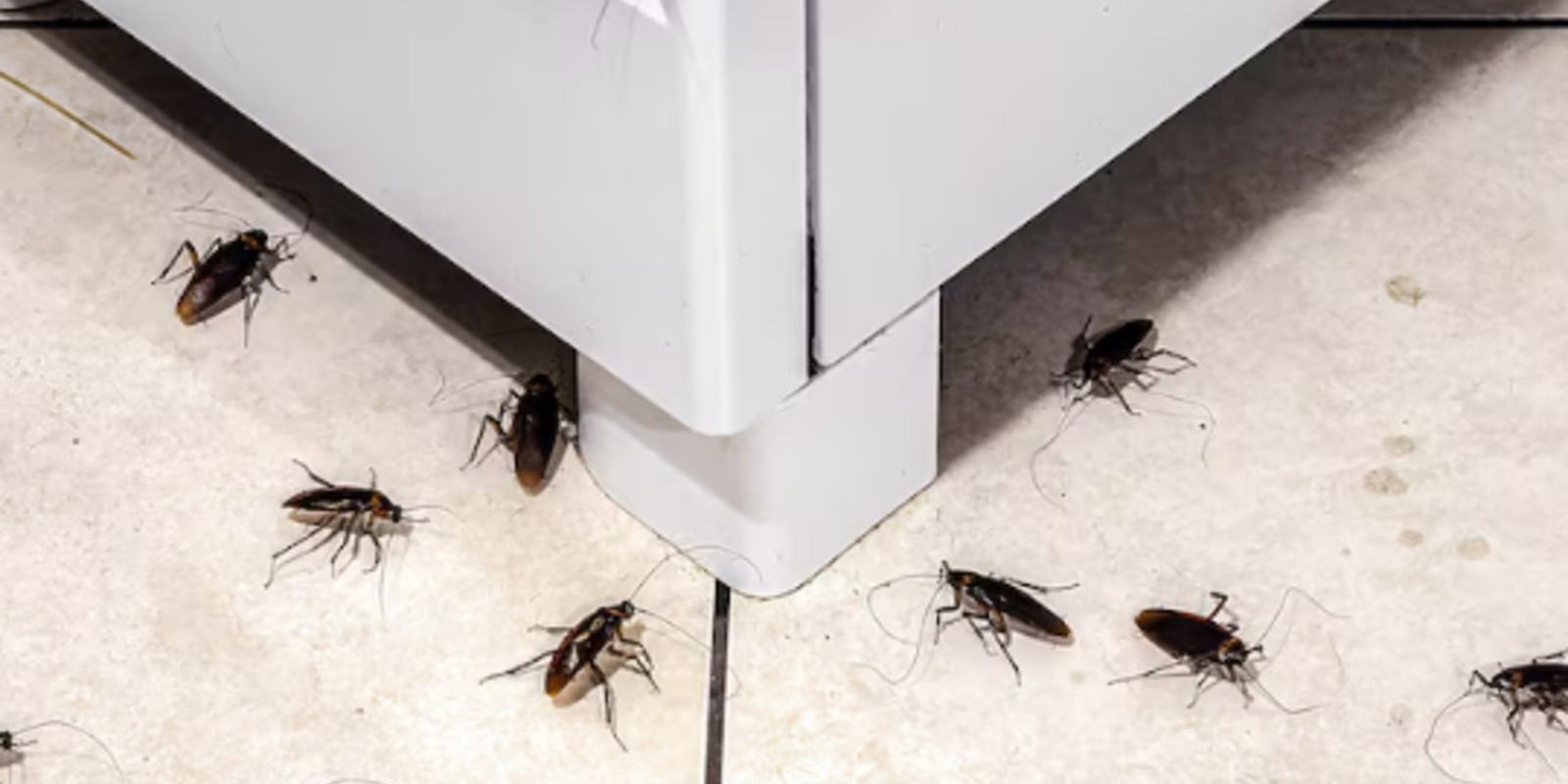
Repeated sightings after treatment may indicate hidden harbourage, egg development or continuing access to food and moisture.
Rats and Mice
Rodent monitoring focuses on droppings, gnaw marks, tracks, grease marks and activity at traps or secured stations.
Follow-up should also determine whether entry points have been sealed. Removing rodents without proofing the property can allow new animals to replace them.
Termites
Termite management may involve periodic inspection even after active treatment has been completed. The appropriate frequency depends on the treatment method, property construction and previous activity.
Property owners should also watch for mud tubes, damaged timber and discarded termite wings.
Mosquitoes

Mosquito monitoring requires regular inspection for standing water because breeding sites can develop quickly.
Outdoor areas should be checked after rainfall and whenever drainage conditions change. Adult mosquito treatment alone does not replace breeding-source management.
Signs You Need Earlier Treatment
Pest control should be reviewed before the next scheduled visit when fresh evidence indicates active infestation. Waiting for a routine appointment can allow the pest population or damage to increase.
Signs that justify earlier inspection include:
- Repeated sightings of the same pest.
- Fresh droppings or rodent gnaw marks.
- Termite mud tubes or weakened timber.
- Cockroaches appear regularly during the daytime.
- New nests, egg cases or shed skins.
- Unexplained scratching or movement sounds.
A sudden increase in pest activity may also indicate that environmental conditions have changed.
Construction nearby, damaged drains, waste accumulation or a new structural opening can create a pest problem even when the previous treatment programme had been effective.
The appropriate response is to investigate what changed rather than simply increasing pesticide use.
Maintaining Protection Between Visits
Pest control maintenance between professional visits is important because treatment cannot permanently compensate for food, moisture, or structural access. Property owners and occupants influence pest conditions every day.
Maintain Good Sanitation
Food residues and rubbish should be removed consistently. Kitchens and food preparation areas should include less visible locations beneath appliances and shelving in routine cleaning.
Commercial premises should assign responsibility for cleaning and waste handling so procedures remain consistent between shifts.
Control Moisture
Leaks should be repaired rather than repeatedly drying the affected area.
Drains, gutters and outdoor containers should also be inspected to prevent unnecessary standing water.
Moisture control can reduce conditions that support several common household pests.
Check Entry Points
Doors, windows, utility penetrations, and vents should remain properly sealed.
Rodent proofing should be inspected after maintenance or renovation because contractors may create new openings when installing pipes, cables, or equipment.
Monitor Pest Evidence
Pest sightings should be recorded rather than ignored.
For commercial properties, recording the date and location can reveal patterns. Repeated sightings around one door, drain or storeroom may identify an unresolved source.
Residential occupants can use the same principle informally by noting where activity occurs.
Preventive Pest Control Versus Reactive Treatment
Preventive pest control aims to identify conditions that could support infestation before a serious pest problem develops. Reactive treatment begins after active infestation has already been detected.
Both approaches have a role.
A minor isolated pest problem may only require reactive treatment and correction of the source. Properties with recurring pest pressure may benefit more from preventive monitoring.
Integrated pest management combines both approaches by using inspection, sanitation, exclusion, monitoring and targeted treatment.
This avoids treating every property repeatedly without considering whether treatment is actually required.
The objective should be to maintain control with the least unnecessary intervention while responding promptly when evidence shows that pest activity is increasing.
Why More Frequent Treatment Is Not Always Better
More frequent pesticide application does not automatically provide better pest control. Effectiveness depends on correct pest identification, product selection, placement and management of the underlying conditions.
Repeated treatment may have limited results when food remains available or pests continue entering through structural gaps.
For example, repeatedly treating rats without sealing an entry route may remove individual animals while allowing replacements to enter.
Similarly, spraying visible ants may kill workers without controlling the colony responsible for continued activity.
Inspection should therefore guide treatment frequency. Increasing the number of treatments without identifying why the infestation persists can address symptoms rather than the cause.
Frequently Asked Questions (FAQs)
How often should a house have pest control in Malaysia?
There is no single interval suitable for every home. Homes without active pest problems may rely on preventive maintenance and periodic inspection, while properties with previous or recurring infestations may require more regular monitoring.
Is monthly pest control necessary?
Monthly pest control may be appropriate for some higher-risk commercial environments, but it is not automatically necessary for every property. Treatment frequency should reflect pest activity, property conditions and monitoring results.
Should pest control be done even if I cannot see pests?
Preventive inspection can be useful even when pests are not visible, particularly for termites or properties with previous infestations. However, preventive pest management does not necessarily mean pesticides must be applied during every inspection.
How often should commercial properties be inspected?
Commercial inspection frequency depends on business type and pest risk. Food premises, warehouses and other higher-risk environments may require closer monitoring than offices with limited food handling and low pest activity.
Why did pests return before my next scheduled treatment?
Pests can return when new animals enter, eggs hatch, hidden colonies remain or environmental conditions change. Food, moisture and structural access should be reassessed when activity returns unexpectedly.
Can regular cleaning replace pest control?
Cleaning reduces food and harbourage and is an essential part of pest prevention, but it cannot address every infestation. Termites, bed bugs and pests entering through concealed structural routes may still require professional assessment.
Should I call pest control earlier if I find termites?
Suspected termite activity should be investigated rather than waiting for a routine pest control visit. Mud tubes, damaged timber or discarded wings may indicate concealed activity that requires a termite-specific inspection.
Creating the Right Pest Control Schedule
The appropriate pest control frequency depends on evidence, property risk and the pest involved rather than a universal treatment calendar. Residential properties with low pest pressure may require mainly prevention and periodic inspection, while businesses and properties with recurring infestations may need structured monitoring.
Regular pest control is most effective when treatment is combined with sanitation, moisture management, structural maintenance and exclusion. These measures reduce the conditions that allow pests to return between professional visits.
A schedule should also remain flexible. Fresh pest evidence, changes to the building or increased surrounding pest pressure can justify an earlier inspection even when the next routine visit is still some time away.
Arrange a Pest Control Assessment
The most appropriate pest treatment schedule can be determined after considering the property's pest history, environment and current signs of activity. Homeowners and businesses can book an appointment with ZB I Tech Sdn Bhd to arrange an assessment and determine an appropriate pest control and monitoring approach.