Skip to content
Pest infestation issues affect both residential and commercial spaces alike; however, the sheer scale of the infestation, the consequences of the infestation, and the treatment solutions for these spaces greatly vary.
Residential vs. commercial pest control differs mainly in the scale of treatment, level of monitoring, property risks, and frequency of service required. Residential pest control focuses on protecting homes and occupants, while commercial pest control must also consider business operations, customers, employees, stock, equipment, and industry-specific hygiene requirements.
In Malaysia, professional pest control operators carrying out pest control work for hire are subject to licensing requirements administered by the Pesticides Board under the Pesticides Act 1974 and the Pesticides (Pest Control Operator) Rules 2004.
Understanding these differences helps property owners and businesses select a pest management approach appropriate for how their premises are actually used.
Residential Pest Control Explained

Residential pest control is the inspection, treatment, and prevention of pests within houses, apartments, condominiums, and other living environments. Its primary purpose is to protect occupants and property while controlling pests with methods suitable for residential surroundings.
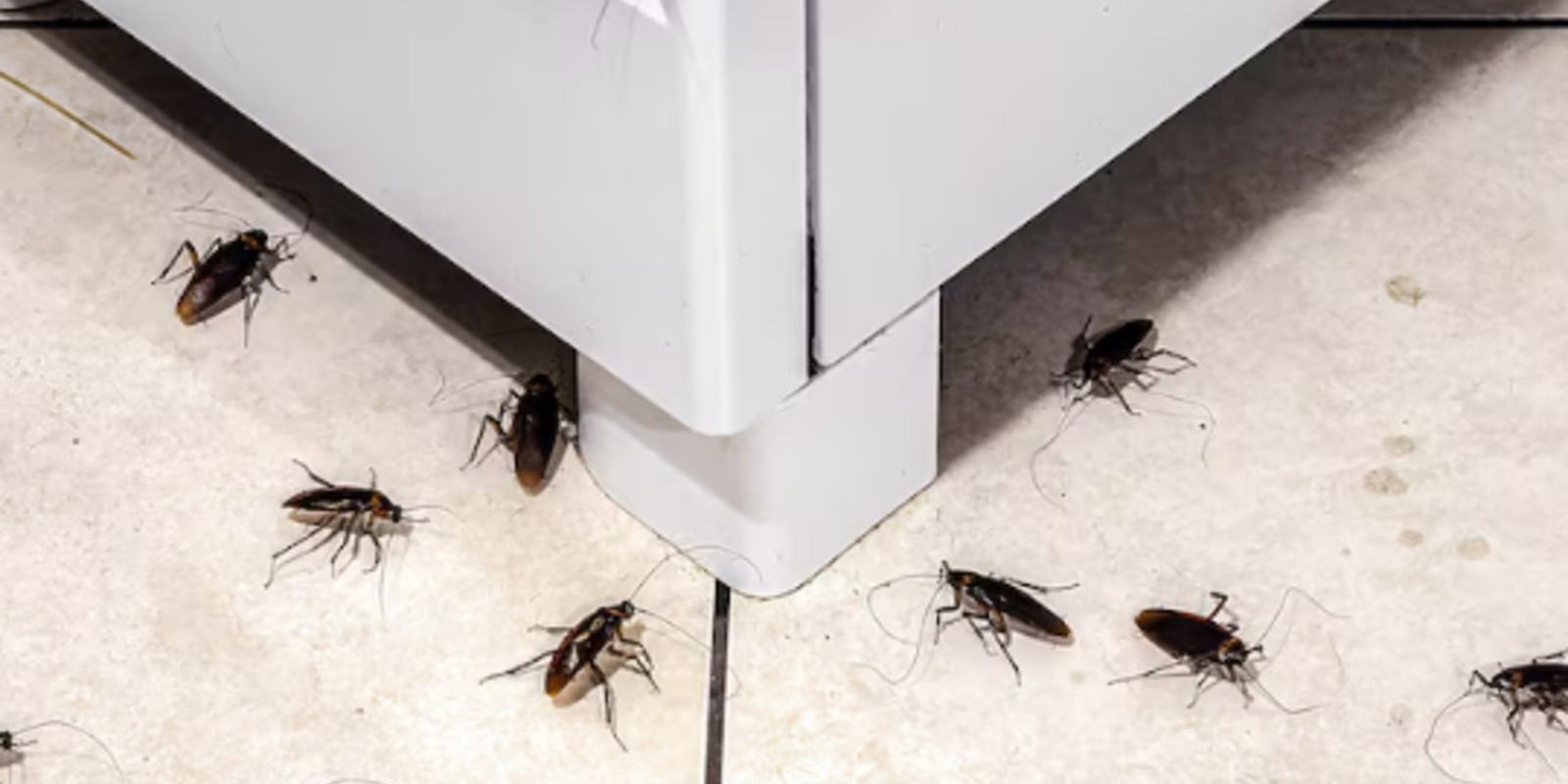
Common house pests in Malaysia include cockroaches, ants, termites, mosquitoes, rats, bedbugs, and other insects that enter homes in search of food, moisture, or shelter.
A residential pest control programme usually starts with an inspection of areas where pest activity has been noticed. The technician may examine kitchens, bathrooms, bedrooms, cabinets, drains, ceilings, gardens, and exterior entry points depending on the pest involved.
Treatment can include several approaches, such as:
- Gel or bait treatments for ants and cockroaches.
- Traps or secured bait stations for rodents.
- Targeted residual treatments for suitable insect problems.
- Termite baiting or soil treatments where appropriate.
- Exclusion measures to reduce pest entry.
- Recommendations for sanitation and moisture management.
Home pest control Malaysia services should also consider children, pets, food preparation areas and other household circumstances when determining how and where treatment is applied.
The objective is not simply to kill pests that can be seen. Effective residential treatment identifies why they are entering or surviving inside the home and addresses those contributing conditions.
Commercial Pest Control Explained
Commercial pest control is pest management designed for business premises where an infestation can affect operations, hygiene, stock, equipment, employees or customers. The programme normally requires more systematic inspection and monitoring than a typical household treatment.
Commercial properties vary considerably in their pest risks. Restaurants may be particularly vulnerable to cockroaches, flies, and rodents because food and waste are continuously present, while warehouses may face problems related to stored products, incoming deliveries and large access points.
Other premises requiring business pest management may include:
- Offices and commercial buildings.
- Hotels and accommodation facilities.
- Factories and manufacturing sites.
- Retail shops and shopping facilities.
- Warehouses and distribution centres.
- Food preparation and storage premises.
Commercial pest control, therefore, cannot follow the same programme for every business. Treatment must reflect the building, business activities, pest pressure and sensitive areas within the premises.
Routine monitoring is particularly important. A business may require action before customers or employees notice pests, rather than waiting until an infestation becomes clearly visible.
Key Differences in Treatment
The main difference between residential and commercial pest treatment is how the pest management programme is designed around the property. Homes generally have fewer occupants and simpler operating conditions, while businesses may contain multiple rooms, departments, storage zones and external access points.
The following table summarises several practical differences.
| Area | Residential Pest Control | Commercial Pest Control |
|---|---|---|
| Main environment | Houses, apartments and condominiums | Offices, restaurants, warehouses, factories and other businesses |
| Primary concern | Occupant comfort, health and property protection | Operational continuity, hygiene, stock, staff and customer protection |
| Inspection scope | Usually focused on household activity and entry points | May cover production, storage, waste, delivery and shared service areas |
| Monitoring | Based on infestation and household risk | Often scheduled and documented |
| Treatment timing | Arranged around household availability | May need to minimise disruption to business operations |
| Prevention | Cleaning, moisture reduction and household proofing | Structured sanitation, maintenance, proofing and staff practices |
| Documentation | Usually limited to service and treatment information | May require more detailed records and monitoring reports |
The underlying pest biology does not change between a house and a commercial building. A cockroach, termite or rat behaves according to its biological needs regardless of the property.
What changes is the environment around that pest. A warehouse with multiple loading bays, for example, creates different entry risks from a condominium unit even if both locations have a rodent problem.
Treatment Methods and Frequency
Treatment methods are selected according to the pest species, infestation level and environment rather than simply whether a property is residential or commercial. The main difference is often how frequently inspection and monitoring need to occur.
Residential Treatment Methods
Residential treatment is commonly carried out when an occupant notices pest activity or wants preventive protection. The service may be a targeted treatment for one pest or a broader programme covering several common household pests.
The technician may use baiting, trapping, targeted pesticide applications, exclusion or other methods appropriate to the problem.
Treatment frequency depends on the level of activity. A small, isolated problem may require limited intervention, while termites, bed bugs or established rodent infestations can require follow-up inspections and additional treatment.
Commercial Treatment Methods
Commercial programmes are often based on scheduled monitoring because waiting for visible pest activity may allow the problem to affect business operations.
Monitoring devices can be positioned in areas where pests are likely to travel. Records from these devices help determine whether activity is increasing, declining or moving to another part of the property.
Treatment may also be scheduled outside operating hours where necessary. This reduces disruption and can allow technicians to access areas that are difficult to inspect while employees or customers are present.
A fixed schedule should not replace evidence-based treatment. The frequency should reflect the property's pest risk and monitoring findings.
Why Commercial Pest Control Often Requires More Monitoring
Commercial premises often require more monitoring because their environment changes continuously. Deliveries arrive, rubbish accumulates, doors open frequently, and different employees use the premises throughout the day.
Each activity can change pest risk.
A restaurant may be clean during an inspection but develop food residues and waste later in the operating day. A warehouse may receive a contaminated shipment after a previous inspection. An office may develop a rodent entry point after maintenance work creates a new opening.
Monitoring helps identify these changes before they develop into larger infestations.
Commercial monitoring can include traps, insect monitors, secured rodent stations and routine inspection of high-risk areas. Findings should be recorded so recurring patterns can be investigated.
Safety and Compliance
Safe pest control requires appropriate products, correct application and suitable precautions for the people, animals and environments that may be exposed. Both residential and commercial services need to consider these factors before treatment.
Malaysia regulates pest control operators and pesticide applicators. The Department of Agriculture states that Pest Control Operator licences apply to registered Malaysian businesses carrying out pest control using pesticides, while pesticide applicators and assistant applicators have separate licensing requirements. The stated purpose of licensing is to regulate pest control activities in relation to property, the public and the environment.
The Pest Control Association of Malaysia also advises consumers to check relevant licences when selecting a provider, including the Pest Control Operator and Pesticide Applicator licences.
Safety in Residential Properties
Residential treatment must account for how family members use the treated environment. Kitchens, bedrooms and children's play areas may require particular precautions.
Residents should tell the pest control provider about pets, young children, allergies or other circumstances that could affect treatment planning.
Food and utensils may need to be stored before certain treatments. Occupants should also follow instructions about ventilation, cleaning and when treated areas can be used again.
Safety in Commercial Properties
Commercial properties may have additional sensitive areas such as food preparation rooms, production lines, stock rooms and customer-facing spaces.
Treatment must therefore be coordinated with operations. Products should not be applied in ways that could contaminate food, packaging or working surfaces.
Businesses should also keep relevant pest control records when required by their operational or hygiene procedures.
Prevention Requirements Are Different
Prevention is necessary for both residential and commercial pest control, but commercial properties usually require a more organised system because several people may influence pest conditions.
In a home, the occupants can often manage prevention through regular cleaning, proper food storage and basic property maintenance.
A business may need cooperation between cleaners, employees, building management, maintenance teams and waste contractors.
Residential Prevention
Home prevention focuses on reducing the basic conditions pests need to survive. Food, water and shelter should be made less accessible.
Practical measures include storing food in closed containers, repairing leaking pipes and regularly emptying rubbish. Gaps around doors, windows and utility lines should also be inspected.
Outdoor areas matter as well. Standing water, dense vegetation and stored materials against exterior walls can provide breeding or harbour sites.
Commercial Prevention
Commercial prevention requires procedures that remain consistent across shifts and departments. One poorly managed storage or waste area can undermine pest control elsewhere in the building.
Businesses may need procedures for receiving goods, storing stock, cleaning equipment, managing waste and reporting pest sightings.
Staff should understand what evidence needs to be reported. Droppings, damaged packaging and pest sightings should not simply be cleaned away without informing the person responsible for pest management.
Residential and Commercial Pest Risks
Pest risk depends on the environment rather than the property label alone. Some homes can experience severe pest pressure, while some commercial premises may have relatively low risk.
Residential properties commonly attract pests through kitchens, drains, gardens and structural gaps. Apartments can also be affected by pest activity from neighbouring units or shared building services.
Commercial properties may face additional exposure through loading bays, deliveries, large waste volumes and longer operating hours.
The consequences also differ. A cockroach sighting inside a private kitchen is primarily a household hygiene concern, while the same sighting inside a food business can affect customers, stock and operational procedures.
This difference explains why business pest management often places greater emphasis on early detection.
Choosing the Right Service

The right pest control service depends on the pest problem, the property and the conditions contributing to the infestation. Rather than choosing a service simply because it is labelled as residential or commercial, ZB I Tech SDN BHD takes the time to understand the situation and recommend an approach suited to the property.
For homes, ZB I Tech SDN BHD can assess the type of pest, where activity is occurring and what may be contributing to the problem. The treatment can then be explained clearly, together with practical advice to help prevent the issue from recurring. Throughout the process, care should be taken to minimise unnecessary disruption to the household.
For businesses and organisations, pest control may require consideration of the property's day-to-day operations. ZB I Tech SDN BHD can take into account areas such as receiving points, storage, waste disposal, drainage and other locations where pest activity may develop. Understanding how staff, customers and daily operations interact with the premises can also help identify conditions that may contribute to pest problems.
When comparing professional pest control providers, useful questions include:
- What pest has been identified?
- Which areas of the property will be inspected?
- What treatment method is proposed?
- What preparation is required?
- Will follow-up or monitoring be necessary?
- What prevention measures should the property owner implement?
For ZB I Tech SDN BHD, addressing a pest problem is not simply about treating the visible signs of an infestation. The team takes care to understand the property, explain the recommended treatment, and provide practical guidance that can help customers manage pest concerns responsibly.
In Malaysia, customers can also ask to verify the relevant pest control licenses. Official Department of Agriculture information states that pest control operator licences are issued to businesses providing pest control services using pesticides, while applicators carrying out or supervising the work are subject to separate licensing requirements.
Can the Same Pest Control Company Handle Both?
A pest control company may provide both residential and commercial services if it has the appropriate capability, licensing and experience. However, experience in one environment does not automatically mean the same programme should be copied into another.
The provider should adapt inspection and treatment to the property.
For example, treating cockroaches in a small residential kitchen may focus on cabinets, appliance gaps and drains. In a restaurant, the inspection may need to include food preparation equipment, storage rooms, grease areas, waste facilities and delivery zones.
The pest may be the same, but the management strategy is broader.
Frequently Asked Questions (FAQs)
Is commercial pest control stronger than residential pest control?
Commercial pest control is not necessarily stronger. Treatment is selected according to the pest and environment, while commercial programmes may involve more frequent monitoring, documentation and preventive measures because the premises are larger or operationally complex.
Do homes need regular pest control?
Regular treatment is not automatically necessary for every home. Frequency should depend on previous infestations, property conditions, pest pressure and monitoring rather than following the same schedule for every household.
Why do businesses need more frequent pest inspections?
Businesses may have frequent deliveries, food handling, waste generation and multiple access points. These conditions can change quickly, making routine monitoring useful for identifying new activity before it develops into an established infestation.
Can residential pest control be used for an office?
Some treatment methods may be similar, but the service should still account for the office layout, number of occupants, operating hours and pest risks. Larger offices may require a commercial monitoring programme rather than a one-time residential-style treatment.
What should I check before hiring a pest control company in Malaysia?
Check whether the provider holds the appropriate pest control licensing and ask how the pest will be identified, treated and monitored. Malaysia's Department of Agriculture provides licensing information for Pest Control Operators and pesticide applicators.
Is pest prevention different for homes and businesses?
The principles are similar because both involve reducing food, water, shelter and entry points. Commercial prevention is usually more structured because responsibility may be shared between employees, cleaners, maintenance teams and property managers.
Matching Pest Control to the Property
Residential and commercial pest control follow the same basic objective: identify pest activity, control the infestation and reduce the conditions that allow it to return. The main difference is the scale and complexity of the environment being protected.
Residential pest control focuses primarily on household occupants and living spaces. Commercial pest control must additionally consider business operations, employees, customers, stock, equipment and ongoing monitoring.
Neither approach should rely only on treating visible pests. Inspection, correct identification, prevention and follow-up provide the foundation for more effective long-term pest management.
Arrange the Appropriate Pest Control Assessment
The appropriate pest control programme depends on the type of property, pest involved and level of activity rather than using the same treatment for every situation. Homeowners and businesses can book an appointment with ZB I Tech Sdn Bhd to arrange an assessment and determine whether residential or commercial pest control measures are appropriate.