Skip to content
Malaysia’s warm and humid climate can act as the perfect nesting ground for invasive pests such as termites, cockroaches, mosquitoes, ants, and rats. This can pose a serious problem for the structural integrity of buildings and also create unhygienic environments. Therefore, businesses and households would require a combination of sanitation, structural repairs, monitoring, and targeted treatment. This is where pest control services in Malaysia come in handy.
Professional pest control providers in Malaysia normally begin with an inspection before recommending a treatment plan. The appropriate method depends on the pest species, infestation level, property type, safety requirements, and likelihood of the pest returning.
In this article, we will discuss how pest control services manage and eradicate pest infestations and why these services are useful to both households and businesses alike.
What Is Pest Control?
Pest control is the organised process of identifying, reducing, and preventing organisms that cause harm or disruption. These organisms may include insects, rodents, birds, and other animals that contaminate food, damage buildings, spread disease or interfere with daily activities.
Pest management programmes in Malaysia generally focus on long-term control instead of treating every sighting as an isolated incident. A structured programme examines why pests are present and what conditions are helping them survive.
The main objectives of pest control are to:
- Identify the pest correctly before selecting a treatment.
- Reduce the active pest population to an acceptable level.
- Remove or limit food, water, and shelter.
- Close entry points where practical.
- Monitor the property for renewed activity.
- Reduce unnecessary exposure to pesticides.
Complete elimination may be possible for a contained infestation, but ongoing control is often more realistic in environments exposed to drains, vegetation, neighbouring buildings, or regular deliveries.
The Importance of Pest Control in Malaysia
Without proper intervention, pests can cause a lot of damage to the property as well as the people residing in it. Needless to say, it will also go against regulatory compliance for many organisations.
Rodents and cockroaches can contaminate food-contact surfaces through their droppings, urine, or body contact. Mosquitoes can transmit diseases, while termites may weaken timber and other cellulose-based materials without producing obvious early signs.
Commercial premises may face additional consequences. Restaurants, warehouses, hotels, offices, factories, and retail outlets must maintain clean and suitable environments for customers, employees, and stored goods.
A pest sighting does not always prove that a property has a large infestation. However, repeated sightings, droppings, damaged materials, nests, or unusual odours justify a closer inspection.
Common Pest Problems in Malaysia
To prevent pest infestation within your premises, it’s important to be aware of the common pest problems in Malaysia. Pest infestations are strongly influenced by climate, building design, waste handling, and surrounding land use. Different pests require different control methods because their feeding, nesting, and movement patterns are not the same.
Termites

Termites are social insects that feed on cellulose, which is found in wood, paper, cardboard, and some building materials. Subterranean termites travel between underground colonies and food sources through concealed routes or protective mud tubes.
Termite activity may continue behind walls, under flooring, or inside timber before visible damage appears. This makes a professional inspection important when there are hollow wooden components, mud tubes, damaged skirting, or unexplained structural changes.
Cockroaches
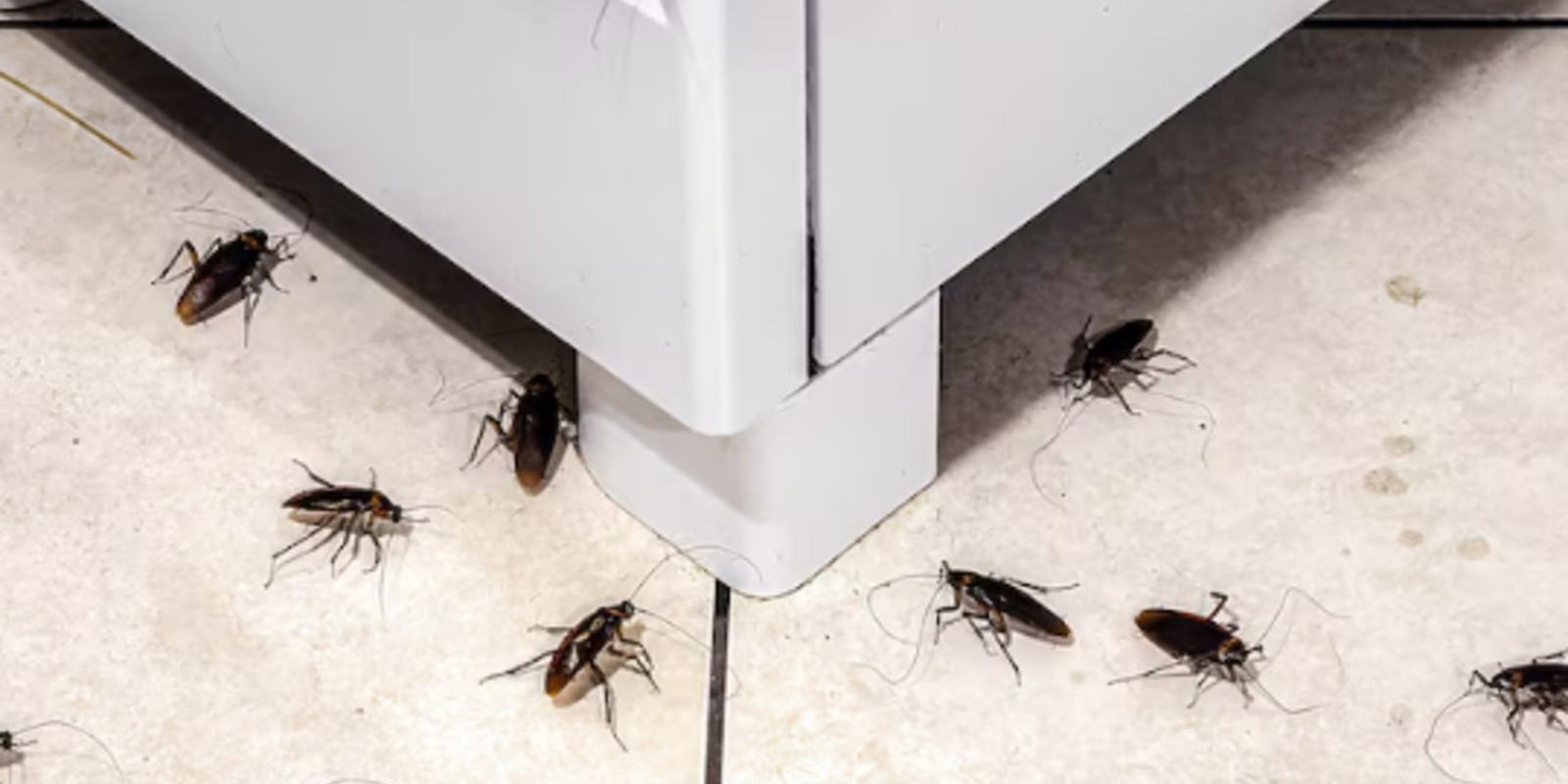
Cockroaches are nocturnal insects that prefer warm areas with access to moisture and food. Kitchens, drains, rubbish areas, cabinets, food stores, and appliance voids are common harbourage locations.
Seeing cockroaches during the day may indicate overcrowding or disturbed harbourage, although one sighting alone does not confirm the infestation level. Egg cases and hidden nymphs may remain after visible adults have been removed.
Rats and Mice
Rats and mice enter buildings for food, water and shelter. They can pass through small openings and may nest in ceilings, wall voids, storerooms, drains, gardens, or areas containing unused materials.
Common evidence includes droppings, gnaw marks, grease marks, scratching noises, and damaged food packaging. Rodent control must address entry points and food access because trapping alone may not prevent replacement animals from entering.
Ants
Ants live in colonies and usually appear indoors while searching for food or water. Trails may lead through cracks, windows, pipe gaps, or wall voids to nests located inside or outside the property.
Spraying visible ants may kill individual workers without controlling the colony. Baiting can be more appropriate for some species because workers carry the active ingredient back towards the nest.
Mosquitoes
Mosquitoes breed in standing water, including water held in containers, blocked gutters, drains, plant saucers, and discarded objects. Different species have different biting and breeding behaviours, so source reduction is essential.
Fogging may reduce adult mosquitoes in a treated area for a limited period, but it does not replace the removal of breeding sites. Larval control and routine inspection are important where water cannot be removed completely.
Bed Bugs
Bed bugs feed on blood and commonly hide near sleeping or resting areas. They may occupy mattress seams, bed frames, upholstered furniture, skirting, cracks, and personal belongings.
Bites alone cannot confirm bed bugs because skin reactions differ between individuals and may have other causes. Confirmation normally depends on finding live insects, eggs, shed skins, or characteristic spotting.
Flies

Flies reproduce around organic waste, food residues, drains, and other moist materials. Their presence often indicates that a breeding or feeding source remains accessible.
Removing adult flies provides temporary relief if waste, drain buildup, or sanitation problems continue. Control therefore combines source removal, exclusion, cleaning, and targeted treatment.
Types of Pest Control Services
A professional pest exterminator will assess the severity of the damage caused by the pests before recommending a suitable service solution. Pest control services are selected according to the pest and conditions found during inspection. A professional pest exterminator Malaysia provider may use physical, chemical, biological, or environmental methods as part of one programme.
Residential Pest Control
Residential pest control services in Malaysia cover houses, apartments, and other living spaces. Treatments must account for residents, children, pets, food preparation areas, and the way each room is used.
A residential programme may address cockroaches, ants, rats, termites, mosquitoes, bed bugs or several pests at once. Occupants may also receive preparation and post-treatment instructions.
Commercial Pest Control
Commercial pest control is adapted to operational risks within workplaces and public premises. Treatment timing, documentation, and monitoring may be more structured because businesses must minimise disruption and protect employees, customers, and products.
Food businesses often require particular attention to receiving areas, storage practices, grease build-up, waste handling, and cleaning records. Offices may require more emphasis on pantry areas, ceilings, landscaping, and shared service spaces.
Termite Control
Termite control targets active colonies or protects structures from future termite access. Depending on the property and site conditions, options may include soil treatment, baiting systems, localised applications, or preventive measures.
A termite inspection should distinguish active infestation from old damage. Treatment selection must also consider building construction, renovation history, moisture and areas that cannot be accessed easily.
Rodent Control
Rodent control combines population reduction with exclusion, sanitation, and monitoring. Traps, secured bait stations, and tracking methods may be used according to the level of activity and risks at the property.
Baits must be positioned and managed carefully, particularly in homes, food premises, and locations accessible to children, pets, or non-target animals. Entry holes and damaged fittings should be repaired once movement routes are understood.
Cockroach and Ant Control
Cockroach and ant treatments may use gel baits, residual applications, monitoring traps or treatments directed into cracks and harbours. The chosen method depends on the species, infestation level, and sensitivity of the treatment area.
Cleaning immediately over treated areas may reduce the effectiveness of some products. Occupants should follow the pest control company’s instructions rather than applying additional sprays that may disturb baiting activity.
Mosquito Management

Mosquito management focuses on breeding-source removal, larval control and reduction of adult mosquitoes where necessary. Inspection should cover indoor and outdoor areas capable of holding water.
A complete programme may involve education, scheduled inspection, and monitoring rather than fogging alone. Conditions can change after rain, construction activity or changes in drainage.
Bed Bug Treatment
Bed bug treatment requires a detailed inspection and careful preparation. Depending on the circumstances, the treatment may involve heat, residual products, steam, vacuuming, or a combination of methods.
Follow-up inspections are often necessary because eggs or deeply concealed insects may survive an incomplete treatment. Residents should avoid moving untreated items to other rooms, as this can spread the infestation.
How Professional Pest Control Works
Professional pest control normally follows a structured process of inspection, identification, treatment, and review. Skipping one of these stages can reduce effectiveness or allow the problem to return.
1. Initial Assessment
The first step establishes what the customer has observed and where the activity occurs. The technician may ask about sighting times, damaged materials, recent renovations, previous treatments and changes in the surrounding environment.
This information guides the physical inspection but does not replace it. Similar signs can be caused by different pests, and treatment should not begin solely on an assumption.
2. Detailed Inspection
The inspection looks for live pests, droppings, nests, feeding damage, entry points and favourable conditions. Moisture, food residues, waste, clutter and structural gaps may be recorded.
Inspection may include roof spaces, cabinets, drains, garden edges, storerooms and other areas relevant to the suspected pest. Some concealed areas may require specialised detection methods or further access.
3. Pest Identification
Correct identification determines which control method is likely to work. Products and baiting strategies that are effective for one pest may have little value against another species.
Identification may be based on physical specimens, droppings, damage patterns or movement behaviour. Uncertain findings should be investigated before broad treatment is applied.
4. Treatment Planning
The treatment plan explains the proposed control methods, preparation requirements and expected follow-up. It should also identify environmental or structural factors that the property owner must address.
A practical plan balances effectiveness with risks to occupants, animals, food, equipment and the wider environment. Sensitive locations may require non-chemical methods or restricted treatment areas.
5. Treatment
Treatment is carried out in the identified harbourage, movement or feeding areas. Depending on the pest, this may involve baiting, trapping, targeted residual application, dusting, exclusion, heat or habitat modification.
More pesticide does not necessarily produce better control. Correct placement, formulation and timing are generally more important than applying products widely.
6. Monitoring and Follow-Up
Monitoring confirms whether pest activity is decreasing and whether additional treatment is required. Devices such as traps, bait stations or insect monitors may reveal activity that is not visible during daytime inspections.
Follow-up also helps identify new entry points or sanitation issues. A treatment programme should be adjusted when evidence shows that the original approach is not achieving control.
Integrated Pest Management
Integrated Pest Management, commonly called IPM, is a decision-based approach that combines prevention, monitoring, and targeted control. Its purpose is to manage pests effectively while limiting unnecessary pesticide use.
An IPM programme normally includes several connected measures:
- Accurate identification of the pest and its behaviour.
- Removal of food, water and shelter where possible.
- Structural exclusion and repair of entry points.
- Monitoring to measure the level of activity.
- Targeted treatment when evidence supports intervention.
- Review of results and adjustment of the plan.
IPM does not mean that pesticides are never used. It means chemical treatment is selected and applied as one part of a broader pest management strategy.
When You Need Professional Pest Control
Professional pest control is appropriate when the infestation is persistent, difficult to locate, potentially hazardous, or beyond the practical limits of household treatment. Early assessment may reduce the chance of widespread damage or contamination.
Professional assistance should be considered when:
- Pests continue to appear after cleaning and household treatment.
- Droppings, nests, mud tubes or structural damage are found.
- Pest activity affects food preparation or storage areas.
- Bites or stings are occurring repeatedly.
- The pest is hidden inside walls, ceilings or flooring.
- Treatment involves chemicals or equipment requiring trained handling.
Termites, bed bugs and established rodent infestations are particularly difficult to manage without proper inspection. Commercial properties may also require documented service records and scheduled monitoring.
Safety and Preparation Before Treatment
Preparation protects occupants and helps technicians reach the areas where pests hide. The exact requirements depend on the pest, product and treatment method, so customers should follow the instructions provided for their property.
Common preparation steps may include storing exposed food, clearing access to walls, securing pets and removing items from affected cabinets. Bed bug treatments may require more extensive preparation than ant or cockroach treatments.
Customers should inform the pest control provider about:
- Children, older adults or pregnant occupants.
- Pets, aquariums and other animals.
- Allergies, asthma or known sensitivities.
- Food-handling areas and exposed ingredients.
- Areas that cannot be vacated or accessed.
Occupants should not return to a treated area until the advised period has passed. Surfaces should only be cleaned according to the post-treatment guidance because removing bait or residual treatment too early may reduce control.
What to Expect After Pest Control Treatment
Some pest activity may continue temporarily after treatment. The expected pattern depends on the pest, the treatment used and the size of the infestation.
Baits may take time because insects or rodents must consume them and, in some cases, transfer their effects to a colony. Residual treatments may also disturb pests from hidden harbourage, making them temporarily more visible.
Customers should record the location and timing of continued activity. Immediate use of household sprays can interfere with professional baiting or push pests into untreated areas.
A follow-up inspection is appropriate when activity does not decline within the period explained by the provider. New evidence may show that additional harbourage, entry points or breeding sources remain.
Preventing Future Infestations
Prevention reduces the resources and access routes that allow pests to establish themselves. It cannot guarantee that pests will never enter, particularly in dense urban areas, but it can make the property less suitable for them.
Food and Waste Control
Food should be stored in sealed containers, and spills should be cleaned promptly. Rubbish bins should have suitable lids and be emptied before waste accumulates.
Pet food and standing water should not remain accessible overnight where rodents, ants or cockroaches are active. Commercial premises should also inspect incoming goods for damaged packaging or pest evidence.
Moisture Management
Leaking pipes, condensation and blocked drains provide water for many pests. Repairs and routine maintenance can reduce cockroach, ant, mosquito and termite risks.
Outdoor containers should be emptied or covered. Gutters and drainage channels should remain clear enough to prevent standing water.
Structural Exclusion
Gaps around doors, pipes, vents and utility lines can allow pests to enter. Sealing must use materials appropriate to the pest because rats can gnaw through weak fillers.
Screens, door sweeps and drain covers may help where suitable. Roof gaps and damaged wall sections should also be checked, particularly in older buildings.
Reduce Harbourage
Clutter provides concealed nesting and movement spaces. Cardboard, unused equipment and dense stored materials should be organised so that floors and wall edges remain inspectable.
Outdoor vegetation should be maintained to reduce contact with the building. Timber and other cellulose materials should not be stored directly against soil or external walls.
Continue Monitoring
Monitoring allows new activity to be identified before it becomes extensive. Routine inspection is particularly useful in food premises, warehouses and properties with previous infestations.
Records should identify where pests were found and what corrective action was taken. Repeated activity in the same location usually indicates that an underlying source or access point remains.
Choosing a Pest Control Company

A suitable pest control company should base its recommendations on evidence found during inspection. Customers should be cautious when a provider guarantees complete elimination without first identifying the pest and understanding the property.
Important selection criteria include:
- Experience with the specific pest and property type.
- Clear explanation of the proposed treatment.
- Safety instructions for occupants, pets and food.
- Information about follow-up and monitoring.
- Written scope of work and service limitations.
- Practical recommendations for prevention.
The provider should explain what the customer must do before and after treatment. A responsible company should also be willing to state when structural repairs, cleaning, or drainage work falls outside the treatment scope.
If you’re seeking a reliable pest control company in Malaysia that meets the criteria mentioned above, consider choosing ZB I Tech SDN BHD for effective pest control solutions.
Why Choose ZB I Tech SDN BHD?
Pest problems can be stressful, whether they occur at home, in an office, or across a larger commercial or organisational property. ZB I Tech SDN BHD provides pest control services for homes, organisations, and businesses, taking the time to understand the situation and address pest concerns with care.
Rather than applying the same approach to every property, the team considers the type of pest, the extent of the problem, and the conditions that may be contributing to it. Customers can also expect clear guidance on what to do before and after treatment, as well as practical steps that may help reduce the risk of future pest activity.
The aim is to address pest concerns responsibly while considering the comfort and safety of the people, pets, and property involved.
Frequently Asked Questions (FAQs)
How often should pest control be carried out?
The appropriate frequency depends on the pest risk, property type and history of infestation. A home with no active problem may only need periodic inspection, while food premises or high-risk commercial sites may require scheduled monitoring and treatment.
Can I stay inside during pest control treatment?
Whether occupants can remain depends on the product and application method. The provider should give clear instructions about restricted areas, ventilation, and the safe time for re-entry before treatment begins.
Is professional pest control safe for children and pets?
Professional treatment can be managed around children and pets when products are selected and applied correctly. The provider must be informed about all occupants and animals so that suitable precautions can be included.
Why are pests still visible after treatment?
Temporary activity can occur when pests are disturbed from hidden areas or while bait takes effect. Continued or increasing activity beyond the expected treatment period should be reported for reassessment.
Does one treatment remove every infestation?
One treatment may control a minor, accessible infestation, but established pests often require monitoring and follow-up. Eggs, concealed nests, untreated entry routes or surrounding pest pressure can allow activity to continue.
What is the difference between pest control and pest management?
Pest control refers to measures used to reduce active pests. Pest management is broader and includes inspection, prevention, monitoring, treatment and correction of conditions that support future infestations.
Maintaining a Practical Pest Management Plan
Effective pest control combines accurate identification, suitable treatment, prevention and follow-up. Property owners should expect a professional provider to explain both the treatment and the environmental changes required to reduce recurrence.
Regular sanitation and maintenance remain important after professional pest control. When pest activity persists, the property should be reassessed instead of repeatedly applying uncoordinated household products.
Arrange a Professional Pest Assessment
Persistent or unidentified pest activity may require an inspection to determine the species, source, and appropriate treatment. Property owners can book an appointment with ZB I Tech Sdn Bhd to discuss the signs observed and arrange an assessment of the affected area.