Rats are more than just an unpleasant nuisance; they are a serious threat to health, property, and business operations. Known carriers of harmful bacteria and diseases, rats can contaminate food sources, damage wiring and structures, and multiply rapidly if left unchecked. While some property owners attempt DIY solutions, these methods often provide only temporary relief and may pose safety risks to people, pets, and the environment.
Professional rat pest control services take a systematic, science-backed approach to eliminating infestations safely and effectively. By combining expert inspection, targeted treatments, and long-term prevention strategies, trained professionals address not just visible rodents, but the root causes of infestations. This article explores how professional rat control works step by step and why it remains the safest and most reliable solution for homes and businesses.
Step-by-Step Overview of a Professional Rat Control Process
Effective rat management requires more than placing traps or poison. Professional control follows a structured process designed to eliminate existing rats, prevent reinfestation, and minimise environmental impact. Each step is carefully planned to ensure safety, compliance, and long-term results.
The process typically includes a detailed inspection, identification of access points, selection of appropriate treatment methods, and post-treatment monitoring. By tailoring solutions to each property, professionals ensure that rat populations are removed efficiently without unnecessary risks.
Inspection and Identification of Entry Points
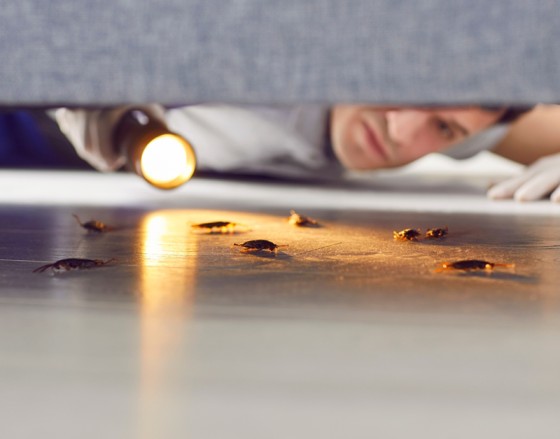
The foundation of successful rat control lies in a thorough inspection. Trained technicians from a company specialising in home pest control begin by assessing the property to determine the severity of the infestation, rat species involved, and behavioural patterns. Signs such as droppings, gnaw marks, nesting materials, grease trails, and burrows help pinpoint activity hotspots.
Equally important is identifying how rats are entering the premises. Rats can squeeze through openings as small as a few centimetres, exploiting gaps in walls, damaged vents, drainage systems, roof lines, and poorly sealed doors. In commercial environments, loading bays and waste disposal areas are common access points.
This inspection phase ensures that treatments are targeted and strategic. Without sealing entry points, even the most effective treatment will only provide short-term relief, as new rats will quickly replace those removed.
Safe Baiting, Trapping, and Exclusion Methods

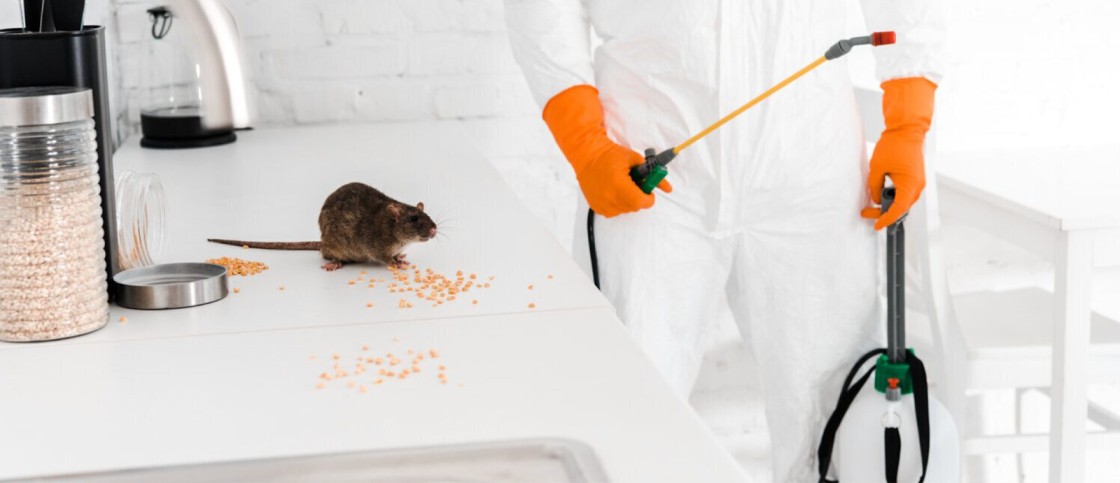
Once inspection findings are complete, professionals design a treatment plan that balances effectiveness with safety. Unlike indiscriminate DIY methods, professional rat pest control services use controlled baiting and trapping techniques based on rodent behaviour and population size.
Baits are placed in tamper-resistant stations to prevent accidental exposure to children, pets, and non-target wildlife. These stations are positioned in strategic locations where rat activity is highest, ensuring maximum effectiveness while maintaining safety standards.
Trapping methods may include mechanical traps designed to deliver quick, humane results. These are particularly useful in sensitive environments such as food establishments, offices, and residential properties where chemical use must be limited.
Exclusion is another critical component. After active rats are removed, technicians seal entry points using durable materials such as metal mesh, sealants, or concrete fillers. This prevents future access and significantly reduces the likelihood of reinfestation.
Eco-Friendly and Pet-Safe Solutions
Modern pest management prioritises environmental responsibility. Today’s professional rat pest control services increasingly rely on eco-friendly practices that minimise harm to ecosystems while maintaining effectiveness.
Non-toxic and low-toxicity options are selected whenever possible, especially in homes with pets, children, or vulnerable individuals. Integrated Pest Management (IPM) principles guide treatment decisions, focusing on habitat modification, sanitation improvements, and physical controls before chemical solutions are considered.
For example, technicians may recommend improved waste management, food storage practices, or landscaping adjustments that make the property less attractive to rats. These proactive measures reduce dependence on chemical treatments and support long-term sustainability.
By combining safe products with precise application methods, professionals ensure that rat control does not compromise indoor air quality, soil health, or surrounding wildlife.
Post-Treatment Monitoring and Follow-Up

Eliminating rats is not a one-time task, and it requires ongoing vigilance. After initial treatment, professionals conduct follow-up visits to assess effectiveness, replace or remove bait stations, and monitor for any signs of renewed activity.
Monitoring allows technicians to adjust strategies if needed and ensures that the infestation has been fully resolved. In commercial settings, regular inspections are especially important to meet hygiene regulations and protect brand reputation.
Clients are also educated on preventive measures, such as maintaining cleanliness, sealing food sources, and promptly addressing structural damage. This collaborative approach strengthens long-term outcomes and reduces the risk of future infestations.
Through consistent follow-up, professional rat control delivers lasting peace of mind rather than temporary fixes.
Frequently Asked Questions (FAQs)
How long does professional rat pest control take to show results?
Initial activity reduction is often seen within days, but complete elimination may take a few weeks depending on infestation size, property layout, and follow-up requirements.
Is professional rat control safer than DIY solutions?
Yes. Professional services use regulated products, secure placement methods, and trained handling techniques that significantly reduce risks to people, pets, and the surrounding environment.
What are early warning signs that indicate a rat problem?
Unusual noises in walls or ceilings, unexplained food damage, droppings in hidden areas, and strong ammonia-like odours are common early indicators of rat activity.
How often should rat pest control inspections be carried out?
For most homes, annual inspections are sufficient, while businesses, especially food-related premises, benefit from scheduled quarterly or bi-monthly monitoring.
Will professional rat control prevent future infestations completely?
While no solution can guarantee zero risk, professional treatments combined with exclusion work and preventive guidance greatly reduce the chances of reinfestation long term.
Professional Rat Control Solutions by ZB I Tech
Effective rat pest control is about safeguarding health, property, and the environment. Professional services provide a structured, safe, and environmentally responsible solution that addresses both immediate infestations and long-term prevention. From detailed inspections and secure baiting to eco-friendly methods and ongoing monitoring, expert intervention ensures reliable results that DIY methods cannot match.
ZB I Tech Sdn Bhd is a recently established pest control company dedicated to providing safe, effective, and eco-friendly solutions for both residential and commercial properties. With a strong focus on customer satisfaction and environmental responsibility, our team uses modern technologies and non-toxic methods to eliminate pests without compromising human health or the planet. Whether you require a one-time treatment or a long-term pest management plan, ZB I Tech Sdn Bhd is committed to delivering professional and reliable service. The team believes in creating safe and comfortable spaces for living and working while protecting the environment.
If you are experiencing rat issues or want to prevent future infestations through professional pest control for rats, feel free to reach out to ZB I Tech Sdn Bhd today to schedule an inspection and take the first step toward a safer, pest-free environment.