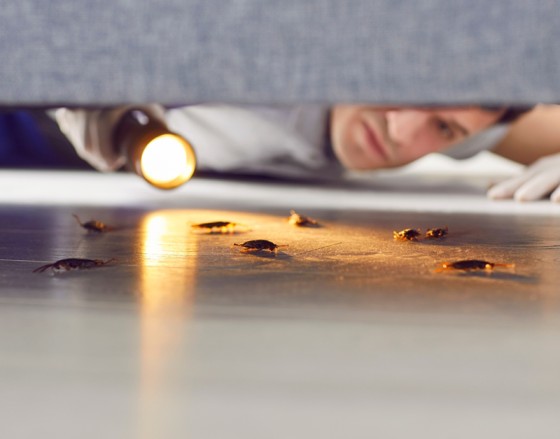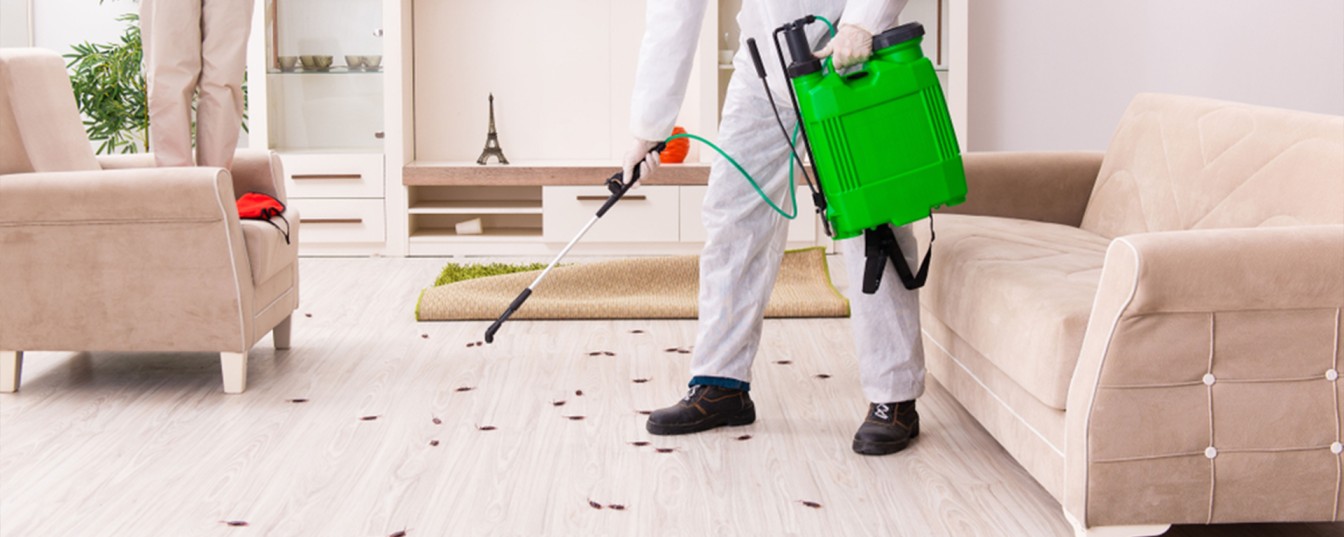
Pests rarely appear without warning. In most cases, infestations develop gradually, giving homeowners subtle clues long before the problem becomes severe. Unfortunately, these warning signs are often overlooked or dismissed as isolated incidents. By the time pests become highly visible, they may have already established nesting sites, contaminated living spaces, or caused damage to the property. Whether the issue involves rodents, cockroaches, termites, ants, mosquitoes, or other household pests, early intervention is critical. Many common pests reproduce rapidly and can spread throughout a home in a relatively short period. What starts as a minor nuisance can quickly develop into an infestation that affects health, hygiene, comfort, and property value. Understanding when professional pest control for home is necessary can help homeowners avoid costly repairs and long-term pest problems. This guide explains the most common signs of an infestation, what causes pests to invade homes, when professional intervention is recommended, and how to prevent future infestations.
When Do You Need Pest Control for Home?
You should consider professional pest control for home protection if you notice recurring pest sightings, droppings, unusual smells, scratching noises, property damage, nesting materials, unexplained insect bites, or repeated pest problems despite DIY treatments. These signs often indicate an established infestation that can worsen quickly if left untreated.
Common warning signs include:
- Seeing live pests regularly indoors
- Discovering pest droppings
- Hearing scratching or scurrying sounds inside walls
- Finding damaged wood, wiring, or food packaging
- Detecting unusual odours
- Experiencing recurring infestations
- Observing seasonal increases in pest activity
Addressing these issues early can reduce treatment costs, minimise health risks, and prevent extensive property damage.
What Is Pest Control for Home?
Pest control for home refers to the process of identifying, eliminating, preventing, and managing pests that invade residential properties. The goal is not only to remove existing pests but also to address the environmental conditions that attract them in the first place.
Professional home pest control typically involves:
- Comprehensive property inspections
- Identification of pest species
- Targeted treatment plans
- Pest exclusion strategies
- Preventive recommendations
- Ongoing monitoring when necessary
A well-designed residential pest control programme focuses on long-term prevention rather than simply treating visible pest activity.
Common household pests targeted through home pest control services include:
- Cockroaches
- Rats and mice
- Termites
- Ants
- Mosquitoes
- Flies
- Bed bugs
- Stored product pests
- Spiders
Because each pest behaves differently, effective pest management requires proper identification and customised treatment methods.
What Causes Pest Infestations in Homes?

Understanding why pests enter a home is just as important as recognising the warning signs of an infestation. Most pests are attracted by the same basic survival needs: food, water, shelter, and safe breeding areas. Several factors commonly contribute to household pest problems.
Easily Accessible Food Sources
Food crumbs, uncovered rubbish bins, pet food, and improperly stored pantry items can attract a wide range of pests, including cockroaches, ants, rodents, and flies. Even small amounts of food residue can support pest populations over time.
Moisture and Water Leaks
Many pests require moisture to survive. Leaking pipes, clogged drains, standing water, and poorly ventilated areas create ideal conditions for pests such as cockroaches, mosquitoes, and termites.
Structural Entry Points
Small gaps around doors, windows, utility lines, roof spaces, and wall cracks provide easy access for pests entering from outdoors. Rodents can squeeze through surprisingly small openings, while insects often enter through tiny cracks that homeowners may not notice.
Clutter and Storage Areas
Cluttered storage rooms, garages, attics, and unused spaces provide ideal hiding and nesting locations. Pests prefer areas where they can remain undisturbed while breeding and feeding.
Landscaping and Outdoor Conditions
Overgrown vegetation, wood piles, standing water, and dense ground cover near the home can encourage pest activity and increase the likelihood of pests migrating indoors. Addressing these contributing factors is a key component of effective pest control for home protection.
1. You Are Seeing Live Pests Inside Your Home
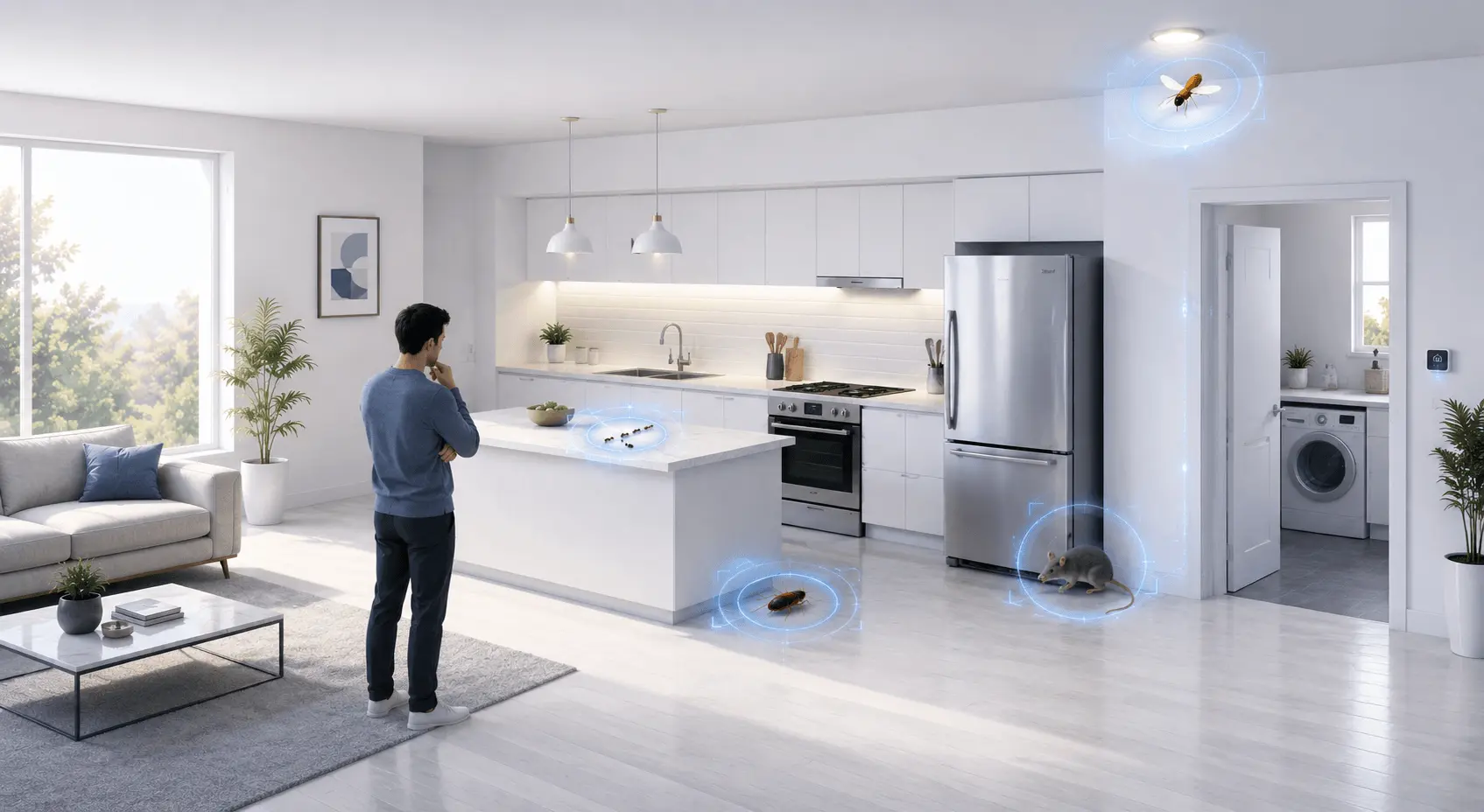
One of the clearest signs that professional pest control may be necessary is the repeated appearance of live pests inside the home. While an occasional insect may enter from outside, frequent sightings usually indicate an established infestation nearby.
Examples include:
- Cockroaches appearing in kitchens and bathrooms
- Ant trails along walls and countertops
- Rodents running behind appliances
- Mosquitoes breeding near standing water
- Flying termites gathering around lights
Daytime sightings are particularly concerning because many pests are naturally active at night. When pests begin appearing during daylight hours, it often suggests that populations have grown significantly and are spreading beyond their normal hiding places. The pests homeowners see are often only a small percentage of the actual population hidden within walls, ceilings, crawl spaces, or other inaccessible areas.
2. Pest Droppings Are Appearing Around the House
Pest droppings are one of the most reliable indicators of hidden pest activity. Different pests leave different types of waste behind.
| Pest | Common Signs |
|---|---|
| Rats and mice | Small dark pellet-shaped droppings |
| Cockroaches | Black specks resembling ground pepper |
| Termites | Small wood-coloured pellets known as frass |
| Bed bugs | Dark stains on mattresses and bedding |
Pest droppings should never be ignored. They can:
- Contaminate food preparation areas
- Spread bacteria and pathogens
- Trigger allergies
- Contribute to respiratory problems
- Indicate an active breeding population
Finding droppings in kitchens, storage rooms, pantries, attics, or behind appliances is often a sign that professional home pest inspection may be necessary.
3. Strange Noises Are Coming from Walls, Ceilings, or Floors
Many infestations are first discovered through sound rather than visual sightings. Homeowners may notice:
- Scratching inside walls
- Scurrying sounds in ceilings
- Gnawing noises behind appliances
- Rustling in attics
- Clicking sounds inside wooden structures
Rodents are among the most common causes of these noises, especially at night when they become more active. Termites may also produce faint clicking sounds as worker termites tunnel through wood and communicate within colonies. If unusual sounds occur consistently, they may indicate that pests have established nesting sites within the structure of the home.
4. Unusual Odours Are Lingering Indoors
Certain pests produce distinctive smells that become more noticeable as infestations grow. Different pests can create different odours:
Rodents
Rodent urine often produces a strong ammonia-like smell, particularly in enclosed spaces such as attics, wall voids, and storage areas.
Cockroaches
Large cockroach infestations may create a musty, oily odour that becomes increasingly noticeable over time.
Dead Pests
When rodents or other pests die inside walls, ceilings, or crawl spaces, decomposition can create strong and unpleasant smells that linger for days or weeks. Persistent odours that cannot be explained through normal household causes should be investigated, especially when combined with other signs of pest activity.
5. Your Home Is Showing Signs of Structural Damage
Some pests do more than create hygiene concerns. They can also damage the structure of a home. Common signs of pest-related damage include:
- Hollow-sounding timber
- Cracked or bubbling paint
- Sagging floors
- Damaged skirting boards
- Chewed electrical wiring
- Torn insulation
- Small holes in walls
- Damaged furniture
Termites are among the most destructive household pests because they consume wood from the inside out. Significant damage may occur before visible warning signs appear. Rodents can also create serious problems by chewing electrical wires, increasing the risk of short circuits and electrical fires. When structural damage is suspected, immediate professional assessment is strongly recommended.
6. Food Packaging Is Being Damaged
Kitchen pantries often provide some of the earliest signs of pest infestations. Watch for:
- Torn food packaging
- Bite marks
- Spilled grains
- Damaged cardboard boxes
- Food contamination
- Unusual holes in packaging
Rodents and stored-product pests commonly target:
- Rice
- Flour
- Cereals
- Pet food
- Dried goods
- Snack products
Even minor packaging damage can indicate that pests have established access to food sources within the home. Discarding contaminated products and identifying the source of the infestation is important to prevent further spread.
7. You Notice Nesting Materials Around the Property
Pests need safe locations to shelter and reproduce. Homeowners should watch for signs of nesting activity, including:
- Shredded paper
- Fabric scraps
- Cardboard fragments
- Insulation materials
- Dry leaves
- Pet fur
Rodents frequently gather these materials to build nests in attics, wall cavities, garages, storage rooms, and crawl spaces. The presence of nesting materials often indicates that pests are not merely passing through but have established themselves within the property.
8. DIY Treatments Only Provide Temporary Results
Many homeowners attempt to solve pest problems using traps, sprays, bait stations, or other over-the-counter products. While these solutions can reduce visible activity, they often fail to address:
- Hidden nesting sites
- Breeding populations
- Pest entry points
- Environmental conditions attracting pests
- Colony structures
For example:
- Eliminating a few ants does not remove the colony.
- Killing visible cockroaches does not eliminate egg cases hidden in cracks and crevices.
- Catching one rodent does not necessarily resolve a larger infestation.
If pests continue returning despite repeated DIY treatments, professional pest control for home protection may be necessary to identify and eliminate the root cause.
9. Family Members Are Experiencing Unexplained Allergies or Bites
Pests can affect health long before homeowners realise an infestation exists. Potential warning signs include:
- Frequent sneezing
- Persistent coughing
- Skin irritation
- Allergic reactions
- Asthma flare-ups
- Unexplained insect bites
Cockroach allergens, rodent waste, dust mites, and bed bugs are common contributors to indoor health concerns. If symptoms appear alongside other signs of pest activity, scheduling a professional pest inspection can help identify potential sources of exposure.
10. Pest Activity Increases During Seasonal Changes
Seasonal changes often influence pest behaviour.
During Rainy Seasons
Heavy rainfall can drive pests indoors as they search for:
- Shelter
- Dry nesting areas
- Food sources
Rodents, cockroaches, and ants commonly become more active during wet conditions.
During Hot Seasons
Warmer temperatures can accelerate breeding cycles for many insects, leading to noticeable increases in pest activity. Mosquitoes, flies, and cockroaches often thrive during hot and humid conditions. While seasonal fluctuations are normal, recurring infestations may indicate that pests have already established breeding sites within or around the home.
11. Neighbours Are Experiencing Pest Problems
Pests rarely stay confined to a single property. If nearby homes are experiencing problems with:
- Termites
- Rodents
- Cockroaches
- Ants
- Mosquitoes
your property may also be vulnerable. Shared drainage systems, vegetation, fences, walls, and roof structures can provide pathways that allow pests to spread between neighbouring properties. Homeowners living in areas with known pest activity should consider preventive pest management even if they have not yet observed major infestations.
12. You Have Never Had a Professional Pest Inspection
Many infestations remain hidden for months or even years. A professional home pest inspection can identify:
- Early termite activity
- Rodent entry points
- Moisture problems
- Structural vulnerabilities
- Hidden nesting sites
- Conditions that attract pests
Even when there are no obvious signs of infestation, routine inspections can help homeowners detect issues early and prevent expensive treatment costs later.
When Should You Call a Pest Control Professional?
Many homeowners wonder whether a pest issue can be handled independently or if professional intervention is necessary. In general, you should contact a pest control professional when:
- Pest sightings become frequent
- DIY treatments fail to resolve the issue
- Property damage becomes visible
- Pest droppings are discovered
- Health concerns arise
- Rodents are present
- Termites are suspected
- Infestations continue returning
Professional pest control services offer advantages that DIY treatments often cannot provide, including accurate pest identification, access to specialised treatment methods, and long-term prevention strategies. The earlier a pest problem is addressed, the easier and less costly it is typically to manage.
DIY Pest Control vs Professional Pest Control

Homeowners often compare DIY solutions with professional pest management services before deciding how to respond to an infestation.
| Factor | DIY Pest Control | Professional Pest Control |
|---|---|---|
| Initial Cost | Lower | Higher |
| Pest Identification | Limited | Professional assessment |
| Root Cause Removal | Often incomplete | Comprehensive |
| Treatment Coverage | Visible areas only | Entire property |
| Long-Term Prevention | Limited | Included in many plans |
| Monitoring | None | Available |
| Effectiveness for Large Infestations | Low | High |
DIY solutions may help manage minor pest activity, but established infestations often require a more comprehensive approach to achieve lasting results.
Common Household Pests and Their Warning Signs
Understanding the behaviour of common household pests can help homeowners recognise infestations sooner.
| Pest | Common Signs |
|---|---|
| Cockroaches | Droppings, musty odours, nighttime sightings |
| Rats and Mice | Gnaw marks, droppings, scratching noises |
| Termites | Hollow wood, mud tubes, damaged timber |
| Ants | Visible trails and nest activity |
| Mosquitoes | Increased bites and standing water nearby |
| Bed Bugs | Bite marks and mattress stains |
| Flies | Frequent indoor activity near food or waste |
Recognising these warning signs early allows homeowners to take preventive action before infestations become more severe.
Real Examples of Pest Problems Homeowners Commonly Face
Understanding how infestations develop in real-world situations can help homeowners recognise warning signs sooner and take appropriate action.
Scenario 1: Cockroaches in the Kitchen
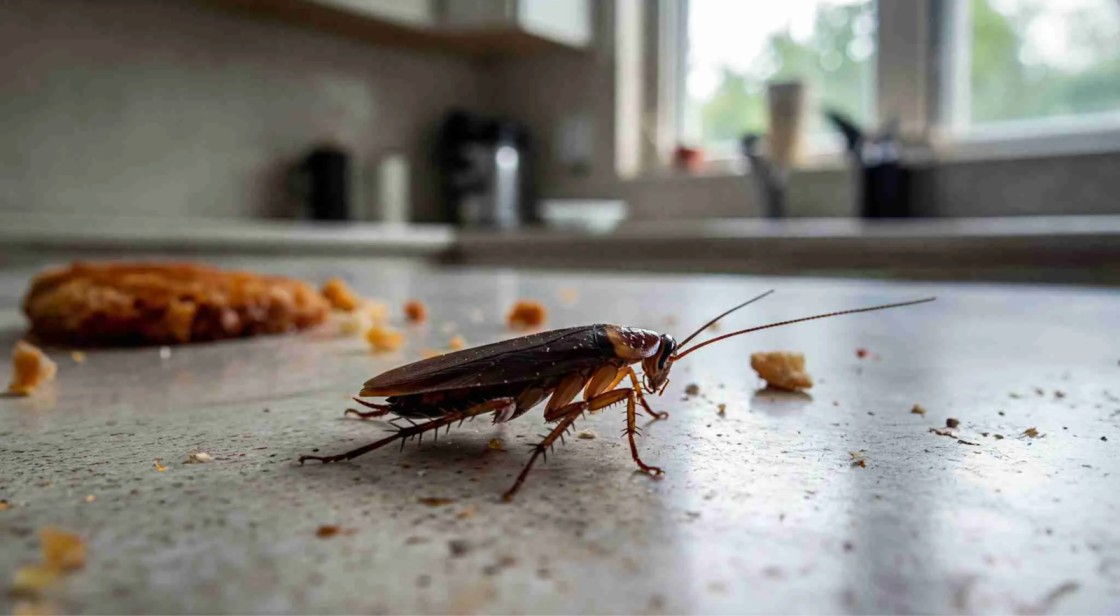
A homeowner begins noticing a few cockroaches near the sink late at night. Assuming the problem is minor, they use store-bought sprays to eliminate visible insects. Over time, sightings become more frequent and cockroaches begin appearing during the day. In this situation, the visible cockroaches represent only a small portion of the infestation. Hidden breeding areas behind cabinets, appliances, and plumbing fixtures allow populations to continue growing despite temporary treatments.
Scenario 2: Rodents in the Ceiling
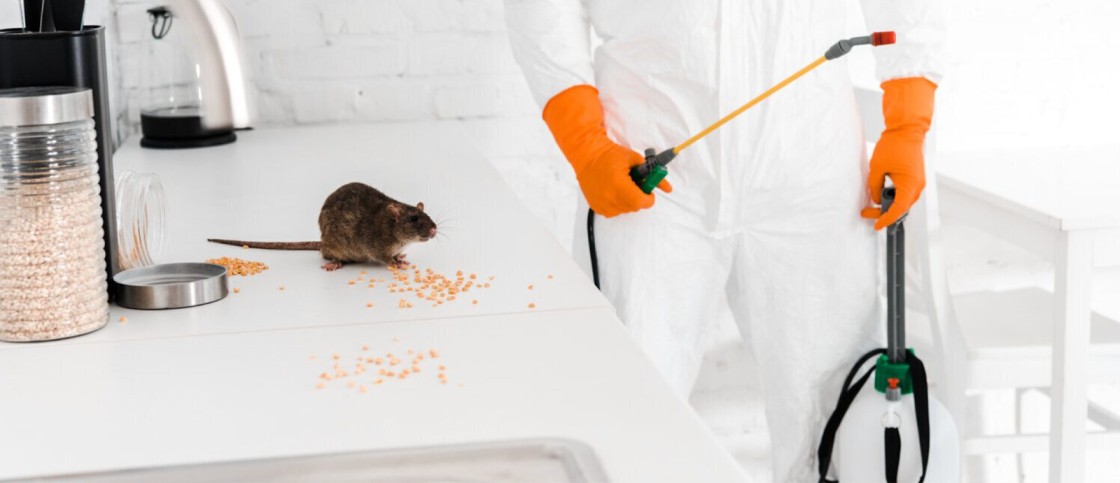
A family starts hearing scratching noises above the ceiling at night. Weeks later, they discover droppings in the pantry and signs of gnawing around stored food products. Rodents often enter through small gaps in roofs, walls, or utility openings. Without identifying entry points and nesting locations, trapping individual rodents may not fully solve the problem.
Scenario 3: Hidden Termite Activity
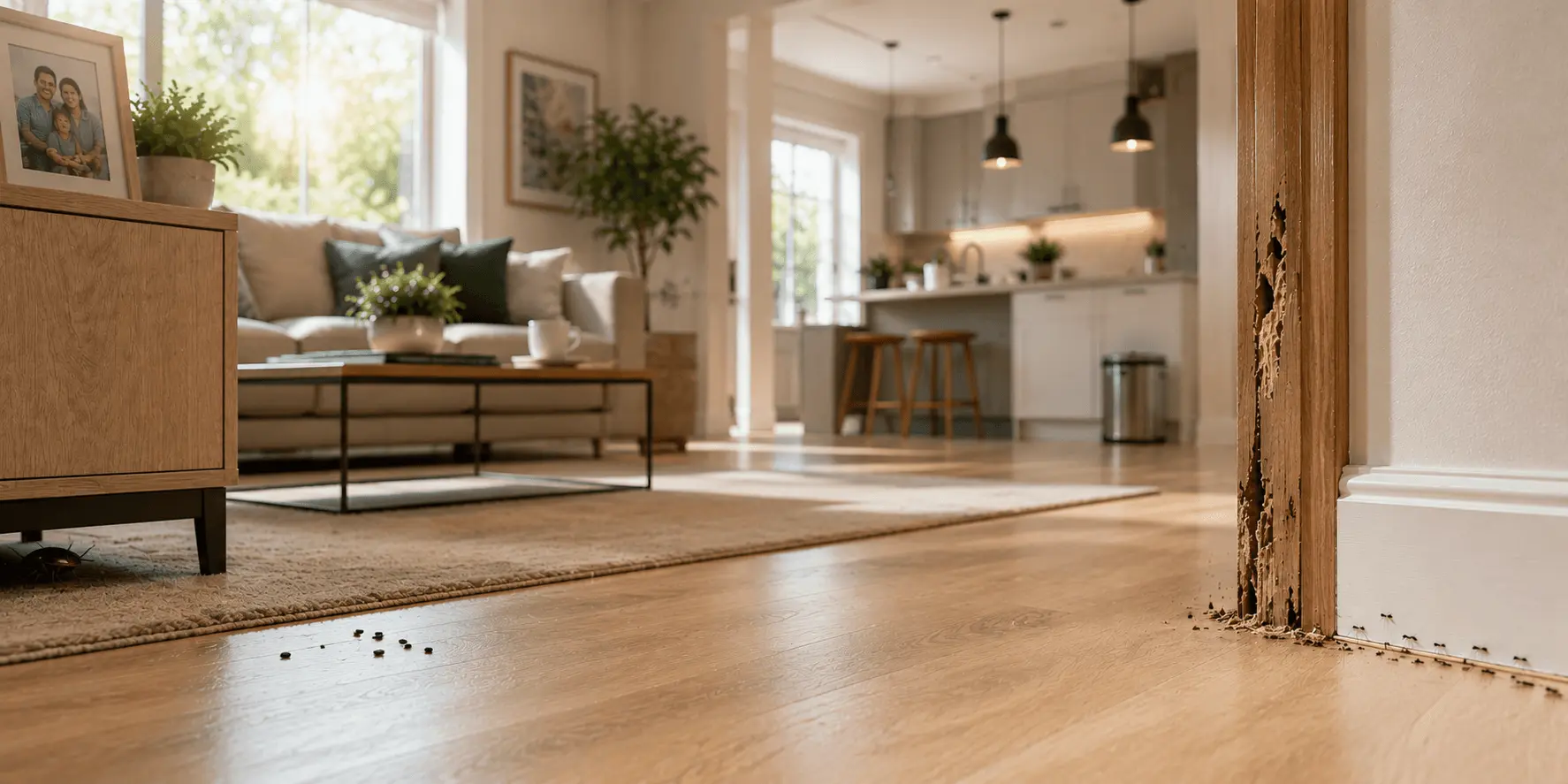
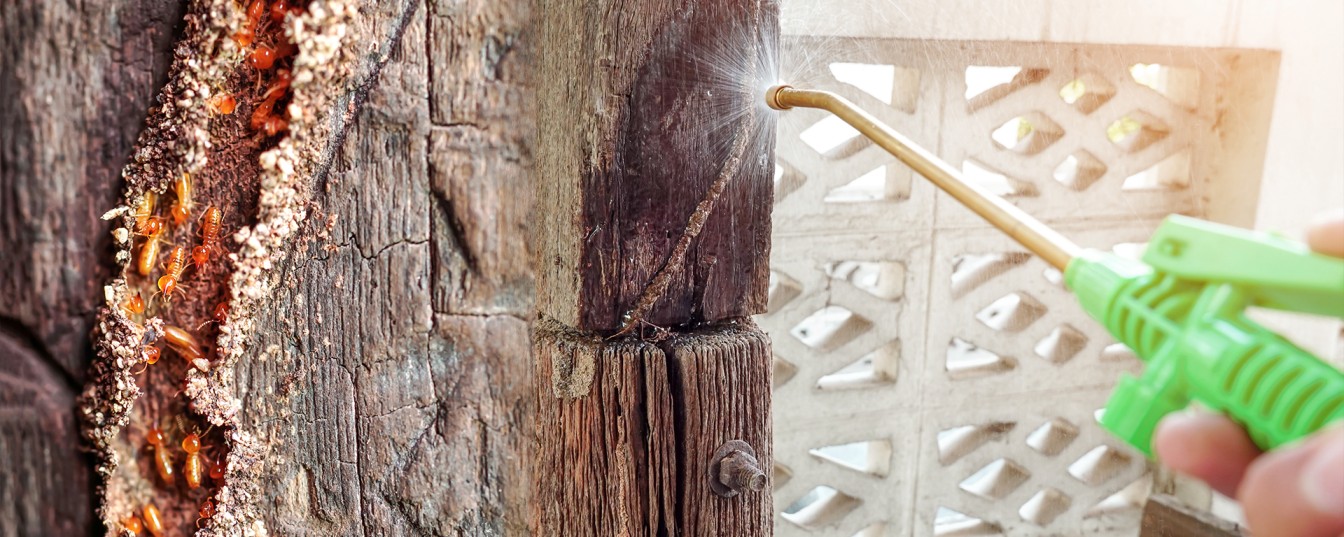
A homeowner notices bubbling paint and slight damage to a wooden door frame. Initially believed to be moisture-related, the issue eventually reveals extensive termite activity inside the wall structure. Termites frequently cause significant internal damage before visible symptoms appear, making early detection and professional inspections particularly important.
Why Early Pest Control for Home Matters
Early pest control for home protection can prevent minor pest issues from becoming major infestations. Many pests reproduce rapidly. A small rodent population can grow significantly within a matter of months, while cockroach and termite colonies can expand unnoticed behind walls and beneath floors. Addressing pest problems early provides several important benefits.
Lower Treatment Costs
Smaller infestations generally require less extensive treatment and monitoring than large-scale infestations.
Reduced Property Damage
Early intervention helps prevent pests from damaging structural components, furniture, insulation, wiring, and stored belongings.
Improved Health Protection
Prompt treatment reduces exposure to allergens, bacteria, parasites, and other health risks associated with pest activity.
Better Long-Term Pest Prevention
Early identification often reveals the conditions attracting pests, allowing homeowners to address underlying issues before infestations return.
Pest Control for Home: Prevention Tips for Long-Term Protection

While professional treatment is important when infestations occur, prevention remains one of the most effective pest management strategies. Homeowners can reduce pest risks by following several best practices.
Eliminate Food Sources
- Store food in sealed containers
- Clean spills promptly
- Remove food waste regularly
- Avoid leaving pet food exposed overnight
Control Moisture
- Repair leaking pipes
- Improve ventilation
- Eliminate standing water
- Maintain gutters and drainage systems
Seal Entry Points
- Repair damaged screens
- Seal cracks and gaps
- Install door sweeps
- Close openings around utility lines
Maintain Outdoor Areas
- Trim vegetation near structures
- Remove debris piles
- Store firewood away from the home
- Reduce areas where water can collect
Schedule Regular Pest Inspections
Routine inspections can identify pest activity before significant infestations develop. Preventive pest management is often more cost-effective than dealing with a large infestation after it becomes established.
Key Takeaways
If you remember only a few points from this guide, focus on the following:
- Frequent pest sightings often indicate a larger hidden infestation.
- Pest droppings, unusual odours, and scratching sounds should never be ignored.
- Rodents and termites can cause significant structural damage.
- DIY treatments may provide temporary relief but often fail to address root causes.
- Moisture, food sources, clutter, and structural gaps commonly attract pests.
- Early intervention is usually more affordable and effective than treating advanced infestations.
- Regular inspections and preventive measures can help reduce future pest problems.
Frequently Asked Questions (FAQs)
How do I know if I need pest control for home services?
You may need professional pest control if you regularly see pests indoors, find droppings, hear unusual noises, notice property damage, detect unusual odours, or experience recurring infestations despite DIY treatments. These signs often indicate a larger hidden pest problem that requires professional assessment.
What is the most common pest problem in residential homes?
Common household pests include cockroaches, rodents, ants, termites, mosquitoes, bed bugs, and flies. The most common pest varies depending on climate, property conditions, sanitation practices, and environmental factors surrounding the home.
What causes pest infestations in homes?
Pests are typically attracted by food, water, shelter, and access points into the home. Common contributing factors include poor food storage, moisture issues, structural gaps, cluttered storage areas, and overgrown landscaping around the property.
When should I call a pest control professional?
You should contact a pest control professional when pest activity becomes frequent, DIY treatments stop working, property damage is visible, health concerns arise, or pests such as termites and rodents are suspected. In most cases, these situations require professional pest control services in Malaysia to properly identify the source of infestation and apply targeted treatment before the problem worsens.
Can a pest infestation damage my home's structure?
Yes. Termites can weaken wooden structures, while rodents may damage insulation, wiring, and building materials. Over time, untreated infestations can lead to costly repairs and compromise the safety of certain structural components.
How often should a home be treated for pests?
The ideal treatment frequency depends on the property's location, pest history, and environmental conditions. Many homeowners benefit from annual inspections, while properties in high-risk areas may require more frequent monitoring or preventive treatments.
How much does pest control for home services cost?
The cost varies depending on the type of pest, severity of the infestation, property size, treatment method, and monitoring requirements. Minor issues typically cost less than large-scale infestations that require multiple treatments and ongoing management.
How long does a home pest control treatment take?
Treatment times vary depending on the pest and treatment approach. Some services may be completed within a few hours, while larger infestations or specialised treatments may require multiple visits over several weeks.
Is professional pest control worth it?
Professional pest control can be worthwhile because it addresses the root causes of infestations, identifies hidden pest activity, and helps prevent future problems. In many cases, early professional intervention can reduce long-term treatment and repair costs.
Can DIY pest control replace professional services?
DIY products can help manage minor pest issues temporarily, but they often fail to eliminate nesting sites, breeding populations, and entry points. Professional pest control typically provides a more comprehensive and long-lasting solution for established infestations.
Contact ZB I Tech for Professional Pest Control for Home Solutions
Pest infestations rarely resolve themselves and often become more difficult and costly to manage when left untreated. Visible pests, droppings, unusual smells, strange noises, structural damage, recurring infestations, and seasonal increases in pest activity are all warning signs that should not be ignored. By recognising these signs early and taking appropriate action, homeowners can protect their health, preserve their property, and reduce the risk of extensive pest-related damage. ZB I Tech Sdn Bhd provides pest management solutions for residential and commercial properties, helping property owners address existing infestations while implementing preventive measures to reduce future pest activity. Through professional inspections, targeted treatments, and long-term pest management strategies, homeowners can maintain cleaner, safer, and more comfortable living environments. If you suspect pest activity in your home, scheduling a professional inspection is an important first step toward identifying the problem and determining the most appropriate treatment plan before the infestation becomes more severe.